


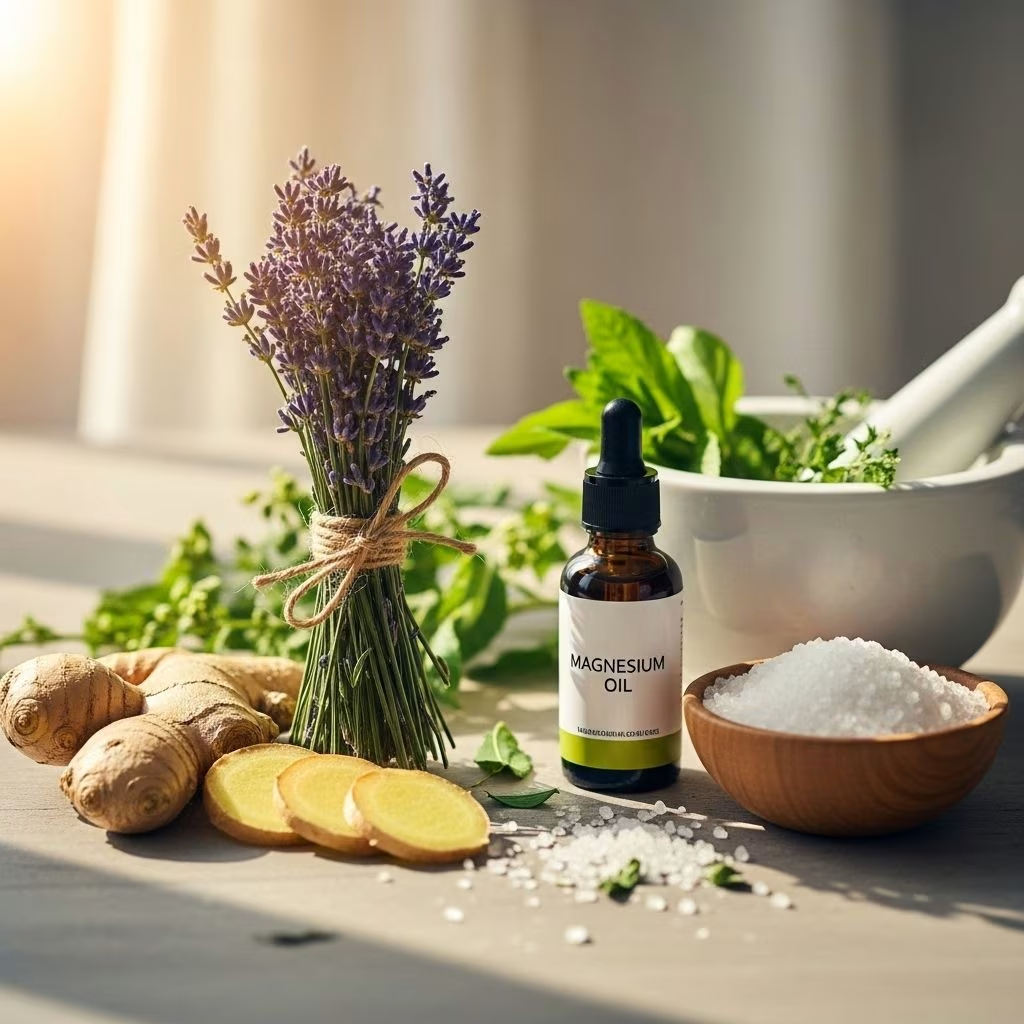
4 Best Natural Remedies for Muscle Pain
Muscle pain—often referred to as myalgia—can disrupt daily life, ranging from minor discomfort after exercise to more persistent aches from stress or medical conditions. While over-the-counter medications like ibuprofen or acetaminophen offer relief, more people are seeking natural, non-pharmaceutical approaches for pain management. Below, discover four of the most effective, evidence-based natural remedies for muscle pain, how they work, and practical tips for safe use.
1. Epsom Salt Soak
Epsom salt baths are a classic and time-honored home remedy for relieving sore muscles and joint pain. Epsom salts are rich in magnesium sulphate, which is believed to be absorbed through the skin, providing several benefits:
- Relaxes muscle fibers and reduces tension
- Lowers inflammation and swelling
- Alleviates muscle spasms
- Can improve recovery after exertion or injury
To prepare an Epsom salt soak:
- Fill a bathtub with warm (not hot) water.
- Add 2 cups of Epsom salts.
- Soak for at least 20 minutes. Repeat up to 3 times per week if needed.
The magnesium in Epsom salt is an essential electrolyte for muscle function, helping prevent cramps, reducing inflammation, and drawing excess fluid from tissues, which may help with both muscle and joint pain . Epsom salt soaks are particularly valued by athletes or anyone experiencing muscle fatigue from physical activity.
Safety note: Epsom salt baths are generally safe. However, people with open wounds, skin infections, or those prone to low blood pressure should consult their doctor before use.
2. Turmeric and Curcumin
Turmeric, the golden-yellow spice revered in Ayurvedic and traditional medicine, contains a potent bioactive compound called curcumin. Curcumin is widely studied for its anti-inflammatory and antioxidant effects, which can be especially beneficial for muscle pain related to:
- Exercise-induced soreness and injury
- Chronic conditions such as arthritis or fibromyalgia
- General muscle aches, including low back pain and sciatica
Research shows that taking curcumin supplements or adding turmeric to your meals can help reduce markers of inflammation and pain. For greater effectiveness, try pairing curcumin with black pepper, which enhances its absorption in the gut by up to 2000% .
Ways to use turmeric for muscle pain:
- Supplements: Standardized extracts, often paired with black pepper
- Golden milk: Warm dairy or plant milk with turmeric, black pepper, and honey
- Food: Add to curries, stews, soups, or smoothies
- Turmeric tea: Brew with ginger and lemon for a soothing drink
Recommended dosage: Clinical studies often use 500-2000 mg of curcumin per day. Always check with a healthcare professional before starting a new supplement, especially if you use other medications, as turmeric may interact with blood thinners or antacids.
3. Heat and Cold Therapy
Heat and cold therapy are established non-drug treatments for a range of muscular and orthopedic pain. They work by altering blood flow, slowing nerve signals, and reducing inflammation in targeted tissues. Choosing the right therapy depends on the nature of your pain:
| Therapy | Best For | How It Works | Application |
|---|---|---|---|
| Heat Therapy |
| Increases local blood flow, relaxes tight muscles, reduces joint stiffness | Heating pad, warm compress, hot water bottle for 20 minutes on affected area |
| Cold Therapy |
| Reduces blood flow, inflammation, and swelling; numbs the area | Ice pack wrapped in towel, 15-20 minutes at a time, several times daily |
For some, alternating heat and cold therapies (also called contrast therapy) can provide maximum relief by simultaneously reducing inflammation and improving flexibility .
Tips for use:
- Never apply ice or heat directly to the skin—always use a barrier such as a towel.
- Limit each application to 20 minutes at a time.
- If pain is accompanied by significant swelling, start with cold therapy.
- For chronic soreness or stiffness, apply warmth before movement or stretching.
4. Massage
Massage therapy has long been associated with muscle relief and relaxation. Scientific support is mixed, but both professional sessions and at-home techniques are successfully used by millions of people to:
- Reduce local muscle tension and spasms
- Ease stress-related muscle tightness
- Increase blood flow and lymphatic drainage, helping with recovery
- Release trigger points—small knots of tight muscle that refer pain to other regions
Popular forms of massage for muscle pain include:
- Swedish massage: Gentle kneading for relaxation
- Deep tissue massage: Focuses on deeper layers of muscle, recommended for chronic tension
- Self-massage: Using foam rollers, massage balls, or hand-held devices at home
- Aromatherapy massage: Essential oils like chamomile, lavender, or peppermint may further soothe pain and inflammation
If you experience muscle cramps, try massaging the affected area while gently stretching it. For persistent or severe pain, consult a licensed massage therapist familiar with musculoskeletal conditions.
Additional Lifestyle Tips for Preventing and Managing Muscle Pain
Beyond these key remedies, several lifestyle strategies can reduce the risk and severity of muscle pain:
- Stay active: Regular, gentle exercise keeps muscles strong and prevents stiffness. Activities like walking, swimming, yoga, or stretching can help.
- Hydration: Ensure adequate fluid intake, as dehydration increases muscle cramp risk.
- Diet: Eat a balanced diet rich in anti-inflammatory foods—fruits (like blueberries and cherries), vegetables, nuts, healthy fats, and lean proteins support muscle health .
- Magnesium & potassium: Consuming foods high in magnesium and potassium (such as leafy greens, bananas, avocados, and nuts) can help prevent cramps and support normal muscle contraction.
- Rest and recovery: Allow time for muscles to heal after intense activity. Rest is essential for muscle fiber repair .
Frequently Asked Questions (FAQ)
Q: How can I tell if my muscle pain is serious?
If your muscle pain is severe, sudden, associated with swelling, redness, high fever, or doesn’t improve after a week of home treatment, consult a healthcare provider. Unexplained muscle weakness can be a sign of a more serious condition .
Q: Is it safe to use natural remedies alongside prescription medications?
Most natural remedies are safe when used as directed, but some (like turmeric) can interact with blood thinners, diabetes medications, or antacids. Always check with your healthcare provider, especially if you take regular medicines.
Q: How often can I take an Epsom salt bath?
Epsom salt baths can be safely taken up to 3 times per week. Consult your doctor if you have kidney problems, open wounds, or sensitive skin prior to use .
Q: Can massage make muscle pain worse?
Gentle massage usually helps, but deep pressure on injured, inflamed, or bruised areas can worsen pain. If pain increases during massage, stop and consult a professional.
Q: Are there foods that help prevent muscle pain?
Yes! Consuming foods rich in antioxidants (berries, cherries), magnesium (leafy greens, nuts), and anti-inflammatory spices (turmeric, ginger) can help your muscles recover faster and reduce inflammation .
Summary Table: Natural Remedies for Muscle Pain
| Remedy | Main Benefit | How To Use | Best For |
|---|---|---|---|
| Epsom Salt Soak | Relaxes muscles, reduces inflammation | Bathe with 2 cups in warm water, soak for 20 min | Sore, stiff, or fatigued muscles |
| Turmeric/Curcumin | Anti-inflammatory, natural pain relief | Supplements (500-2000 mg/day), food, or tea with black pepper | Chronic pain, post-exercise soreness |
| Heat/Cold Therapy | Reduces pain, swelling, improves flexibility | Heat (chronic pain), cold (acute injury): 15-20 min applications | Acute and chronic muscle pain |
| Massage | Relaxes muscles, improves circulation | Professional or self-massage, aromatherapy oils | Stress-induced tension or general aches |
Conclusion
Natural remedies offer an effective, safe, and accessible path to muscle pain relief for many people. Whether using an Epsom salt soak, embracing the anti-inflammatory powers of turmeric, applying heat or cold judiciously, or leveraging the soothing benefits of massage, these approaches can complement medical therapies or stand alone for everyday discomfort. Always prioritize your safety and consult a healthcare professional if your symptoms are severe, persistent, or unexplained.
References
- https://www.healthline.com/health/home-remedies-for-body-pain-and-tiredness
- https://www.healthline.com/health/pain-relief/best-natural-muscle-relaxers
- https://www.verohealthcenter.com/muscle-joint-and-body-aches/
- https://glycanage.com/blog/health/natural-remedies-for-muscle-pain
- https://www.medicalnewstoday.com/articles/323393
- https://pmc.ncbi.nlm.nih.gov/articles/PMC5329173/
- https://utswmed.org/medblog/supplements-for-back-joint-muscle-pain/
- https://www.brooklynpaindoctors.com/post/soothing-muscle-pain-with-alternative-medicine-a-holistic-approach-to-relief
- https://my.clevelandclinic.org/health/symptoms/myalgia-muscle-pain


