


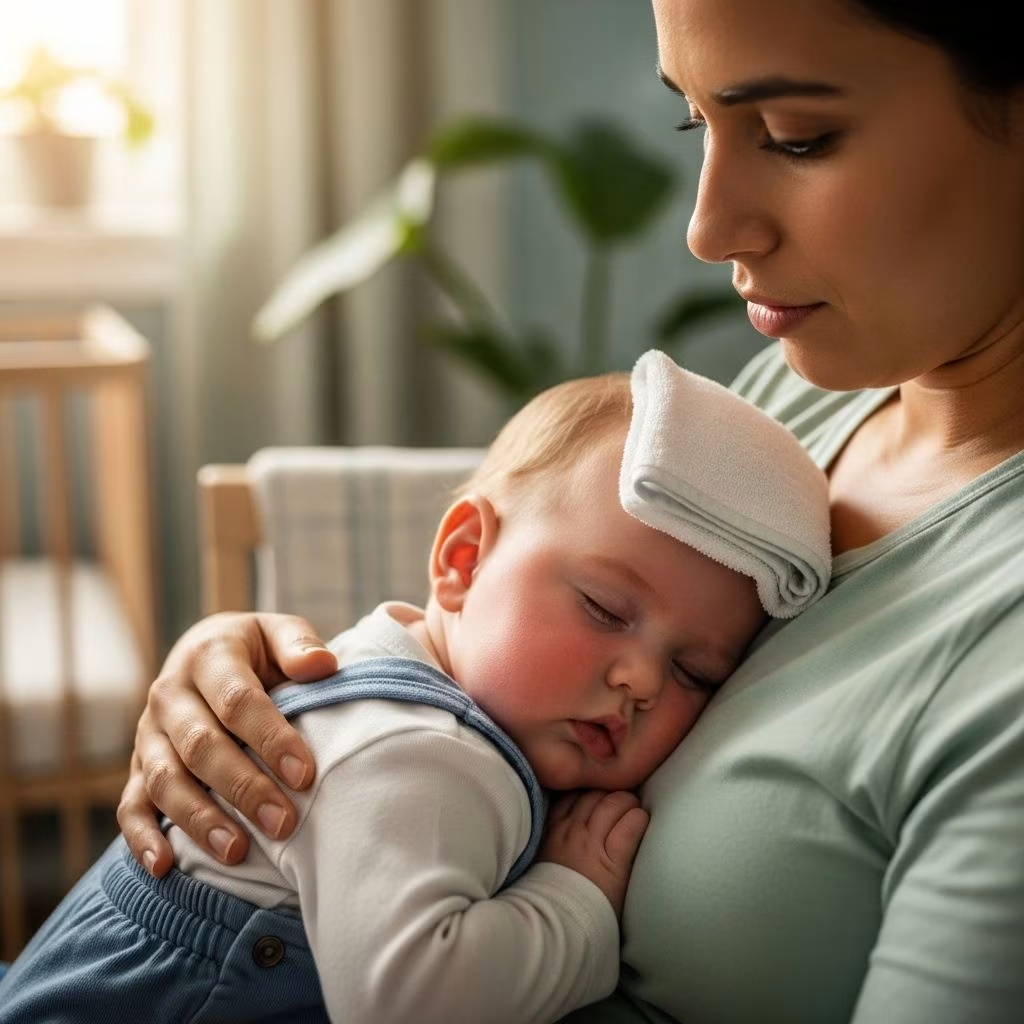
How to Comfort a Feverish Baby: Safe, Natural Remedies that Work
Seeing your baby with a fever can be deeply concerning for any parent. While fever is often part of a healthy immune response, it’s crucial to comfort your child safely and effectively. This guide presents a blend of science-backed and natural approaches—including hydration, botanical baths, gentle massage, and aromatherapist-recommended steps—to help soothe your feverish baby. You’ll also find tips on recognizing when to seek medical help and answers to commonly asked questions about fevers in babies.
Understanding Infant Fever: When Concern is Warranted
A fever is not an illness, but a sign that your baby’s body is fighting off an infection. It is generally defined as a rectal temperature over 38°C (100.4°F). Mild to moderate fevers are common in babies, especially during the first years of life. While most fevers can be managed at home, it’s vital to know the signs that warrant a call to your pediatrician:
- Your baby is under 3 months old and has any fever
- Fever lasts more than 24 hours in a baby under 2 years
- Signs of dehydration (dry mouth, no tears, fewer wet diapers)
- Persistent vomiting, difficulty breathing, unusual drowsiness, or seizures
Always trust your instincts. If your baby’s behavior or symptoms alarm you, err on the side of caution and reach out to your healthcare provider.
Safe, Science-Backed Natural Ways to Support a Feverish Baby
Hydration Is Key
Fevers increase fluid loss through sweating and rapid respiration. Preventing dehydration is paramount during any illness:
- For breastfed babies: Nurse frequently. Breastmilk provides optimal hydration and antibodies specific to your baby’s needs.
- For formula-fed infants: Offer regular feeds on demand.
- For older babies (over 6 months): Offer small sips of water, diluted juice, an age-appropriate electrolyte solution, or even fruit or breastmilk popsicles to encourage fluid intake.
Signs of proper hydration include moist lips, normal skin elasticity, and several wet diapers per day.
Cool, Calm, and Comfortable
Helping your baby rest comfortably supports their recovery without the need to aggressively lower their fever:
- Dress your baby in lightweight, breathable clothing—not too many layers.
- Maintain a comfortably cool room. Gentle air circulation from a fan or open window can help, but avoid direct drafts.
- Encourage restful, quiet play or cuddling. Avoid overstimulation, which can raise your baby’s internal temperature further.
Lukewarm Baths
A tepid bath can gently help bring down your baby’s temperature:
- Use lukewarm—not cold—water. Cold water can cause shivering, which paradoxically raises core temperature.
- Focus on soothing touch and connection to make the bath a calming ritual.
Never use alcohol rubs or cold baths. Always supervise your baby closely during any bath.
A Natural Aromatherapist Protocol to Soothe a Baby’s Fever
Beyond basic comfort measures, thoughtfully selected natural ingredients can nurture your baby’s mood, skin, and overall well-being. As a clinical aromatherapist, I’ve found the following steps bring tangible comfort for both parent and child.
Step 1: A Botanical Bath for Full-Body Support
This is more than a cleansing bath—it’s a restorative therapy for your baby inside and out. Below are the key ingredients and their benefits:
| Ingredient | Benefit |
|---|---|
| Sea Mineral Salts | Rich in magnesium and trace minerals; promote muscle relaxation and reduce discomfort. |
| Colloidal Oatmeal | Gentle, natural moisturizer; soothes and protects sensitive skin, especially if irritated by sweating. |
| Cocoa Butter | Contains theobromine to help promote circulation and gentle heat dissipation. |
| Shea Butter & Hemp Seed Oil | Deeply hydrates and repairs skin, countering the drying effects of fever and sweat. |
| Lavender & German Chamomile Essential Oils | Reduce muscle tension and calm spasms; support restful sleep and comfort. |
| Mandarin Essential Oil | Uplifts mood for both baby and parent during stressful times. |
Note: Always check age-appropriate use, especially with essential oils—avoid any on babies younger than 3 months unless recommended by a certified practitioner.
Step 2: Specialized Care for Newborns
For babies under 3 months, select gentle, unscented formulas, such as a “First Touch Formula” rich in organic crude cocoa butter and free of essential oils. This hydrates and relaxes delicate newborn skin without overwhelming their sensitive systems.
How-To: Giving a Comforting Bath
- Dissolve a modest amount of your bath blend in warm (not hot) water.
- Hold your baby securely and bathe them gently, focusing on creating a calm environment with soft lighting and soothing sounds.
- After the bath, pat your baby dry with a soft towel and follow with nourishing hydration using a small amount of gentle lotion or body butter.
Step 3: Gentle, Rhythmic Massage
Massage following a bath can further support your feverish baby by alleviating tension and herding built-up stress out of their small body.
- Scoop a small amount of body butter (no need to pre-warm; it melts on skin contact).
- Apply with slow, rhythmic strokes to the back, legs, and arms.
- Maintain direct eye contact, speak softly, or hum a gentle lullaby—this not only relaxes muscles but reassures your baby emotionally.
For added relaxation, choose a massage blend aligned with your child’s age and skin sensitivity. Consult your pediatrician or pediatric aromatherapist before using new products.
Other Gentle Fever Relief Strategies
- Skin-to-skin contact: Holding your baby against your skin can help stabilize their body temperature and decrease stress for both baby and parent.
- Warm towel wipes: For babies who dislike baths, gently wiping key areas (forehead, neck, armpits, groin) with a towel soaked in warm water can be an effective alternative.
- Comfort through smell: A drop of mandarin or chamomile essential oil on a cotton ball (at a safe distance from baby’s face) can gently enhance the room’s atmosphere.
When to Seek Medical Advice
Natural remedies help manage most mild and moderate fevers, but prompt medical attention is critical if your child displays any of the following:
- Is under 3 months old and has any fever
- Shows severe lethargy, inconsolable crying, breathing difficulties, or a persistent high-pitched cry
- Experiences a seizure
- Develops a rash not fading with pressure
- Shows signs of dehydration: dry mouth, no tears, or fewer than three wet diapers in 24 hours
Your parental intuition is vital. If your gut senses something is wrong, seek help regardless of whether your baby fits classic criteria.
Frequently Asked Questions (FAQs) About Comforting a Feverish Baby
Q: Is fever itself dangerous for my baby?
A fever is part of the body’s normal defense against infection and usually isn’t harmful on its own. In fact, mild to moderate fever might help clear viruses or bacteria. However, very high fevers, or fevers in very young babies, can require medical assessment.
Q: What’s the best way to hydrate a feverish baby?
Breastmilk or formula (for younger babies) and small sips of water (for older babies over 6 months) are best. Don’t force large amounts at once; frequent, gentle offering works best.
Q: Should I use medications like acetaminophen or ibuprofen?
Medication is sometimes appropriate for higher fevers or discomfort, but many mild fevers resolve with hydration, comfort, and rest. Always consult your pediatrician about appropriate dosing and need for medication, especially for babies under 6 months.
Q: Can essential oils help my sick baby?
Certain essential oils (like lavender or chamomile) may soothe older babies when appropriately diluted and used for massage or aromatherapy. Essential oils should never be used on or near newborns without professional guidance. Less is more—always prioritize safety and purity.
Q: Is it okay for my baby to eat less when they have a fever?
Appetite often decreases with illness. As long as your baby stays hydrated and continues having wet diapers, a reduced appetite for a few days isn’t usually harmful. See your doctor if they refuse all fluids or food for more than 24 hours.
Summary Table: Do’s and Don’ts for Soothing a Feverish Baby
| Action | Do | Don’t |
|---|---|---|
| Hydration | Offer frequent milk or fluids | Force large drinks, wait until signs of dehydration |
| Baths | Use lukewarm/warm water, make it calming | Use cold water, ice, or rubbing alcohol |
| Clothing | Dress in lightweight, breathable layers | Overbundle or underdress |
| Essential Oils | Dilute properly for older babies, consult pro | Use undiluted or on tiny infants without guidance |
| Comfort | Hold/touch, provide calm, quiet surroundings | Leave baby isolated, introduce loud activity |
Final Thoughts from a Mother’s and Aromatherapist’s Heart
If your baby has a fever, remember: calm, connection, and hydration form the core of gentle care. Fever is a sign of healing, not harm, in most situations. Trust your instincts and your ability to comfort your little one, but never hesitate to get medical advice when unsure. Your presence, patience, and touch are just as powerful as any remedy on earth.
Disclaimer: This article is for informational purposes only and is not a substitute for professional medical advice. Always consult your pediatrician before trying new treatments, especially with newborns or if symptoms worsen.
References
- https://royalhskincare.com/blogs/news/how-to-comfort-a-feverish-baby-natural-remedies-that-work
- https://proactivebaby.com/blogs/baby-float/natural-baby-fever-remedies
- https://www.vinmec.com/eng/blog/ways-to-reduce-fever-quickly-for-children-parents-need-to-know-en
- https://www.rch.org.au/kidsinfo/fact_sheets/Skincare_for_babies/
- https://www.youtube.com/watch?v=b41CJ8a9gR4
- https://www.rch.org.au/kidsinfo/fact_sheets/
- https://www.youtube.com/shorts/ht4grQ5_i8c
- https://www.royaldevon.nhs.uk/media/45heylmm/what-to-do-if-your-child-is-feverish-780-v1.pdf
- https://raisingchildren.net.au/guides/a-z-health-reference/dry-skin
- https://www.nurofen.co.uk/children/articles/caring-for-your-feverish-child-through-the-night/


