


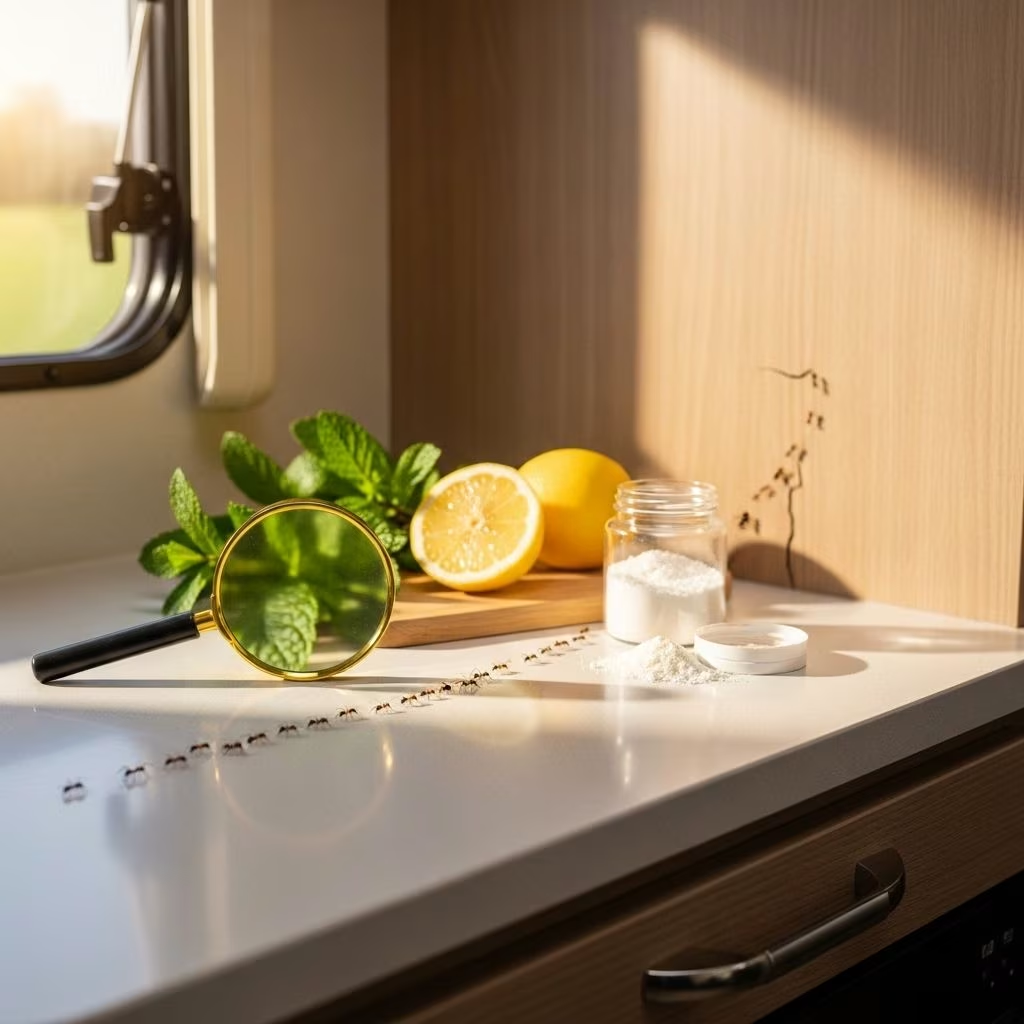
7 Incredibly Effective Home Remedies to Rid Your RV of Ants
Ant infestations can quickly ruin the RV camping experience, but chemical-laden pesticides aren’t your only choice. Many effective, natural home remedies can eliminate ants from your rig and keep future infestations at bay. This guide explores seven proven solutions—using everyday household items and easy application methods—to help you reclaim your RV and travel in comfort.
Why Ants Invade RVs
Ants enter RVs in search of food, water, or shelter. Crumbs, spilled liquids, and even pet food can be irresistible. The compact spaces and many entry points in RVs present easy opportunities for ant armies to infiltrate, especially at campgrounds where nature meets your doorstep.
1. Diatomaceous Earth (DE)
Diatomaceous Earth is a white, powdery substance made of fossilized aquatic organisms. Its sharp microscopic edges damage the exoskeletons of ants, causing dehydration and death—yet it’s harmless to humans and pets when used responsibly.
- How to Apply: Lightly sprinkle DE along entry points, windows, doorways, under sinks, and suspected trails within your RV.
- Benefits: Non-toxic, odorless, and safe for indoor use if you avoid breathing in the dust.
- Tip: Use only food-grade DE for household pest control.
2. Vinegar and Water Solution
Vinegar destroys ant scent trails and disrupts their communication. Its pungent odor repels ants, making it a double-duty cleaner and deterrent.
- Mix equal parts white vinegar and water in a spray bottle.
- Spray along countertops, floors, cracks, entryways, and anywhere you see ants or their trails.
- Wipe down surfaces with the solution to further erase pheromone paths.
- Note: While the vinegar smell dissipates quickly for humans, it lingers for ants.
3. Cinnamon
Cinnamon is a fragrant spice that naturally repels ants thanks to its strong scent and mildly irritating properties. It is also non-toxic for pets and children.
- Sprinkle ground cinnamon or place cinnamon sticks at strategic locations, such as along windowsills, near cabinet doors, and beneath appliances.
- Consider making a cinnamon essential oil spray by diluting a few drops into water and spraying suspected areas.
- Cinnamon not only drives away ants but also leaves your RV smelling pleasant.
4. Borax and Sugar Bait
Borax is a naturally occurring mineral that disrupts ants’ digestive systems, ultimately eliminating the colony. When mixed with sugar, you create an attractive (and lethal) bait for ants to carry back to the nest.
- Mix equal parts borax and sugar (for example, 1 tbsp each).
- Add a little warm water to form a paste if needed; alternatively, use just the dry blend.
- Place small amounts on bottle caps or shallow dishes near ant trails and entry points. Monitor carefully so children and pets do not access the bait.
- This remedy attracts foraging worker ants who bring the bait back to the colony, eliminating it at the source.
5. Essential Oils
Essential oils like peppermint, tea tree, eucalyptus, and citrus are potent ant repellents. Their strong scents mask the trails ants follow and irritate their delicate senses.
- Add 10–20 drops of essential oil to a cup of water in a spray bottle. Shake well before each use.
- Target known hot spots: windows, doors, corners, storage compartments, and kitchen areas.
- Alternatively, soak cotton balls in oil and place them in hidden areas—behind appliances, in cupboards, or near plumbing.
- The fragrance will linger for several days; replace as needed for continued effectiveness.
6. Lemon Juice
Lemon juice has a strong, acidic scent that repels ants and cleans surfaces at the same time.
- Mix lemon juice with water in a 1:1 ratio.
- Spray along entry points, window frames, door jambs, under sinks, and other trails.
- For deeper impact, wipe down kitchen surfaces with the mixture or leave lemon peels in cupboards and storage areas.
- Lemon’s acidity also erases ant pheromones, making their navigation impossible.
7. Bay Leaves
Bay leaves contain compounds that repel a variety of common insects, including ants. Their sharp, herbal aroma acts as a natural deterrent.
- Place fresh or dried bay leaves in pantries, storage bins, drawers, cupboards, under sinks, and near appliances.
- Replace periodically to maintain potency.
- Bay leaves are completely non-toxic and safe for food storage areas.
Comparative Table of Remedies
| Remedy | Application | Effectiveness | Safe for Kids/Pets |
|---|---|---|---|
| Diatomaceous Earth | Sprinkle powder near entry points & trails | High | Yes, food-grade |
| Vinegar & Water | Spray on trails & surfaces | Moderate-High | Yes |
| Cinnamon | Sprinkle or place sticks | Moderate | Yes |
| Borax & Sugar Bait | Place bait dishes | Very high (kills colonies) | Use with caution |
| Essential Oils | Spray or soak cotton balls | High | Yes (diluted) |
| Lemon Juice | Spray, wipe, or place peels | Moderate-High | Yes |
| Bay Leaves | Place leaves in problem areas | Moderate | Yes |
Preventing Future RV Ant Infestations
- Seal entry points such as gaps, window edges, doors, and utility ports with caulk or weather stripping.
- Keep food stored in airtight containers and clean up crumbs, spills, and food waste immediately.
- Empty trash cans daily and avoid leaving pet food out overnight.
- Regularly inspect your RV’s exterior and undercarriage for visible ant trails or nests near tires, stabilizers, and hookups.
- Rinse recyclables and avoid storing sweet items (like soda cans) without cleaning them first.
What to Do if Home Remedies Aren’t Enough
If ants persist despite multiple home remedies, it may indicate a deeply established nest or satellite colony. In severe cases:
- Increase the frequency and coverage of home remedies, combining several methods simultaneously.
- Move the RV to a different site if possible, as underground colonies may be extensive.
- Consider professional pest control assistance for ongoing, year-round infestations outside the scope of natural fixes.
Frequently Asked Questions (FAQs)
Q: Are these remedies safe for children and pets?
Most remedies listed (diatomaceous earth, vinegar, cinnamon, essential oils, lemon juice, bay leaves) are safe for children and pets when used correctly. Borax bait should be used with caution, ensuring it’s inaccessible to kids and animals.
Q: How long does it take for these remedies to work?
Ant activity may diminish within hours to a couple of days, especially with bait and sprays. Complete eradication—especially of nesting colonies—can take up to a week with consistent application.
Q: Can I use more than one remedy at the same time?
Absolutely. In fact, combining remedies (e.g., spraying vinegar and then placing DE or essential oil stations) can provide better, layered protection for stubborn infestations.
Q: Is it necessary to repeat these treatments?
Yes. For best results, reapply sprays and replace deterrents like bay leaves, essential oil cotton balls, and lemon peels weekly or after cleaning.
Q: Will these methods work for other RV pests?
Some remedies—particularly DE, essential oils, and vinegar—will help deter a range of pests including spiders, roaches, and some beetles, making them great multitasking tools.
Conclusion: Enjoy an Ant-Free RV Adventure
Ants can be persistent, but with these home remedies and preventive actions, your RV journeys can remain comfortable and pest-free. The natural solutions above provide effective alternatives to harsh chemicals, ensuring your mobile home stays welcoming for you—not for ants!


