


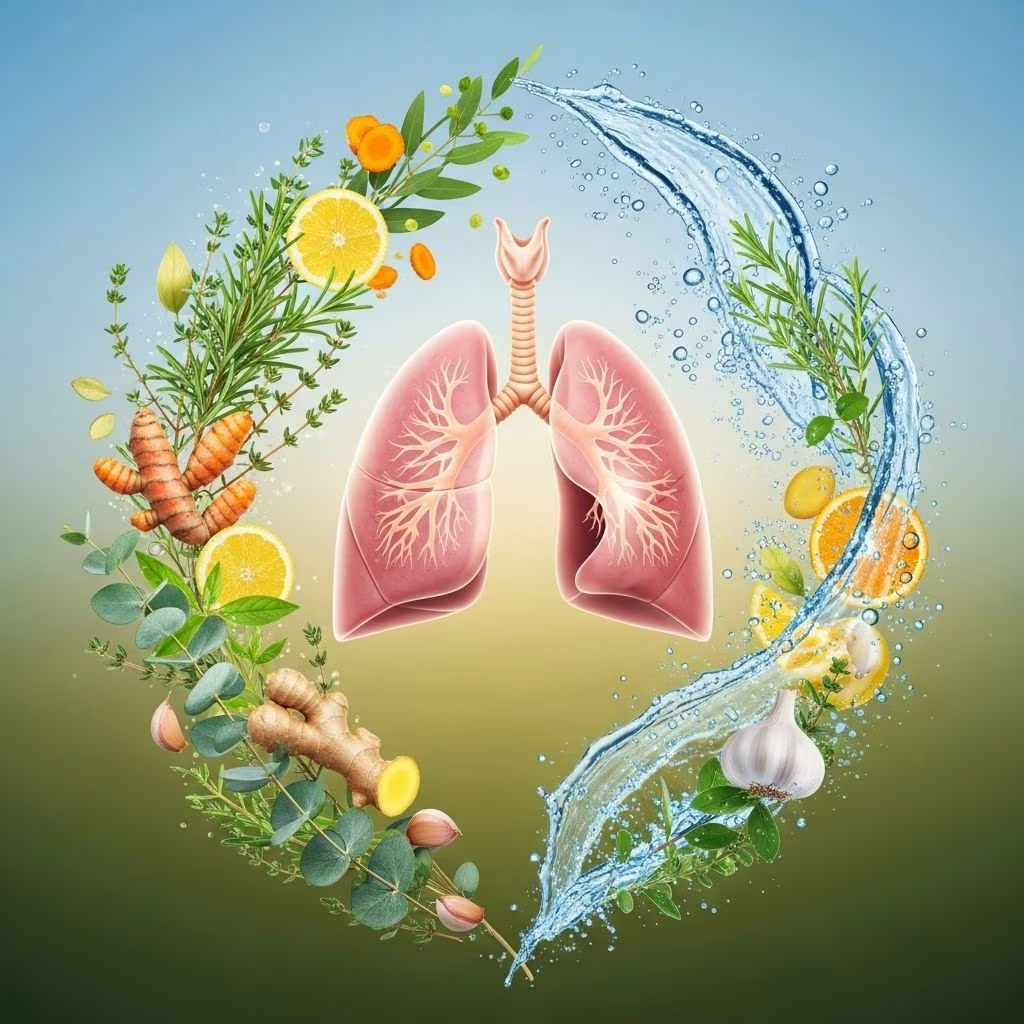
Natural Remedies to Clean and Strengthen Your Lungs
Your lungs work tirelessly to provide your body with oxygen and expel carbon dioxide, both essential for life. Yet, over time, exposure to pollutants, allergens, tobacco smoke, and respiratory infections can compromise your lung health. Fortunately, there are various natural remedies and supportive habits you can incorporate into your life to optimize your respiratory function, cleanse your lungs, and prevent respiratory issues.
Why Is Lung Health Important?
Healthy lungs are vital for the body’s overall well-being, supporting energy levels, optimal metabolism, and protection against illness. When lungs become congested with toxins and mucus, you may experience symptoms such as shortness of breath, persistent coughing, chest discomfort, and a decline in overall quality of life. Proactive cleansing and strengthening are especially important for individuals exposed to air pollution, those with allergies, people who have recently quit smoking, and anyone with chronic respiratory conditions.
Simple Ways to Naturally Cleanse Your Lungs
Below are effective, evidence-based techniques and lifestyle strategies to aid in lung detoxification and restoration.
1. Practice Deep and Controlled Breathing
Deep breathing exercises support your lungs’ natural self-cleansing mechanisms by allowing more air to enter and exit, helping to release built-up toxins and mucus.
- Controlled coughing: This method helps expel excess mucus. Sit on a chair with relaxed shoulders and both feet flat. Cross your arms over your stomach. Inhale slowly through your nose, then exhale while leaning forward and pressing your arms into your stomach. Cough 2–3 times as you exhale, keeping your mouth slightly open. Rest and repeat as needed.
- Diaphragmatic breathing: Place a hand on your abdomen, inhale deeply through your nose so your belly expands, then exhale slowly through pursed lips. This technique enhances lung capacity and clears respiratory passages.
2. Postural Drainage: Using Gravity for Lung Cleansing
Postural drainage is a therapy that uses specific body positions to allow gravity to assist in draining mucus from different areas of your lungs. It’s especially beneficial for those with chronic lung conditions or recovering from infections.
- Lying on your back: Lie on a flat surface, placing pillows under your hips so your chest is lower than your hips. Breathe in through your nose, exhale through your mouth, making each exhalation twice as long as the inhalation.
- Lying on your side: Rest your head on an arm or pillow, with pillows under the hips. Use the same 1:2 breathing pattern. Switch sides to drain both lungs.
- Lying on your stomach: Place several pillows under your hips and lie face down, arms supporting your head. Continue the breathing pattern for several minutes.
3. Stay Hydrated – Water as a Natural Lung Cleanser
Drinking adequate water thins mucus, making it easier for your body to expel it through coughing or breathing. Aim for at least 6–8 glasses per day, more during periods of illness or high physical activity.
4. Use Herbal Remedies with Proven Respiratory Benefits
Certain herbs have long-standing reputations for promoting lung health, clearing airways, and reducing inflammation:
- Thyme: Rich in thymol and flavonoids, thyme is known as an antiseptic, antifungal, and expectorant. It’s traditionally used to calm coughs, soothe sore throats, and support the clearing of mucus. Consumed as an infusion, thyme may help open respiratory passages.
- Spruce and Pine: These conifers contain terpenes, which may have antiseptic and expectorant effects. They help thin and mobilize mucus, supporting improved lung clearance.
- Green Tea: Contains antioxidants called catechins (notably EGCG) that may protect lung tissue and reduce inflammation. Green tea is also linked to a reduced risk of chronic obstructive pulmonary disease (COPD).
- Eucalyptus: Eucalyptus leaves contain eucalyptol, which may thin mucus and facilitate easier breathing. Eucalyptus tea or steam inhalation is commonly used for bronchial relief.
- Ginger: Ginger’s active component, gingerol, is a strong antioxidant, which may help clean and strengthen the lungs, reduce inflammation, and prevent tissue damage.
5. Foods That Support Lung Health and Detoxification
Nutrition is foundational to respiratory function. Many foods contain natural antioxidants, vitamins, and nutrients that help neutralize toxins and maintain healthy lung tissue.
- Antioxidant-rich fruits and vegetables: Especially those high in flavonoids and anthocyanins, such as blueberries, cherries, raspberries, strawberries, blackcurrants, red cabbage, and purple potatoes. These compounds combat inflammation and help protect against respiratory diseases.
- Leafy greens and cruciferous vegetables: Kale, spinach, broccoli, and Brussels sprouts are dense in nutrients that support detoxification and have been associated with improved lung function.
- Citrus fruits: Oranges, lemons, and grapefruits are high in vitamin C, which supports immune defenses and repairs respiratory tissues.
- Onions and garlic: Their sulfur compounds possess anti-inflammatory and antimicrobial properties that can defend and restore the lungs.
- Healthy fats: Nuts, seeds, avocados, and olive oil provide fatty acids that contribute to anti-inflammatory processes throughout the body, including the respiratory system.
Sample Table: Top Foods and Herbs for Lung Health
| Food/Herb | Key Compound | Main Benefit |
|---|---|---|
| Thyme | Thymol, Flavonoids | Antiseptic, expectorant, soothes cough |
| Green Tea | EGCG, Catechins | Reduces inflammation, antioxidant |
| Eucalyptus | Eucalyptol | Thins mucus, eases breathing |
| Ginger | Gingerol | Anti-inflammatory, detoxifies |
| Blueberries, Strawberries | Anthocyanins | Antioxidant, lessens mucus |
| Garlic, Onions | Sulfur compounds | Fights infection |
6. Try Steam Therapy for Soothing Airways
Steam inhalation (also known as steam therapy) involves inhaling warm, moist air to loosen mucus and open nasal and bronchial passages. Add a few drops of eucalyptus oil or dried herbs (such as thyme) to a bowl of hot water for added effect. Inhale the vapor for 10–15 minutes, being careful with the heat. This provides relief from congestion, coughing, and tightness.
7. Regular Exercise and Physical Activity
Physical activity increases lung capacity, strengthens respiratory muscles, and improves the clearance of toxins. Activities such as brisk walking, swimming, cycling, and aerobic workouts all stimulate deeper breathing and promote the natural cleansing of the respiratory system.
8. Avoid Toxins and Environmental Irritants
Environmental pollutants—including tobacco smoke, chemicals, dust, and industrial emissions—are leading contributors to lung irritation and disease. To protect your lungs:
- Avoid smoking and secondhand smoke.
- Ventilate your home to reduce indoor air pollutants.
- Use air purifiers if you live in highly polluted areas.
- Wear masks in dusty or hazardous environments.
Specific Lung-Cleansing Remedies and Recipes
Herbal Teas to Cleanse the Lungs
- Green tea with expectorant herbs: Prepare an infusion using one tablespoon of green tea and one tablespoon of expectorant herbs (such as elderflower, fennel, marjoram, mallow, plantain, anise, or eucalyptus) per cup of water. Boil the water, add the herbs, cover, and let stand. Sweeten with honey if desired for additional benefits. Drink 2–3 times daily to help clear accumulated mucus.
- Thyme or eucalyptus infusions: Add fresh or dried thyme or eucalyptus leaves to boiling water to make a soothing, decongestant tea. This helps relax the airways and break down mucus.
Natural Support for Ex-Smokers
When you quit smoking, your body begins to heal and cleanse itself, but the process can take weeks or months. To speed lung regeneration and reduce withdrawal discomfort:
- Boost your intake of berries and red/purple vegetables (high in anthocyanins and flavonoids) to decrease mucus and limit inflammation.
- Consume green tea and antioxidant-rich foods to support the repair and regeneration of lung tissues.
- Engage in regular breathing exercises and postural drainage sessions.
- Stay well hydrated to promote mucus clearance.
FAQs – Frequently Asked Questions About Lung Cleansing
Q: Is it really possible to ‘clean’ the lungs?
A: While your lungs possess natural cleaning mechanisms, healthy habits and certain remedies can support these processes, making it easier for the body to repair and remove harmful substances, especially after exposure to pollutants or smoking.
Q: Which single food is most beneficial for lung health?
A: There is no single ‘miracle food’. However, a diet high in antioxidants (such as berries, citrus fruits, and leafy greens), garlic, onions, and green tea can collectively support and protect lung tissue.
Q: Do herbs really help with respiratory conditions?
A: Many herbs, including thyme, eucalyptus, and ginger, have compounds with expectorant, anti-inflammatory, and antimicrobial effects, making them valuable as supportive remedies for lung health. Always consult a healthcare professional if you have a chronic condition or are taking medications.
Q: How often should I perform breathing or drainage exercises?
A: If you are healthy, incorporating these exercises 2–3 times per week is beneficial. Those with respiratory conditions may perform them more frequently. Listen to your body and consult your healthcare provider for a tailored plan.
Q: What should be avoided to maintain clean lungs?
A: Avoid smoking, exposure to secondhand smoke, pollution, dust, and inhaling harsh chemicals. Proper hydration, nutrition, and regular exercise are essential for ongoing lung clean-up and optimal function.
Key Takeaways for Healthy Lungs
- Support your lungs daily with a balanced diet, regular physical activity, and conscious breathing exercises.
- Incorporate herbal remedies such as thyme, green tea, ginger, and eucalyptus for natural cleansing and relief.
- Adopt preventive habits: avoid smoke and air pollutants, ventilate your home, and keep yourself hydrated.
- Experiment with lung-cleansing teas and steam therapy to unblock airways and soothe congestion.
- Consult your physician if you are recovering from a respiratory illness or have chronic lung disease before starting new remedies.
References
- https://saberespoder.com/articles/health/como-limpiar-los-pulmones-con-remedios-naturales
- https://saberespoder.com/en/articles/health/como-limpiar-los-pulmones-con-remedios-naturales
- https://www.medicalnewstoday.com/articles/es/como-limpiar-los-pulmones
- https://www.esteveteijin.com/limpiar-pulmones-natural-sanos/
- https://www.apepoc.es/actualidad/539-algunos-alimentos-que-mas-cuidan-tus-pulmones
- https://es.cff.org/manejando-la-fq/tecnicas-para-limpiar-las-vias-respiratorias
- https://us.supersmart.com/es/blog/higado-desintoxicacion/5-plantas-buenas-para-pulmones-s251
- https://www.youtube.com/watch?v=VPYCJVQaYN0
- https://mejorconsalud.as.com/remedios-naturales/terapias/5-remedios-para-limpiar-tus-pulmones-tras-dejar-de-fumar/


