


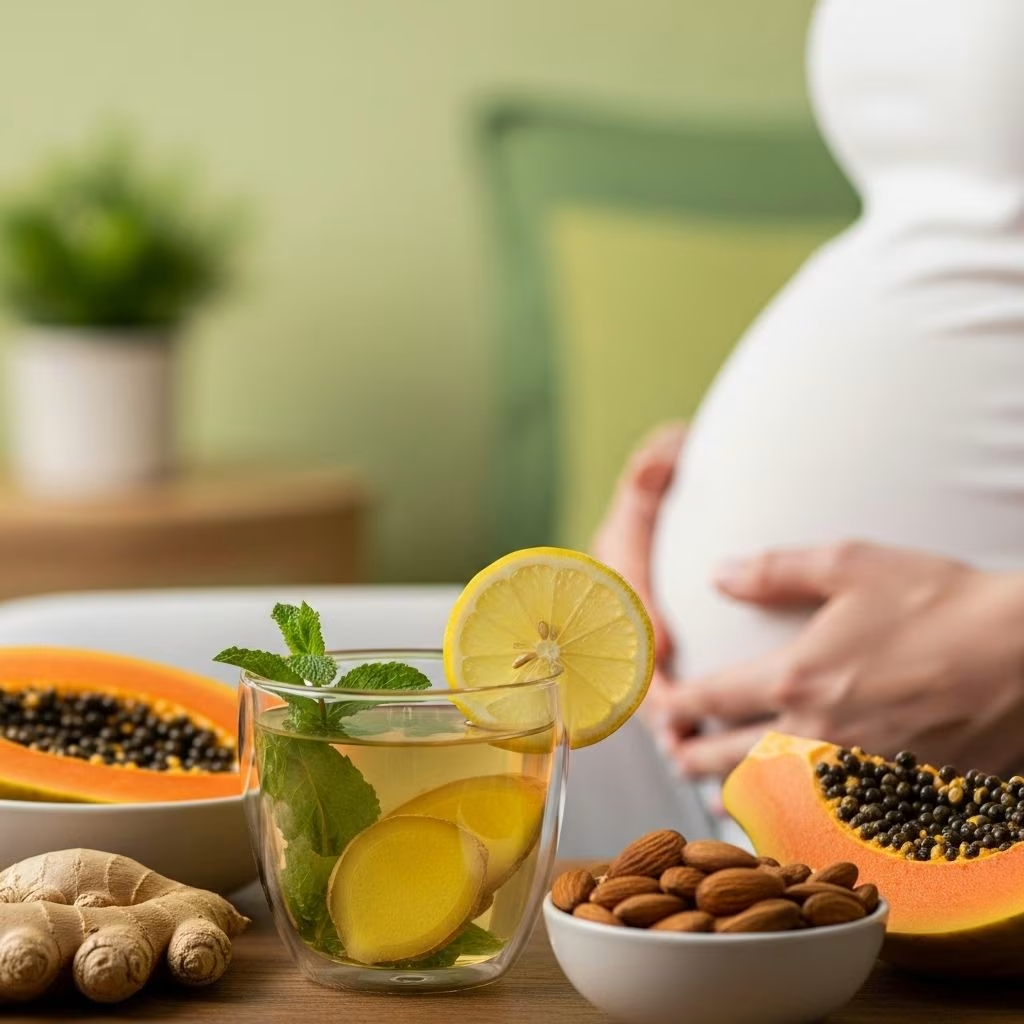
Pregnancy brings many joys, but it can also introduce new challenges, such as the unwelcome burn of heartburn and acid reflux. This article provides a comprehensive guide to understanding why heartburn is so common during pregnancy and explores a wide range of natural remedies and lifestyle adjustments to manage symptoms safely and effectively.
Understanding Heartburn During Pregnancy
Heartburn, also known as acid reflux, happens when stomach acid backs up into the esophagus, causing a burning sensation in the chest or throat. During pregnancy, this condition is especially common due to hormonal changes and the growing uterus applying pressure to the stomach. The main culprit is the hormone progesterone, which relaxes the lower esophageal sphincter (LES), making it easier for stomach acid to escape upward.
Symptoms of Pregnancy Heartburn
- Buring sensation in the chest (especially after eating or when lying down)
- A sour or acidic taste in the mouth
- Difficulty swallowing or a feeling of fullness
- Discomfort may worsen at night or after large meals
Why Is Heartburn More Common in Pregnancy?
- Hormonal changes: Elevated progesterone relaxes muscles, including the LES.
- Physical changes: The growing uterus crowds the abdomen, increasing pressure on the stomach and pushing acid upwards.
- Slower digestion: Pregnancy hormones slow the digestive process, causing food to remain in the stomach longer.
Safe, Natural Remedies for Heartburn Relief
Pharmaceutical options are sometimes restricted or discouraged during pregnancy. Fortunately, there are several natural remedies to ease heartburn symptoms:
1. Sip Water Mindfully
- Drink small sips throughout the day rather than large amounts at once, which can put pressure on your stomach and worsen heartburn.
- Avoid drinking water right before, during, or immediately after meals.
2. Eat Yogurt
- Yogurt contains healthy probiotics and a cooling texture that helps neutralize stomach acid.
- Choose plain, unsweetened yogurt for maximum benefit.
3. Try Milk with Honey
- Combine a tablespoon of honey in a glass of warm milk. Sip it slowly to ease heartburn and coat your esophagus.
- Use pasteurized milk and honey (avoid honey in children under 1 year old).
4. Snack on Almonds
- Almonds are alkaline and can help neutralize stomach acid. A small handful after meals may offer relief.
- Bonus: Almonds add protein and calcium to your pregnancy diet.
5. Pineapple and Papaya
- Both pineapple and papaya contain digestive enzymes that may assist digestion and reduce heartburn.
- Eat small amounts after meals or try chewable papaya enzyme (consult your provider first).
6. Ginger
- Ginger helps reduce inflammation and ease stomach discomfort. Try ginger tea, chews, or a small amount of grated ginger steeped in hot water.
- Use ginger in moderation—large doses can cause contractions.
7. Peppermint
- Peppermint tea or sugar-free candies may soothe mild symptoms.
- Note: For some people, peppermint can worsen reflux. Monitor your own response before regular use.
8. Coconut Water
- Coconut water is a natural acid neutralizer and hydrates the body.
- Drink one small glass a day to prevent or reduce heartburn symptoms.
9. Apple Cider Vinegar
- Add one teaspoon of raw apple cider vinegar to a glass of water and sip slowly.
- This may help balance stomach acid in some people.
10. Fennel Seeds
- Fennel tea or chewing fennel seeds may ease acid and soothe digestion.
- Use in small amounts, as excessive fennel is not recommended during pregnancy.
11. Chew Sugar-Free Gum
- Chewing gum after meals increases saliva production, which can help neutralize stomach acids and push them back down.
- Opt for sugar-free varieties to protect dental health.
12. Calcium
- Calcium is naturally found in dairy products and is also an ingredient in many over-the-counter antacids.
- Consult your provider before taking supplements.
Dietary and Lifestyle Adjustments
Alongside natural remedies, certain habits can significantly improve or worsen heartburn symptoms:
Helpful Habits
- Eat smaller, more frequent meals: Large meals put pressure on the stomach and LES.
- Eat slowly and chew thoroughly: Take time to eat and pause between bites.
- Sit upright during and after meals: Wait at least 30-60 minutes before lying down.
- Stay hydrated, but avoid drinking large quantities at once.
- Wear loose-fitting clothing: Tight clothes can increase abdominal pressure.
- Sleep with head elevated: Use extra pillows or raise the head of your bed to keep acid down while you sleep.
Foods and Behaviors to Avoid
- Spicy foods, fatty or fried foods, and heavily processed products
- Citrus fruits and juices (oranges, lemons, grapefruit)
- Tomato-based foods (pasta sauce, ketchup, pizza)
- Chocolate
- Caffeinated beverages (coffee, tea, sodas)
- Carbonated drinks
- Mint (in some individuals)
- Eating large meals, lying down immediately after eating, or bending over at the waist after meals
- Smoking and alcohol (should be avoided during pregnancy regardless)
Medical Treatments and When to See a Doctor
Most cases of heartburn during pregnancy can be controlled with natural remedies and lifestyle changes, but sometimes medical intervention is necessary:
- If heartburn is severe, persistent, or no longer responds to safe remedies, consult your OB-GYN or healthcare provider.
- Certain medications (e.g., antacids containing calcium carbonate) may be considered safe, but always check with your provider before using over-the-counter or prescription medications.
- Do not use medications containing aspirin, sodium bicarbonate, or bismuth subsalicylate (e.g., Pepto-Bismol) during pregnancy without medical supervision.
How to Prevent Heartburn During Pregnancy
Adopting these preventive strategies can help minimize heartburn flare-ups:
- Maintain a healthy, balanced diet with plenty of fresh fruits (except citrus), vegetables, and lean proteins.
- Track your food triggers in a diary and avoid known culprits.
- Eat earlier dinners and avoid late-night snacking.
- Get gentle daily exercise, like walking, to help digestion.
Myth-Busting Common Heartburn Misconceptions
- Myth: Drinking lots of water during meals always helps prevent heartburn.
Fact: Drinking large quantities during meals may increase symptoms. Sipping water between meals is more effective. - Myth: All dairy helps heartburn.
Fact: While milk and yogurt may offer temporary relief, high-fat dairy can make acid reflux worse for some people. - Myth: Only certain foods trigger heartburn.
Fact: Triggers vary; keep a food diary to spot your individual sensitivities.
Frequently Asked Questions (FAQs)
Q: Is heartburn dangerous for my pregnancy or my baby?
A: Heartburn itself is generally not harmful to your baby. It’s uncomfortable but poses no direct threat to your pregnancy. Severe or chronic symptoms should be discussed with your healthcare provider.
Q: Can I use over-the-counter antacids safely in pregnancy?
A: Some antacids (like those containing calcium carbonate) are usually considered safe, but always consult your provider first. Avoid choices with sodium bicarbonate or aspirin unless prescribed.
Q: Do herbal remedies work for pregnancy heartburn?
A: Some herbal teas, like ginger and fennel, may help. However, research is limited and some herbs can be unsafe in large amounts during pregnancy. Always check with your care provider before using herbal supplements.
Q: When should I call my doctor about heartburn?
A: Contact your healthcare provider if you experience severe pain, difficulty swallowing, weight loss, persistent vomiting, or if symptoms do not improve with diet and lifestyle changes.
Q: Will heartburn go away after I deliver my baby?
A: For most women, heartburn resolves soon after delivery as hormone levels stabilize and the baby’s pressure on the stomach disappears.
Summary Table: Fast Natural Heartburn Remedies for Pregnancy
| Remedy | How It Helps | Notes |
|---|---|---|
| Yogurt | Soothes and neutralizes stomach acid | Choose plain, low-fat varieties |
| Milk + Honey | Soothes esophagus, neutralizes acid | Warm milk works best |
| Almonds | Neutralize acid | Eat as a snack post-meal |
| Coconut Water | Balances pH, hydrates | Opt for pure coconut water |
| Pineapple/Papaya | Digestive enzymes help break down food | Eat in moderation |
| Ginger | Reduces inflammation, calms stomach | Moderation is key |
| Sugar-Free Gum | Boosts saliva to neutralize acid | Chew 30 min after meals |
| Fennel Seeds | Soothes digestion, reduces acid | Use fennel tea or chew seeds |
| Apple Cider Vinegar | Helps regulate stomach acid | Dilute in water |
Final Thoughts
Managing heartburn during pregnancy is possible with practical, natural solutions. Listen to your body, make mindful dietary and lifestyle changes, and partner with your healthcare provider for a personalized approach—so you can focus more on joyful moments and less on digestive discomfort.
References
- https://www.baptisthealth.com/blog/mother-and-baby-care/heartburn-during-pregnancy-causes-natural-remedies-future-prevention
- https://intermountainhealthcare.org/blogs/pregnancy-heartburn-7-ways-to-get-relief
- https://obgynmiamifl.com/posts/natural-pregnancy-heartburn-remedies/
- https://www.webmd.com/heartburn-gerd/home-heartburn-remedies-natural-remedies-heartburn
- https://my.clevelandclinic.org/health/diseases/12011-heartburn-during-pregnancy
- https://www.nhs.uk/pregnancy/related-conditions/common-symptoms/indigestion-and-heartburn/
- https://www.bswhealth.com/blog/7-natural-remedies-for-acid-reflux
- https://www.enfamil.com/articles/pregnancy-heartburn-prevention-relief/
- https://www.health.state.mn.us/docs/people/wic/nutrition/english/pgheartburn.pdf


