


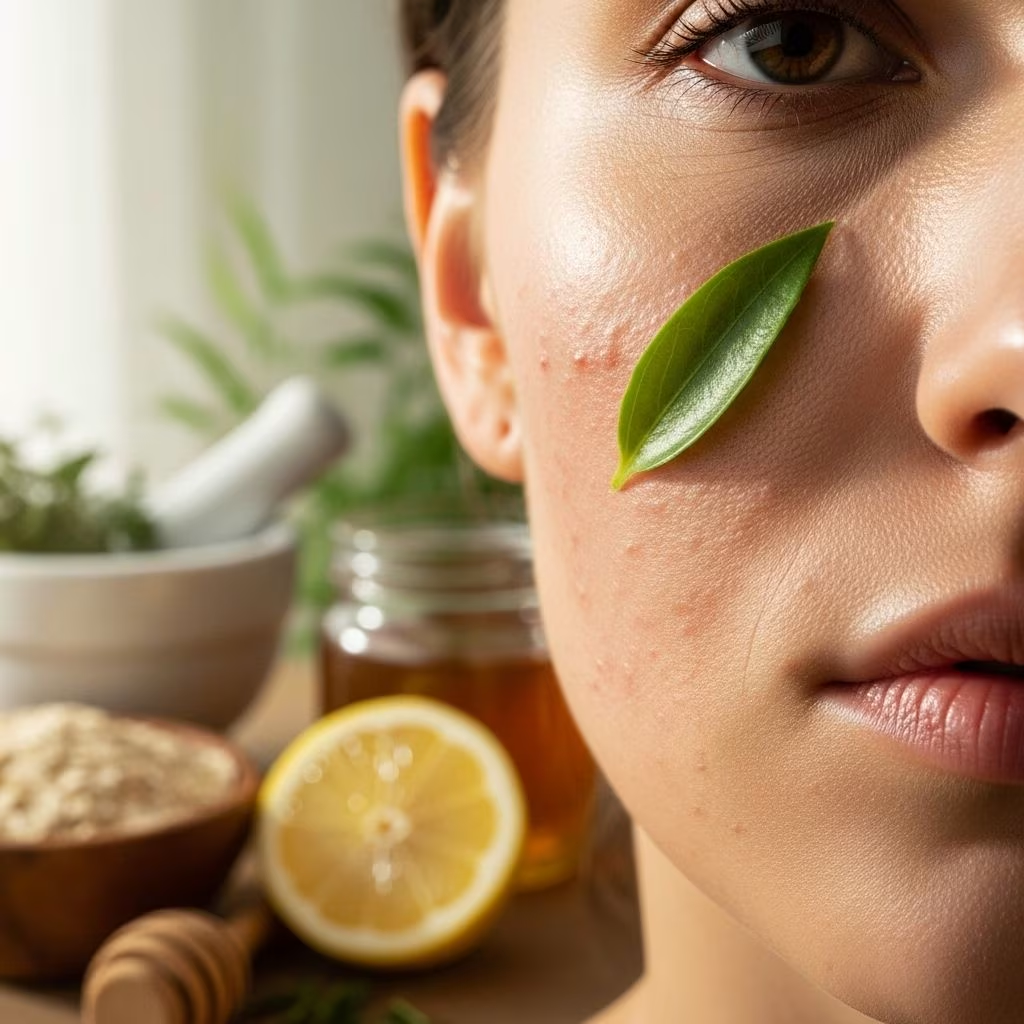
Fading the Past: Natural Remedies for Acne Scars
Acne, while often seen as a temporary teenage skin concern, can leave behind lasting reminders in the form of scars. These marks, which can be both physical and emotional, often prompt people to search for safe and effective ways to fade them. While medical treatments exist, there is a rising interest in gentle, natural remedies for tackling acne scars and supporting overall skin health. This comprehensive guide presents the most trusted nature-inspired solutions, how they work, ways to apply them, and lifestyle strategies for lasting results.
Understanding Acne Scars: Formation and Types
Before exploring remedies, it’s crucial to understand how acne scars form and the different kinds:
- Atrophic Scars: Sunken or indented scars caused by collagen loss during healing (e.g., ice pick, boxcar, rolling scars).
- Hypertrophic & Keloid Scars: Raised scars where too much collagen is produced in response to skin damage.
The skin attempts to heal after inflammation from acne by producing collagen. However, if this process is disrupted, uneven skin texture and discoloration can occur, often lingering long after acne has cleared.
Why Choose Natural Remedies?
- Gentle on Skin: Less risk of irritation or adverse reactions compared to harsh chemicals.
- Accessible and Affordable: Most ingredients are kitchen staples or easy to find at local stores.
- Holistic Benefits: Many natural remedies offer additional nourishment, promoting overall health and radiance.
Natural remedies can be especially valuable for sensitive skin or for those wanting to complement clinical treatments with supportive care.
Top Natural Remedies for Fading Acne Scars
Aloe Vera
Aloe vera is renowned for its soothing, healing, and anti-inflammatory properties. Studies have shown that it reduces scar tissue formation and inflammation, promotes skin regeneration, and hydrates dry skin.
- How to use: Cut a fresh aloe leaf and extract the gel, apply it directly to scars, leave for 30 minutes, rinse, and repeat twice daily.
- Benefits: Reduces redness, supports collagen production, and helps fade hyperpigmentation.
Honey
Honey is a natural humectant and has antimicrobial properties, making it useful for both wound healing and minimizing scars. It can be used alone or mixed with other ingredients.
- How to use: Spread raw honey on scars, leave for 20-30 minutes, then rinse. Alternatively, create a honey mask mixed with other natural ingredients.
- Benefits: Supports cell renewal, fights infection, and softens scar tissue.
Rosehip Seed Oil
Rosehip seed oil, rich in essential fatty acids and vitamin A, is clinically shown to illuminate skin and fade pigmentation. Its anti-aging and scar-reducing effects are well documented.
- How to use: Massage a few drops into affected areas twice daily.
- Benefits: Enhances skin cell renewal, reduces hyperpigmentation, smoothes texture.
Black Seed Oil (Nigella sativa)
Black seed oil has potent anti-inflammatory, antibacterial, and wound-healing properties. Studies suggest it can improve pigmentation and prevent new acne formation.
- How to use: Apply a small amount to scars, massage gently, and leave overnight.
- Benefits: Eases redness, reduces swelling, and improves skin tone.
Coconut Oil
Rich in vitamin E and fatty acids, coconut oil encourages skin repair and deep moisture while fighting bacteria.
- How to use: Gently massage organic coconut oil onto scars daily.
- Benefits: Softens scar tissue and hydrates skin.
Olive Oil
Olive oil is loaded with vitamins A, E, and C essential for skin health. It brightens, nourishes, and supports healing.
- How to use: Massage pure olive oil onto scars nightly for best results.
- Benefits: Amplifies regeneration and improves skin glow.
Lemon Juice
Lemon juice contains natural alpha hydroxy acids (AHAs) that exfoliate and brighten skin, fading dark spots—but caution is needed due to its acidity.
- How to use: Dab freshly squeezed lemon juice on scars, let sit 10-15 min, rinse, use sun protection afterward.
- Benefits: Lightens discoloration and smooths skin texture.
Shea Butter
Shea butter acts as a natural moisturizer, nurturing damaged skin and reducing scars over time.
- How to use: Apply pure shea butter to scars and massage twice daily.
- Benefits: Deeply hydrates and promotes elasticity.
Baking Soda
Baking soda is an exfoliant that can aid in scar reduction, but should be used with care to avoid irritation.
- How to use: Mix a small amount with water to create a paste, gently rub on scars, rinse after a few minutes.
- Benefits: Removes dead skin cells, smooths texture.
Turmeric
Turmeric possesses anti-inflammatory and antioxidant properties. When combined as a mask, it calms redness and helps lighten marks.
- How to use: Blend turmeric powder with honey or yogurt for a paste. Apply to scars for 15-20 minutes, rinse thoroughly.
- Benefits: Fosters healing and balances skin tone.
Apple Cider Vinegar
Apple cider vinegar can be diluted and used as a gentle exfoliant and toner thanks to its acetic acid and antibacterial effects.
- How to use: Mix with water (1:3 ratio), dab onto scars, leave a few minutes, rinse, and moisturize.
- Benefits: Fades marks, balances pH, combats bacteria.
Lifestyle Changes to Boost Skin Healing
Natural remedies work best when combined with lifestyle choices that support skin recovery and resilience.
- Stay Hydrated: Drink plenty of water to keep skin supple and assist repair.
- Balanced Diet: Focus on antioxidant-rich fruits and vegetables, omega-3 fatty acids, and vitamins A, C, and E.
- Sun Protection: Use non-comedogenic sunscreen daily; sun exposure can worsen scar appearance.
- Gentle Skin Care: Avoid harsh exfoliants and irritating products. Use fragrance-free, natural cleansers.
- Don’t Pick or Squeeze: Interfering with healing skin increases the risk of permanent scarring.
Combining Remedies for Better Results
Many people find enhanced results by blending several natural remedies in a routine. For instance:
- Start the day with a gentle cleanser, followed by aloe vera gel and sun protection.
- At night, use rosehip seed oil, then apply honey or a turmeric mask twice weekly to support healing.
- Hydrate throughout the day and apply coconut or olive oil to lock in moisture.
Monitor for sensitivity, especially if your skin is prone to irritation. Always patch test new remedies before widespread use.
Medical and Cosmetic Procedures: When to Consider Them
While natural remedies can deliver meaningful improvement, stubborn or severe acne scars might require professional intervention.
- Dermabrasion and microneedling can stimulate collagen and flatten scars.
- Chemical peels and phototherapy (laser treatments) target deeper layers and pigmentation.
- Consult a dermatologist for tailored advice before starting any new treatment.
Precautions and Safety Tips for Natural Acne Scar Remedies
- Patch Test: Always try a small amount on your skin before broader application.
- Sun Sensitivity: Ingredients like lemon juice and apple cider vinegar can increase sun sensitivity; use sunscreen afterward.
- Consult Your Doctor: If you have persistent or worsening scars, seek medical advice for the safest approach.
- Avoid Harsh Scrubbing: Over-exfoliating can lead to more irritation and delayed healing.
Frequently Asked Questions (FAQs)
Q: Can natural remedies completely remove deep acne scars?
While natural remedies can significantly fade many types of scars and improve skin texture, deep atrophic or keloid scars may require professional treatments for complete removal.
Q: How long does it take to see results?
With consistent use and the right combination of remedies, noticeable improvement may occur within a few weeks to a few months, depending on your skin’s healing capacity and the severity of the scars.
Q: Can I use multiple remedies together?
Yes, but introduce one remedy at a time to monitor reactions. Combining complementary remedies like aloe vera and rosehip seed oil can boost benefits without increasing risk.
Q: Are there any ingredients I should avoid for acne scar treatment?
Avoid highly acidic substances, strong exfoliants, or harsh chemicals that can damage skin further. Stick with gentle, nourishing natural ingredients.
Q: Can diet help in fading acne scars?
A diet rich in antioxidants, healthy fats, and vitamins supports skin healing and may expedite fading of acne scars. Hydration is equally important.
Summary Table: Popular Natural Remedies for Acne Scars
| Remedy | Main Benefits | Frequency/Use | Safety Considerations |
|---|---|---|---|
| Aloe Vera | Hydrates, heals, reduces redness | Twice daily | Patch test |
| Honey | Antibacterial, softens, supports healing | Daily or as mask | Check for allergies |
| Rosehip Seed Oil | Regenerates, fades pigmentation | Twice daily | Patch test |
| Lemon Juice | Brightens, exfoliates | 2-3 times weekly | Use sunscreen after |
| Turmeric | Anti-inflammatory, evens skin tone | As mask, 2-3/week | Avoid stains on skin |
Conclusion
Acne scars—while a reminder of past skin challenges—need not be permanent. From the soothing touch of aloe vera to the regenerative power of rosehip seed oil and honey, nature offers powerful tools for scar care. For best results, adopt a routine grounded in both consistent application of remedies and healthy lifestyle choices. Remember, patience and persistence are key, and beautiful, clear skin is always within reach.
References
- https://qaziclinic.com/resources/naturally-remove-acne-scars/
- https://www.healthline.com/health/beauty-skin-care/natural-products-for-acne-scars
- https://www.venustreatments.com/en-za/blog/5-home-remedies-to-improve-the-appearance-of-acne-scars/
- https://sedermatologyspecialists.com/acne-scarring-finding-the-best-remedies/
- https://www.medicalnewstoday.com/articles/324784
- https://www.bestimpressionmedspa.com/blog/5-natural-products-that-can-lessen-the-appearance-of-acne-scars
- https://www.sprsi.com/blog/8-natural-remedies-scar-removal/
- https://lionpose.com/blogs/dermatologists/7-natural-remedies-backed-by-science-for-treating-acne-scars-lion-pose


