


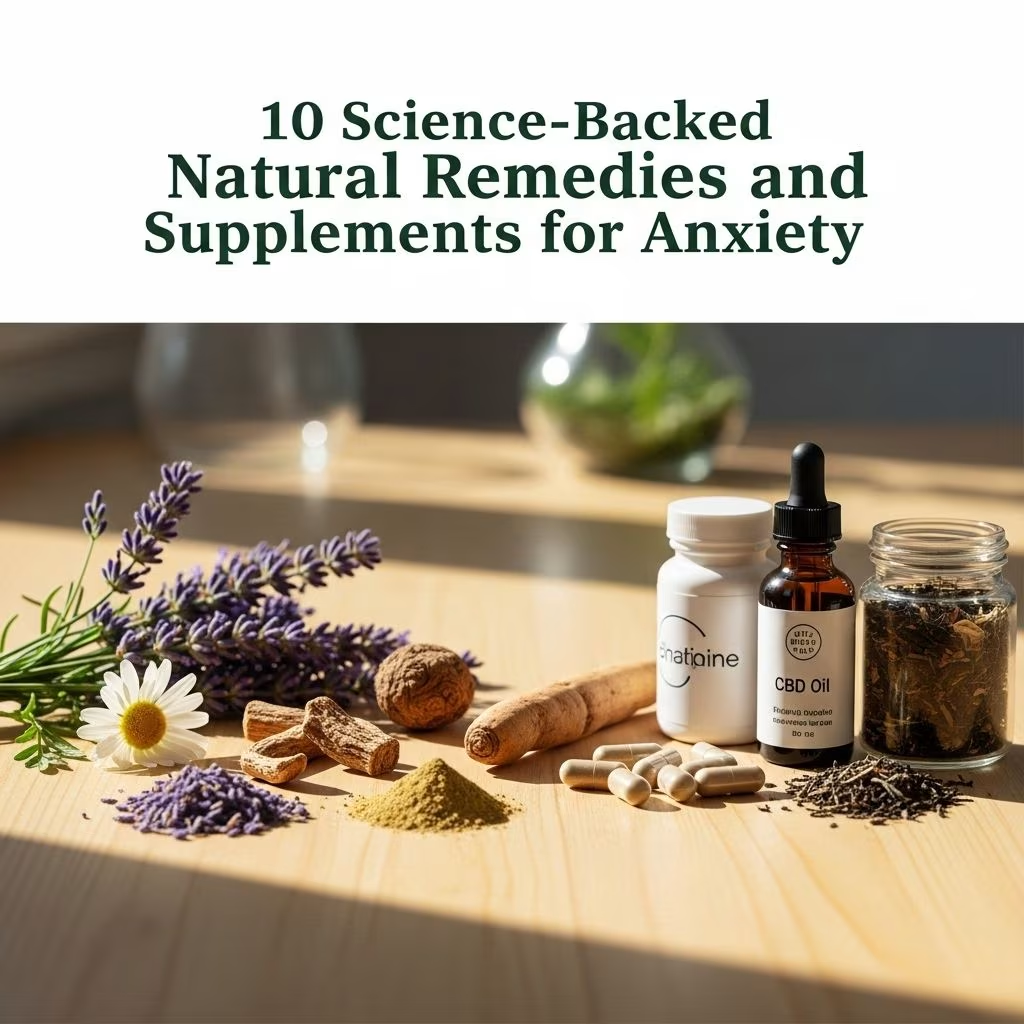
10 Natural Remedies and Supplements Proven by Science to Help Treat Anxiety
Anxiety disorders affect millions worldwide, leading many to seek natural remedies and supplements alongside, or instead of, conventional treatments. Recent research highlights a range of herbal, nutritional, and lifestyle strategies with potential to ease anxiety symptoms with minimal side effects. This article explores ten such science-backed options, providing essential information on their efficacy, safety, and how to use them wisely.
Introduction: Understanding Anxiety and Natural Remedies
Anxiety disorders are among the most common mental health conditions globally. While traditional treatments like medication and psychotherapy remain essential, there is a growing movement toward natural remedies and supplements that may provide additional relief or serve as alternatives for some individuals. Scientific studies increasingly support the efficacy of certain herbal extracts, nutrients, and mind-body practices in managing mild to moderate anxiety, often with fewer side effects than pharmaceuticals. However, it is crucial to note that while promising, these solutions are not always appropriate for everyone and should be used with consideration and ideally guidance from healthcare practitioners.
1. Valerian Root
Valerian root is an herbal remedy historically used for insomnia, but it has also shown potential in relieving symptoms of anxiety. The active compounds in valerian interact with GABA receptors in the brain, a neurotransmitter responsible for calming nervous activity.
- Evidence: Randomized controlled trials suggest valerian may promote relaxation and mildly reduce anxiety, though results are sometimes mixed, potentially due to small study sizes and variations in dosing.
- Typical dosage: 300–600 mg of valerian root extract, usually taken before bedtime.
- Possible side effects: Drowsiness, headache, and digestive issues. Should not be combined with sedative medications unless directed by a physician.
2. Passionflower
Passionflower (Passiflora incarnata) has been used as a natural tranquilizer and is gaining attention for its anxiolytic effects. Passionflower’s active compounds appear to boost GABA in the brain, reducing neuron activity related to anxiety.
- Clinical research: Multiple randomized controlled trials demonstrate passionflower’s effectiveness in lowering anxiety symptoms, with mild side effects reported in most cases.
- Forms & dosage: Typically taken as a capsule (250–500 mg), tincture, or tea.
- Considerations: Can cause drowsiness and interact with prescription sedatives. Not recommended for pregnant or breastfeeding women without medical advice.
3. Kava
Kava (Piper methysticum) is a plant native to the South Pacific and has been used for centuries as a ceremonial drink to promote relaxation and sociability. Its psychoactive compounds, known as kavalactones, are believed to ease anxiety by affecting various neurotransmitter pathways, including GABA and dopamine.
- Scientific findings: Multiple human studies, including placebo-controlled trials, have found kava extract to be effective for short-term management of mild to moderate anxiety—sometimes comparable to pharmaceutical options—though efficacy may depend on preparation method and quality.
- Dose: Typically between 70–250 mg kavalactones daily, divided into two or three doses.
- Risks: There have been reports of serious liver toxicity with some kava preparations, leading certain countries to ban or restrict supplements. Avoid if you have liver disease, and never combine with alcohol or other hepatotoxic drugs.
4. Ashwagandha
Ashwagandha (Withania somnifera) is considered an adaptogen—a natural compound that helps the body resist stress. It is widely used in traditional Ayurvedic medicine to boost energy and modulate stress hormones, especially cortisol.
- Research support: High-quality studies show that ashwagandha extract can significantly improve anxiety and stress scale scores in adults, possibly by reducing cortisol and supporting nervous system resilience.
- Suggested dosage: 500–1,000 mg standardized extract per day, divided into two doses.
- Precautions: Large doses can lead to gastrointestinal upset and drowsiness. Check with your doctor before combining with sedatives, thyroid medication, or if pregnant.
5. Magnesium
Magnesium is a vital mineral involved in hundreds of physiological reactions, including calming nerve signals. Low magnesium levels are associated with heightened anxiety and stress.
- Clinical evidence: Controlled trials and reviews indicate that magnesium supplementation can improve subjective anxiety in both healthy individuals and those with elevated stress or subclinical anxiety. It is especially effective in combination with vitamin B6.
- Recommended intake: 200–400 mg daily, ideally as magnesium glycinate or citrate for best absorption.
- Adverse effects: Large doses may cause diarrhea and abdominal discomfort. Kidney patients should use magnesium supplements only under medical supervision.
6. Lemon Balm
Lemon balm (Melissa officinalis) is a fragrant herb traditionally used to calm nerves and improve mood. Modern research supports its mild sedative and anti-anxiety effects, especially when paired with valerian or other calming herbs.
- Human studies: Short-term trials show that lemon balm, alone or in combination with valerian, can reduce anxiety and nervousness, particularly in stressful situations.
- Dosage: Common doses are 300–600 mg, up to three times daily, or as a tea made from dried leaves.
- Possible interactions: May amplify the effects of sedatives. High doses can cause nausea or increased anxiety in rare cases.
7. L-Theanine
L-Theanine is an amino acid primarily found in green tea that promotes alpha brain wave activity, linked to a relaxed yet alert mental state.
- Scientific backing: Several placebo‐controlled studies have found that 200–400 mg of L-theanine daily can decrease self‐reported stress and anxiety levels, and may prevent rises in heart rate and blood pressure in response to stress.
- How to take: 100–200 mg L-theanine as a supplement or by drinking high-quality green tea.
- Safety: Well-tolerated at suggested doses, with rare adverse effects.
8. Omega-3 Fatty Acids
Omega-3 fatty acids (EPA and DHA, found in fish oil) are integral for brain health. Emerging evidence links omega-3 supplementation to reduced symptoms of anxiety and improved resilience against stress-related disorders.
- Study results: Meta-analyses of randomized controlled trials show supplementation with omega-3s can reduce anxiety, especially at doses exceeding 2,000 mg EPA+DHA per day.
- Sources: Fatty fish such as salmon and sardines, or fish oil/algal oil supplements.
- Side effects: Fishy aftertaste, rare stomach upset, and at high doses, increased risk of bleeding; consult your physician if on anticoagulants.
9. Chamomile
Chamomile (Matricaria chamomilla) is renowned for its calming effects and has been validated in clinical studies for mild to moderate anxiety, particularly in the form of extract or tea.
- Clinical trials: Studies involving chamomile extracts have shown significant improvements in Generalized Anxiety Disorder (GAD) symptoms relative to placebo, with very mild side effects.
- Dosing: Standardized extracts (200–400 mg) or infusions of dried flowers (2–3 grams per cup, steeped for 10 minutes).
- Safety: Generally safe but can cause allergic reactions in individuals sensitive to plants in the daisy family.
10. Probiotics
Probiotics are beneficial gut bacteria that have recently entered the field of mental health due to the profound influence of the gut-brain axis on mood. Some strains of probiotics are linked to lower anxiety scores in clinical populations.
- Evidence: Randomized controlled trials indicate daily probiotic supplementation may reduce symptoms of neural inflammation and anxiety in some individuals.
- Supplementation: Seek multi-strain formulations with evidence for mental health benefits, or consume fermented foods like yogurt, kefir, and kimchi.
- Side effects: Initial bloating or changes in bowel habits, usually mild and transient.
Bonus: Lifestyle Strategies for Anxiety Relief
Beyond supplements and herbal remedies, several lifestyle adjustments have evidence-based potential to ease anxiety. Consider these approaches as integral, not alternative, to a holistic mental health plan:
- Regular physical activity: Exercise increases brain endorphins and enhances stress resilience.
- Mindfulness and meditation: Practices such as mindful breathing, yoga, and guided imagery can significantly lower anxiety symptoms over time.
- Sleep hygiene: Ensuring adequate, quality sleep is essential, as poor sleep can worsen anxiety.
- Nutrition: Eating a well-balanced diet, rich in vegetables, lean proteins, healthy fats, and whole grains, supports brain chemistry and mental health.
- Social connection: Maintaining supportive relationships lowers anxiety and promotes emotional well-being.
Table: Comparison of Science-Backed Natural Remedies for Anxiety
| Remedy | Main Benefit | Usual Dosage | Main Precaution |
|---|---|---|---|
| Valerian Root | Promotes calm, aids sleep | 300–600 mg | Drowsiness; don’t combine with sedatives |
| Passionflower | Reduces anxiety, mild sedation | 250–500 mg | Drowsiness; caution in pregnancy |
| Kava | Fast-acting anxiety relief | 70–250 mg kavalactones | Liver toxicity risk; avoid with alcohol |
| Ashwagandha | Stress/adaptogen | 500–1,000 mg | GI upset; check for drug interactions |
| Magnesium | Calms nerves/muscles | 200–400 mg | Diarrhea at high doses |
| Lemon Balm | Mood enhancer, mild relaxant | 300–600 mg | Drowsiness, rare nausea |
| L-Theanine | Promotes calm alertness | 100–200 mg | Rare side effects |
| Omega-3 Fatty Acids | Brain health & anxiety | ≥2,000 mg EPA+DHA | Possible bleeding risk |
| Chamomile | Soothes anxiety, aids sleep | 200–400 mg | Allergy risk (daisy family) |
| Probiotics | Supports gut-mood balance | Multi-strain per label | GI changes initially |
Frequently Asked Questions (FAQs)
Q: Are natural remedies as effective as prescription anxiety medications?
A: While several natural remedies show significant benefits for mild to moderate anxiety, their efficacy for severe conditions is less established. Prescription medications may be necessary for serious cases. Always consult a healthcare provider before making changes to your treatment plan.
Q: Are these supplements safe for long-term use?
A: Most supplements discussed have good safety profiles with short-term use, but long-term safety data is often lacking for herbal remedies like kava and valerian. Consult your doctor before prolonged use, especially if you have existing health conditions.
Q: Can these remedies be combined with conventional medications?
A: Some supplements, such as kava, valerian, and lemon balm, interact with sedatives and antidepressants, potentially causing excessive drowsiness or other side effects. Discuss all supplement use with your healthcare provider to avoid harmful interactions.
Q: Are there natural remedies to avoid?
A: Some herbal remedies may not be safe for everyone (such as kava in those with liver concerns). Also, avoid self-prescribing herbal blends that lack clear scientific backing. If in doubt, discuss options with a medical professional familiar with integrative care.
Q: How soon will I see results with these natural remedies?
A: Some supplements provide fast relief (e.g., Kava, L-theanine), while others may take days to weeks to reach full efficacy (e.g., omega-3s, probiotics, ashwagandha). Consistency and proper dosing are key for best results.
Final Notes: Consult a Healthcare Professional
While natural remedies and supplements offer hope for those seeking alternative or complementary approaches to manage anxiety, they are not a replacement for medical evaluation or treatment in moderate to severe cases. Individuals should consult a qualified healthcare provider before beginning any new supplement or herbal therapy, especially if they are taking prescription medications, have chronic health conditions, or are pregnant or breastfeeding. Used wisely and with appropriate guidance, these science-backed natural strategies can be valuable tools in the broader fight against anxiety.
References
- https://pmc.ncbi.nlm.nih.gov/articles/PMC2959081/
- https://www.mayoclinic.org/diseases-conditions/generalized-anxiety-disorder/expert-answers/herbal-treatment-for-anxiety/faq-20057945
- https://pubmed.ncbi.nlm.nih.gov/35378276/
- https://www.health.harvard.edu/blog/nutritional-strategies-to-ease-anxiety-201604139441
- https://www.aafp.org/pubs/afp/issues/2007/0815/p549.html
- https://www.ebsco.com/research-starters/complementary-and-alternative-medicine/natural-treatments-anxiety-and-panic
- https://onlinelibrary.wiley.com/doi/10.1155/agm3/3675425
- https://www.jeffersonhealth.org/your-health/living-well/8-supplements-that-can-help-reduce-anxiety-according-to-a-psych


