


Amish Natural Remedies: Timeless Healing Traditions for Modern Life
The Amish are well known for their simple lifestyle, strong sense of community, and enduring connection with the land. For centuries, their approach to health has relied on nature’s pharmacy—drawing upon the wisdom of herbal remedies, practical home treatments, and holistic routines that emphasize prevention, resilience, and self-sufficiency. In a world increasingly concerned with chemicals and synthetic treatments, many look to Amish traditions for safe, effective ways to care for body and mind.
Why Trust Amish Remedies?
Natural healing is woven into the fabric of Amish daily life. Rooted in Old World knowledge and careful observation of the natural world, these remedies emphasize:
- Simplicity: Ingredients come from the garden, pantry, or fields—easily identifiable and often grown at home.
- Practicality: Directions are clear, and remedies are designed to be effective without fuss or expensive equipment.
- Prevention: A healthy diet, moderate labor, rest, and fresh air are as important as specific treatments.
- Self-reliance: Knowledge is passed down, empowering families to manage common ailments or discomforts without dependence on pharmaceuticals.
Foundations of Amish Herbal Medicine
Amish communities carry forward a rich legacy of plant-based wisdom. Every family maintains a home apothecary stocked with dried herbs, essential oils, and accessible preparations like tinctures, teas, salves, and poultices. Here’s how the Amish tradition approaches herbal remedies:
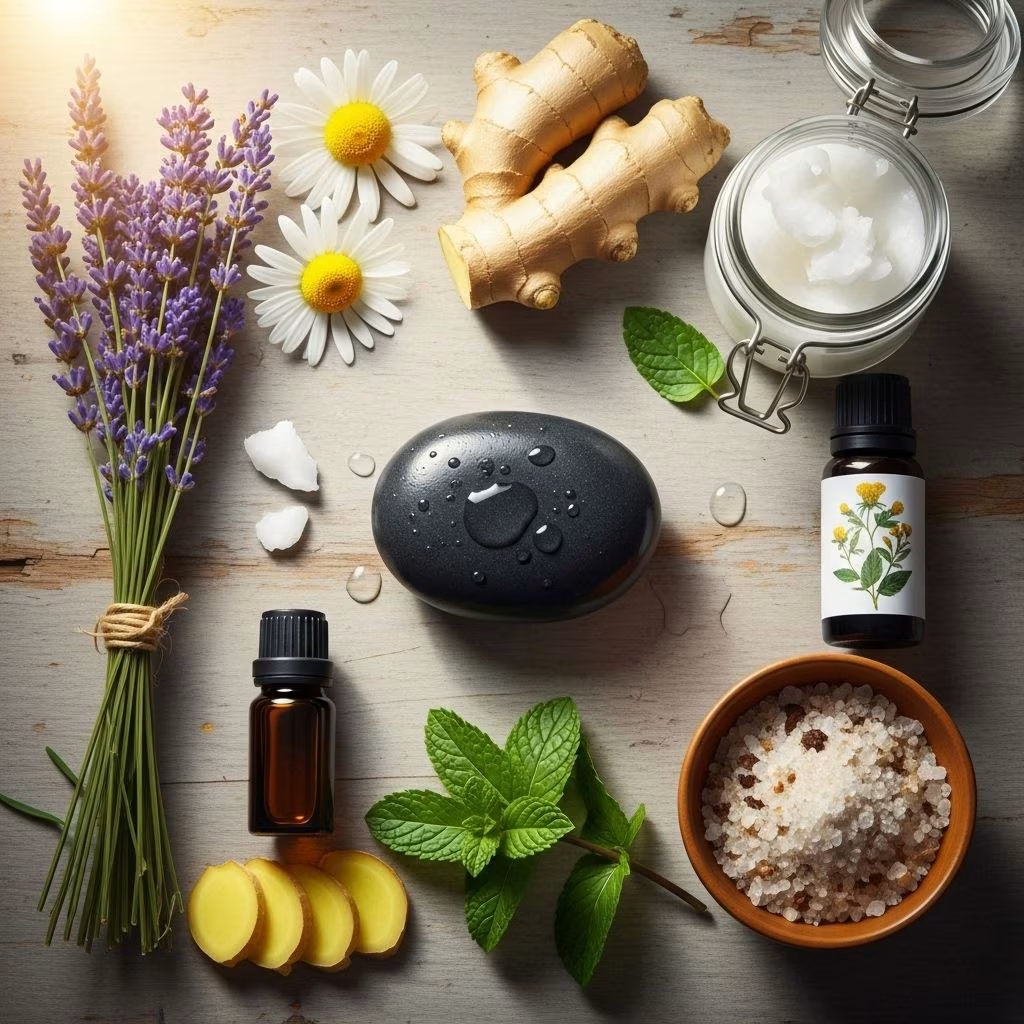
- Common Herbs – Such as peppermint, echinacea, sage, chamomile, ginger, and comfrey are staples. Each plays a role in soothing digestive issues, enhancing immunity, calming nerves, or easing muscle aches.
- Teas and Infusions – Warm infusions made from fresh or dried herbs provide gentle support for sleep troubles, colds, and upset stomachs.
- Salves and Ointments – Blended from beeswax, oils, and medicinal herbs like calendula or plantain, these soothe wounds, scratches, and minor burns.
Key Benefits of Amish Remedies
- Minimal side effects compared to many pharmaceuticals.
- Cultivate self-reliance and reduce dependence on external sources for every small ailment.
- Promote a holistic view of health—body, mind, environment.
Mainstay Remedies: Time-Honored Amish Treatments
Let’s explore some classic remedies and their everyday uses:
1. Apple Cider Vinegar
A staple in every Amish kitchen, apple cider vinegar is valued for its versatility. It is used for:
- Digestive Upsets: A tablespoon in water helps soothe mild indigestion or acid reflux.
- Soothing Sore Throats: Gargling with diluted vinegar and honey is a popular folk remedy for throat discomfort.
- Antiseptic Cleaning: Used as a natural cleaner for surfaces, wounds, and even fruit and vegetable rinses.
2. Honey and Raw Garlic
Few combinations are as powerful in Amish medicine as raw honey and garlic. They are prepared together to support:
- Immunity: Honey’s enzymes and garlic’s allicin boost natural defenses, especially in cold and flu season.
- Cough Syrup: Mixing chopped garlic with honey creates a simple syrup for soothing coughs and sore throats.
- Topical Antibacterial: Combined, they make a gentle dressing for minor cuts and scrapes.
3. Herbal Teas for Calm and Digestion
Herbal teas are a part of daily life, offering gentle relief for a variety of common issues:
- Chamomile or Lemon Balm: For bedtime relaxation and calming anxious minds.
- Peppermint or Ginger Root: To settle upset stomachs, relieve nausea, and encourage digestion after heavy meals.
- Sage: Used as a gargle for sore throats or as a comforting warm tea to fight respiratory congestion.
4. Mustard Plasters and Poultices
For centuries, the Amish have relied on simple poultices to ease aches, pains, and respiratory complaints. One favorite method is the mustard plaster:
- Muscle Pain and Chest Congestion: A mixture of mustard powder, flour, and water is spread on cloth and placed on the chest or back to stimulate circulation and open airways.
- Safety Tip: Never apply mustard plasters for more than 20 minutes, as they can irritate the skin if left too long.
5. Onion Syrup and Compresses
Onions are believed to draw toxins, reduce swelling, and break up congestion:
- Onion Syrup: Sliced onions layered with sugar or honey are left to macerate, producing a syrup to calm coughs.
- Onion Poultices: Warmed chopped onion in a cloth compress placed on the chest can relieve congestion.
6. Epsom Salts and Herbal Soaks
The simple act of soaking one’s feet or entire body in warm water infused with Epsom salts and herbs like lavender or rosemary is a cherished Amish ritual:
- Soothing Sore Muscles: The minerals in Epsom salts relax tension and shorten recovery time after long hours of work.
- Promoting Sleep: An Epsom salt foot soak before bed is a gentle way to ease into relaxation and deep rest.
DIY Preparations: Making Your Own Amish Remedies
The heart of Amish self-care rests on being able to prepare remedies at home when needed. Here are some classic DIY approaches:
Simple Herbal Salve Recipe
- Melt 1 cup of olive oil with 1/4 cup of beeswax over low heat.
- Add 2 tablespoons of dried calendula, plantain, or comfrey leaves. Let the herbs infuse for 30 minutes, then strain.
- Pour into small tins and allow to cool. Use for minor cuts, scrapes, or dry skin.
Herbal Tea Blends for Common Ailments
| Condition | Herb(s) Used | Preparation |
|---|---|---|
| Indigestion, Nausea | Peppermint, Ginger | Steep 1 tsp dried herb in 8 oz hot water for 10 minutes. Drink warm. |
| Respiratory Congestion | Sage, Thyme | Steep 1 tsp dried sage or thyme in hot water. Inhale steam while cooling, sip as tea. |
| Sleep and Calming | Chamomile, Lemon Balm | Prepare as above. Drink in the evening. |
| Immune Support | Echinacea, Elderberry | Add to hot water, let infuse for strong herbal support at the start of colds. |
Natural Cleaning Solutions
- All-Purpose Cleaner: Mix equal parts apple cider vinegar and water with a few drops of lemon essential oil—safe for most surfaces and naturally antibacterial.
- Antibacterial Spray: Combine a ratio of 2:1 water to vodka with a few drops of tea tree oil.
Everyday Ailments and Amish Home Cures
The appeal of Amish remedies lies in their focus on everyday needs. Generations have used these approaches for common complaints:
- Headache Relief: Peppermint oil massaged into the temples, combined with rest in a dark room.
- Minor Burns and Sunburn: Fresh aloe vera gel or a poultice of grated raw potato for cooling and healing effects.
- Insect Bites: A dab of baking soda paste or a slice of fresh onion over the bite reduces swelling and itching.
- Muscle Strain: Epsom salt baths and gentle massage with herbal-infused oils.
Prevention: The Cornerstone of Amish Health
Beyond treating symptoms, Amish wellness is deeply proactive. Preventive habits include:
- Wholesome Diet: Meals centered around garden-grown vegetables, fruits, whole grains, and naturally raised meats.
- Physical Activity: Consistent, purposeful work—daily chores, gardening, and animal care keep the body strong.
- Restful Sleep: Commitment to sunrise-to-sunset rhythms and early bedtimes support restorative rest.
- Fresh Air: Ample time outdoors fosters circulation, resilience, and emotional peace.
Amish Skin and Personal Care Solutions
Beauty and hygiene are addressed with the same simple, effective ingredients:
- Soap Making: Homemade lye and tallow or vegetable oil soap bars are gentler and more nourishing than many commercial options.
- Skin Balms: Beeswax, coconut oil, and soothing herbs create rich moisturizers for chapped lips, hands, and feet.
- Herbal Hair Rinses: Apple cider vinegar infusions with rosemary or nettle enhance shine and scalp health.
Building Your Own Home Apothecary
Anyone can start an Amish-inspired home remedy kit with a few essential items:
- Dried herbs (chamomile, peppermint, sage, plantain, calendula)
- Raw honey and apple cider vinegar
- Beeswax and natural oils (olive, coconut, almond)
- Epsom salts, baking soda, pure essential oils (lavender, tea tree)
- A small mortar and pestle, cheesecloth, and glass jars for storage
Frequently Asked Questions (FAQs)
Q: Are Amish natural remedies safe for everyone?
A: Most remedies use gentle, food-based ingredients, but always patch test herbs and avoid known allergens. People with chronic health conditions or on medication should consult a healthcare provider before starting new herbal regimes.
Q: Can these remedies replace a doctor’s care?
A: Amish remedies are best for minor ailments or preventive care. Persistent, worsening, or severe symptoms should always be evaluated by a medical professional.
Q: Where can I find the herbs and ingredients mentioned?
A: Many can be grown in a home garden or sourced from local markets, bulk herb suppliers, or health food stores. Choose organic when possible to avoid pesticide residue.
Q: How are these remedies passed down in Amish culture?
A: Most knowledge is shared orally within families or small communities. Some communities have created written collections or guides to preserve recipes for future generations.
Q: What makes Amish remedies unique compared to other herbal traditions?
A: Amish traditions emphasize hands-on involvement, simplicity, locally available ingredients, and deep respect for seasonal cycles and community wisdom.
Embracing Amish Wisdom for Contemporary Living
Adopting Amish natural remedies means more than swapping products: it’s about restoring trust in nature, reviving self-sufficiency, and cultivating calm, mindful self-care. Whether you’re seeking alternative treatments or simply curious about traditional wellness, these time-honored approaches offer a thoughtful, practical pathway toward vibrant health and a deeper connection with the natural world.
References
- https://www.goodreads.com/book/show/228387760-the-amish-natural-remedies
- https://www.goodreads.com/book/show/230900775-the-complete-amish-apothecary-guide
- https://thesimplelifeamishstore.com/products/home-remedies-book-from-amish-country-volume-1-and-volume-ii
- https://www.harvesthousepublishers.com/books/99-favorite-amish-home-remedies-9780736965934/
- https://www.lulu.com/shop/nathan-beiler/amish-ancient-herbal-remedies-the-complete-natural-healing-guide/ebook/product-2mwjgjp.html
- https://www.ebay.com/itm/127298510933
- https://www.abebooks.com/Ultimate-Amish-Apothecary-Guide-Natural-Remedies/32263819337/bd
- https://www.barnesandnoble.com/w/amish-ancient-herbal-remedies-the-complete-natural-healing-guide-nathan-beiler/1147593423


