


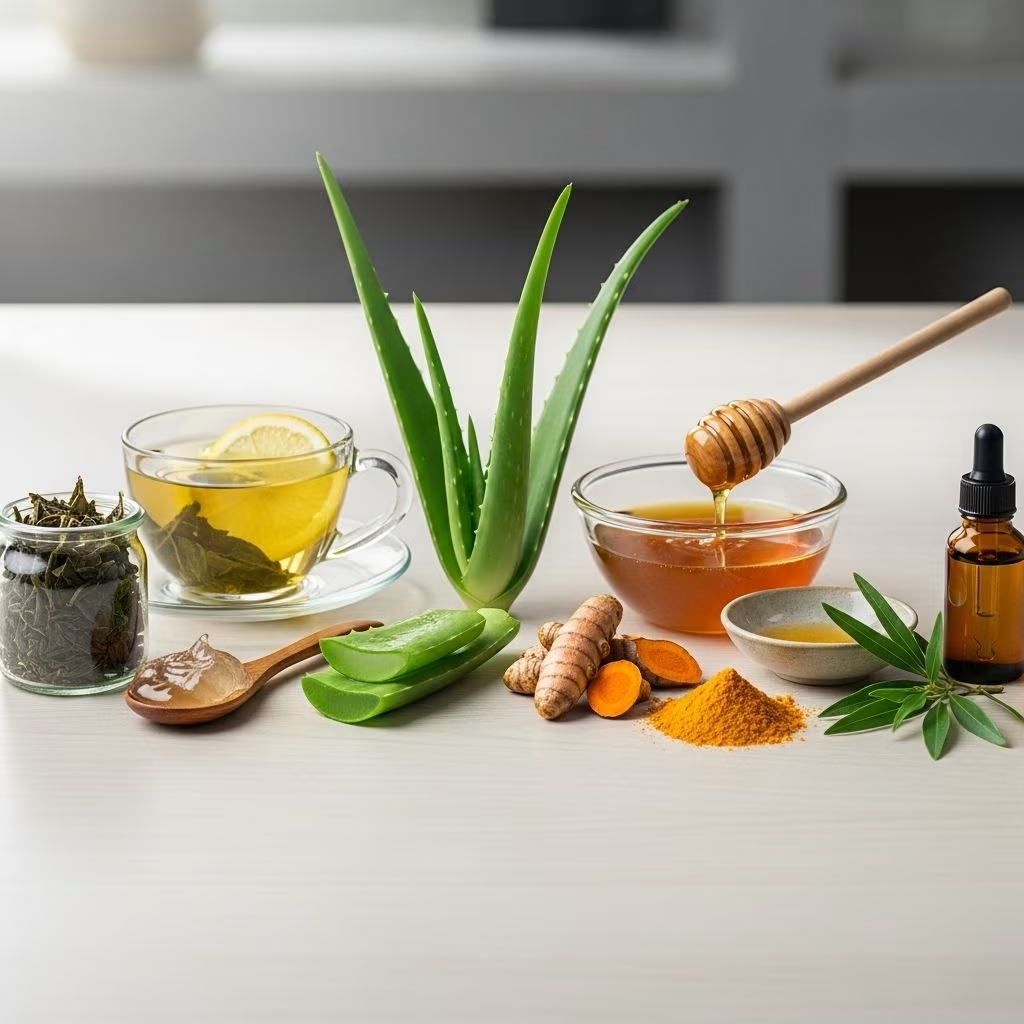
5 Natural Remedies for Acne: Effective Approaches Backed by Science
Acne is one of the world’s most prevalent skin concerns, affecting millions across all age groups. While conventional treatments like benzoyl peroxide, salicylic acid, and prescription medications remain the gold standard, many individuals seek gentler, natural alternatives to avoid side effects such as dryness, irritation, or unwanted discoloration. This comprehensive guide explores five of the most studied and popular natural remedies for acne, demystifies their active benefits, and gives practical advice on incorporating them safely into your skincare regimen.
Understanding Acne: Causes and Challenges
Acne develops when pores become clogged with dead skin cells, excess oil (sebum), and bacteria. Factors such as hormonal changes, diet, stress, genetics, and poor skincare habits can trigger or worsen outbreaks. As a chronic, multifactorial condition, effective management often requires a combination of topical treatments, lifestyle modifications, and, when needed, medical guidance.
1. Tea Tree Oil
Tea tree oil is derived from the leaves of the Melaleuca alternifolia tree and renowned for its natural antibacterial and anti-inflammatory properties. Research suggests tea tree oil can reduce the number and severity of acne lesions by targeting Propionibacterium acnes, the bacteria responsible for acne development.
- How it works: The active compounds in tea tree oil demonstrate antimicrobial activity, potentially reducing the bacteria load on the skin and calming redness and swelling associated with acne.
- Scientific evidence: Clinical studies indicate moderate effectiveness for mild to moderate acne, particularly when used in lower concentrations to avoid irritation.
- Usage tips:
- Always dilute pure tea tree oil with a carrier oil (such as jojoba or almond oil) before applying to the skin.
- Apply a small amount to affected areas 1–2 times daily.
- Do not use on broken skin or large affected areas without a patch test.
- Discontinue if irritation occurs.
2. Aloe Vera
Aloe vera is a tropical plant whose clear leaf gel is widely valued for soothing and healing skin. The gel contains salicylic acid and sulfur, both of which are known acne-fighting agents. Studies indicate aloe may help with abrasion healing and reducing inflammation, though rigorous research on its use for acne is limited.
- Benefits: Moisturizes, calms irritation, supports healing, contains mild antimicrobial and anti-inflammatory compounds.
- Application guide:
- Scrape fresh aloe gel from leaves and apply a thin layer directly to clean, dry skin.
- Use as a moisturizer 1–2 times daily, or blend with other topical remedies as desired.
- Choose store-bought aloe vera products with minimal additives for best results.
- Avoid products with added fragrances, preservatives, or alcohol, which may aggravate acne.
3. Apple Cider Vinegar
Apple cider vinegar (ACV) is a popular folk remedy for acne, though evidence is mainly anecdotal. It contains organic acids—including acetic, citric, and succinic acids—that may help kill acne-causing bacteria and reduce inflammation. However, dermatologists caution that ACV is highly acidic, and improper use can cause skin burns or irritation.
- Benefits: May exfoliate the skin, balance skin pH, and act as a mild antibacterial agent.
- Application:
- Mix 1 part ACV with 3–4 parts water to create a mild toner.
- Apply gently to affected areas with a cotton pad, avoiding the eye and mouth area.
- Rinse off after a few minutes and moisturize.
- Patch test before use to prevent irritation.
4. Green Tea
Green tea is rich in antioxidants, anti-inflammatory compounds, and polyphenols such as epigallocatechin gallate (EGCG), which may help reduce sebum production and inhibit bacterial growth on the skin. Several studies support its topical use in creams, gels, and masks for mild acne management.
- Scientific findings: Topical applications containing green tea polyphenols have been shown to reduce inflammatory acne lesions and improve skin texture over time.
- How to use:
- Brew green tea, let it cool, and apply to skin as a toner using a clean cloth or cotton pad.
- Leave on for 10–15 minutes before rinsing.
- Use commercially prepared green tea extracts in gels, creams, or masks for standardized potency.
5. Zinc Supplements and Topical Zinc
Zinc is an essential mineral involved in inflammation control, immune function, and collagen synthesis. Zinc’s anti-inflammatory effects may help reduce redness, swelling, and the frequency of breakouts in acne-prone skin. Zinc is available in oral supplement and topical formulations.
- Oral supplementation: Studies have shown mixed results; while some show improvement in moderate to severe acne, excessive intake can lead to toxicity (nausea, stomach upset, and impaired copper absorption).
- Topical applications:
- Zinc-based creams or gels may directly decrease inflammation without risk of systemic side-effects.
- Use as directed and avoid broken skin.
- Ideal dosage: Seek professional guidance for oral supplements to avoid adverse reactions.
Comparing Natural Acne Remedies: Effectiveness & Safety
| Remedy | Primary Benefit | Scientific Evidence | Risks/Precautions |
|---|---|---|---|
| Tea Tree Oil | Antibacterial & anti-inflammatory | Moderate, supported by small clinical trials | May cause irritation, avoid eye contact |
| Aloe Vera | Moisturizing, supports skin healing | Limited for acne, strong for wound healing | Patch test before use, avoid additives |
| Apple Cider Vinegar | Exfoliation & mild antibacterial | Anecdotal; limited studies | Highly acidic, risk of burns |
| Green Tea | Antioxidant, reduces sebum | Supported by research on topical use | Low risk; avoid contaminated products |
| Zinc | Anti-inflammatory | Mixed; promising but not universally effective | Potential toxicity (oral), mild irritation (topical) |
Additional Natural Options and Lifestyle Support
Beyond these core remedies, several other natural ingredients and strategies offer supplementary acne relief. Each brings its own strengths and limitations, and many are best used alongside conventional care for optimal results:
- Witch hazel: Mild astringent that may help fight bacteria and reduce inflammation; research is limited.
- Jojoba oil: Can help balance skin oil and reduce redness; proven effective in clay masks.
- Rosemary and Echinacea extracts: Offer antioxidant protection and mild antibacterial effects.
- Coconut oil: Contains antimicrobial compounds but may clog pores for some; best for dry, non-acne-prone skin.
Important: Most natural remedies support only mild cases and should not substitute professional medical treatment for moderate to severe or cystic acne. Always consult a dermatologist for persistent, scarring, or severe cases.
Lifestyle Factors for Preventing and Managing Acne
Alongside topical and oral treatments, evidence suggests several lifestyle changes can help mitigate acne severity and frequency:
- Consistent gentle skincare: Use non-comedogenic cleansers and moisturizers. Avoid harsh scrubbing and over-cleansing, which can aggravate acne.
- Diet modifications: Some studies point to lower dairy intake and reduced consumption of high-sugar foods for improved skin. Increasing foods rich in antioxidants and zinc (such as leafy greens, nuts, and seeds) may help.
- Avoid touching or picking at acne lesions: Prevents further irritation and spread of bacteria, minimizing risk of infection and scarring.
- Manage stress: Stress hormones (such as cortisol) can contribute to flare-ups, so practice mindfulness, adequate sleep, and regular exercise.
- Maintain hydration: Drinking enough water may help flush toxins and keep skin resilient.
Frequently Asked Questions (FAQs)
Q: Are natural remedies as effective as prescription acne medications?
A: Natural remedies such as tea tree oil, aloe vera, and green tea have shown moderate benefits, especially for mild cases, but they are generally not as effective as prescription options for moderate to severe acne. Conventional treatments typically offer faster, stronger results, but may cause more side effects.
Q: Can I combine multiple natural remedies for better results?
A: Combining remedies, such as using aloe vera gel alongside diluted tea tree oil, can provide synergistic benefits, but always introduce new ingredients slowly and patch test to avoid adverse reactions.
Q: How quickly will I see results with natural remedies?
A: Improvements from natural treatments can take several weeks. Consistency, proper skincare, and lifestyle changes are key to seeing gradual, sustainable results.
Q: Are there risks to using natural acne treatments?
A: Yes. Some individuals may experience allergic reactions, irritation, or even chemical burns (such as from undiluted ACV). Always start with small amounts, test patches on healthy skin, and consult with a dermatologist if unsure.
Q: Is diet connected to acne?
A: Emerging research suggests high dairy and sugar intake may exacerbate acne in some individuals, but results are mixed. A balanced diet with whole foods often supports overall skin health.
Key Takeaways & Final Recommendations
Natural remedies can serve as valuable alternatives or additions to conventional acne treatments for mild cases. Tea tree oil, aloe vera, apple cider vinegar, green tea, and zinc are among the most studied and accessible options. Their success depends on proper application, skin sensitivity, and overall lifestyle habits. For persistent, severe, or scarring acne, professional consultation remains crucial. Prioritize a gentle skincare routine, mindful diet, and healthy habits for lasting improvements in skin health.
References
- https://newsnetwork.mayoclinic.org/discussion/home-remedies-all-about-acne/
- https://www.healthline.com/nutrition/13-acne-remedies
- https://pmc.ncbi.nlm.nih.gov/articles/PMC9217581/
- https://dermsurgery.net/are-natural-remedies-for-acne-as-effective-as-prescription-options/
- https://www.ama-assn.org/public-health/prevention-wellness/what-doctors-wish-patients-knew-about-acne-treatment
- https://www.medicalnewstoday.com/articles/322455
- https://aanmc.org/naturopathic-treatment/understanding-natural-acne-treatments-naturopathic-perspective/
- https://health.clevelandclinic.org/home-remedies-for-acne
- https://www.mayoclinic.org/diseases-conditions/acne/in-depth/acne-treatments/art-20045814


