


PCOS and Dark Skin Patches: Understanding, Treating, and Preventing Hyperpigmentation
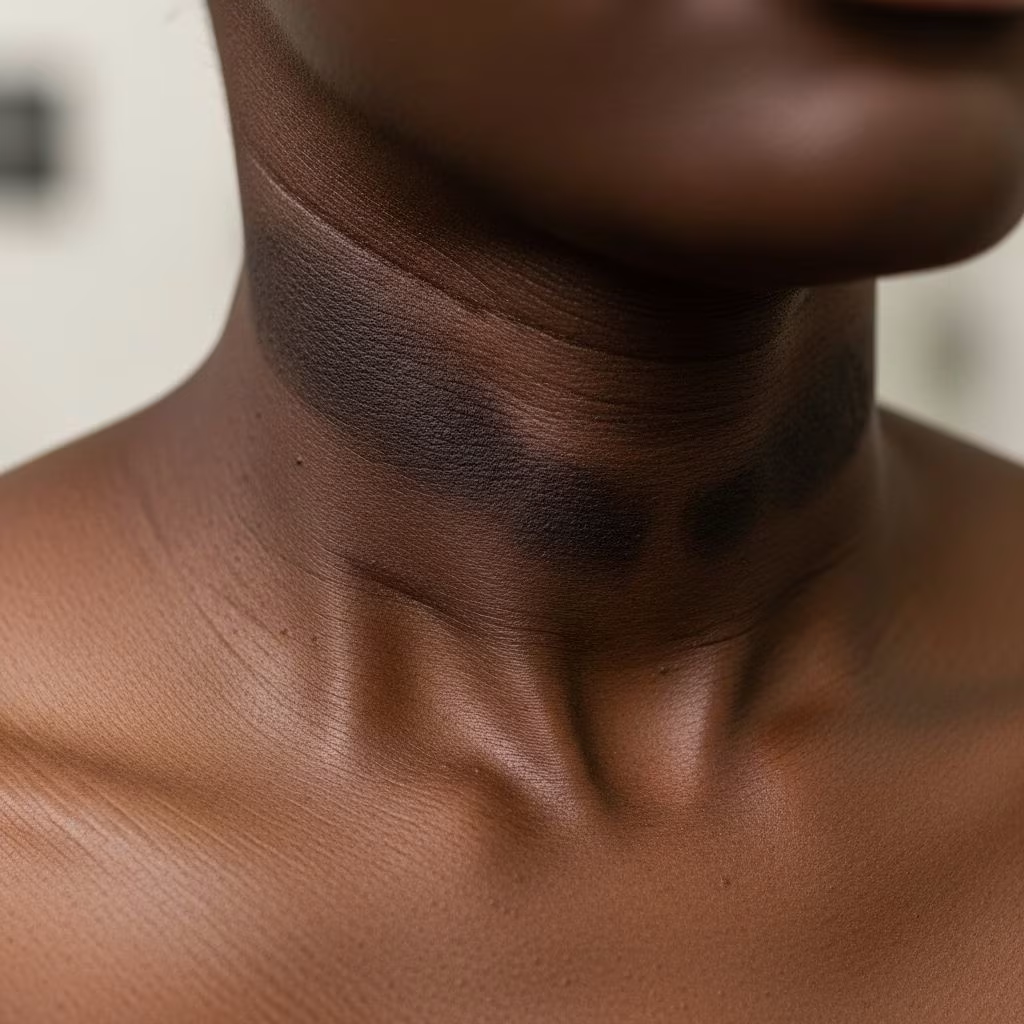
Polycystic Ovary Syndrome (PCOS) is a complex endocrine disorder affecting millions of women worldwide, often causing troublesome symptoms that reach beyond reproductive health. One of the lesser-discussed but significant symptoms is the appearance of dark, velvety skin patches, medically known as acanthosis nigricans. These patches are most often seen on areas like the neck, inner thighs, armpits, and sometimes the face. Understanding why these skin changes occur is crucial for proper management and boosting self-confidence.
What Causes Dark Skin Patches in PCOS?
- Insulin Resistance: The most common underlying cause for dark skin patches in women with PCOS is insulin resistance. High insulin levels disrupt normal skin cell growth and trigger excess melanin production, resulting in hyperpigmentation.
- Hormonal Imbalances: PCOS is characterized by increased androgen levels and other hormonal irregularities, which can indirectly contribute to skin changes, including dark spots and thickening.
- Genetic Predisposition: Some individuals may be genetically prone to skin conditions related to insulin resistance, making them more susceptible to acanthosis nigricans.
- Obesity and Metabolic Factors: Excessive weight can worsen insulin resistance and lead to more prominent skin discoloration, especially in skin folds.
While the presence of dark patches does not usually indicate a life-threatening problem, they are an important visual cue that prompts a closer look at underlying metabolic health.
Where Dark Skin Patches Usually Appear in PCOS
- Back and sides of the neck (the most common site)
- Armpits
- Inner thighs
- Knees and elbows
- Groin
- Face (sometimes around the jawline)
| Area of Appearance | Underlying Cause | Typical Features |
|---|---|---|
| Neck | Insulin resistance | Thick, velvety dark patch |
| Armpits | Hormonal imbalance, obesity | Brown, hyperpigmented area with texture change |
| Inner thighs/groin | Chafing, weight, insulin resistance | Symmetrical patches, sometimes extending to legs |
| Face/jawline | Hormonal changes | Faint or patchy dark areas |
Acanthosis Nigricans: What It Means for PCOS
Acanthosis nigricans is not itself a disease but rather a symptom or clinical sign that points to issues with insulin metabolism. It is characterized by:
- Dark brown or black discoloration
- Thickened, velvety texture
- Most commonly in skin folds and creases
The development of acanthosis nigricans in PCOS often correlates with insulin resistance–a core feature of the condition that increases diabetes risk and causes metabolic complications. These changes may adversely affect a woman’s self-image and confidence, underscoring the importance of timely recognition and management.
Common Skin Conditions in PCOS
- Hormonal Acne: Persistent red or cystic acne on the jawline, chin, and sometimes chest and back. Often resistant to conventional acne treatments and fluctuates with menstrual cycles.
- Hirsutism: Excessive hair growth, especially on the face, chest, and thighs, due to higher androgen levels.
- Hyperpigmentation & Melasma: Besides acanthosis nigricans, women may experience uneven darkening of facial skin, known as melasma.
- Skin Tags: Small, fleshy growths around areas of friction, like the neck and armpits.
The Psychological Impact of Dark Skin Patches
Visible changes in skin tone, texture, and appearance can influence mental wellbeing and body image, especially when they contradict widely-held beauty standards. Women with PCOS may feel self-conscious, anxious, or socially withdrawn as a consequence. Addressing these concerns is just as vital as treating the physical symptoms, often calling for supportive counseling alongside medical management.
How To Treat and Manage Dark Skin Patches in PCOS
Management of PCOS-related hyperpigmentation involves a combination of medical treatments, topical therapies, lifestyle changes, and natural remedies. Treatment should always begin with addressing the root causes: hormonal imbalance and insulin resistance.
Medical Treatments and Procedures
- Chemical Peels: Superficial chemical exfoliation can reduce pigmentation by accelerating the shedding of pigmented cells. Only to be performed under dermatologist supervision.
- Microdermabrasion: Mechanical exfoliation method that gently removes the top skin layer, useful for mild hyperpigmentation.
- Laser Therapy: Targeted beams break up pigment clusters and stimulate new, healthy skin growth. Effective for persistent patches that do not respond to other treatments.
These procedures may offer dramatic improvement for some—but always require professional evaluation and guidance to avoid unwanted side effects.
Topical Treatments for Hyperpigmentation
- Hydroquinone: Reduces melanin in the skin, lightening dark patches. May be available over-the-counter or as a prescription.
- Kojic Acid: Inhibits melanin formation, often found in cosmeceutical creams and serums.
- Retinoids: Stimulate cell turnover and renewal, helping fade pigmented areas over time.
Consultation with a dermatologist is advised to create a personalized treatment plan, accommodate skin sensitivities, and avoid potential irritation or paradoxical worsening.
Lifestyle and Diet Interventions
- Balanced, low-GI diet: Regulates blood sugar and insulin spikes, targeting the source of skin changes.
- Regular exercise: Improves overall insulin sensitivity, supporting healthy metabolism and gradual fading of dark patches.
- Weight management: Addressing excess weight helps in reducing both metabolic complications and their cutaneous signs.
- Avoiding irritating fabrics or friction: Minimizes aggravation in susceptible areas like the thighs and neck.
Natural Remedies and Supplements
- Coconut oil: Moisturizes and may help fade mild hyperpigmentation via gentle exfoliation.
- Zinc supplements: Support skin health and hormonal balance.
- Glutathione: Antioxidant known to inhibit melanin production and even skin tone.
- Vitamin C: Oral and topical forms assist in skin rejuvenation and can help lighten discoloration.
Preventive Measures: Stopping Dark Patches Before They Start
- Monitor and treat insulin resistance early, especially if you have a family history of PCOS or diabetes.
- Adopt a healthy lifestyle—balanced diet, regular exercise, and stress management reduce the underlying drivers of skin changes.
- Regular dermatological checkups for timely intervention.
- Use gentle skincare products to avoid further irritation or aggravation of susceptible skin areas.
Frequently Asked Questions (FAQs)
Q1: Can PCOS directly increase melanin production?
PCOS does not directly raise melanin production; rather, hormonal and insulin imbalances stimulate melanocytes (cells producing melanin), causing uneven pigment distribution and visible skin darkening in affected areas.
Q2: Are dark skin patches reversible if PCOS is managed?
In many cases, controlling underlying insulin resistance and hormonal imbalance leads to a reduction or fading of dark skin patches over time. Consistent treatment and lifestyle modification are key.
Q3: Is acanthosis nigricans dangerous?
Acanthosis nigricans is not harmful in itself, but it is an indicator of deeper metabolic dysfunction, such as insulin resistance. Addressing these underlying issues protects long-term health.
Q4: What medications help lighten PCOS-related dark skin patches?
Common topical medications include hydroquinone, kojic acid, and retinoids. In some cases, oral treatments for insulin resistance or hormonal imbalance may further improve pigmentation. Professional assessment is always advised.
Q5: Are over-the-counter creams enough to treat PCOS hyperpigmentation?
Mild cases may improve with OTC creams, but persistent or severe patches require medical evaluation to safely and effectively address the root cause.
Q6: How to prevent dark skin patches from developing further?
Maintaining a healthy weight, exercising regularly, controlling insulin resistance, and using gentle skincare are essential steps to minimize progression.
Q7: Will PCOS acne go away with time?
With consistent management—including hormonal and metabolic treatments—PCOS acne and pigmentation issues often improve significantly, though some individuals may experience ongoing symptoms.
When to See a Doctor
- Dark patches enlarge rapidly or change in color/texture
- Associated symptoms like unexplained weight loss or fatigue
- Patches are persistent after lifestyle and topical treatments
- Other PCOS symptoms worsen or new ones emerge
Timely medical intervention is crucial in uncovering any additional health risks and ensuring you receive an individualized and effective treatment plan.
Conclusion: Holistic Care for Skin and PCOS Wellness
Managing dark skin patches in PCOS requires addressing both the skin symptoms and their hormonal/metabolic roots. Medical procedures, dermatologist-guided topical therapies, lifestyle modifications, and natural remedies all play a role in optimizing skin health and restoring well-being. As you work towards balance, consult with your healthcare team regularly—early detection and sustained management can help reclaim your skin and confidence.
References
- https://my.clevelandclinic.org/health/diseases/8316-polycystic-ovary-syndrome-pcos
- https://www.aspect-health.com/blog/pcos-dark-inner-thighs-key-reasons-and-treatment-options
- https://www.medicalnewstoday.com/articles/324062
- https://www.nhs.uk/conditions/acanthosis-nigricans/
- https://www.health.harvard.edu/blog/polycystic-ovarian-syndrome-and-the-skin-202104292552
- https://wcorlando.com/how-pcos-affects-your-skin-and-what-to-do-about-it/
- https://www.ncbi.nlm.nih.gov/books/NBK431057/
- https://my.clevelandclinic.org/health/diseases/12168-acanthosis-nigricans
- https://chicnutrix.com/blogs/world-of-chic/pcos-hyperpigmentation
- https://www.pcosnutrition.com/pcos-and-skin-conditions/


