


Natural Remedies for Hot Flashes: Comprehensive Strategies for Menopause Relief
Hot flashes are a common symptom experienced by many women during menopause, marked by sudden sensations of heat, sweating, and flushing of the skin. While they are a natural part of the aging process, hot flashes can disrupt daily life, cause discomfort, and negatively impact sleep and overall quality of life. Many women seek effective strategies to manage these symptoms without relying exclusively on medications or hormone replacement therapy (HRT). This article explores a spectrum of natural remedies, lifestyle changes, and mind-body therapies supported by research and expert opinion.
Understanding Hot Flashes
Hot flashes are transient episodes of warmth, often concentrated in the upper body and face, that may last for a few seconds to several minutes. They are most commonly associated with menopause due to fluctuating or declining estrogen levels, but they can also result from other hormonal changes, certain medications, or underlying health conditions.
- Symptoms: Intense warmth, sweating, rapid heartbeat, red or flushed appearance, chills or shivering after the episode.
- Frequency: Can occur several times daily, particularly during the night (night sweats).
Lifestyle Changes for Hot Flash Relief
Adopting practical lifestyle adjustments can provide significant relief for many individuals. The following changes are commonly recommended by health professionals:
- Avoid hot flash triggers: Steer clear of spicy foods, caffeinated drinks, and alcohol, as these can provoke or intensify symptoms.
- Dress in layers: Wear lightweight, breathable clothing and dress in layers to adjust easily to temperature fluctuations.
- Stay cool: Use fans, keep windows open, or spend time in air-conditioned spaces. Sipping cold drinks also helps regulate body temperature.
- Exercise regularly: Physical activity contributes to overall hormonal balance, reduces stress, and may help moderate hot flashes.
- Maintain a healthy weight: Excess weight can worsen hot flash severity; gradual weight loss can be beneficial.
- Quit smoking: Smoking aggravates hot flashes and is linked to many other health risks.
- Monitor and reduce stress: Identify specific triggers by keeping a symptom diary and practicing stress-reduction techniques.
Dietary Approaches and Nutrition
Nutrition can play a pivotal role in managing hot flashes. Certain foods contain natural compounds that may have estrogen-like activity (phytoestrogens) or support hormonal balance.
- Soy foods: Isoflavones in soy (tofu, edamame, miso) may modestly reduce hot flashes; choose food sources over supplements for safety.
- Flaxseed: Contains lignans, another type of phytoestrogen. Including ground flaxseed in your diet may offer mild symptom relief.
- Nuts and seeds: Almonds, pistachios, and sesame seeds offer vitamin E, healthy fats, and phytoestrogens.
- Cruciferous vegetables: Broccoli, Brussels sprouts, and kale provide antioxidants and phytonutrients that can support hormonal health.
- Fruits: Berries, peaches, and other brightly colored fruits are rich in vitamins and antioxidants.
- Whole grains: Brown rice, quinoa, and oats help stabilize blood sugar and promote overall health.
| Recommended Food | Potential Benefit |
|---|---|
| Soy (tofu, edamame) | May decrease hot flashes (phytoestrogens) |
| Ground flaxseed | Supports hormonal balance |
| Almonds, sesame seeds | Source of vitamin E and lignans |
| Broccoli, kale | Phytonutrients, antioxidants |
| Berries | Antioxidants and vitamins |
| Whole grains | Stabilize glucose and energy |
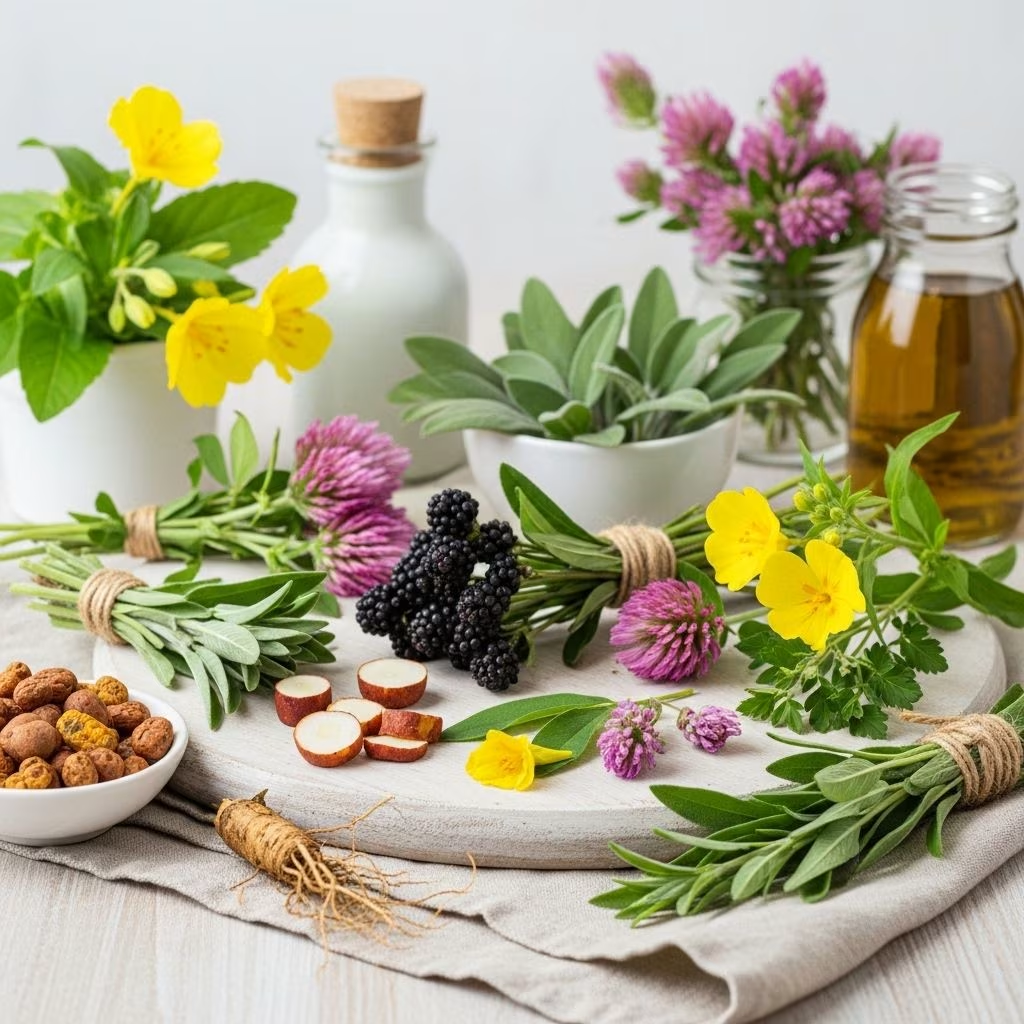
Herbal and Natural Supplements
Many women turn to herbal or natural products seeking relief from hot flashes. Here is a summary of the most widely used options:
- Black Cohosh: Traditionally used to ease menopause-related symptoms, black cohosh may help reduce hot flashes for some women. Research is mixed and side effects can include digestive upset[10].
- Evening Primrose Oil: Contains gamma-linolenic acid, which may help with hormonal regulation and reduce hot flash frequency[10].
- Sage: Shown to decrease sweating and hot flashes, but can interact with diabetes medication and cause rapid heart rate in high doses.
- Red Clover: Contains isoflavones. Research is mixed; some studies report reductions, others find little effect. Best avoided by women with hormone-sensitive cancers.
- Dong Quai: Used in traditional Chinese medicine, believed to help balance estrogen, though evidence in Western trials is limited.
- Valerian Root: Known for its calming effects and helping sleep, valerian may also reduce hot flashes. May interact with medications; consult a doctor.
- Maca Root: Limited evidence; while some small studies are promising, further research is needed for clarity on its effect on hot flashes.
- Pimpinella Anisum (Anise): Some evidence supports its effectiveness in decreasing symptoms, with few reported adverse effects.
- Glycyrrhiza glabra (Licorice root): May reduce hot flash frequency but should not be used long term or by individuals with blood pressure or heart issues.
- Passiflora incarnata (Passionflower): Noted to have anti-anxiety and anti-insomnia effects; limited evidence for hot flash relief.
- Wild Yam: Marketed for hormonal balance, but evidence is scant and unconvincing.
- Vitamin E: Moderate evidence suggests vitamin E can provide minor relief; it is safest to get vitamin E from dietary sources, such as nuts and seeds, rather than high-dose supplements.
- Relizen: A Swedish flower pollen extract, thought to support temperature regulation, yet more research is needed.
Important: Always consult your healthcare provider before beginning any supplement or herbal remedy to avoid harmful interactions with existing medications and to ensure safety, especially if you have health conditions such as high blood pressure, hormone-sensitive cancers, or diabetes.
Mind-Body and Behavioral Therapies
In addition to dietary and supplement approaches, mind-body therapies can offer valuable support. These treatments focus on regulating the body’s stress response and promoting relaxation.
- Cognitive Behavioral Therapy (CBT): Structured talk therapy addressing thoughts, feelings, and behaviors. Shown to reduce discomfort from hot flashes even if frequency stays the same.
- Deep Breathing: Slow, paced breathing can help ease episodes and reduce stress-related triggers.
- Guided Imagery: Visualization techniques that foster relaxation and may distract from symptoms.
- Hypnosis: Evidence suggests hypnosis may lessen hot flash severity and frequency for some women.
- Mindfulness Meditation: Fosters present-moment awareness, lowers stress, and can help reduce symptom burden.
- Yoga: Regular yoga practice can aid in stress reduction, enhance overall well-being, and indirectly relieve hot flashes.
Acupuncture and Complementary Therapies
Acupuncture has gained attention as a non-pharmaceutical option for menopausal symptoms, including hot flashes. While some women report benefits, the scientific evidence is still inconclusive, and effects may vary by individual.
- Acupuncture: May improve quality of life and reduce hot flash frequency; mechanisms could involve modulation of neurotransmitters and reduction of stress.
- Other Manual Therapies: Some women find massage and reflexology helpful for stress relief and comfort.
Emerging Products and Wearable Technology
Market options such as “hot flash bracelets” or wearable cooling devices have appeared, but current research does not support their effectiveness. Healthcare providers currently recommend focusing on proven therapies and saving money otherwise spent on such products.
Pharmaceutical Approaches: When Natural Remedies Are Not Enough
When natural strategies and lifestyle measures do not provide sufficient relief, physicians may recommend pharmacological interventions:
- Hormone Replacement Therapy (HRT): The most effective treatment for hot flashes, but associated with potential health risks and not suitable for everyone. Typically a combination of estrogen and progestin administered orally, transdermally, or via vaginal preparations.
- Antidepressants: Selective Serotonin Reuptake Inhibitors (SSRIs) and Serotonin-Norepinephrine Reuptake Inhibitors (SNRIs) can reduce hot flash frequency by influencing neurotransmitter activity.
- Antiseizure drugs: Gabapentin may help manage severe hot flashes, particularly for women who cannot take hormones.
- Blood pressure medications: Clonidine, a medication for high blood pressure, also reduces hot flashes in some women, albeit less commonly used.
- NK3 Receptor Inhibitors: A newer non-hormonal option that targets brain mechanisms involved in temperature regulation.
Pharmaceutical options should be discussed with your healthcare provider to assess risks, benefits, and appropriateness for your individual situation.
Safety, Interactions, and When to See a Doctor
Natural does not always mean risk-free. Consider the following safety principles before starting any new herbal supplement or drastic lifestyle change:
- Consult your healthcare provider, especially if you have pre-existing health conditions, use prescription medications, or have a personal or family history of hormone-sensitive cancer.
- Avoid exceeding recommended dosages; some herbs, like sage and licorice root, may cause adverse effects if consumed in high quantities or for prolonged periods.
- Stop use and seek medical attention if you notice unusual symptoms or severe side effects.
- Supplements are not regulated as strictly as prescription medications—purchase from reputable manufacturers.
Frequently Asked Questions (FAQs)
Q: Are hot flashes only caused by menopause?
A: While menopause is the most common cause, hot flashes can also result from certain medications, thyroid disorders, occasional infections, and rare underlying medical issues.
Q: How long do hot flashes typically last?
A: Hot flashes can persist for months or even years. For most women, symptoms subside over time as the body adjusts to new hormone levels.
Q: Is it safe to use herbal remedies for hot flashes?
A: Most herbal remedies are safe when used appropriately and for short durations. However, consult your healthcare provider to avoid dangerous interactions with existing medications or underlying health conditions.
Q: Can I combine several natural remedies together?
A: Combining lifestyle changes, dietary improvements, and mind-body techniques is generally safe. Combining multiple herbal supplements should only be done under medical supervision.
Q: When should I seek medical care for hot flashes?
A: If hot flashes are severe, persistently disrupt your daily life, or are accompanied by other symptoms such as chest pain or difficulty breathing, see your healthcare provider promptly for evaluation.
Further Resources and Reading
- North American Menopause Society (NAMS)
- American College of Obstetricians and Gynecologists (ACOG)
- National Institutes of Health (NIH) Office on Women’s Health
If you experience bothersome hot flashes, know that you are not alone. A combination of natural remedies, lifestyle changes, and supportive therapies can help you find comfort and ease menopause’s transition. Always involve your healthcare provider in decisions regarding your treatment—your well-being and safety come first.
References
- https://www.unitypoint.org/news-and-articles/ways-to-manage-hot-flashes
- https://gennev.com/learn/alternative-medicine-for-hot-flashes/
- https://pmc.ncbi.nlm.nih.gov/articles/PMC5783135/
- https://www.breastcancer.org/treatment-side-effects/hot-flashes/natural-remedies
- https://www.mayoclinic.org/diseases-conditions/hot-flashes/diagnosis-treatment/drc-20352795
- https://www.nhs.uk/medicines/hormone-replacement-therapy-hrt/alternatives-to-hormone-replacement-therapy-hrt/herbal-remedies-and-complementary-medicines-for-menopause-symptoms/
- https://www.mskcc.org/cancer-care/patient-education/managing-your-hot-flashes-without-hormones
- https://www.joinmidi.com/post/foods-that-fight-hot-flashes
- https://www.acog.org/womens-health/experts-and-stories/ask-acog/what-can-i-do-to-help-with-hot-flashes
- https://empireobgyn.com/natural-menopause-management-remedies/


