


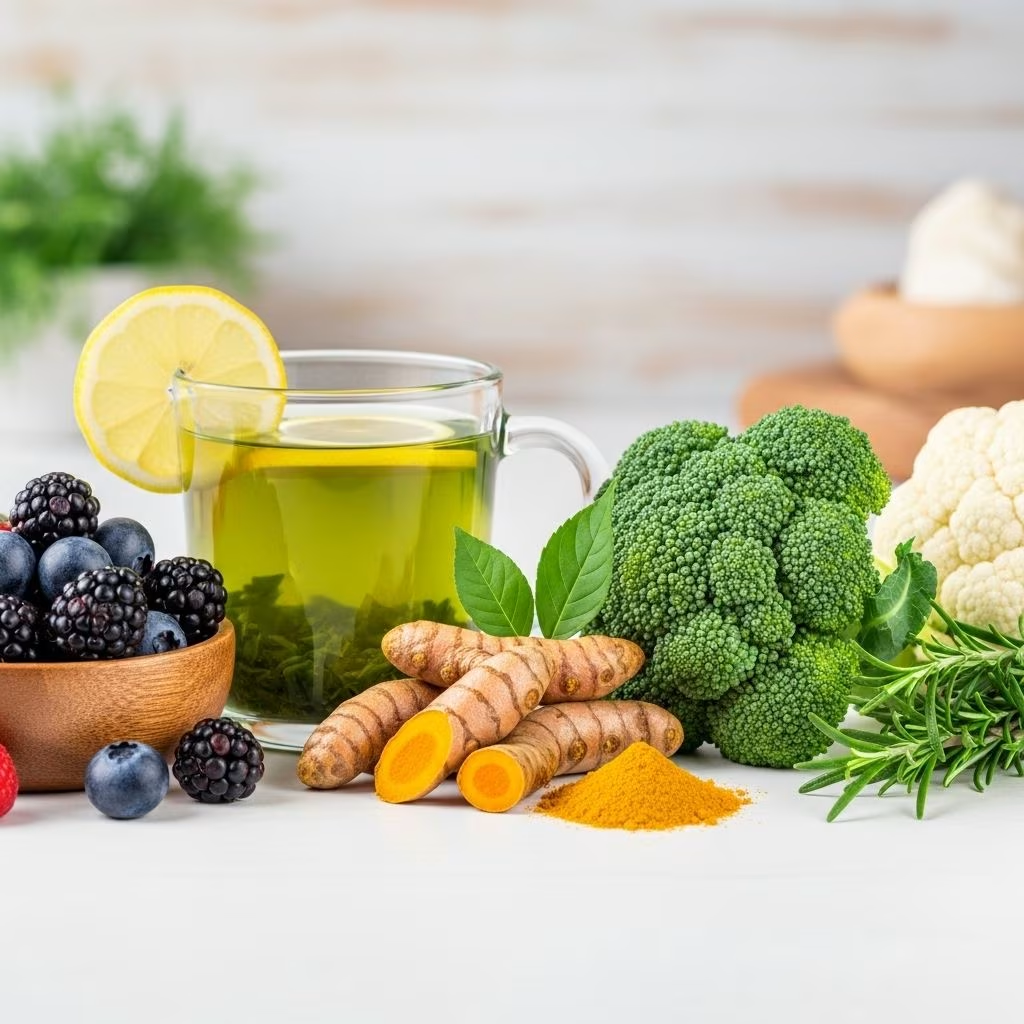
5 Natural Remedies That May Help Reduce Cancer Risk
Cancer remains a leading cause of mortality worldwide, sparking ongoing searches for effective prevention strategies. While medical screening, vaccination, and avoiding harmful exposures remain central to public health recommendations, increased attention is being given to natural plant-based remedies for their potential role in lowering cancer risk. Scientific evidence continues to grow for several common herbs, spices, and dietary elements that could offer protective effects when used as part of a healthy lifestyle. Below, we explore five of the most talked-about natural remedies and what the latest research says about their promise in cancer prevention.
1. Turmeric: The Golden Anti-Inflammatory
Turmeric (Curcuma longa), a vibrant yellow spice frequently used in to South Asian cooking, is known for its active compound curcumin. Recognized for both its anti-inflammatory and antioxidant properties, curcumin has become the focus of significant laboratory and early clinical research into cancer prevention and cancer support therapies.
- Anti-Cancer Evidence: Lab studies indicate curcumin can modulate several molecular pathways involved in cancer development, such as cell proliferation, apoptosis (programmed cell death), and angiogenesis (formation of blood vessels that supply tumors).
- Cancers Studied: Early phase clinical trials have shown promise for curcumin in helping prevent colorectal, oral, and liver cancers. Studies also suggest it may inhibit the growth of breast, lung, and prostate cancer cells in laboratory settings.
- How to Use: Turmeric can be added to curries, soups, or stews, or taken as a supplement. For enhanced absorption, it is often combined with black pepper (containing piperine) and a source of fat such as olive oil.
- Precautions: While turmeric is generally safe in culinary amounts, concentrated supplements can interact with certain medications. Consult your healthcare provider if you are considering regular high-dose use.
Tip: Add turmeric to stews or scrambled eggs, or enjoy a cup of golden milk latte. Combine with black pepper to increase absorption.
2. Green Tea: Rich Source of Potent Antioxidants
Green tea (Camellia sinensis) has attracted considerable attention for its polyphenol content, especially the antioxidant epigallocatechin gallate (EGCG). Multiple population studies have suggested that regular green tea consumption may be linked to a lower risk of certain cancers.
- Anti-Cancer Mechanisms: EGCG and other catechins act via multiple pathways, including neutralizing free radicals, assisting in the elimination of carcinogens, and inhibiting enzymes that support tumor growth.
- Cancers Studied: Green tea intake has been associated with a moderate reduction in risk of the following cancers:
- Colorectal
- Stomach
- Esophageal
- Prostate
- Upper gastrointestinal tract
- Breast (in premenopausal women)
- How to Use: Enjoy hot or cold brewed green tea, or try matcha, a powdered form of green tea. Supplements are available but optimal dosage and safety remain subjects of ongoing research.
- Precautions: High-dose green tea extracts may cause digestive upset or interact with certain medications. Always consider your personal health history.
Tip: Brew a cup of green tea in the afternoon for a gentle energy lift while also harnessing its potential health benefits.
3. Ginger: Classic Remedy for More Than Nausea
Ginger (Zingiber officinale) is widely recognized as a powerful remedy for digestive discomfort and nausea. However, its major bioactive compound, gingerol, is also being studied for a range of anti-cancer and anti-inflammatory effects.
- Anti-Cancer Evidence: Gingerol and related compounds have been found to suppress various elements of tumor development and progression in laboratory experiments. Properties include antioxidant activity, reduction of inflammation, and inhibition of cell proliferation.
- Cancers Studied: Studies have explored ginger’s effects on colorectal, breast, ovarian, and pancreatic cancer cells.
- Use in Oncology: In clinical settings, ginger is also used to help control chemotherapy-related nausea.
- How to Use: Fresh ginger can be steeped in hot water for tea, grated into stir-fries, or added to smoothies. Supplements and extracts are also available.
- Precautions: When consumed in typical culinary amounts, ginger is very safe. Like other herbs, high concentrations can sometimes affect blood clotting or interact with certain drugs.
Tip: Make a soothing tea by steeping a few thin ginger slices in hot water for 10 minutes. Add a drizzle of honey for taste.
4. Parsley: More Than Just a Garnish
Parsley (Petroselinum crispum), often overlooked as a mere decoration, contains apigenin—a powerful flavonoid antioxidant that has shown cancer-fighting effects in laboratory studies.
- Anti-Cancer Mechanisms: Apigenin may exert protective effects by triggering autophagy—a cellular “clean-up” process that removes abnormal cells—while also demonstrating cytotoxicity against certain types of cancer cells.
- Cancers Studied: There is promising in vitro evidence regarding parsley and apigenin in breast and colon cancer prevention and cell cytotoxicity.
- How to Use: Add generous handfuls of fresh parsley to salads, blends, and pasta dishes to boost your intake of vitamins, minerals, and unique antioxidants like apigenin.
- Precautions: Because parsley is used in relatively small culinary amounts, it is generally considered very safe. Large supplemental doses require more study.
Tip: Incorporate parsley into salsas, tabbouleh, or as a topping for roasted vegetables to enjoy its health and flavor benefits.
5. Soy: A Source of Plant-Based Phytoestrogens
Soy is a traditional dietary staple in East Asian cultures, valued for its high-quality protein and isoflavones—natural plant compounds frequently called “phytoestrogens.”
- Anti-Cancer Evidence: Isoflavones may act as both estrogen agonists and antagonists in the body. Laboratory and observational studies suggest they have antioxidant properties and may help modulate hormone-related cancer risk.
- Cancers Studied: Research on soy for cancer risk has focused mainly on breast and prostate cancer.
- For breast cancer, evidence in premenopausal women suggests possible reduced risk, though findings are mixed.
- In prostate cancer, some data indicate possible reduction in tumor progression for low-grade cases.
- Controversies: Some concerns were raised in the past about phytoestrogens in soy acting as tumor promoters, especially after a breast cancer diagnosis. However, recent reviews suggest that moderate consumption does not appear to increase risk.
- How to Use: Incorporate whole soy foods such as tofu, tempeh, miso, or edamame into meals regularly for a source of beneficial isoflavones.
- Precautions: Large quantities of concentrated soy supplements are not recommended without medical supervision. Emphasize food sources over extracts.
Tip: Use cubed tofu in soups or salads, snack on edamame, or substitute tempeh for meat in stir-fries for a protein-rich, plant-based meal.
Understanding the Power and Limits of Plant-Based Compounds
Nature provides a rich arsenal of bioactive compounds—naturally occurring chemicals with beneficial effects on human health. Many current pharmaceuticals, such as aspirin and the chemotherapy agent paclitaxel (Taxol), trace their origins to plant sources. Today’s intense research into herbs, spices, and phytochemicals continues this tradition, with scientists seeking safer, multi-targeted interventions to lower cancer risk and support patients during treatment.
What Makes a Compound “Bioactive”?
- Bioactive plant components are linked to antioxidant activity, DNA repair, supporting healthy immune function, and modulation of genes involved in tumor growth.
- Laboratory evidence consistently shows that many phytochemicals can inhibit cancer cell growth and proliferation in cell and animal models.
- Clinical data is limited; more well-designed human trials are necessary before official recommendations are made for cancer prevention or therapy.
| Remedy | Main Active Compound(s) | Common Use | Cancers Studied | Usage Tips |
|---|---|---|---|---|
| Turmeric | Curcumin | Spice, supplements | Colorectal, breast, liver | Combine with black pepper and oil |
| Green Tea | EGCG (catechins) | Tea, supplements | Prostate, colorectal, gastric | Brew fresh or try matcha; avoid excess supplements |
| Ginger | Gingerol | Fresh, dried, tea | Colorectal, ovarian, pancreatic | Steep for tea, add to stir-fries |
| Parsley | Apigenin | Raw, garnish | Breast, colon | Add to salads and pasta |
| Soy | Isoflavones | Tofu, tempeh, miso | Breast, prostate | Focus on whole soy foods, not supplements |
Expert Advice: Natural Remedies as Part of a Broader Lifestyle
While scientific findings on natural remedies are promising, experts stress that these compounds are most effective as part of a comprehensive approach to healthy living. No single food, herb, or supplement can wholly prevent cancer. Risk reduction comes from a combination of factors, including:
- Eating a balanced diet rich in fruits, vegetables, whole grains, and plant-based foods
- Maintaining a healthy weight
- Being physically active
- Avoiding tobacco products and limiting alcohol consumption
- Getting regular cancer screenings based on your age and risk factors
Consult your healthcare team before introducing high-dose supplements, particularly if you have a personal or family history of cancer, or are currently undergoing cancer treatment. Some plant components can interact with medications, including chemotherapy agents.
Frequently Asked Questions (FAQs)
Q: Can natural remedies cure cancer?
A: There is no reliable scientific evidence that natural or herbal remedies can cure cancer. However, certain plant compounds show promise in reducing risk or supporting health alongside conventional treatment.
Q: Is it safe to take high doses of turmeric or green tea extract?
A: While culinary use is safe for most people, high-dose supplements may cause side effects or interact with medications. Always consult your doctor before starting new supplements.
Q: How much soy is safe to consume for cancer prevention?
A: Moderate consumption of whole soy foods (such as tofu, tempeh, and edamame) appears safe and even beneficial for most people. Large amounts of soy protein or isoflavone supplements are not recommended without medical advice.
Q: Can parsley really help fight cancer?
A: Parsley contains apigenin, an antioxidant being studied for its potential to protect against cancer cell growth. More research is needed, but including parsley as part of a varied, plant-rich diet can be beneficial.
Q: Are there risks to using herbal remedies with cancer medications?
A: Yes, some herbs and plant compounds can interact negatively with medications, including chemotherapy drugs. Discuss any natural remedies with your healthcare provider to avoid harmful interactions.
Key Takeaways
- Plant-based remedies like turmeric, green tea, ginger, parsley, and soy are attracting scientific interest for cancer risk reduction.
- Most evidence is based on laboratory and early-phase human studies—more research is needed before routine supplementation is advised.
- A well-rounded, plant-rich diet combined with healthy lifestyle habits provides the best protection against cancer.
- Consult with your healthcare team before adding new supplements, especially if you are under medical treatment for cancer.
References
- https://pmc.ncbi.nlm.nih.gov/articles/PMC3749070/
- https://www.aicr.org/resources/blog/plant-compounds-in-cancer-treatment-and-prevention/
- https://pmc.ncbi.nlm.nih.gov/articles/PMC4017674/
- https://www.mhs.net/news/2016/09/cancer-fighting-herbs-and-spices
- https://www.mskcc.org/news/truth-behind-three-natural-cures
- https://www.cancerresearchuk.org/about-cancer/treatment/complementary-alternative-therapies/individual-therapies/herbal-medicine
- https://www.mdanderson.org/cancerwise/36-foods-that-can-help-lower-your-cancer-risk.h00-159774078.html
- https://bpspubs.onlinelibrary.wiley.com/doi/full/10.1111/bph.70014


