


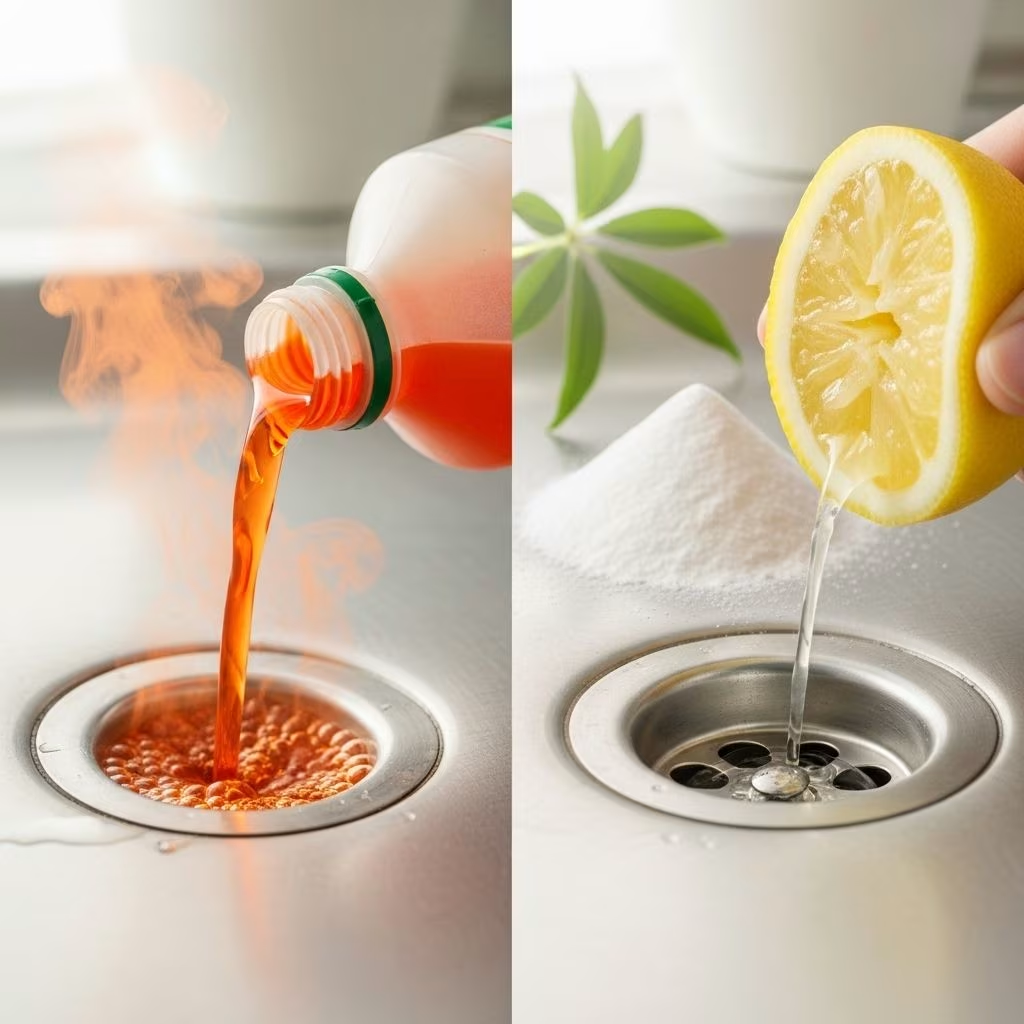
Chemical Drain Cleaners vs Natural Remedies: A Comprehensive Guide
Blocked drains are an inevitable problem in homes and businesses. Whether it’s hair, food scraps, grease, or soap scum, clogs can cause unpleasant odors, slow drainage, and even lead to costly plumbing repairs. To restore flow, most people reach for two options: chemical drain cleaners or natural remedies. But which method is safer, more effective, and more sustainable in the long run?
This article explores both options in depth, weighing their advantages, downsides, and best-use scenarios to help you choose the right strategy for your plumbing needs.
How Drain Cleaners Work
Drain cleaners, whether chemical or natural, are designed to break down substances that cause pipe blockages. They work through one or more of the following mechanisms:
- Chemical Reaction: Dissolves or dislodges clog material via strong acids, alkalis, or oxidation.
- Enzymatic or Biological Action: Uses bacteria/enzymes to digest organic matter over time.
- Osmosis & Effervescence: Draws water from clogs or creates bubbles that loosen debris.
- Physical Force: Plungers, snakes, or boiling water physically clear obstructions.
The effectiveness, risks, and environmental impact largely depend on the method and ingredients used.
Chemical Drain Cleaners
Chemical drain cleaners are widely available in supermarkets and hardware stores. They come in liquid, gel, powder, or crystal forms and promise fast relief for stubborn clogs.
Types of Chemical Drain Cleaners
- Caustic Cleaners: Use alkaline chemicals (e.g., sodium hydroxide or lye) to break down grease, hair, and food residue.
- Acidic Cleaners: Use strong acids (like sulfuric acid) mostly for tough, professional-grade applications.
- Oxidizing Cleaners: Contain bleach or peroxides, which degrade blockages via oxidation and fizzing action.
How They Work
These powerful formulations rapidly react with organic material, creating heat or gas to dissolve or force apart clogs. Unblocking can happen within minutes for common obstructions such as hair, soap scum, or grease.
Advantages of Chemical Drain Cleaners
- Speed: They deliver near-instantaneous results for many types of clogs.
- Availability: Easy to find and widely marketed.
- Effectiveness on Tough Clogs: Powerful enough to dissolve severe or old blockages.
Downsides of Chemical Drain Cleaners
- Pipe Damage: Repeated use can corrode metal, eat away seals, and degrade plastic pipes.
- Health Risks: Toxic fumes, burns, and severe injury risk if not handled properly.
- Environmental Impact: Chemicals pollute waterways, harm aquatic life, and disrupt wastewater treatment.
- Not Septic Safe: Can destroy beneficial bacteria in septic tanks.
Note: Chemical cleaners may not always work if the clog is caused by inorganic or large objects, and misuse can worsen blockages by moving debris further down the pipes.
Natural Drain Remedies
Natural drain remedies rely on gentle, environmentally-friendly substances to clear or prevent blockages. Many of these ingredients are already found in the typical kitchen or are available in stores as environmentally conscious options.
Common Natural Remedies and How They Work
- Baking Soda and Vinegar: The classic combination for drain cleaning. When mixed, they fizz and create pressure that helps loosen light build-up and deodorize drains. For best results, pour half a cup of baking soda followed by half a cup of vinegar into the drain. Wait 15-60 minutes, then flush with hot water.
- Boiling Water: Especially effective for grease or soap clogs. Slowly pour a kettle of boiling water into the drain to melt and loosen debris. Always check that your pipes (especially PVC) can withstand high temperatures to avoid damage.
- Salt: Draws moisture from clogs via osmosis. Pouring a quarter cup of salt, followed by boiling water, can help break down and flush away blockages.
- Lemon Juice: The acidity and citric content help degrade grime and grease, as well as add a fresh scent. Pour juice from half a lemon and let sit for 30 minutes before rinsing.
- Hydrogen Peroxide: Acts as a mild antiseptic and releases oxygen bubbles, which can break up organic clumps. Pour half a cup down the drain, wait one hour, then rinse with water.
- Enzyme-Based or Biological Cleaners: Available commercially, these use bacteria or enzymes to digest organic matter gently over several hours or days.
- Mechanical Methods: Plungers or drain snakes can physically dislodge hair and debris without chemicals.
Advantages of Natural Remedies
- Pipe-Friendly: Less likely to damage pipes, seals, or fixtures.
- Safe: No hazardous fumes or risk of chemical burns.
- Environmentally Friendly: Biodegradable and do not harm water supply or aquatic life.
- Prevention: Regular use helps prevent blockages and keeps drains deodorized.
Downsides of Natural Remedies
- Slower Results: May require hours or repeated applications for severe clogs.
- Limited Power: Less effective against very heavy or old obstructions.
- May Not Be Readily Available for Purchase: Some biological products may be harder to find than traditional chemical cleaners.
Chemical vs Natural: Pros and Cons
| Factor | Chemical Drain Cleaners | Natural Remedies |
|---|---|---|
| Speed | Almost immediate, often works in minutes | Slower (may take an hour to overnight) |
| Effectiveness on Tough Clogs | Very effective | Less so, better for mild to moderate clogs |
| Pipe Safety | Can corrode/damage pipes over time | Gentle and safe for pipes |
| Health Risks | Potential for burns, toxic fumes | Low risk (unless allergic to ingredients) |
| Environmental Impact | High, pollutes water & soil | Low, eco-friendly |
| Maintenance Use | No, only for emergencies | Yes, ideal for regular maintenance |
| Availability | Widely available | Some are DIY, others less common commercially |
Environmental Considerations
Chemical drain cleaners carry a high environmental cost. Their compounds (like lye or acids) do not degrade easily and can leach into water systems, contaminating rivers, lakes, and oceans, and harming aquatic wildlife. If poured into drains that lead to septic tanks, they destroy the beneficial bacteria needed for proper waste breakdown.
Natural remedies are generally biodegradable, non-toxic for plants and animals, and do not pose significant risks to water sources. In homes seeking an eco-conscious lifestyle, regular use of enzyme-based or DIY mixtures is far more sustainable and responsible.
Safety Tips for Use
- Read the label: Always follow instructions on commercial drain cleaner packaging, whether chemical or natural.
- Ventilate: Ensure proper airflow if using chemicals to avoid inhaling harmful fumes.
- Protect yourself: Wear gloves and eye protection when handling corrosive products.
- Never mix cleaners: Combining acidic and alkaline products can cause dangerous reactions.
- Test temperature tolerance: Only pour boiling water down drains and pipes verified to withstand high heat (some plastics may warp or crack).
- Store safely: Keep both chemical and enzyme-based products away from children and pets.
Practical Tips & When to Call a Professional
- Regular maintenance with natural solutions (like a monthly baking soda and vinegar rinse) can prevent tough build-ups and foul odors.
- If a drain is fully blocked or backing up, or if repeated treatments fail, call a professional plumber. Stubborn clogs may require specialized mechanical removal or hydro-jetting.
- Frequent or recurring clogs can indicate a deeper plumbing issue (like tree roots, pipe collapse, or foreign objects) that DIY methods cannot resolve.
- Never use chemical cleaners in septic systems unless explicitly labeled as septic-safe; opt for enzyme-based cleaners instead.
Frequently Asked Questions (FAQs)
Q: Are chemical drain cleaners safe for all types of pipes?
A: No. Frequent use of strong chemicals can corrode galvanized steel and copper pipes and degrade plastic (PVC) over time. Old or fragile pipes are especially vulnerable.
Q: Can natural remedies really clear blockages or are they just preventive?
A: Natural methods are very effective for mild to moderate clog removal and ideal for routine maintenance, though they may not dislodge severe obstructions as rapidly as chemicals.
Q: Is it safe to combine chemical cleaners with natural remedies?
A: Avoid combining chemical and natural products, especially acids and alkalis, as they can create harmful gases or neutralize each other’s effects. Never mix drain cleaners together.
Q: What if homemade remedies don’t work and the sink remains blocked?
A: Persistent or severe clogs may require a plumber’s intervention. Professionals use drain cameras, augers, or water jets to diagnose and clear obstructions safely without harming pipes.
Q: Are enzyme-based cleaners as effective as chemical options?
A: Enzyme-based cleaners are highly effective at slowly digesting organic matter, making them well-suited for preventative maintenance. However, they may not immediately clear heavy, old, or inorganic clogs.
Q: What’s the best way to prevent drains from clogging in the first place?
- Avoid pouring grease, coffee grounds, and food scraps down the drain.
- Use drain screens or traps to catch hair and large debris.
- Flush with hot water after heavy usage.
- Schedule regular enzyme or baking soda cleanings as part of home maintenance.
Conclusion
Choosing between chemical drain cleaners and natural solutions involves balancing speed, pipe safety, health concerns, and environmental responsibility. Chemical cleaners can resolve tough blockages quickly but carry risks, while natural alternatives provide an eco-friendly, gentler approach suited for everyday maintenance. For chronic, severe, or recurring drainage problems, professional help is the best course of action to ensure your plumbing system remains healthy and efficient.
References
- https://www.acmeplumbingservice.com/blog/chemical-drain-cleaners-vs-natural-alternatives-whats-best-for-your-pipes
- https://servicefirstplumbing.com.au/drainage-solutions/information/chemical-drain-cleaners-vs-natural-remedies
- https://geteco.com/blog/chemical-vs-natural-drain-cleaning-solutions-pros-and-cons/
- https://home.howstuffworks.com/home-improvement/plumbing/drain-cleaner3.htm
- https://www.jdservicenow.com/blog/natural-drain-cleaners-vs-store-bought/
- https://billysunshine.com/chemical-drain-cleaner-vs-eco-friendly-the-best-choice/
- https://www.benjaminfranklinplumbing.com/charlotte/blog/2023/june/5-truths-and-a-lye-about-diy-drain-clog-solution/


