


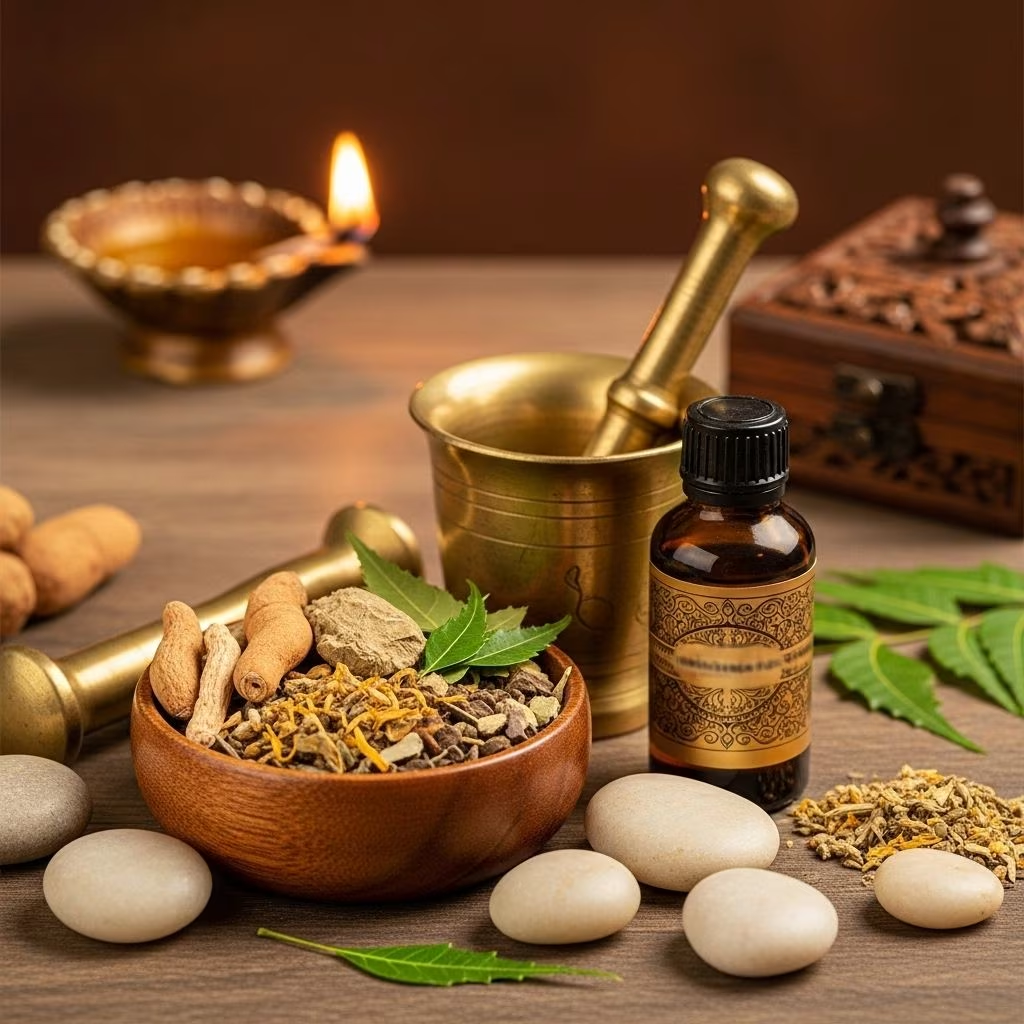
Best Ayurvedic Treatment for Infertility
Infertility is a complex and emotionally challenging health concern affecting millions of couples worldwide. Modern treatments, though advanced, sometimes fall short of addressing individual root causes and overall well-being. Ayurveda, the ancient science of life, offers a holistic approach towards the management of infertility, focussing on balancing the body, mind, and spirit while strengthening reproductive health naturally.
Understanding Infertility in Ayurveda
Infertility in Ayurveda is defined as the failure to conceive after at least one year of regular, unprotected intercourse. This can be due to factors related to either partner. According to Sushruta Samhita, successful conception results from the optimal functioning of the following elements:
- Ritu: The appropriate timing or fertile period
- Kshetra: The healthy reproductive environment, especially the uterus and reproductive tract
- Ambu: Adequate nourishment and fluids
- Beejam: Healthy sperm and ovum
Disturbance or dysfunction in any of these factors can lead to infertility. Ayurveda focuses on identifying the root cause and restoring harmony to all reproductive elements for both genders.
Main Causes of Infertility According to Ayurveda
- Imbalance of Doshas (Vata, Pitta, and Kapha): Disproportion among these biological energies leads to disruptions in hormonal balance and reproductive functions.
- Poor Nutrition (Rasa Dhatu): Inadequate nourishment reduces the quality of reproductive tissues (Shukra Dhatu).
- Accumulation of Ama (Toxins): Build-up of metabolic waste impairs tissue function and blocks reproductive channels.
- Chronic Illness or Infections: Underlying diseases of reproductive or systemic origin.
- Mental Stress and Emotional Imbalance: Psychological distress, anxiety, and fear directly affect hormonal health and fertility potential.
- Lifestyle Factors: Sedentary habits, poor sleep, unhealthy eating, excessive alcohol, and smoking.
- Age-related decline: Delay in conception affects the vitality of reproductive tissues.
Ayurvedic Approach to Infertility Management
Ayurveda addresses infertility through deep-rooted and comprehensive methodologies:
- Restoring dosha balance for reproductive harmony
- Detoxification to eliminate toxins impeding conception
- Nourishing reproductive tissues for better sperm and ovum quality
- Mind-body equilibrium: Stress reduction and emotional healing
These steps are personalized, taking into account individual constitution (Prakriti), presenting symptoms, and underlying imbalances.
Key Ayurvedic Therapies for Infertility
- Panchakarma (Detoxification Therapies):
- Vamana (Therapeutic Vomiting) to remove toxins from upper GI tract and chest
- Virechana (Therapeutic Purgation) for cleansing the intestines and liver
- Basti (Medicated Enema): Especially effective for balancing Vata dosha related disorders and nourishing reproductive organs
- Uttara Basti: A specialized vaginal or urethral enema with medicated oils or decoctions, highly beneficial for gynecological and male reproductive issues
- Nasya (Nasal Therapy): Cleansing of head channels affecting hormones and mental clarity
- Shamana (Pacifying Therapies): Use of herbal formulations and dietary regulations to pacify aggravated doshas without intensive cleansing
- Snehana (Oleation) and Swedana (Sudation): Internal and external oiling followed by herbal steam to enhance circulation to the pelvic organs
- Abhyanga (Therapeutic Massage): With specialized oils for improving blood supply and lowering uterine or pelvic congestion
- Shirodhara: Steady stream of warm medicated oil on the forehead to reduce stress and promote hormonal equilibrium
Ayurvedic Herbs Commonly Used for Fertility
| Herb | Action | Usage |
|---|---|---|
| Ashwagandha (Withania somnifera) | Reduces stress, enhances sperm quality, and strengthens sexual vitality | Taken as powder or in herbal formulations |
| Shatavari (Asparagus racemosus) | Regulates menstrual cycles, supports ovulation, and nourishes female reproductive organs | As decoction, powders, or capsules |
| Kapikacchu (Mucuna pruriens) | Improves sperm count, motility, and testosterone levels | Powdered seed or extract |
| Amalaki (Emblica officinalis) | Powerful antioxidant, supports cellular health and hormonal function | Juice or powdered fruit |
| Guduchi (Tinospora cordifolia) | Boosts immunity, optimizes ovarian function | Herbal decoction or powder |
Benefits of Herbal Therapy in Reproductive Wellness
- Normalizes menstrual cycles and corrects hormonal imbalances
- Improves sperm quality, quantity, and motility
- Promotes ovulation and healthy uterine environment
- Reduces stress and anxiety, which impede natural conception
- Detoxifies the system, removing blockages to reproductive pathways
- Supports overall vitality, immunity, and sexual health
Ayurvedic Guidelines for Natural Fertility Enhancement
Ayurveda’s wisdom extends beyond medicines and therapies, emphasizing daily routines and dietary choices that cultivate an environment conducive to conception. Key recommendations include:
- Bala (Strengthening): Favor nutrient-rich and easily digestible foods; avoid processed, fried, or overly spicy items
- Agni (Digestive Fire): Maintain optimal digestion—eat at regular intervals and avoid overeating
- Rasayana (Rejuvenation): Include rejuvenative foods such as ghee, almonds, dates, sesame, and milk
- Mind-Body Practices: Practice yoga and meditation for stress relief and endocrine balance
- Quality Sleep: Ensure restful, regular sleep to support reproductive hormone rhythms
- Lifestyle Management: Engage in moderate exercise; avoid late nights, stimulant use, and screen overexposure
Specific Diet and Lifestyle for Fertility
- Fresh fruits, green leafy vegetables, and whole grains
- Moong dal, unpolished rice, sesame seeds—natural sources of reproductive nutrients
- Include warming spices like cumin, fennel, and turmeric
- Minimize caffeine, processed foods, artificial sweeteners, and carbonated drinks
- Enjoy uplifting music, exposure to sunlight, and nature walks for emotional balance
Male and Female Infertility: Ayurvedic Focus
Ayurvedic Management for Female Infertility
Treatment is customized to correct menstrual irregularities, manage hormonal dysfunction, and purify the reproductive tract. Common methods include:
- Basti and Uttara Basti: For clearing uterine channels and regulation of cycles
- Herbal protocols: Shatavari, Guduchi, Ashoka for ovulation and uterine health
- Nutritional therapy: Encouragement of foods that promote blood and tissue nourishment
- Stress relief: Mindfulness, yoga, and Pranayama practices reduce cortisol impact
Ayurveda is considered effective for PCOS/PCOD, hormonal imbalances, anovulation, and unexplained infertility in women. Improvements are noted in menstrual regularity, natural conception rates, and full-term healthy births.
Ayurvedic Management for Male Infertility
- Shodhana (Purification): Systemic detox to enhance sperm production and quality
- Shamana (Balancing) Therapy: Kapikacchu, Ashwagandha, and Musali support semen quality and sexual performance
- Addressing Erectile Dysfunction: Combination of herbal tonics and local massage
- Stress management: Meditation reduces anxiety-induced hormonal disturbances
Ayurvedic protocols are cited to improve sperm count, motility, morphology, and overall sexual vigor. For some men, Ayurveda offers support where modern therapies or ART (Assisted Reproductive Technologies) have failed.
Panchakarma Treatment in Infertility
Panchakarma is Ayurveda’s profound detoxification and rejuvenation process. For infertility, the following treatments are frequently prescribed:
- Virechana (Purgation): Removes excess Pitta and toxins affecting reproductive organs
- Basti (Medicated Enema): Directly acts on the pelvic region, nourishing and cleansing reproductive tissues
- Uttara Basti: Infusion of medicated oils/decoctions directly into the uterus or urethra (by professionals only)
Panchakarma not only removes physical toxins but also helps reset hormonal balance, enhance ovulation, and optimize sperm parameters by unblocking subtle channels (srotas).
Why Choose Ayurveda for Infertility?
- Targets root causes and not just symptoms
- Focuses on holistic health, boosting the chances of natural conception
- Minimizes adverse effects—herbal therapies and procedures are conducted using natural, patient-specific prescriptions
- Addresses psychosomatic factors and lifestyle contributors
- Ayurveda supports and can complement modern reproductive strategies such as IUI and IVF, sometimes improving their success rates
Numerous case studies and clinical reviews demonstrate significant improvements in menstrual health, hormonal profile, sperm count, motility, and stress levels for both men and women receiving Ayurvedic therapies.
Frequently Asked Questions (FAQs) on Ayurvedic Infertility Treatment
Q1: Is Ayurvedic treatment safe for infertility?
A: Yes. When administered under the guidance of a qualified Ayurvedic physician, therapies and herbs are selected based on your constitution, the root cause, and other health factors, ensuring individualized safety.
Q2: How long does it take to notice results?
A: Results depend on the underlying cause, age, chronicity, and compliance with therapies and lifestyle changes. Many patients notice cycle regularity and improved vitality within 2-6 months.
Q3: Can Ayurveda help after failed IVF or IUI?
A: Research and case evidence suggest Ayurveda may improve hormonal balance, reduce stress, and create an environment that could enhance the chances of success in subsequent assisted reproductive cycles.
Q4: Are the procedures (like Basti or Panchakarma) painful or risky?
A: Ayurvedic procedures are gentle, comfortable, and strictly supervised. Most patients experience deep relaxation and renewed energy; side effects are rare when handled by qualified professionals.
Q5: What if both partners have infertility issues?
A: Ayurveda takes a couple-centric approach. Both partners are assessed and treated for underlying imbalances, maximizing the overall chances of conception and a healthy pregnancy.
Conclusion: Embracing Ayurveda for Fertility
Infertility need not be the end of hope. With Ayurveda’s comprehensive, root-cause focused, and natural therapies, couples have new avenues for overcoming infertility. Personalized detoxification, strengthening of reproductive tissues, stress management, and dietary guidance ensure not just physical readiness but also mental and emotional resilience for the journey to parenthood. Always collaborate with a qualified Ayurvedic practitioner for individualized protocols and best results.
References
- https://pmc.ncbi.nlm.nih.gov/articles/PMC11073818/
- https://theayurvedicclinic.com/the-ayurvedic-approach-to-enhanced-fertility/
- https://www.openaccessjournals.com/articles/management-of-infertility-in-ayurvedaa-comprehensive.pdf
- https://www.ferty9.com/blog/ayurveda-herbs-in-infertility-management
- https://www.senwellnesssanctuary.com/treatments/ayurveda-infertility
- https://pmc.ncbi.nlm.nih.gov/articles/PMC10828798/
- https://www.deepammeditours.com/blog/is-ayurveda-helpful-in-resolving-infertility-issues/
- https://worldfertilityservices.com/blog/infertility-treatment-for-female-in-ayurveda/
- https://www.ayurvedagram.com/infertility-treatment
- https://keralaayurveda.biz/blogs/news/ayurveda-a-boon-for-recurrent-ivf-failure-and-infertility


