


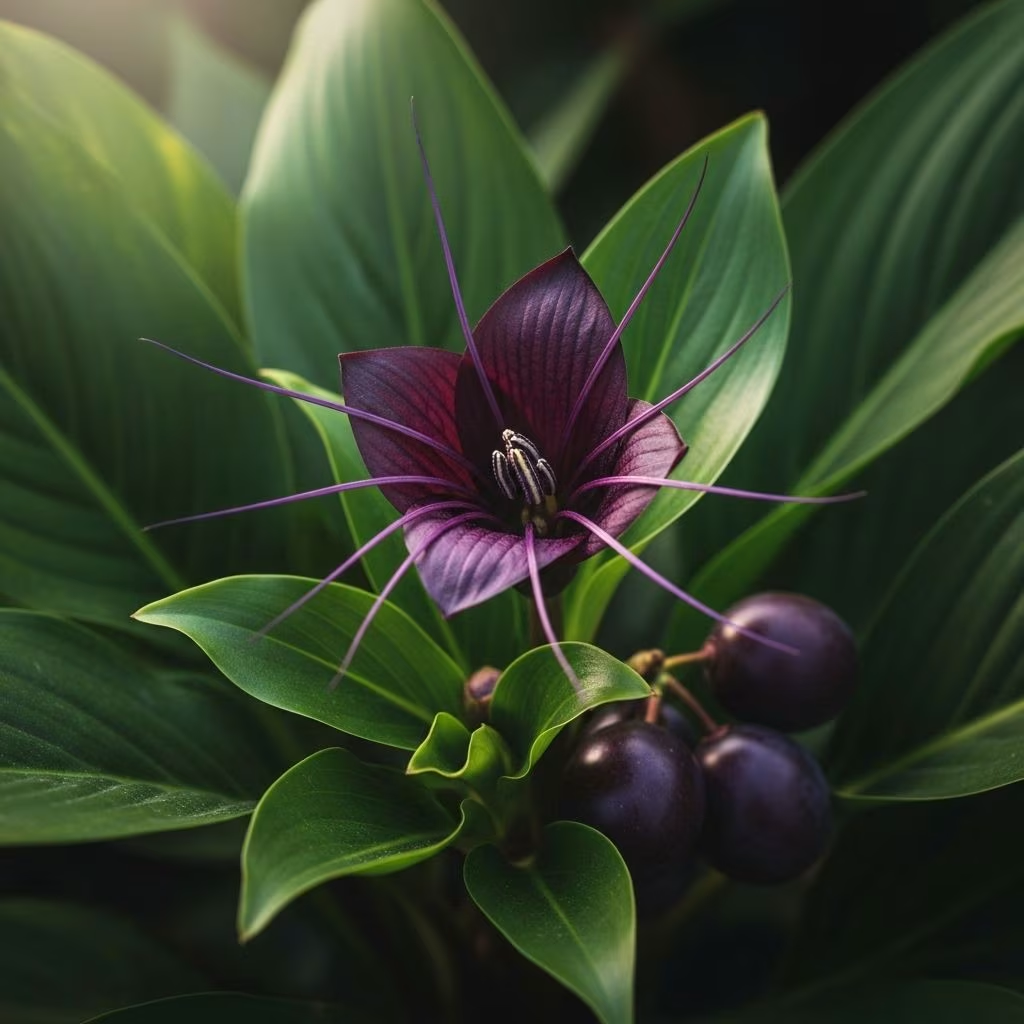
The genus Tacca, and especially the remarkable species Tacca chantrieri (known commonly as the black bat flower), represents one of the marvels of the botanical world. Distinguished by their bizarre inflorescences, mysterious appearance, and centuries-old medicinal applications, the Tacca plants have captured both scientific and horticultural fascination. This comprehensive guide explores what Tacca is, its benefits and uses in medicine and cuisine, and even its taste and cultivation requirements.
Introduction to Tacca
Tacca is a genus of flowering plants in the yam family (Dioscoreaceae), renowned for its unique, often eerie-looking flowers and ethnomedicinal uses. The most famous species is Tacca chantrieri, or the black bat flower, which has earned a global reputation for its dramatic, bat-like shape and deep, dark coloration.
Botanical Description
The genus Tacca comprises herbaceous perennials, meaning they can live and flower for several years. Key morphological features include:
- Leaves: Large, lance-shaped, and glossy, forming dense clusters at the base.
- Inflorescence: Enigmatic, with bracts resembling bat wings (hence the name ‘bat flower’). The bracteoles dangle like long whiskers, sometimes extending up to 8–10 inches.
- Height: Typically 50–100 cm (2–3 feet) tall.
- Flower Color: Most notably black or deep purple, though other species may bear white or greenish flowers.
The flowers are hermaphroditic, containing both male and female reproductive organs, and have a unique pollination method—mostly autonomous self-pollination.
Table: Quick Botanical Facts for Tacca chantrieri
| Characteristic | Details |
|---|---|
| Family | Dioscoreaceae |
| Type | Perennial herb |
| Leaf Shape | Lanceolate, broad, glossy |
| Height | 50–100 cm (2–3 feet) |
| Flower Color | Black, deep purple |
| Common Names | Black bat flower, devil flower, cat whiskers |
Species Diversity and Distribution
The Tacca genus houses about 10–19 recognized species, mostly native to the tropical and subtropical regions of Southeast Asia, with a few in Africa, parts of the Pacific, and Australia. The most cultivated and widely recognized types include:
- Tacca chantrieri (Black bat flower): Deep purple to black flowers. Native to Southeast Asia.
- Tacca integrifolia (White bat flower): Large, white, somewhat similar floral features. Also native to Southeast Asia.
Human activity, especially habitat destruction, has reduced the natural distribution range for several Tacca species.
Unique Floral Features: The Bat Flower
The most striking aspect of Tacca, especially T. chantrieri, is its resemblance to bat wings, which has inspired various local legends and scientific intrigue alike. The floral structure serves several possible functions:
- The bracts provide the bat-wing shape, often up to 12 inches across, with long whisker-like bracteoles drooping downwards.
- The dark, sometimes malodorous flowers evolved possibly to mimic rotting material and attract pollinators like flies (a phenomenon known as “sapromyiophily”).
- However, recent studies suggest that these plants are now autonomously self-pollinating—they rarely need external pollinators in their natural habitat.
- The bracteoles and bracts may also help in additional photosynthesis or protecting the flower from being eaten.
Habitat and Cultivation
Although native to tropical forests of Southeast Asia, Tacca chantrieri and relatives can adapt to cultivated settings if their requirements are met. Key environmental needs are:
- Light: Prefers bright, indirect sunlight. Direct sun can scorch the leaves.
- Humidity: High humidity is essential for lush growth. These plants naturally thrive in moist, sheltered understorey areas.
- Temperature: Warm conditions (hardiness zones 9–11), sensitive to frost.
- Soil: Rich, loam-based, well-draining soil, slightly acidic to neutral pH.
- Watering: Consistent moisture but well-drained—not waterlogged.
- Pruning: Removing spent flowers and dead leaves enhances healthy regrowth.
In cooler climates, leaves may die back as the plant enters dormancy, resuming growth from underground rhizomes during warmer seasons.
Traditional Uses and Medicinal Benefits
Tacca species have a long standing in traditional medicine, particularly in Chinese and Southeast Asian healing practices. Documented uses include:
- Anti-inflammatory treatments
- Tonic for fevers
- Treatment of dysentery and various digestive ailments
- Support in managing “complex conditions such as cancer” (noting that traditional claims are not universally corroborated by modern science)
- Used as an herbal remedy for general wellness and immune support
Nearly every part of the plant—leaves, rhizomes, and occasionally the flowers—has been used in these traditional preparations. The usage most often requires boiling, drying, or grinding to prepare teas, pastes, or poultices.
Modern Research on Benefits
Although there are promising claims about Tacca in ethnomedicine, scientific evidence supporting all traditional uses is still emerging. Key findings related to pharmacological potential include:
- Bioactive compounds isolated from Tacca have shown anti-inflammatory, antimicrobial, and antioxidant activity in laboratory settings.
- Preliminary studies have investigated anti-cancer properties, but use for “complex conditions such as cancer” must be approached with skepticism pending clinical trials.
- Rhizome extracts are being researched for their role in treating infections and inflammation, correlating with folk use for gastrointestinal issues.
Scientific studies remain limited outside of Asia, but the unique chemical constituents suggest potential for continued drug discovery efforts.
Culinary Uses and Taste Profile
While Tacca chantrieri is more celebrated for its ornamental and medicinal qualities, the rhizomes and tubers of some Tacca species are traditionally consumed as food starch in Southeast Asia, Oceania, and Pacific regions. However, such usage requires caution and preparation.
- The rhizomes contain starch that can be extracted to produce a flour, somewhat similar in use to arrowroot or yam flour.
- In some cultures, the processed starch is used for making traditional cakes, puddings, or as a thickener.
- Raw or improperly processed Tacca rhizomes may contain bitter or even toxic compounds; proper leaching, soaking, and cooking are critical to eliminate bitterness and prevent toxicity.
Culinary Taste Profile
- The flavor of Tacca starch is described as mild, neutral, and slightly earthy. It does not possess strong flavors or aromas, making it a versatile base for desserts and breads.
- Its texture when cooked is smooth and gelatinous, closely mirroring other tropical starches.
- The flowers themselves are not typically consumed due to their tough texture and potential toxicity when raw.
Care and Gardening of Tacca
For horticultural enthusiasts, Tacca is primarily grown as a striking ornamental plant, prized for both its leaves and its extraordinary flowers:
- Ideal for tropical gardens, greenhouses, and as a container plant in cooler climates.
- Seasonal interest typically runs from spring through late autumn, as the plant can produce multiple blooms in optimal conditions.
- Bat flowers require only minimal maintenance beyond keeping them moist, fed, and protected from direct sunlight and cold drafts.
Repotting every two to three years and division of rhizomes are recommended for continued health and flowering.
Potential Side Effects and Safety
While Tacca is considered safe for ornamental handling and external medicinal use when prepared properly, it is important to note:
- Raw Tacca tubers may contain potentially toxic compounds—never eat the plant raw or without proper processing.
- Allergic reactions are rare but possible in sensitive individuals handling the plant or using its extracts.
- As with all herbal remedies, consult a healthcare professional before ingesting or applying products containing Tacca, especially if pregnant, nursing, or using alongside pharmaceuticals.
Frequently Asked Questions (FAQ)
Q: Is Tacca (black bat flower) edible?
The rhizome and starch of some Tacca species can be consumed after extensive processing. The flowers and leaves are not commonly eaten.
Q: What makes Tacca chantrieri flowers so unusual?
Their bizarre bat-wing appearance and long whisker-like bracteoles, together with the rare occurrence of black coloration in flowers, set them apart from virtually all other ornamental plants.
Q: Does Tacca have any confirmed medicinal properties?
There is evidence for anti-inflammatory and antimicrobial ingredients in Tacca extracts, but more research is needed to fully substantiate all traditional claims.
Q: Can I grow Tacca at home?
Yes, provided you can emulate its tropical, humid conditions—usually in a greenhouse, sunroom, or a protected indoor setting.
Q: Why does the bat flower look and smell the way it does?
The coloration and (sometimes) odor may have evolved to attract flies and other pollinators, mimicking the appearance and scent of decaying matter, though most pollination now occurs via self-pollination.
Conclusion
Tacca and its best-known representative, the black bat flower, stand out as icons of botanical diversity, cultural intrigue, and horticultural marvel. Whether admired for their ethereal appearance, explored for their medicinal potential, or cautiously sampled in the kitchen, the enigmatic Tacca genus continues to enchant and mystify gardeners, scientists, and herbalists alike.
References
- https://en.wikipedia.org/wiki/Tacca_chantrieri
- https://www.gardenia.net/plant/tacca-chantrieri-black-bat-flower-grow-care-guide
- https://gggp.org/curators-corner-tacca-chantrieri/
- https://blogs.reading.ac.uk/tropical-biodiversity/2014/11/tacca-chantrieri/
- https://www.plantsrescue.com/posts/tacca-chantrieri
- https://gardeningsolutions.ifas.ufl.edu/plants/ornamentals/bat-flower/
- https://www.nparks.gov.sg/florafaunaweb/flora/2/4/2489
- http://www.missouribotanicalgarden.org/PlantFinder/PlantFinderDetails.aspx?taxonid=287291


