


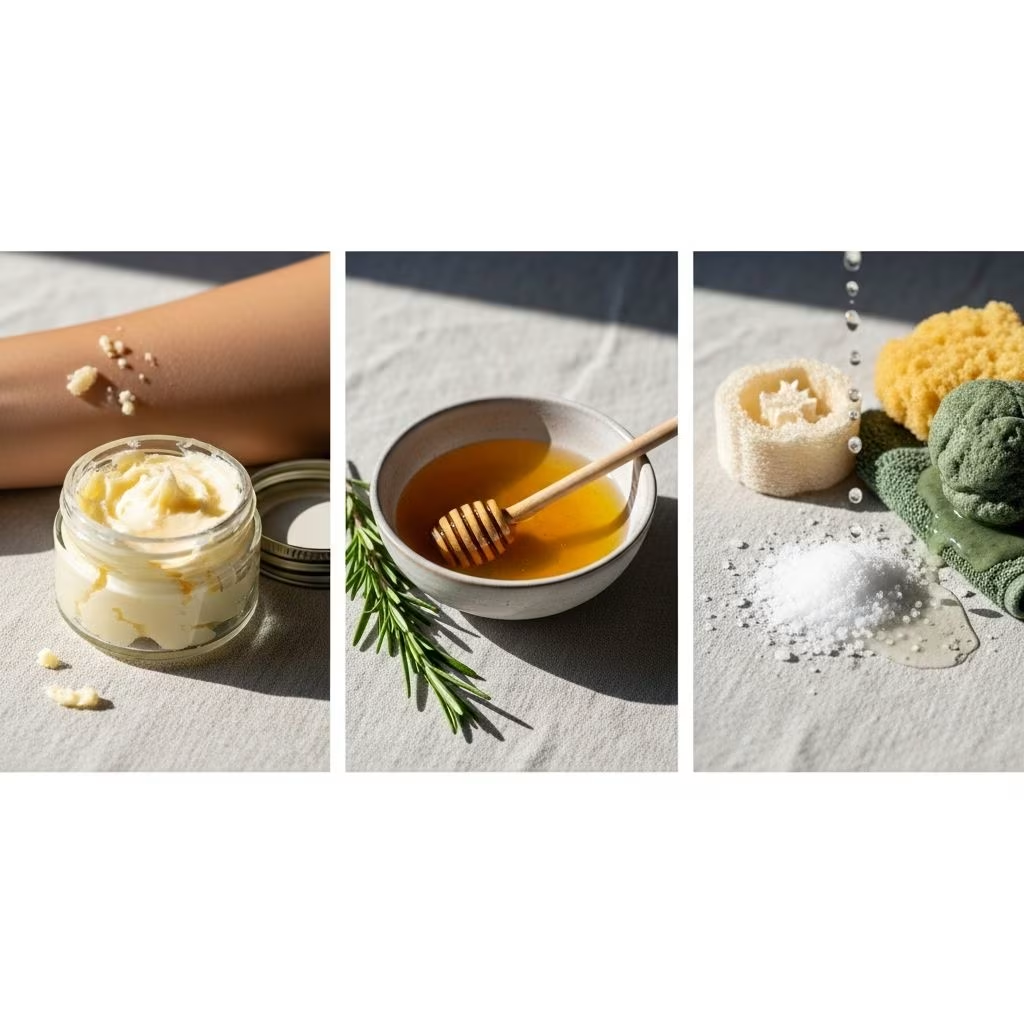
Keratosis Pilaris & Problematic Skin: Understanding Chronic Bumpy Skin
Keratosis pilaris (KP), often referred to as “chicken skin,” is a widespread skin condition characterized by tiny, rough bumps on the arms, thighs, cheeks, and buttocks. Though harmless, it can be a persistent cosmetic concern, impacting confidence and comfort. Many individuals with KP also wrestle with related issues, including redness, dryness, and flare-ups in harsh weather. Managing keratosis pilaris and other stubborn skin challenges doesn’t always require costly prescriptions—natural remedies and thoughtful routines can offer significant relief and visible improvement in skin texture and health.
What is Keratosis Pilaris?
Keratosis pilaris stems from an accumulation of keratin, a protective protein, in the hair follicle openings. Instead of shedding normally, dead skin cells and keratin block these follicles, forming hard bumps. Genetics often play a role, and most cases appear in childhood or adolescence, sometimes clearing up with age. Symptoms can worsen with dryness, cold climates, or inadequate skin care.
- Bumpy skin texture, often compared to goosebumps or chicken skin
- Mild redness or inflammation around the bumps
- Common locations: upper arms, thighs, cheeks, buttocks
- Seasonal flare-ups, especially in winter
Why Natural Remedies?
Natural therapies focus on gentle cleansing, soothing botanicals, and moisture-rich routines. They avoid harsh chemicals and reduce risk of irritation, catering to sensitive or allergy-prone skin. While medical treatments exist, many individuals prefer natural options for their safety, accessibility, and holistic benefits.
Three Effective Natural Remedies for Keratosis Pilaris & More
1. Coconut Oil: Ultimate Moisture & Anti-Inflammatory Support
Coconut oil is a favorite for managing dry, rough skin. Rich in fatty acids and antioxidants, its anti-inflammatory and emollient properties soften the characteristic KP bumps and replenish lost hydration.
- Locks in moisture after bathing
- Reduces irritation and flakiness
- Supports the skin barrier, helping prevent environmental triggers
- Can be combined with other natural oils (e.g., tea tree, jojoba) for enhanced benefits
Application Tips:
- Apply a thin layer to damp skin right after showering, focusing on rough areas
- Let your skin air-dry or gently pat with a towel to preserve hydration
- Mix with a few drops of tea tree oil for added antibacterial and soothing action (patch test first)
- Avoid use if you are acne-prone, as coconut oil can clog pores for some skin types
2. Oatmeal Baths: Soothing & Barrier Repair
Oatmeal is celebrated for its calming effects on inflamed or itchy skin. It contains saponins, lipids, and antioxidants that work in tandem to soothe redness, hydrate, and reinforce the skin’s defensive barrier. It’s suitable for all ages and offers relief during KP flare-ups or general dryness.
- Reduces itching and inflammation
- Restores softness to rough patches
- Provides antioxidant protection against environmental stress
Preparation & Use:
- Grind one cup of plain oats into a fine powder
- Add the powder to a warm (not hot!) bath; soak for 15-20 minutes
- After bathing, gently dry off and immediately apply a moisturizer (coconut oil, shea butter, or ceramide cream) to lock in hydration
3. Apple Cider Vinegar: Gentle Exfoliation & Antibacterial Benefits
Apple cider vinegar (ACV) is prized for its mild exfoliating acids (mainly malic acid), antimicrobial action, and ability to minimize KP lesions. It helps rebalance skin pH and dissolve keratin plugs when used with care.
- Gently exfoliates, encouraging skin turnover
- Reduces bacterial growth and inflammation
- Softens bumpy texture and potentially clears clogged follicles
How to Use:
- Dilute ACV with water (1 part vinegar to 2 parts water)
- Apply to affected areas with a cotton pad (avoid broken or freshly exfoliated skin!)
- Rinse off after 10–15 minutes
- Do a patch test—ACV can sting if overused or applied to sensitive skin
Holistic Routines that Enhance Natural Remedies
Success in managing KP and related skin issues relies on routine and consistency. Besides these targeted remedies, your daily habits play a crucial role in skin renewal and comfort.
Exfoliation: Gentle Is Key
- Use chemical exfoliants like lactic or glycolic acid (AHA) or salicylic acid (BHA) sparingly—2 to 3 times per week
- Avoid abrasive scrubs that cause microtears and worsen inflammation
- Try natural dry brushing before showering, using a soft bristle brush in long motions
- Homemade scrubs with sea salt and honey offer gentle exfoliation and anti-inflammatory support
Moisturizing: Don’t Skip a Day
- Choose creams with urea, lactic acid, ceramides, shea butter, or coconut oil
- Apply immediately after bathing while skin is still damp
- Natural oils like avocado, aloe vera, or jojoba deeply nourish and calm irritation
- Use organic tea tree cream for additional antimicrobial and soothing benefits
Soap Selection: Less Is More
- Opt for mild, non-toxic soaps free of artificial fragrances and harsh chemicals
- Castile soap (olive oil-based) and natural goat milk soap are recommended for sensitive and bumpy skin
- Always rinse thoroughly and moisturize after cleansing
Bathing Habits for Healthier Skin
- Use warm water—never hot, which strips natural oils and worsens dryness
- Limit bath time to prevent dehydration
- Gently pat skin dry instead of rubbing, minimizing irritation
Other Natural Ingredients Worth Exploring
- Tea Tree Oil: Known for its antimicrobial and anti-inflammatory qualities, tea tree is ideal for spot treatments and gentle creams targeting KP
- Shea Butter: Offers deep nourishment and helps soften stubborn roughness
- Aloe Vera: Cools irritations and soothes redness, excellent after exfoliation or sun exposure
- Avocado: Rich in vitamin A, reduces inflammation and supports skin cell turnover when used as a mask
- Baking Soda: A mild exfoliant for KP-prone areas, used infrequently to ease rough skin
Common Myths & Facts About Keratosis Pilaris Remedies
| Myth | Fact |
|---|---|
| Keratosis pilaris is contagious. | No, it is not contagious or infectious; KP is a genetic and skin barrier issue. |
| No treatment can help keratosis pilaris. | While there is no permanent cure, many remedies—especially consistent natural routines—can relieve symptoms and improve appearance. |
| Coconut oil alone will cure KP. | Coconut oil supports hydration but works best as part of a broader skincare routine, including exfoliation. |
| Harsh scrubbing removes KP bumps. | Rough scrubs can worsen KP by causing inflammation; gentle exfoliation is far safer and more effective. |
Testimonials & Real-Life Success Stories
Many people achieve smoother, more comfortable skin by committing to gentle natural approaches. From organic tea tree creams to oatmeal baths, consistent use can minimize KP symptoms and promote healthier skin. Individual experiences may vary, but perseverance and selecting the right ingredients for your skin type make a significant difference.
- “After switching to goat milk soap and moisturizing with coconut oil, my arm bumps faded and I gained confidence wearing sleeveless tops.”
- “Weekly oatmeal baths, paired with gentle dry brushing, restored softness and ended the persistent itchiness I’ve battled for years.”
- “Adding apple cider vinegar diluted with water into my routine has noticeably minimized the reddish patches on my thighs.”
Frequently Asked Questions (FAQs)
Q: Can keratosis pilaris be cured completely?
A: There is currently no permanent cure for keratosis pilaris, but symptoms can be managed and improved significantly with consistent skincare routines—including natural remedies and gentle exfoliation.
A: Yes, coconut oil is safe for most skin types and provides deep hydration. However, if you’re prone to acne or oily skin, use it cautiously, as it can sometimes clog pores.
A: Oatmeal baths are gentle and safe for children and adults. Just ensure the water temperature is warm, not hot, and rinse skin gently afterward.
A: Steer clear of harsh physical exfoliants, hot water baths, and strong fragrances or chemical-laden products. These may worsen irritation and prolong symptoms.
A: Yes, many dermatologists suggest combining gentle natural routines with doctor-recommended topical treatments such as lactic acid, urea, or retinoids for optimal results. Consult your healthcare provider for personalized advice.
Summary: Achieving Smooth Skin with Patience & Nature
Keratosis pilaris and other problematic skin issues respond best to care routines that prioritize gentle exfoliation, deep moisturization, and natural ingredients. While no single remedy works for everyone, coconut oil, oatmeal baths, and apple cider vinegar stand out for their effectiveness and safety. Pair these treatments with smart lifestyle practices—mild soaps, warm baths, and daily hydration—to boost skin resilience. Consistency is key; results often appear gradually, rewarding patience with clearer, healthier skin.
Quick Checklist for Managing Keratosis Pilaris Naturally
- Exfoliate gently 2–3 times per week (sea salt, dry brushing, lactic acid)
- Moisturize daily using coconut oil, shea butter, or urea-based creams
- Take oatmeal baths during flare-ups
- Spot-treat with diluted apple cider vinegar
- Select mild, natural soaps—avoid harsh fragrances and chemicals
- Maintain patience; track changes and adjust routines as needed
References
- https://dermatologyseattle.com/keratosis-pilaris-treatment-guide/
- https://draxe.com/health/keratosis-pilaris/
- https://www.newdawnorganicskinandhaircare.co.uk/blogs/natural-and-organic-skincare-blog/how-to-get-rid-of-keratosis-pilaris-naturally
- https://www.mayoclinic.org/diseases-conditions/keratosis-pilaris/diagnosis-treatment/drc-20351152
- https://my.clevelandclinic.org/health/diseases/17758-keratosis-pilaris
- https://thenakedchemist.com/small-bumps-on-the-arms/
- https://goatmilkstuff.com/collections/keratosis-pilaris
- https://www.youtube.com/watch?v=rtVETZij2fM
- https://www.healthline.com/health/keratosis-pilaris


