


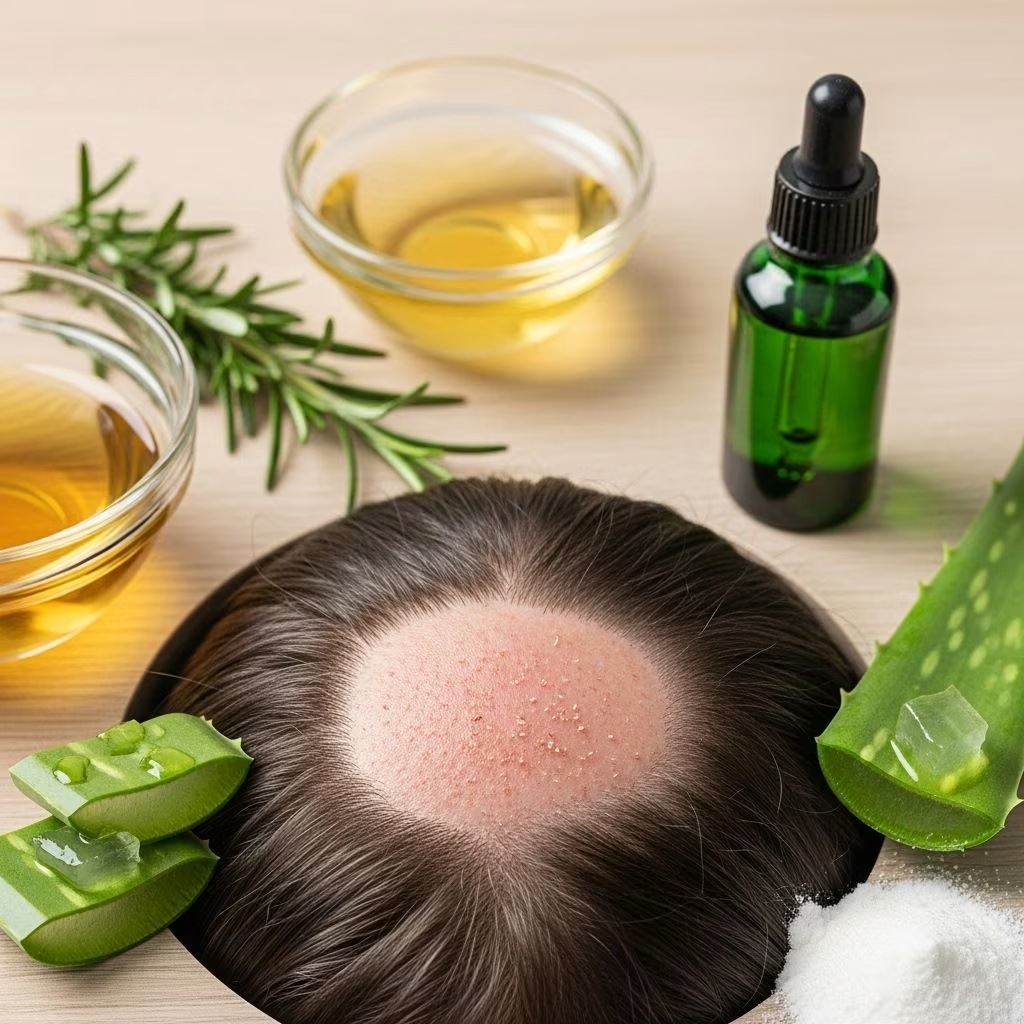
5 Proven Home Remedies for Seborrheic Dermatitis on the Scalp
Seborrheic dermatitis is a common inflammatory skin condition that frequently affects the scalp, causing red, scaly, itchy, and sometimes greasy patches of skin. While it can be persistent and uncomfortable, there are several natural remedies proven to help manage symptoms and minimize flare-ups without relying solely on medicated products. This article explores five effective, research-backed home remedies for seborrheic dermatitis on the scalp, alongside practical tips for soothing your skin and preventing recurrences.
Understanding Seborrheic Dermatitis
Seborrheic dermatitis presents as flaky, stubborn scales and often causes itchiness or burning sensations. The condition is thought to be triggered by a combination of genetic factors, overgrowth of certain skin yeasts (Malassezia), changes in seasons, hormonal fluctuations, and stress. Although it is sometimes confused with simple dandruff, seborrheic dermatitis often causes more pronounced inflammation, redness, and greasy build-up.
- Common symptoms: Flaking (sometimes yellow or white), itching, redness, greasy or oily scalp, and thick scales.
- Typical triggers: Cold, dry weather, stress, immune system issues, and irritation from hair or skincare products.
- Areas affected: Scalp, eyebrows, sides of the nose, eyelids, ears, and sometimes the chest or upper back.
While there is no cure for seborrheic dermatitis, regular self-care and healthy skin practices can help keep symptoms under control.
Home Remedy #1: Soften and Remove Flakes with Oils
One of the first steps in managing seborrheic dermatitis involves gently removing the thick scales and flakes that accumulate on the scalp. This helps reduce irritation and allows topical treatments to penetrate better. Dermatologists and skin care experts commonly recommend using oils to soften these scales before washing.
- Apply a small amount of mineral oil or olive oil directly to the scalp. Some people also use coconut oil or tea tree oil (due to its antifungal properties), but always do a patch test first to prevent allergic reactions.
- Massage the oil into the affected areas and leave it on for 30 minutes to 2 hours. For stubborn scaling, you may leave it on longer, but avoid overnight applications, especially with olive oil, as it can sometimes promote yeast growth on the scalp for some individuals.
- After the soak, use a soft brush or fine-toothed comb to gently loosen and remove flakes.
- Wash thoroughly with a gentle or medicated shampoo to remove excess oil and dislodged scale.
Note: Mineral oil is generally preferred if you find that plant-based oils worsen your symptoms. Some people experience increased irritation or fungal overgrowth with certain oils, so discontinue any remedy that appears to make symptoms worse.
Home Remedy #2: Apple Cider Vinegar Rinse
Apple cider vinegar has gained popularity as a natural remedy for seborrheic dermatitis due to its antifungal and anti-inflammatory properties. It may help rebalance the scalp’s pH, reduce Malassezia yeast activity, and loosen adherent scales.
- Mix equal parts apple cider vinegar and water (e.g., 1/4 cup each).
- After shampooing, pour the dilute vinegar solution over your scalp, avoiding the eyes and broken skin.
- Leave on for a few minutes, then rinse thoroughly with cool or lukewarm water.
Start with a weak dilution and increase strength gradually if your scalp tolerates it well. Repeat one to two times a week. If you experience stinging or increased irritation, rinse immediately and discontinue use.
Home Remedy #3: Aloe Vera to Soothe and Heal
Aloe vera is renowned for its gentle, soothing, and moisturizing abilities, as well as its anti-inflammatory and antimicrobial properties. Several studies indicate its effectiveness for alleviating itching, reducing scaliness, and supporting overall skin health in seborrheic dermatitis.
- Use only pure, unscented, and preservative-free aloe vera gel (either from a store or directly from the plant).
- Apply a thin layer to clean, dry scalp areas after washing. Allow to absorb—there is no need to rinse unless desired.
- Repeat daily or as needed to reduce irritation and support skin repair.
Aloe vera is well-tolerated by most individuals, but discontinue if you develop redness, burning, or itching at the site of application.
Home Remedy #4: Baking Soda Scalp Scrub
Baking soda acts as a gentle exfoliant and may help with excess oil and scale removal. It is also mildly antifungal, which can be beneficial in managing seborrheic dermatitis, especially if excessive yeast is a factor.
- Mix a few tablespoons of baking soda with water to form a loose paste.
- After wetting hair and scalp, gently massage the paste onto affected areas.
- Leave on for a minute or two, then rinse thoroughly with water.
- Do not scrub aggressively—gentle pressure is best to avoid further irritation.
Some users find this remedy especially helpful after using oils to pre-soften scales, but baking soda should only be used occasionally (once a week) to avoid over-drying the scalp.
Home Remedy #5: Tea Tree Oil Shampoo
Tea tree oil is a natural essential oil with well-established antifungal and anti-inflammatory properties. When used as an ingredient in shampoos, it can help reduce the overgrowth of Malassezia yeast and thus manage the symptoms of seborrheic dermatitis. Several studies support its use for dandruff and scaling skin conditions.
- Choose a shampoo that contains 5% tea tree oil or higher. Use as directed, lathering and massaging into the scalp for several minutes before rinsing.
- If you wish to try making a diluted scalp oil at home, never apply undiluted tea tree oil directly to skin. Instead, add a few drops to a carrier oil (such as coconut or olive oil), apply, leave for 15–30 minutes, and then wash thoroughly.
Tea tree oil may cause allergic reactions or irritation in some people. Discontinue if you experience redness, burning, or rash, and conduct a patch test before first use.
Supportive Scalp Care Tips
- Wash hair regularly: Use gentle, non-medicated shampoos between treatments to keep oil and flakes under control without over-drying your scalp.
- Moisturize: Apply a light, non-comedogenic moisturizer after washing if your scalp feels dry or tight.
- Avoid harsh products: Stay away from alcohol-based gels, styling sprays, or products with strong perfumes, as these may irritate and exacerbate symptoms.
- Manage stress: Since flare-ups often coincide with increased stress, consider incorporating stress-reduction techniques such as mindfulness, exercise, or adequate sleep into your daily routine.
- Healthy diet: A balanced diet rich in omega-3 fatty acids, vitamins, and minerals may support skin health, though direct evidence for seborrheic dermatitis relief is limited.
Commonly Asked Questions About Seborrheic Dermatitis Remedies
Q1: Will home remedies cure seborrheic dermatitis permanently?
A: No. Seborrheic dermatitis is a chronic, recurring condition. Home remedies can significantly reduce symptoms and prolong remission but are unlikely to provide a permanent cure.
Regular management is key.
Q2: Can I use over-the-counter medicated shampoos with these remedies?
A: Yes. Many people rotate between medicated and natural shampoos or treatments. Common active ingredients to look for include zinc pyrithione, selenium sulfide, ketoconazole, and salicylic acid. Do not use multiple strong treatments simultaneously to avoid irritation.
Q3: Is it safe to use apple cider vinegar for all skin types?
A: Most people tolerate diluted apple cider vinegar rinses, but those with sensitive or broken skin may experience stinging, redness, or increased irritation. Always start with a weak solution and patch test first.
Q4: How often should I use oil treatments or scalp scrubs?
A: Oil treatments can be performed 1-2 times a week. Baking soda scrubs should be used sparingly (no more than once weekly) to avoid excessive dryness or irritation. Adjust frequency based on your scalp’s response.
Q5: Can children and babies use these remedies?
A: For cradle cap in infants (a form of seborrheic dermatitis), gentle use of mineral oil or olive oil to soften scales, followed by washing with mild baby shampoo, is generally safe. Avoid strong essential oils or undiluted apple cider vinegar, and consult a pediatrician before starting new treatments.
When Should You See a Doctor?
- Symptoms do not improve after regular use of home and OTC remedies.
- Signs of infection develop (pain, pus, severe redness).
- Excessive hair loss or large bald patches occur.
- The affected area expands or causes significant discomfort.
Professional guidance may include prescription antifungal creams, steroid lotions, or other therapies tailored to severe or unresponsive cases.
Summary Table: Remedies and Their Benefits
| Remedy | Main Benefit | Cautions |
|---|---|---|
| Mineral/Olive Oil | Softens, loosens scale | May worsen if left too long or in oily-prone individuals |
| Apple Cider Vinegar | Antifungal, reduces inflammation | Can irritate broken or sensitive skin |
| Aloe Vera | Soothes, moisturizes | Possible mild allergy in rare cases |
| Baking Soda | Gentle exfoliation, reduces oil | Can dry or irritate if overused |
| Tea Tree Oil Shampoo | Antifungal, reduces flaking | Possible allergy or irritation; never use undiluted oil |
Final Thoughts
Managing seborrheic dermatitis on the scalp doesn’t always require prescription products or medicated shampoos. Using proven home remedies—such as scalp oil treatments, diluted apple cider vinegar rinses, aloe vera, gentle exfoliation, and tea tree oil shampoos—can provide effective relief for many people, helping to restore comfort and confidence. However, it’s crucial to listen to your scalp’s response, discontinue any remedy that worsens symptoms, and consult a healthcare professional for persistent, severe, or rapidly spreading cases. With ongoing care, most people can minimize flare-ups and maintain a healthy, comfortable scalp.
References
- https://www.mayoclinic.org/diseases-conditions/seborrheic-dermatitis/diagnosis-treatment/drc-20352714
- https://www.mymlc.com/health-information/diseases-and-conditions/s/seborrheic-dermatitis2/
- https://www.goodrx.com/conditions/seborrheic-dermatitis/dandruff-itchy-scalp-home-treatment-remedies
- https://naturadermatology.com/what-is-seborrheic-dermatitis/
- https://www.ebsco.com/research-starters/complementary-and-alternative-medicine/natural-treatments-seborrheic-dermatitis
- https://www.healthline.com/health/skin-disorders/seborrheic-dermatitis-natural-treatment
- https://www.medicalnewstoday.com/articles/319113
- https://www.va.gov/WHOLEHEALTHLIBRARY/tools/seborrheic-dermatitis.asp
- https://my.clevelandclinic.org/health/diseases/14403-seborrheic-dermatitis
- https://www.valleyskininstitute.com/natural-treatment-for-seborrheic-dermatitis-what-works/


