


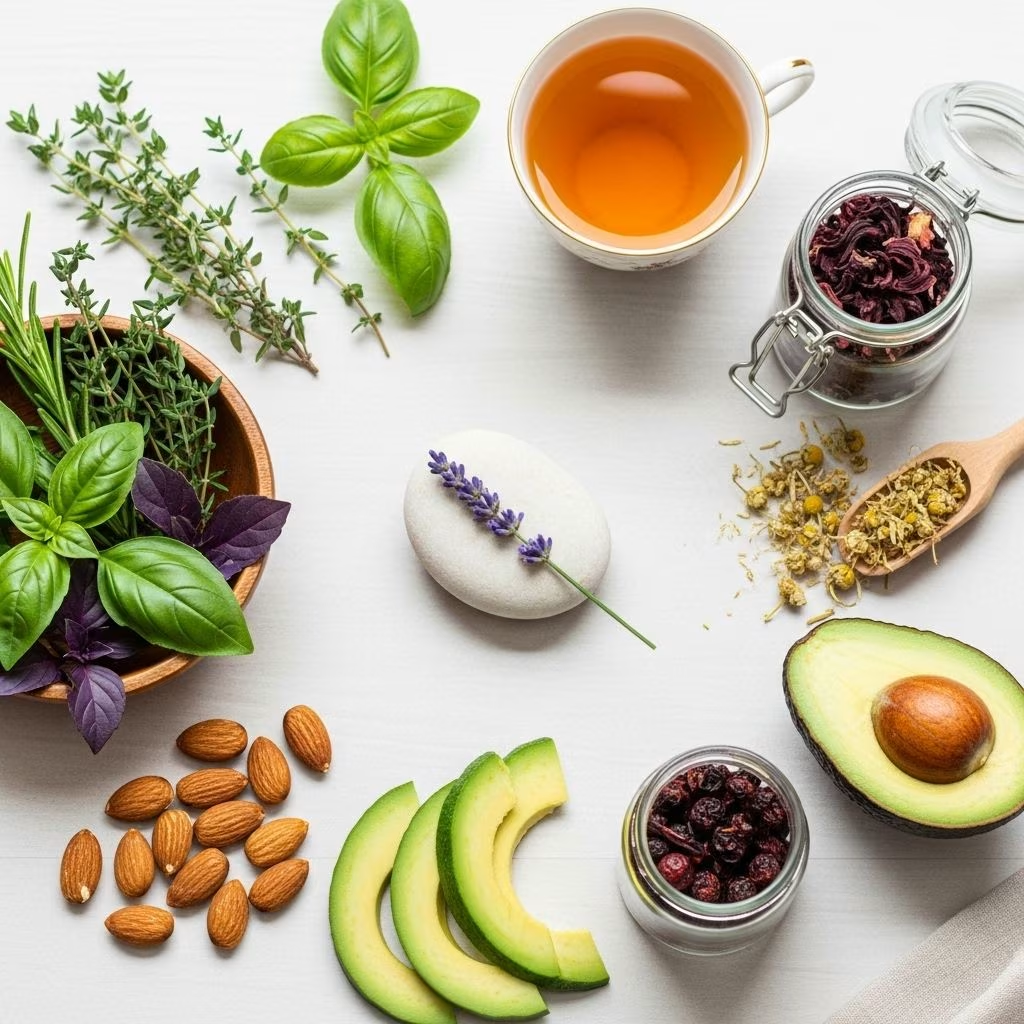
Introduction
Managing blood pressure is a key pillar of lifelong health, especially as we age. While medications play an important role for many, there is growing interest—and evidence—supporting natural approaches that complement medical care. This article explores practical, everyday strategies to support healthy blood pressure through nutrition, herbal remedies, and calming practices—all grounded in both tradition and science.
Food as Medicine: Nourishing Your Heart
What you eat directly impacts your blood pressure. Small, consistent dietary choices can yield significant benefits over time—sometimes reducing systolic pressure by 5–10 mmHg, which can meaningfully lower cardiovascular risk.
Potassium Power
Potassium helps balance sodium levels in the body and relaxes blood vessels. Incorporate these potassium-rich foods into your daily routine:
- Leafy greens (spinach, kale, Swiss chard)
- Sweet potatoes
- Bananas
- Melons
- Avocados
These foods are not only delicious but also support your heart health with every bite.
Magnesium Matters
Magnesium calms the nervous system and helps maintain healthy blood pressure. Enjoy these magnesium-rich options:
- Spinach
- Beans
- Nuts (almonds, cashews)
- Dark chocolate (a square a day can be a heart-healthy treat)
Including these in your diet may help your body better manage stress and blood pressure.
Daily Rituals: Herbal Teas
Herbal teas are a gentle, soothing way to support blood pressure. Consider adding these to your daily rhythm:
- Hibiscus tea: Studies suggest it may help lower blood pressure.
- Green tea: Rich in antioxidants, it may support heart health.
- Chamomile tea: Known for its calming effects, it may indirectly benefit blood pressure by reducing stress.
Enjoy these teas warm or iced, and notice how they become a comforting part of your routine.
Mind-Body Practices: Finding Calm in Daily Life
Stress is a well-known contributor to high blood pressure. Mind-body practices can activate your parasympathetic nervous system—your body’s “rest and restore” mode—helping to lower blood pressure naturally.
Meditation
Meditation is accessible to everyone, regardless of experience. Even 10 minutes of quiet sitting in the morning can help your mind settle and your body relax. Over time, this daily habit can lead to noticeable improvements in blood pressure and overall well-being.
Conscious Breathing
Your breath is always with you and is one of the most powerful tools for managing stress. Try slow, belly breathing—morning and night—to bring down systolic pressure by up to 10 points. This simple practice can be done anywhere, anytime, and requires no special equipment.
Yoga and Tai Chi
Gentle movement practices like yoga and Tai Chi combine breath, movement, and mindfulness. Regular practice has been shown to reduce blood pressure, improve circulation, and enhance mood.
Lifestyle Tweaks for Lasting Results
Beyond food and mindfulness, several lifestyle factors play a critical role in blood pressure management.
Reduce Sodium Intake
Most adults consume far more sodium than needed, primarily from processed foods. Reducing sodium to 1,500 mg per day can lower high blood pressure by about 5–6 mmHg. Tips to cut sodium:
- Read food labels and choose low-sodium options.
- Cook at home to control salt content.
- Use herbs and spices instead of table salt for flavor.
- Limit processed and restaurant foods, which are often high in sodium.
Limit Alcohol
Moderate alcohol consumption (up to one drink per day for women, two for men) may have a modest benefit, but excess alcohol raises blood pressure and can interfere with medications.
Regular Physical Activity
Aim for at least 150 minutes of moderate-intensity exercise each week. Walking, swimming, cycling, or dancing not only help control weight but also lower blood pressure and improve heart health.
Weight Management
Losing even a small amount of excess weight can have a significant impact on blood pressure. Focus on gradual, sustainable changes rather than quick fixes.
Herbal and Supplemental Support
Several herbs and supplements have been studied for their potential blood pressure benefits, though evidence is mixed and caution is advised—especially if you take prescription medications.
Promising Herbs
- Garlic: May have a modest effect on lowering blood pressure.
- Hibiscus: Shown in some studies to reduce systolic and diastolic pressure.
- Olive leaf extract: Contains compounds that may help relax blood vessels.
Supplements to Consider
- Magnesium and potassium: Often beneficial if dietary intake is insufficient.
- Omega-3 fatty acids (fish oil): May help lower blood pressure slightly, especially in people with hypertension.
- Coenzyme Q10: Some evidence supports its use, though more research is needed.
Herbs and Supplements to Use with Caution
- Licorice root: Can raise blood pressure in some individuals.
- Ephedra (ma huang): Avoid due to significant cardiovascular risks.
- St. John’s Wort: May interact with many medications.
Always consult your healthcare provider before starting any new supplement or herbal remedy.
The Power of Consistency
Natural approaches to blood pressure management work best when practiced consistently. There’s no need for extreme diets or retreats—small, daily habits add up over time to make a meaningful difference in your cardiovascular health.
Blood Pressure-Friendly Daily Routine
Here’s a sample daily routine to support healthy blood pressure:
- Morning: Start with 10 minutes of meditation or breathwork. Enjoy a potassium- and magnesium-rich breakfast (e.g., yogurt with berries and nuts).
- Midday: Take a short walk. Sip herbal tea instead of caffeinated beverages.
- Evening: Enjoy a balanced dinner with plenty of vegetables, whole grains, and lean protein. Practice gentle breathing or yoga before bed.
Blood Pressure-Lowering Foods Quick Reference
| Food | Key Nutrient | How It Helps |
|---|---|---|
| Leafy greens | Potassium, Magnesium | Relaxes blood vessels, balances sodium |
| Berries | Anthocyanins | Antioxidants may reduce blood pressure |
| Beets | Nitrates | Converts to nitric oxide, lowering pressure |
| Yogurt | Calcium, Potassium | Supports blood vessel function |
| Dark chocolate | Flavonoids | May improve blood flow |
Frequently Asked Questions (FAQs)
Q: Can natural remedies replace blood pressure medication?
A: Natural remedies can support blood pressure management, especially when combined with a healthy lifestyle, but they should not replace prescribed medications without consulting your healthcare provider. Always discuss changes with your doctor.
Q: How quickly can lifestyle changes affect blood pressure?
A: Some people notice improvements within a few weeks of consistent healthy eating, exercise, and stress reduction, but individual responses vary. Long-term habits yield the best results.
Q: Are herbal teas safe for everyone with high blood pressure?
A: Most herbal teas are safe, but some herbs (e.g., licorice) can raise blood pressure. Check with your healthcare provider, especially if you take medications.
Q: How much potassium should I consume daily?
A: The recommended intake is about 2,600–3,400 mg per day for adults. Focus on food sources rather than supplements unless advised by your doctor.
Q: Can stress alone cause high blood pressure?
A: Chronic stress can contribute to high blood pressure, especially when combined with other risk factors. Managing stress through mindfulness, exercise, and social support is important for heart health.
Conclusion
Managing blood pressure naturally is within reach for most people—through nourishing foods, calming practices, and mindful lifestyle choices. While these approaches are supportive, they work best alongside regular medical care and open communication with your healthcare provider. Start with small, sustainable changes, and over time, you’ll likely notice not just better numbers, but also greater energy, calm, and vitality in everyday life.
Key Takeaways
- Eat for your heart: Prioritize potassium- and magnesium-rich foods, reduce sodium, and enjoy herbal teas.
- Calm your mind: Practice meditation, conscious breathing, and gentle movement daily.
- Move your body: Regular physical activity supports healthy blood pressure and overall well-being.
- Consistency counts: Small, daily habits add up to meaningful, lasting results.
- Consult your provider: Always discuss new remedies or lifestyle changes with your healthcare team.
References
- https://www.ebsco.com/research-starters/complementary-and-alternative-medicine/natural-treatments-hypertension
- https://sixtyandme.com/blood-pressure-natural-remedies/
- https://www.ncoa.org/article/10-foods-that-help-lower-blood-pressure-naturally/
- https://www.mayoclinic.org/diseases-conditions/high-blood-pressure/in-depth/high-blood-pressure/art-20046974
- https://sixtyandme.com/4-powerful-ways-to-control-blood-pressure-naturally/
- https://www.youtube.com/watch?v=t4e5VdX27cA
- https://www.youtube.com/watch?v=NMuzXbyu7YY


