


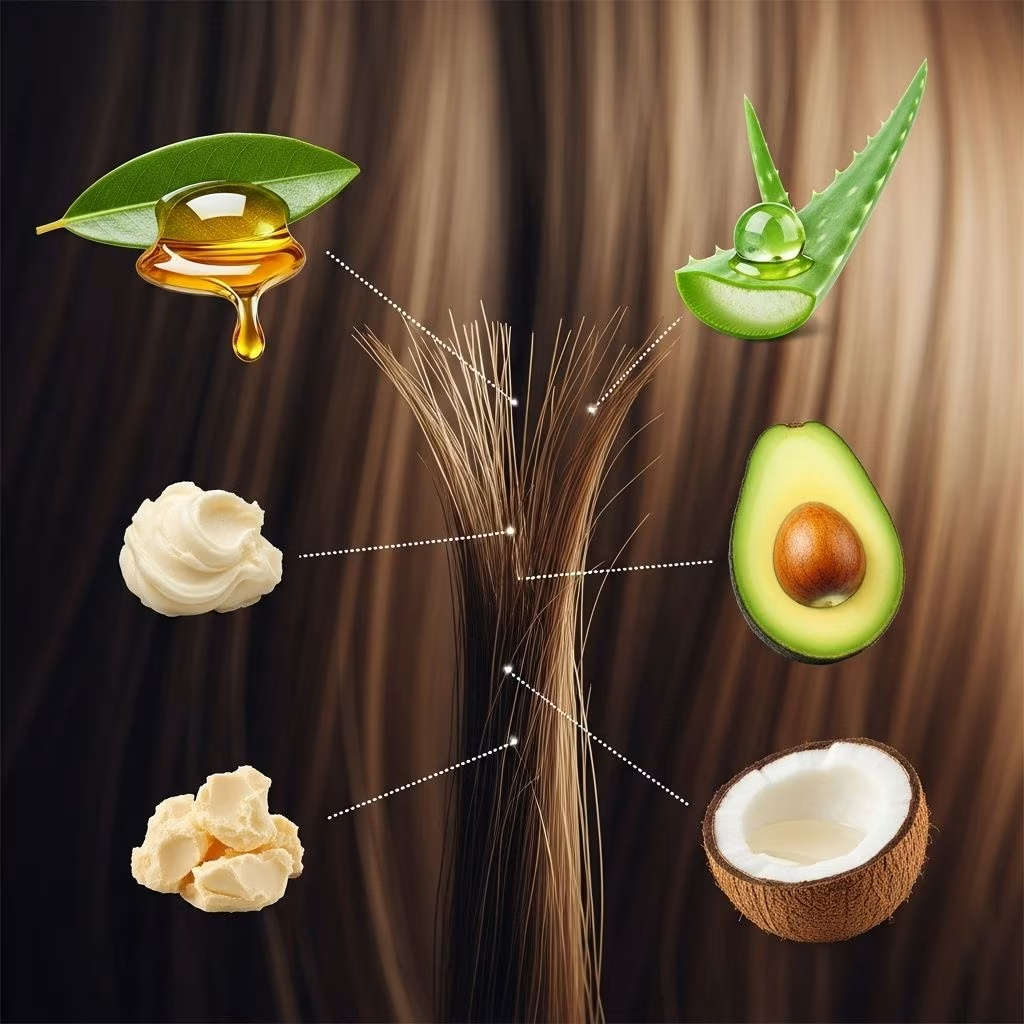
5 Easy Remedies For Split Ends: Restore Health & Shine Naturally
Split ends are the bane of healthy, beautiful hair. They make your tresses look dry, frizzy, and unkempt—but the good news is, you don’t need expensive salon treatments to fight back. With a few natural ingredients found in your kitchen, you can nourish, repair, and protect your hair from further damage. This guide covers five easy, effective remedies for split ends, plus practical tips to keep your mane looking its best.
1. Use Avocados for Deep Moisture
Avocados are more than just a delicious snack—they’re a powerhouse for hair health. Packed with natural oils, proteins, and vitamins, avocados deliver intense hydration to dry, brittle hair. Their fatty acids help repair damage, smooth the cuticle, and restore shine.
How to Make an Avocado Hair Mask
- Mash one ripe avocado until smooth.
- Add two tablespoons of olive oil for extra moisture.
- Mix well and apply from roots to ends.
- Leave on for 20–30 minutes, then rinse with cool water.
- Repeat once a week for best results.
This mask will leave your hair softer, shinier, and less prone to splitting—no chemicals needed!
2. Coconut Oil: The Tropical Moisturizer
Coconut oil is a well-known hero in the world of natural hair care. Its unique fatty acid structure allows it to penetrate the hair shaft, providing long-lasting moisture and protection against damage. Regular use can reduce breakage and prevent new split ends from forming.
Applying Coconut Oil
- Warm a small amount of coconut oil between your palms.
- Apply to dry or damp hair, focusing on the ends.
- Leave in for at least 30 minutes—overnight for deeper treatment.
- Wash out with a gentle shampoo.
- Use weekly or as needed for dry, damaged hair.
3. Egg Treatment: Protein Power for Repair
Eggs are rich in protein and lecithin, which help strengthen hair fibers and repair weak, split ends. The natural proteins in eggs can patch up minor damage and add body and shine to lifeless locks.
How to Use Eggs on Hair
- Beat 1–2 eggs (use the whole egg or just the yolk for extra moisture).
- Apply the mixture to clean, damp hair, working from roots to tips.
- Leave on for 15–20 minutes, then rinse with cool water (to avoid cooking the egg).
- Wash with a mild shampoo to remove any residue.
- Repeat every 2–3 weeks to maintain healthy, resilient hair.
4. Beer Rinse: Boost Body & Shine
Beer isn’t just for sipping—it’s a secret weapon for dull, frizzy hair. The proteins and B vitamins in beer help fortify hair, smooth the cuticle, and add natural shine. A beer rinse can temporarily seal split ends and make your hair look fuller and smoother.
How to Rinse Hair With Beer
- Choose a flat beer (let it sit open for a few hours to remove carbonation).
- After shampooing, pour the beer over your hair, focusing on the ends.
- Massage into your scalp and hair for a few minutes.
- Rinse thoroughly with cool water.
- Follow up with your regular conditioner.
- Use once a week for best results.
5. Honey: Nature’s Humectant
Honey is a natural humectant, meaning it attracts and retains moisture in your hair. This helps combat dryness and frizz, two major causes of split ends. Honey also adds shine and softness, making your hair more manageable and healthy-looking.
Honey Hair Treatment
- Mix 2 tablespoons of raw honey with 1 tablespoon of olive oil or coconut oil.
- Apply to damp hair, paying special attention to split ends.
- Leave on for 20–30 minutes, then rinse with lukewarm water.
- Use weekly for continued hydration and repair.
Bonus Tips for Preventing Split Ends
While these remedies can help repair and mask split ends, prevention is the best long-term strategy. Here’s how you can keep your hair healthy and minimize future damage:
- Get Regular Trims: Even small trims every 6–8 weeks can prevent splits from traveling up the hair shaft and keep your ends looking fresh.
- Reduce Heat Styling: Limit the use of blow dryers, straighteners, and curling irons. When you do use heat, always apply a heat protectant.
- Be Gentle When Brushing: Use a wide-tooth comb or a brush designed for detangling. Start from the ends and work your way up to avoid unnecessary breakage.
- Protect Hair at Night: Sleep on a silk or satin pillowcase to reduce friction, or tie your hair in a loose braid.
- Avoid Harsh Chemicals: Limit hair coloring, bleaching, and perms, as these weaken hair and increase the risk of splits.
- Use the Right Shampoo: Focus shampoo on your scalp, not the lengths of your hair, to avoid stripping natural oils from your ends.
- Deep Condition Regularly: Incorporate a deep conditioning mask into your routine to keep hair strong and hydrated.
Understanding Split Ends: Causes and Signs
Split ends, or trichoptilosis, occur when the protective outer layer of the hair (the cuticle) is damaged, leaving the inner cortex exposed. This can happen due to heat, chemicals, rough handling, or even normal wear and tear. Common signs include:
- Dry, brittle ends
- Visible splits or “feathers” at the tips
- Frizz and unmanageability
- Hair that tangles easily
Why Products Can’t Truly Repair Split Ends
Most split end “repair” products on the market only offer a temporary, cosmetic fix. They may smooth the cuticle and make hair appear healthier, but they cannot permanently fuse split ends back together. The only real way to eliminate splits is to trim them off. However, consistent use of nourishing oils and masks can help prevent new split ends and improve overall hair health.
How Often Should You Treat Your Hair?
| Treatment | Recommended Frequency |
|---|---|
| Avocado Mask | Weekly |
| Coconut Oil | Weekly (or as needed) |
| Egg Treatment | Every 2–3 weeks |
| Beer Rinse | Weekly |
| Honey Mask | Weekly |
FAQs: Your Split End Questions Answered
Q: Can you actually repair split ends at home?
A: While you can’t truly “repair” split ends permanently at home, you can temporarily seal them and improve their appearance with natural masks and oils. Regular trimming is still the best solution for eliminating existing splits.
Q: How can I prevent split ends from coming back?
A: Prevent split ends by minimizing heat and chemical exposure, using gentle hair care tools, protecting hair at night, and nourishing your hair with regular deep conditioning treatments.
Q: Are there any ingredients I should avoid in split end products?
A: Avoid alcohol-heavy hair sprays, heavy silicones, and harsh sulfates. These can dry out your hair or cause buildup without providing real benefit.
Q: How often should I trim my hair to prevent split ends?
A: Schedule a trim every 6–8 weeks to keep your ends healthy and prevent splits from worsening.
Conclusion
Split ends are a common hair woe, but they don’t have to ruin your look. With the right natural remedies—avocado, coconut oil, eggs, beer, and honey—you can nourish your hair, reduce breakage, and enjoy smoother, shinier locks. Remember, while DIY treatments can mask the damage, regular trims are essential for truly healthy hair. By combining these easy remedies with mindful hair care habits, you’ll be well on your way to a stunning, split-free mane.
References
- https://skinnyms.com/5-easy-remedies-split-ends/
- https://www.youtube.com/watch?v=qECcgkETXkg
- https://us.davines.com/blogs/news/what-do-split-ends-look-like
- https://www.tomsofmaine.com/blogs/natural-products/6-natural-remedies-for-split-ends
- https://www.youtube.com/watch?v=G-tyJgjNWhE
- https://www.splitenderpro.net/blogs/split-end-solutions/best-split-end-treatments-that-actually-work-ranked-reviewed
- https://www.fforhair.com/blogs/the-edit/the-edit-putting-an-end-to-split-ends-how-to-prevent-and-treat-them
- https://www.lorealprofessionnel.co.uk/hair-care-advice/what-causes-split-ends
- https://www.mcgill.ca/oss/article/student-contributors-health-and-nutrition/can-you-repair-split-ends
- https://kilgourmd.com/blogs/news/mastering-the-art-of-split-end-prevention-for-gorgeous-locks


