


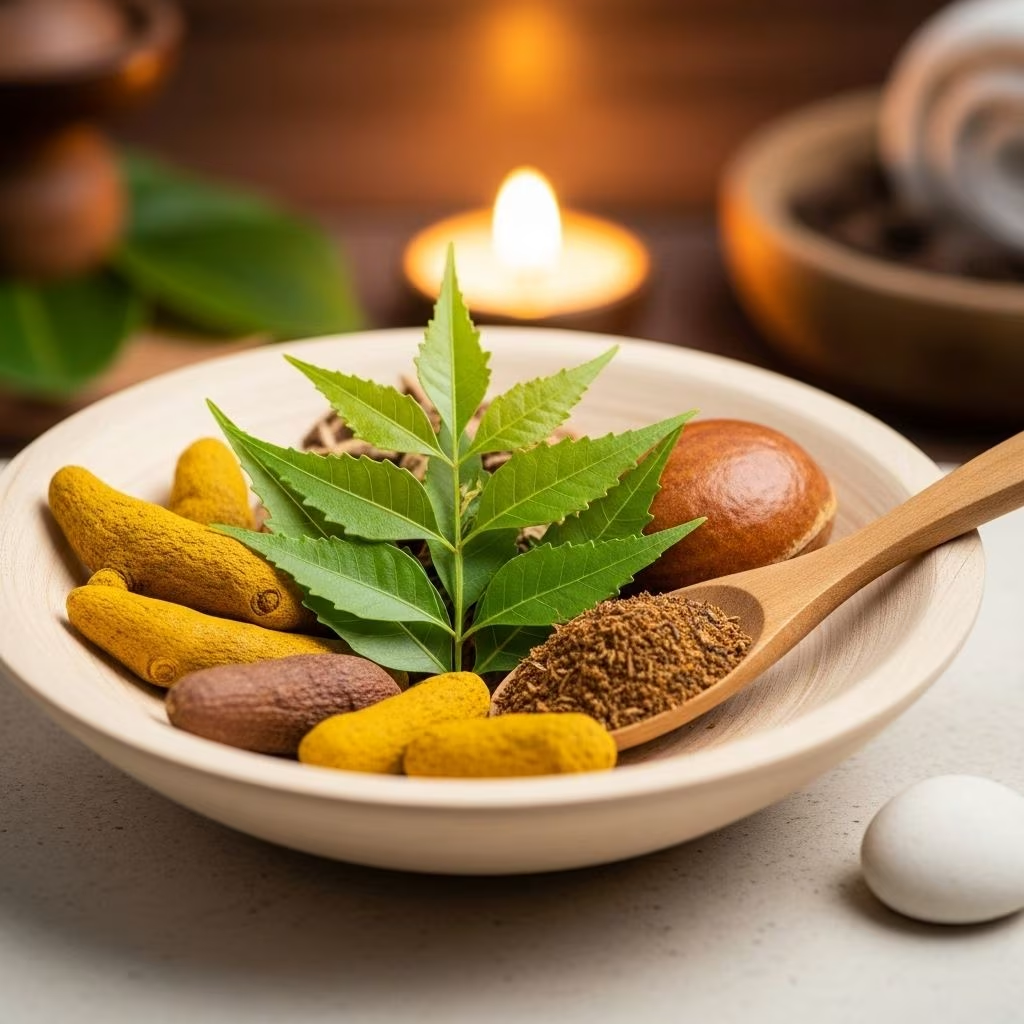
How Ayurveda Treats Bleeding Piles: Holistic Remedies for Lasting Relief
Bleeding piles, also known as hemorrhoids, are a common condition that causes pain, discomfort, and distress in the anal and rectal area. While modern medicine often emphasizes symptomatic relief through drugs or surgery, Ayurveda provides a comprehensive, root-cause approach. This ancient Indian medical science utilizes a blend of herbal remedies, dietary modifications, detoxification therapies, and lifestyle changes to treat bleeding piles and prevent recurrence.
Understanding Bleeding Piles in Ayurveda
In Ayurvedic texts, piles are referred to as Arsha—literally meaning “enemy within the body”. Arsha develops due to imbalances in the body’s vital energies (Vata, Pitta, and Kapha doshas) and the accumulation of toxins known as Ama. Ayurveda approaches the treatment of bleeding piles by addressing both acute symptoms (bleeding, pain, swelling) and their underlying causes.
- Vata imbalance: Leads to constipation, hard stools, and straining during defecation, which damages rectal veins.
- Pitta imbalance: Causes inflammation and predisposes to bleeding piles (Raktarsha).
- Kapha imbalance: Results in mucosal congestion and swelling.
Causes and Risk Factors According to Ayurveda
- Irregular eating habits
- Consumption of processed, spicy, or dry foods
- Low fiber intake
- Prolonged sitting or lack of exercise
- Chronic constipation or diarrhea
- Stress
- Suppression of natural urges (especially the urge to defecate)
Ayurvedic Approach to Treating Bleeding Piles
The Ayurvedic management of piles is designed to:
- Balance the three doshas
- Promote digestive health for regular, soft bowel movements
- Detoxify the body and remove Ama
- Provide symptomatic relief (stop bleeding, reduce pain, shrink hemorrhoids)
- Prevent recurrence through lifestyle and dietary modifications
Core Ayurvedic Therapies for Bleeding Piles
1. Detoxification Therapies (Shodhana Chikitsa)
Ayurveda considers the elimination of toxins essential. The primary detoxification techniques for piles include:
- Kshara Karma: The most effective and minimally invasive procedure. Kshara, a herbal alkaline paste, is applied and chemically cauterizes the hemorrhoid, reducing bleeding, pain, and size. Studies show significant benefits, minimal side effects, and lower recurrence rates.
- Virechana (Therapeutic Purgation): Herbal laxatives cleanse the gastrointestinal tract and eliminate excess Pitta, helping control inflammation and bleeding.
- Kshara Sutra: A medicated thread ligation for more stubborn, internal or large hemorrhoids. The thread gradually cuts off blood supply, leading to painless shrinkage.
2. Herbal Treatments (Aushadhi)
Many Ayurvedic herbs are noted for their anti-inflammatory, astringent, and healing properties in bleeding piles:
- Haritaki (Terminalia chebula): Used as a laxative and digestive tonic. Haritaki with jaggery or buttermilk aids regular bowel movements and soothes the digestive tract.
- Triphala: A blend of Haritaki, Bibhitaki, and Amalaki; supports gentle detoxification and regulates digestion.
- Apamarga (Achyranthes aspera): Its seed powder, when mixed with rice water, is a traditional remedy for bleeding hemorrhoids.
- Turmeric: Noted for its antimicrobial and anti-inflammatory effects, turmeric can help prevent infection and reduce bleeding.
- Psyllium husk: Provides fiber, softens stool, and relieves constipation.
- Sesame seeds: Black sesame seeds mixed with ghee/butter are advantageous for bleeding piles.
Dietary Recommendations in Ayurveda for Bleeding Piles
Diet plays a central role in both the prevention and management of piles. A fiber-rich, balanced diet helps restore digestive harmony and prevents constipation.
- Include fruits and vegetables: Papaya, figs, grapes, carrots, spinach, and bottle gourd promote bowel regularity.
- Whole grains: Brown rice, oats, barley, and millet supply essential fiber.
- Avoid spicy, oily, and processed foods: These aggravate Pitta and cause inflammation.
- Drink plenty of water: Hydration softens stools and facilitates easy evacuation.
- Emphasize buttermilk and rice water: Traditional cooling remedies for appeasing Pitta and soothing the digestive tract.
- Limit caffeine and red meat: These foods increase heat and worsen inflammation.
Home Remedies for Bleeding Piles in Ayurveda
Ayurveda provides simple, effective home remedies for mild to moderate bleeding piles. These remedies can be used alone or alongside prescribed medications.
| Remedy | Ingredients | Preparation | Usage |
|---|---|---|---|
| Haritaki Paste | 1 tsp Haritaki, 1 tsp Jaggery | Mix into a smooth paste | Consume before food, 1-2 times daily |
| Triphala Decoction | Powdered Triphala | Brew a decoction with water | Drink before bed for gentle cleansing |
| Apamarga Rice Water | Apamarga seed powder, rice coarse powder, water | Prepare rice water, mix seed powder | Take before meals, 1-2 weeks for bleeding control |
| Black Sesame-Ghee Mix | 5g black sesame seeds, ghee/butter | Powder sesame, mix with ghee | Consume for bleeding piles |
| Psyllium Husk in Water | 1 tsp psyllium husk, water | Soak and blend | Drink nightly for regular bowel movements |
Ayurvedic Medicines and Formulations
Ayurvedic practitioners may prescribe specific herbal formulations for bleeding piles, tailored to the individual’s dosha, symptoms, and constitution. Some commonly used medicines include:
- Triphala Guggulu: Combines Triphala and Guggulu resin; useful for chronic piles and improves wound healing.
- Arshoghni Vati: A tablet formulation with anti-piles herbs.
- Abhayarishta: An herbal tonic that supports digestion and relieves constipation.
- Pilex: A polyherbal formulation available in tablet or ointment forms.
What to Expect: Effectiveness and Safety
Ayurvedic treatments—especially minimally invasive ones like Kshara Karma—have shown notable efficacy in reducing bleeding, shrinking piles, and alleviating discomfort. Studies have observed:
- Pile mass and bleeding resolved in under three weeks
- Minimal side effects and low risk of recurrence
- Safe for first- and second-degree hemorrhoids; severe or complicated cases may require careful professional evaluation and a combination of modern and Ayurvedic interventions
Risks and Side Effects from improper treatment or advanced procedures may include tissue damage, infection, pain, bleeding, leakage of stool, and recurrence. Always consult a qualified Ayurvedic practitioner or physician before beginning any therapy or remedy.
Preventive Strategies and Lifestyle Modifications
Ayurveda emphasizes prevention to reduce the recurrence of bleeding piles. Alongside medicines and procedures, adopt the following lifestyle changes:
- Follow regular meal timings: Eat at consistent times to support digestive fire.
- Engage in daily physical activity: Yoga, walking, or other gentle exercises aid bowel movement and circulation.
- Avoid sitting for long periods: Take breaks to stand and stretch.
- Don’t suppress natural urges: Respond promptly to the urge to defecate.
- Practice stress management: Meditation, pranayama, and relaxation techniques balance doshas.
- Maintain hygiene: Clean the anal area thoroughly and gently to prevent infection.
Ayurvedic Therapies for Advanced Cases
For chronic or advanced bleeding piles (prolapsed, thrombosed, or infected hemorrhoids), Ayurveda may recommend integrated therapies:
- Kshara Sutra Therapy: Medicated thread ligation for persistent or large internal hemorrhoids with minimal pain, low downtime, and high success rate.
- Combination Approach: Integration of modern surgical techniques with Ayurvedic therapies has a synergistic effect and can be tailored to the patient’s needs.
Frequently Asked Questions (FAQs)
Q: Are Ayurvedic treatments for bleeding piles safe?
Most herbal remedies, dietary changes, and minimally invasive procedures like Kshara Karma are generally safe when performed under guidance. Risks are higher in advanced procedures—thus, always consult an experienced practitioner.
Q: How long does it take for Ayurvedic treatments to show results in bleeding piles?
Simple herbal and dietary remedies may show improvement within 1–2 weeks. Minimally invasive treatments like Kshara Karma often result in healing within 2–3 weeks for mild to moderate cases.
Q: Can I use home remedies for piles without seeing a practitioner?
Mild cases may benefit from home remedies (Haritaki paste, Apamarga rice water, psyllium husk) with medical supervision. Severe or persistent bleeding, pain, or prolapse always require expert evaluation.
Q: What foods should I strictly avoid if I have bleeding piles?
Avoid spicy, oily, and processed foods, caffeinated drinks, alcohol, and red meats. These aggravate the symptoms and hinder healing.
Q: Which Ayurvedic herbs are most effective for stopping bleeding?
Apamarga, Haritaki, Triphala, turmeric, and black sesame seeds are recommended for their astringent, anti-inflammatory, and healing effects on bleeding piles.
Conclusion
Ayurvedic treatment for bleeding piles emphasizes holistic healing, focusing on both symptom relief and long-term digestive health. Through personalized herbal remedies, detox therapies, nutritional guidance, and lifestyle modifications, Ayurveda offers a non-surgical, sustainable path to lasting comfort. However, effectiveness depends strongly on proper diagnosis and individualized treatment, so always seek qualified medical advice before starting any regimen.
References
- https://www.healthline.com/health/ayurvedic-treatment-for-piles
- https://www.sreedhareeyam.com/hospital/blog/ayurvedic-treatment-for-piles-hemorrhoids-93
- https://www.easyayurveda.com/2013/12/18/effective-ayurvedic-treatment-haemorrhoids/
- https://oneworldayurveda.com/blog/reelieving-hemorrhoids-with-ayurveda/
- https://pmc.ncbi.nlm.nih.gov/articles/PMC3296339/
- https://keralaayurveda.biz/blogs/news/ayurvedic-treatment-for-piles-and-fissures
- https://miayurveda.org/treating-hemorrhoids-ayurveda/
- https://pmc.ncbi.nlm.nih.gov/articles/PMC3487235/


