


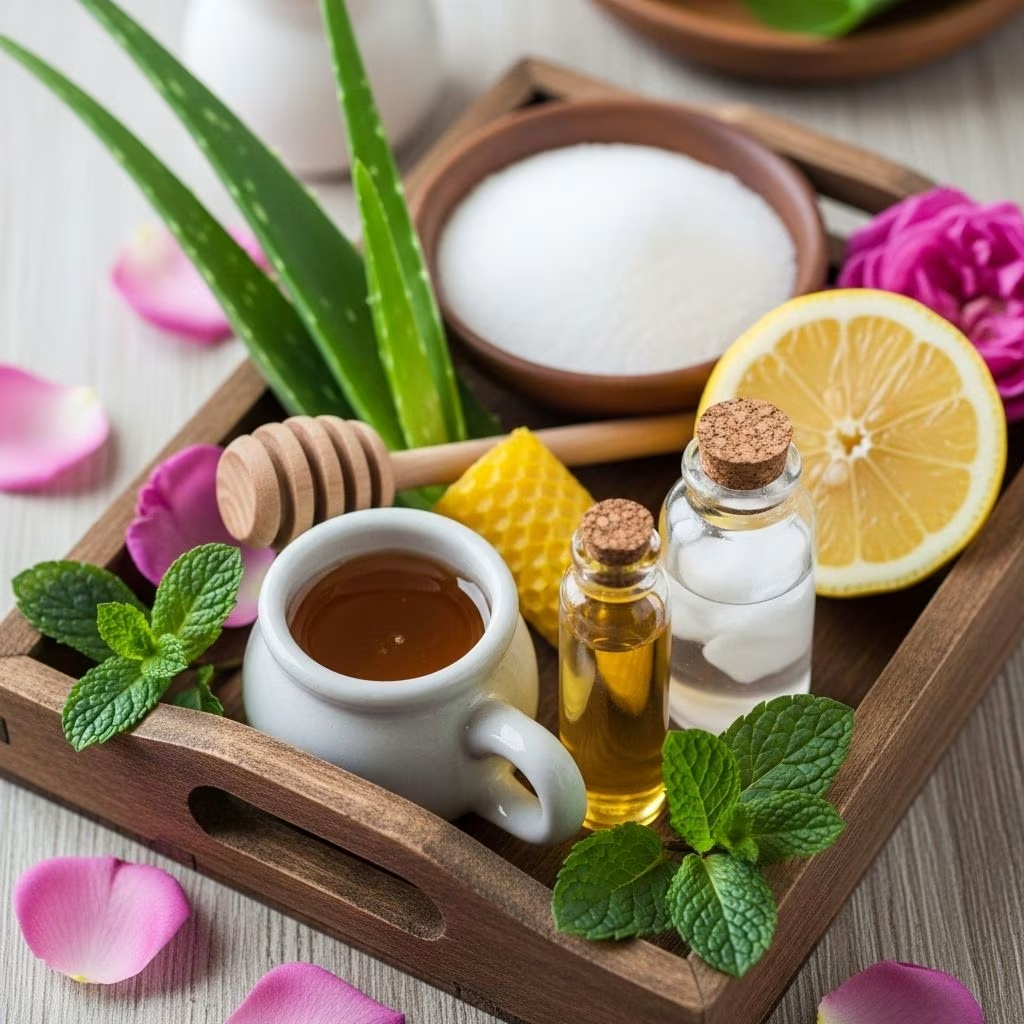
Chapped lips are a common concern that affects people throughout the year, regardless of the season. Whether it’s the harsh winter cold, dry indoor heating, scorching summer sun, or even certain cosmetic products, your delicate lip skin can easily become dry, cracked, and uncomfortable. Unlike the rest of your facial skin, lips lack oil glands, making them particularly vulnerable to moisture loss and environmental damage. While commercial lip balms offer quick relief, many contain synthetic ingredients that may provide only temporary solutions. Fortunately, nature provides us with numerous effective remedies that can heal, protect, and nourish your lips using ingredients you likely already have in your kitchen or bathroom cabinet.
Understanding how to properly care for chapped lips involves more than just applying moisturizer. It requires a holistic approach that includes gentle exfoliation, deep hydration, protection from environmental stressors, and consistent maintenance. The following nine DIY remedies have been used for generations and are supported by both traditional wisdom and modern dermatological research. These natural solutions not only address the symptoms of chapped lips but also work to restore your lip’s natural barrier function, promoting long-term health and softness.
Understanding Chapped Lips and Their Causes
Before diving into remedies, it’s essential to understand why lips become chapped in the first place. The skin on your lips is significantly thinner than the skin on other parts of your body, containing only three to five cellular layers compared to sixteen layers elsewhere. This delicate structure, combined with the absence of sebaceous glands that produce natural oils, makes lips exceptionally susceptible to dehydration and damage. Environmental factors such as cold wind, low humidity, excessive sun exposure, and indoor heating can rapidly strip moisture from your lips.
Additionally, certain habits contribute to chapped lips, including frequent lip licking, mouth breathing, dehydration, and using harsh cosmetic products. Some medications, particularly those that cause dry mouth, can also lead to persistently chapped lips. Nutritional deficiencies, especially of B vitamins and iron, may manifest as chronic lip dryness. Recognizing these underlying causes helps you take preventive measures while using the following remedies to heal existing damage.
The Importance of Exfoliation as a First Step
When lips become severely chapped, dead skin cells accumulate on the surface, creating a barrier that prevents healing ingredients from penetrating to the new skin underneath. This flaky, lifted skin not only looks unattractive but also interferes with the effectiveness of moisturizing treatments. Gentle exfoliation removes this dead layer, allowing your DIY remedies to work more effectively while promoting the regeneration of healthy lip tissue.
Creating a homemade lip scrub is remarkably simple and requires just two basic ingredients: an exfoliating agent and an emollient. For the exfoliating component, you can use granulated sugar or fine sea salt, both of which provide gentle mechanical exfoliation without causing micro-tears in the delicate lip skin. The emollient ingredient, such as honey, coconut oil, or olive oil, serves multiple purposes—it helps the scrub glide smoothly across your lips, provides immediate moisture, and contains beneficial nutrients that begin the healing process.
To prepare your DIY lip scrub, combine one tablespoon of your chosen exfoliating ingredient with one tablespoon of emollient in a small bowl. Mix thoroughly until you achieve a paste-like consistency. Using a cotton swab or clean finger, apply the scrub to your lips using gentle circular motions for about 30 seconds. Avoid scrubbing too vigorously, as this can cause further irritation. Rinse with lukewarm water or wipe away with a damp, soft washcloth. Follow immediately with one of the moisturizing remedies described below for optimal results. Exfoliate no more than two to three times per week, as over-exfoliation can damage the sensitive lip tissue.
Coconut Oil: Nature’s Moisturizing Powerhouse
Coconut oil stands out as one of the most effective natural remedies for chapped lips, offering multiple benefits in a single ingredient. Rich in essential fatty acids, particularly lauric acid, coconut oil penetrates deeply into the lip tissue to provide lasting moisture and help repair the skin’s protective barrier. The oil’s unique molecular structure allows it to seal in hydration more effectively than many commercial products, preventing water loss that leads to dryness and cracking.
Beyond its moisturizing properties, coconut oil possesses remarkable antimicrobial and anti-inflammatory characteristics that protect healing lips from bacterial infections while reducing swelling and discomfort. The vitamins and minerals naturally present in virgin coconut oil, including vitamin E and K, support skin regeneration and strengthen your lips’ resilience against future damage. Unlike petroleum-based products, coconut oil is completely natural, non-toxic, and safe to ingest, making it ideal for lip application where products inevitably enter your mouth.
To use coconut oil for chapped lips, select organic, virgin coconut oil for the highest quality and concentration of beneficial compounds. Apply a small amount directly to your lips using clean fingers or a cotton swab, reapplying throughout the day as needed, especially after eating or drinking. For intensive overnight treatment, apply a generous layer before bed, allowing the oil to work its magic while you sleep. Some people find that warming the oil slightly between their fingers helps it absorb more quickly, though this isn’t necessary for effectiveness.
Honey: Ancient Remedy with Modern Validation
Honey has been treasured as a healing substance for thousands of years, with archaeological evidence showing its medicinal use dating back to ancient Egypt. Modern scientific research has validated what traditional healers long knew—honey possesses extraordinary properties that make it exceptionally effective for treating chapped lips. Its natural humectant qualities mean it attracts and retains moisture from the air, keeping your lips hydrated for extended periods. This hygroscopic nature makes honey particularly useful in environments with moderate humidity levels.
The antimicrobial properties of honey, attributed to its hydrogen peroxide content and low pH, protect cracked lips from bacterial infections that can complicate healing and cause discomfort. Honey also contains enzymes, antioxidants, and nutrients that accelerate wound healing, reduce inflammation, and promote the growth of new, healthy tissue. As a mild natural exfoliant, honey gently removes dead skin cells while simultaneously moisturizing, making it a complete treatment in itself. Various studies have demonstrated honey’s effectiveness in treating skin conditions, wound healing, and inflammatory responses.
For best results, choose raw, organic honey, which retains more of its beneficial enzymes and nutrients compared to processed varieties. Apply a thin layer of honey to your lips using clean fingers or a cotton swab, leaving it in place for 15-20 minutes before gently wiping away any excess. You can also use honey as an overnight mask for intensive treatment. If you enjoy the taste, simply lick your lips after application—honey is completely safe to consume and may even provide internal health benefits. However, individuals with pollen or bee venom allergies should exercise caution and may need to avoid honey products entirely.
Aloe Vera: Soothing Gel for Damaged Lips
Aloe vera has earned its reputation as a skin-soothing superstar, offering remarkable benefits for treating chapped and damaged lips. The clear gel found inside aloe vera leaves contains over 75 active compounds, including vitamins, minerals, enzymes, amino acids, and polysaccharides that work synergistically to heal and protect delicate lip tissue. The plant’s anti-inflammatory properties are particularly valuable for lips that have become red, swollen, or painful due to severe chapping or sun exposure.
Rich in antioxidants such as vitamins C and E, aloe vera gel helps repair cellular damage caused by environmental stressors while strengthening your lips’ natural defenses against future harm. The gel’s enzymes provide gentle exfoliation, removing dead skin cells without mechanical scrubbing that might further irritate sensitive lips. Additionally, aloe vera’s cooling sensation offers immediate relief from the burning or tingling sensations often associated with severely chapped lips, making it especially comforting for sun-damaged tissue.
For the most potent treatment, use fresh aloe vera gel directly from the plant if you have access to one. Simply cut a mature leaf, squeeze out the clear gel, and apply it generously to your lips. If fresh aloe isn’t available, choose a high-quality commercial aloe vera gel with minimal additives—look for products that contain at least 95% pure aloe vera. Apply the gel liberally throughout the day, allowing it to absorb completely. You can also refrigerate the gel for an extra cooling effect that provides enhanced relief from inflammation and discomfort.
Avocado Butter: Luxurious Lip Nourishment
Avocado butter, derived from the rich, creamy flesh of avocados, offers exceptional nourishment for chapped lips through its unique composition of beneficial fatty acids and vitamins. Unlike oils that may feel greasy or heavy, avocado butter has a smooth, creamy texture that absorbs readily into lip tissue without leaving an unpleasant residue. This makes it particularly appealing for those who dislike the feel of traditional petroleum-based lip products or heavy oils on their lips.
The fatty acid profile of avocado butter includes high concentrations of oleic acid and linoleic acid, both of which are crucial for maintaining healthy skin barrier function and preventing moisture loss. These essential fatty acids help repair damaged cell membranes in chapped lips, restoring their natural protective capabilities. Avocado butter also contains vitamins A, D, and E, along with potassium and lecithin, all of which contribute to skin regeneration, elasticity, and overall lip health. Research has shown that avocado-derived ingredients work effectively as emollients and thickeners in lip care formulations.
You can purchase organic avocado butter from natural health stores or online retailers, or create your own at home using ripe avocados and a food processor. To make homemade avocado butter, blend the flesh of 2-3 ripe avocados until completely smooth, then store in an airtight container in the refrigerator for up to one week. Apply avocado butter to your lips as needed throughout the day, using your fingers or a cotton swab. For enhanced benefits, combine avocado butter with a few drops of vitamin E oil or your favorite essential oil for added healing properties and pleasant scent.
Petroleum Jelly: Dermatologist-Recommended Protection
While petroleum jelly might seem less exotic than other natural remedies, it remains one of the most effective and widely recommended treatments for chapped lips among dermatologists and skincare professionals. The American Academy of Dermatology specifically endorses white petroleum jelly as a reliable solution for dry, cracked lips, citing its superior ability to seal in moisture and protect healing tissue from environmental irritants. Its occlusive properties create a protective barrier that prevents water evaporation from your lips, which is crucial for healing severely chapped conditions.
Petroleum jelly’s effectiveness lies in its molecular structure—it forms a semi-permeable seal over the skin that locks in existing moisture while still allowing the skin to breathe and function normally. Unlike some oils and waxes that may evaporate relatively quickly, petroleum jelly remains on the lips for extended periods, providing hours of continuous protection and moisture retention. It’s also remarkably inexpensive, widely available, and has an indefinite shelf life, making it a practical choice for consistent lip care.
Apply white petroleum jelly liberally to your lips throughout the day, with particular attention to application before bed and after eating or drinking. For optimal results, layer petroleum jelly over other treatments—for example, apply honey or aloe vera first, then seal it in with a thin layer of petroleum jelly. This layering technique maximizes the benefits of each ingredient. However, avoid using petroleum jelly on sunburned lips, as it can trap heat and worsen the burn. In such cases, opt for cooling treatments like aloe vera instead.
Cucumber: Hydrating and Refreshing Relief
Cucumbers might be best known for their role in spa treatments and under-eye care, but they also offer remarkable benefits for chapped lips. With a water content exceeding 95%, cucumbers provide intense hydration that can quickly refresh and revitalize dry, tired lips. Beyond simple hydration, cucumbers contain vitamins C and K, along with caffeic acid and other compounds that possess anti-inflammatory and antioxidant properties, helping to reduce swelling and protect against oxidative damage.
The cooling, soothing sensation of fresh cucumber makes it particularly pleasant for treating lips that feel hot, tight, or uncomfortable due to chapping. The natural enzymes present in cucumber also provide very gentle exfoliation, helping to remove dead skin cells without the abrasiveness of physical scrubs. Additionally, cucumber’s mild astringent properties can help tighten and tone the delicate lip tissue, promoting a healthier appearance once healing is complete.
To use cucumber for chapped lips, wash a fresh cucumber thoroughly and cut a thick slice. Rub the slice gently over your lips for several minutes, allowing the juice to coat them completely. Alternatively, you can extract cucumber juice using a blender or juicer and apply it to your lips with a cotton ball. For an extra soothing treatment, refrigerate cucumber slices before use—the cold temperature provides additional relief from inflammation and discomfort. Leave the cucumber juice on your lips for 10-15 minutes before rinsing with cool water, then follow with a moisturizing treatment like coconut oil or avocado butter to seal in the hydration.
Green Tea: Antioxidant-Rich Healing
Green tea has gained widespread recognition for its numerous health benefits, from boosting metabolism to fighting cancer, but its topical applications for skin care, including lip treatment, deserve equal attention. Rich in polyphenols, particularly catechins like EGCG (epigallocatechin gallate), green tea possesses powerful antioxidant and anti-inflammatory properties that can accelerate healing of chapped lips while protecting them from environmental damage. These compounds neutralize free radicals that contribute to cellular damage and premature aging.
The tannins present in green tea provide natural astringent properties that can help reduce swelling and tighten lip tissue, while the tea’s antimicrobial effects protect healing lips from bacterial infections. Green tea also contains vitamins B2 and E, both of which support skin health and regeneration. Research has demonstrated green tea’s effectiveness in treating various inflammatory skin conditions and promoting wound healing, making it a scientifically-supported addition to your lip care routine.
To prepare a green tea treatment for chapped lips, brew a strong cup of organic green tea and allow it to cool to room temperature. You can either dab the cooled tea directly onto your lips using a cotton ball, or soak a soft cloth in the tea and apply it as a compress, holding it against your lips for 10-15 minutes. For a more intensive treatment, allow the tea to cool completely, then freeze it into ice cubes. Wrapping a green tea ice cube in a thin cloth and gently applying it to your lips provides both the healing benefits of green tea and the soothing, anti-inflammatory effects of cold therapy. After treatment, apply a moisturizing agent like coconut oil or honey to lock in the benefits.
Ghee: Traditional Ayurvedic Wisdom
Ghee, or clarified butter, holds a revered place in Ayurvedic medicine as a healing substance for various ailments, including skin dryness and chapped lips. Used for thousands of years in Indian traditional medicine, ghee offers deep moisturization through its rich concentration of fat-soluble vitamins, particularly vitamins A, D, E, and K. These vitamins play crucial roles in skin health, supporting cell regeneration, maintaining skin barrier function, and protecting against oxidative damage.
The unique fatty acid composition of ghee allows it to penetrate deeply into lip tissue, providing nourishment at a cellular level rather than just coating the surface. Ghee’s emollient properties create a protective layer that seals in moisture while remaining breathable, unlike some synthetic occlusive agents. Additionally, the conjugated linoleic acid (CLA) found in ghee possesses anti-inflammatory properties that can help reduce swelling and discomfort associated with severely chapped lips.
For lip treatment, use pure, organic ghee—preferably grass-fed for the highest nutritional content. Apply a small amount to your lips using clean fingers, gently massaging it in until absorbed. Ghee works particularly well as an overnight treatment due to its long-lasting moisturizing effects. You can use it alone or combine it with other ingredients like a pinch of saffron or a drop of rose essential oil for enhanced benefits and pleasant aroma. Regular application of ghee not only heals existing chapping but also strengthens your lips’ natural defenses, making them more resilient against future damage.
Essential Lifestyle Changes for Prevention
While these nine DIY remedies offer powerful solutions for treating chapped lips, incorporating certain lifestyle changes ensures lasting results and prevents recurrence. Hydration stands as the foundation of lip health—drinking adequate water throughout the day maintains systemic hydration that reflects in your skin, including your lips. Aim for at least eight glasses of water daily, increasing this amount in hot weather, during physical activity, or in dry climates.
Resist the temptation to lick your lips when they feel dry, as this habit actually worsens the problem. Saliva evaporates quickly, leaving lips even drier than before, and the digestive enzymes in saliva can irritate and break down the delicate lip tissue. If you struggle with this habit, keep a natural lip balm readily available and apply it whenever you feel the urge to lick your lips. Similarly, avoid breathing through your mouth when possible, as this constant airflow dehydrates lips rapidly.
Protect your lips from environmental damage by applying lip balm with SPF 30 or higher before outdoor activities, regardless of the season—harmful UV rays affect lips year-round, not just during summer. In cold weather, cover your mouth with a scarf when outdoors to shield lips from harsh wind and frigid air. Use a humidifier in your home during winter months or in dry climates to maintain optimal indoor humidity levels, preventing the excessive moisture loss that leads to chapped lips.
Pay attention to the cosmetic products you use on and around your lips. Many lipsticks, especially long-wearing formulas, contain drying ingredients that strip moisture from lips. Choose products labeled as moisturizing or hydrating, and always remove makeup thoroughly before bed. Be mindful of toothpaste, as certain ingredients like sodium lauryl sulfate (SLS) can cause irritation and dryness in some individuals. If you experience persistent lip problems, consider switching to an SLS-free toothpaste.
When to Seek Professional Help
While most cases of chapped lips respond well to home remedies and lifestyle modifications, certain situations warrant professional medical attention. If your chapped lips persist for more than two to three weeks despite consistent treatment with natural remedies, consult a dermatologist or healthcare provider. Chronic chapping may indicate an underlying condition such as angular cheilitis, a fungal infection, vitamin deficiency, or allergic reaction that requires specific medical treatment.
Seek immediate medical attention if your lips develop signs of infection, including severe swelling, oozing, crusting, fever, or intense pain that interferes with eating or drinking. These symptoms may indicate a bacterial infection requiring antibiotic treatment. Similarly, if you notice unusual changes such as white patches, persistent sores that won’t heal, or areas of discoloration, have them evaluated promptly to rule out more serious conditions.
Frequently Asked Questions
Q: How often should I apply these DIY remedies to my chapped lips?
A: For best results, apply your chosen remedy throughout the day as needed, typically 4-6 times daily. Always apply before bed and after eating or drinking. Listen to your lips—if they feel tight or uncomfortable, it’s time for another application. Consistency is key for healing severely chapped lips.
Q: Can I combine multiple remedies together for enhanced benefits?
A: Yes, many of these remedies work synergistically when combined. For example, you can apply honey or aloe vera first, then seal it in with coconut oil or petroleum jelly. However, start with one remedy at a time to identify which works best for your lips before experimenting with combinations.
Q: How long does it typically take to heal chapped lips using natural remedies?
A: Mild chapping often improves within 2-3 days of consistent treatment, while severe cases may require 1-2 weeks to heal completely. The healing time depends on the severity of chapping, underlying causes, and consistency of treatment. If lips don’t improve after two weeks, consult a healthcare provider.
Q: Are these remedies safe for children and pregnant women?
A: Most of these natural remedies are safe for children and pregnant women, as they use food-grade ingredients. However, honey should not be used for children under one year old due to botulism risk. If pregnant or treating young children, consult a healthcare provider before using any new treatment.
Q: Can these remedies prevent chapped lips, or are they only for treatment?
A: These remedies work excellently for both prevention and treatment. Regular application of moisturizing ingredients like coconut oil or ghee can strengthen your lips’ natural barrier function, making them more resistant to environmental damage. Preventive application is especially important before exposure to harsh weather conditions.
Q: Will these remedies work if I have chronically dry lips?
A: While these remedies can significantly improve chronically dry lips, persistent dryness may indicate an underlying issue such as dehydration, vitamin deficiency, medication side effects, or a medical condition requiring professional diagnosis and treatment. If lips remain chronically dry despite consistent natural treatment, consult a healthcare provider.
Q: Should I exfoliate my lips every day?
A: No, daily exfoliation is too aggressive for delicate lip tissue and can cause further damage. Limit exfoliation to 2-3 times per week maximum, or whenever you notice significant buildup of dead skin. Over-exfoliation strips away the protective barrier your lips need to heal and stay healthy.
Q: Can I use these remedies if I wear lipstick daily?
A: Absolutely. In fact, treating your lips with these natural remedies creates a smooth, hydrated base that helps lipstick apply more evenly and last longer. Apply your chosen remedy at night and in the morning before makeup application. Consider choosing moisturizing lipstick formulas that won’t dry out your lips throughout the day.
References
- https://www.healthline.com/health/skin/home-remedies-for-chapped-lips
- https://www.shankara.in/blogs/shankara-blogs/diy-dry-lips-remedies-natural-solutions-for-soft-lips
- https://www.lakshmedental.com/6-easy-home-remedies-for-dry-cracked-lips/
- https://www.aad.org/public/everyday-care/skin-care-basics/dry/heal-dry-chapped-lips
- https://my.clevelandclinic.org/health/diseases/22005-chapped-lips
- https://www.webmd.com/beauty/why-your-lips-are-chapped
- https://eightsaintsskincare.com/blogs/page-eight/how-to-prevent-and-cure-chapped-lips
- https://www.mountelizabeth.com.sg/health-plus/article/causes-dry-lips-doctor-remedies


