


3 Effective Alternative Natural Remedies for Dry Skin
Dry skin, also known clinically as xerosis, is a common concern for people of all ages. Environmental factors, skincare routines, seasonal changes, and lifestyle habits can all contribute to rough, flaky, or irritated skin. Although numerous commercial moisturizers promise relief, many individuals seek natural and chemical-free remedies to hydrate and soothe their skin. This guide explores three highly effective, alternative natural remedies for dry skin—coconut oil, oatmeal baths, and aloe vera—including how to use them, their benefits, and essential tips for preventing dryness in the future.
Understanding Dry Skin
To manage dry skin successfully, it helps to understand the underlying causes and how the skin barrier functions. The healthy skin barrier retains moisture and protects against irritants. When it becomes impaired—due to cold weather, hot showers, harsh soaps, aging, or underlying health conditions—skin loses moisture, becomes tight, flaky, or itchy, and may even crack or bleed.
- Symptoms of Dry Skin: Tightness, rough texture, flaking, itchiness, redness, and potential sensitivity.
- Common Causes: Cold or windy environments, low humidity, hot showers or baths, certain soaps/cleansers, aging, and some medical conditions.
- Areas Commonly Affected: Face, hands, arms, legs, feet, often worsened in winter or air-conditioned environments.
Why Choose Natural Remedies?
While over-the-counter lotions provide hydration, natural remedies avoid fragrances, preservatives, and synthetic chemicals—common triggers for irritation. Natural oils and plant-based treatments often provide additional benefits, such as antioxidants and vitamins that can support overall skin health.
1. Coconut Oil: Nature’s Deep Moisturizer
Coconut oil is renowned for its deeply hydrating properties, making it an exceptional remedy for dry skin. It acts as an emollient—filling the spaces between skin cells to create a smooth surface and lock in moisture. Its saturated fatty acids, particularly lauric acid, help reinforce the skin barrier.
Benefits of Coconut Oil for Dry Skin
- Deep hydration: Penetrates skin to restore softness and smoothness.
- Rich in antioxidants: Contains vitamin E and polyphenols that help combat oxidative stress and support skin repair.
- Anti-inflammatory: Reduces redness, irritation, and soothes sensitive skin.
- Antimicrobial: Its natural compounds can help protect minor cuts or cracks from infection.
How to Use Coconut Oil
- Choose extra virgin coconut oil for optimal purity and effectiveness.
- Patch test on a small skin area to ensure compatibility, especially for sensitive skin.
- Apply a small amount of oil directly to dry areas after bathing, while skin is still damp.
- Massage in gentle circular motions, allowing oil to absorb for a few minutes.
- For overnight hydration, apply generously to hands and feet, then cover with cotton gloves or socks.
Tips and Precautions
- Coconut oil solidifies at colder temperatures. Warm a small amount in your hands before applying.
- Avoid refined or scented coconut oils to reduce risk of irritation.
- Not suitable for acne-prone areas in people with sensitivity to comedogenic oils.
2. Oatmeal Baths: The Soothing Soak
Oatmeal is much more than a nutritious breakfast—it is a centuries-old skin remedy known for its calming and moisturizing effects. Colloidal oatmeal (finely ground oats) forms a protective barrier on the skin, reducing moisture loss, soothing itchiness, and calming inflammation.
Benefits of Oatmeal Baths
- Moisturizes: Helps seal hydration into the skin.
- Reduces inflammation: Effective for soothing rashes, eczema, and irritation.
- Relieves itching: Natural compounds in oats, such as beta-glucans and avenanthramides, calm itchiness and support skin repair.
- Suitable for all ages: Safe for children and adults, including those with sensitive skin.
How to Take an Oatmeal Bath
- Use plain, unflavored oats (not instant or flavored).
- Grind one cup of oats in a food processor or blender until you have a fine powder (colloidal oatmeal).
- Fill your bathtub with warm (not hot) water.
- Sprinkle oatmeal powder into the bath as the tub fills. Swirl the water to distribute.
- Soak for 15-30 minutes, allowing the oatmeal to form a soothing layer on your skin.
- Pat skin dry with a soft towel—don’t rub.
- Apply a moisturizer while your skin is still damp for added hydration.
Tips and Precautions
- Bathe with caution as oatmeal can make surfaces slippery.
- For targeted relief, make a paste of colloidal oatmeal with water and apply directly to dry or irritated areas.
- Try putting whole oats into a muslin bag, pantyhose, or a coffee filter, tie it securely, and let it soak in the bath—no mess cleanup!
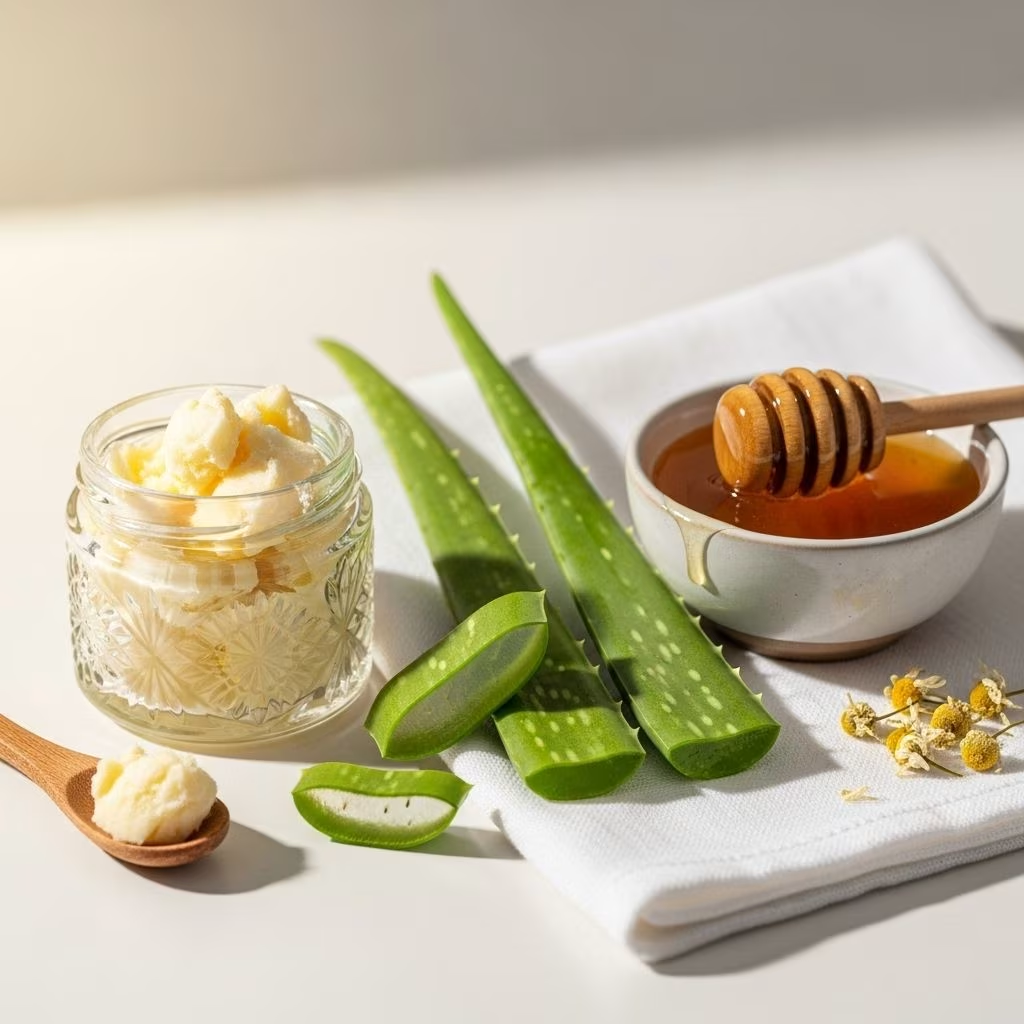
3. Aloe Vera: The Hydrating Healer
Aloe vera is a succulent plant famous for its soothing and restorative properties, especially for skin. The gel inside its leaves is packed with water, vitamins, minerals, enzymes, and polysaccharides that are ideal for combating dryness, redness, and irritation.
Benefits of Aloe Vera Gel
- Intense hydration: Gel absorbs quickly and delivers moisture deep into the skin.
- Anti-inflammatory: Reduces redness, itch, and swelling.
- Heals and repairs: Accelerates skin regeneration and soothes minor cuts or abrasions.
- Cools and refreshes: Excellent for after-sun care and wind-chapped skin.
How to Use Aloe Vera for Dry Skin
- Use pure aloe vera gel (store-bought or freshly extracted from the plant).
- Apply a generous layer to affected areas of face, hands, feet, or body.
- For intensive hydration, cover hands or feet with cotton gloves or socks after applying, and leave on overnight.
- Store aloe vera gel in the fridge for a cooling, extra refreshing application.
Tips and Precautions
- Always patch test before first use to check for reactions.
- Select products free from added colors, preservatives, or fragrance.
- Pure gel absorbs quickly and does not leave an oily residue.
Preventing Dry Skin: Proactive Lifestyle Tips
Alongside these remedies, daily care and lifestyle habits can play a key role in keeping your skin healthy and preventing dryness in the first place.
- Moisturize regularly: Apply your chosen moisturizer within 3 minutes of washing to lock in moisture.
- Use a humidifier: Add moisture to indoor air, especially in winter or in air-conditioned rooms.
- Avoid hot showers: Opt for warm (not hot) water and limit bath time to prevent stripping natural oils.
- Gentle cleansing: Choose mild, fragrance-free soaps and cleansers formulated for sensitive skin.
- Hydrate from within: Drink plenty of water and include omega-3-rich foods in your diet.
- Wear protective clothing: Cover skin in cold or windy climates and use gloves for household chores involving water or chemicals.
Frequently Asked Questions (FAQs)
Q: Are there specific natural oils better for dry skin?
A: Yes, oil choice matters. Coconut oil is deeply hydrating, but some oils (like olive oil) may disrupt the skin barrier and worsen dryness. For optimal results, stick with extra virgin coconut oil, sunflower seed oil, or jojoba oil.
Q: Can I use these remedies on my face as well as my body?
A: Absolutely. All featured remedies—coconut oil, oatmeal, and aloe vera—are gentle enough for facial application but always do a patch test first, especially if your skin is sensitive or acne-prone.
Q: Is honey useful for dry skin?
A: Yes. Raw honey is naturally moisturizing, anti-inflammatory, and can be used as an occasional facial mask. However, for daily hydration, coconut oil, oatmeal, and aloe vera are easier to use.
Q: How can I prevent dry skin from recurring?
A: Prevention focuses on consistent moisturizing, gentle cleansing, using a humidifier in dry environments, avoiding overly hot water, and covering up in harsh weather. Regularly using natural hydrating remedies is also beneficial.
Q: Are these remedies safe for sensitive or eczema-prone skin?
A: Generally, yes. Oatmeal and aloe vera are particularly suitable for sensitive or eczema-prone skin. Always conduct a patch test and consult a dermatologist for persistent or severe symptoms.
Comparison Table: Natural Remedies for Dry Skin
| Remedy | Key Benefits | Best For | Application Tips |
|---|---|---|---|
| Coconut Oil | Deep hydration, antioxidant-rich, skin barrier repair | Very dry, flaky skin; hands, feet, knees, elbows | Apply after bathing; use overnight with gloves/socks |
| Oatmeal Bath | Soothes, moisturizes, relieves itch and redness | Full body dryness, eczema, irritation | Add 1 cup colloidal oatmeal to lukewarm bath; soak 15–30 minutes |
| Aloe Vera | Cools, hydrates, heals, anti-inflammatory | Irritated, sunburned, or sensitive skin; hands/feet | Apply gel liberally; cover with gloves/socks overnight for intense results |
Final Thoughts
Dry skin can be persistent, uncomfortable, and even distressing. However, with regular care and the right natural remedies, it is possible to restore smoothness, softness, and comfort to your skin. Coconut oil, oatmeal baths, and aloe vera are easy to find, cost-effective, and simple to use—making them essential tools in any natural skincare toolkit. Pair these remedies with gentle skin care habits and proactive prevention tips, and your skin will thank you—naturally.
References
- https://www.medicalnewstoday.com/articles/319555
- https://www.health.harvard.edu/staying-healthy/9-ways-to-banish-dry-skin
- https://www.healthline.com/health/home-remedies-for-dry-skin
- https://www.mayoclinic.org/diseases-conditions/dry-skin/diagnosis-treatment/drc-20353891
- https://www.theaccesshealthcare.com/blogs/5-home-remedies-for-dry-skin
- https://vincebeauty.com/blogs/vince-blog/how-to-cure-dry-skin-on-face-overnight-home-remedies
- https://www.webmd.com/skin-problems-and-treatments/dry-skin
- https://health.clevelandclinic.org/home-remedies-for-eczema


