


Natural Remedies for Dry Mouth and Throat: Comprehensive Relief Guide
Dry mouth and throat, medically known as xerostomia, is a common yet uncomfortable condition that many people experience. It can affect your ability to speak, taste, swallow, and even increases the risk of dental problems. In this guide, we cover both the causes of dry mouth and natural, evidence-backed remedies to help alleviate its symptoms and protect your oral health in the long term.
Understanding Dry Mouth and Throat (Xerostomia)
Dry mouth and throat occur when your salivary glands do not produce enough saliva to keep your mouth moist. While this can be temporary, chronic cases often need active management and lifestyle adjustments. Xerostomia is not a disease itself but can be a symptom of various underlying conditions or side effects of certain medications.
Common Causes of Dry Mouth and Throat
- Medications: Antihistamines, antihypertensives, decongestants, antidepressants, and other drugs frequently cause dry mouth as a side effect.
- Medical Conditions: Diabetes, Sjögren’s syndrome, respiratory infections, and HIV/AIDS can contribute to dry mouth.
- Cancer Therapy: Radiation or chemotherapy can impair salivary gland function.
- Mouth Breathing: Especially during sleep or due to nasal blockages.
- Lifestyle Factors: Smoking, excessive alcohol or caffeine intake, and dehydration.
Recognizing the Symptoms
Watch for these key signs and symptoms:
- Dry, sticky, or burning sensation in the mouth and throat
- Frequent thirst
- Cracked lips or corners of the mouth
- Rough, dry tongue
- Difficulty swallowing, chewing, speaking, or tasting food
- Persistent sore throat or hoarseness
Why Is Saliva So Important?
Saliva is essential for oral and digestive health. It lubricates the mouth, helps breakdown food, protects teeth from decay by neutralizing acids, and helps heal oral tissues. Lack of saliva puts you at risk for cavities, gum disease, oral infections, and poor nutrition.
Natural Home Remedies for Dry Mouth and Throat
Implementing natural remedies can help relieve symptoms and address underlying factors contributing to dry mouth. Always consult your healthcare provider if symptoms persist, worsen, or are accompanied by other concerns.
1. Stay Hydrated
Drinking water frequently throughout the day provides immediate relief and helps maintain the moisture your mouth needs. Carry a water bottle with you and sip small amounts regularly, especially before meals, during speaking, or after waking up.
2. Chew Sugar-Free Gum or Suck on Sugar-Free Lozenges
Chewing gum or sucking on lozenges—especially those containing xylitol—encourages saliva flow. These mechanical actions stimulate the salivary glands, while xylitol helps keep oral tissues moist and can reduce the risk of tooth decay.
- Look for options labeled as sugar-free to avoid further drying effects.
- Lozenges with hydrating botanicals like slippery elm or marshmallow root are popular for their mucilage content, which coats and soothes dry tissues.
3. Try Natural Mouthwashes or Rinses
Homemade rinses can help relieve dryness and avoid the irritating effects of commercial alcohol-based mouthwashes. Try the following simple solution:
- Mix 1 cup of warm water with 1/4 teaspoon baking soda and 1/8 teaspoon salt.
- Swish in your mouth for a few seconds, then rinse with plain water.
- Repeat every few hours as needed.
Alternatively, look for ready-made moisturizing, alcohol-free mouthwashes specifically formulated for dry mouth. These often contain hydrating agents like aloe, xylitol, or glycerin.
4. Humidify Your Environment
Using a humidifier adds moisture to the air, preventing your mouth and throat from drying out—especially during sleep or in dry climates. This is particularly beneficial for people who breathe through their mouths at night.
5. Moisturizing Foods and Diet Modifications
Some foods are naturally hydrating and can help stimulate saliva production:
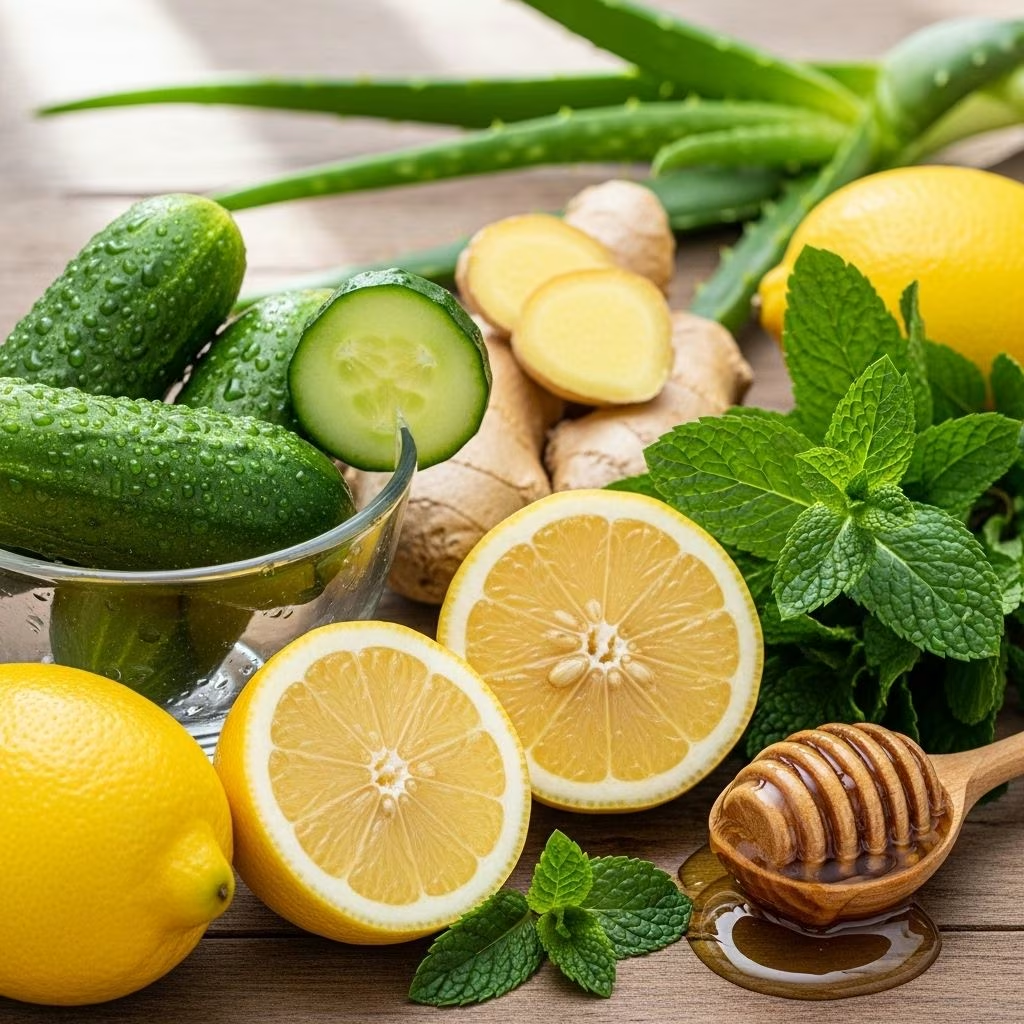
- Fresh fruits and vegetables with high water content, such as cucumber, celery, watermelon, pineapple, or orange segments.
- Moisten dry foods with broth, sauce, gravies, or yogurt to make swallowing easier.
- Papaya is renowned for its digestive enzymes, which may help stimulate your salivary glands.
- Frozen fruit pieces or sugar-free popsicles provide moisture and light stimulation.
Avoid overly dry, hard, or sticky foods that might aggravate dryness. Cut back on caffeinated beverages, alcohol, and sugary or acidic foods, all of which can worsen dry mouth.
6. Oil Pulling
Oil pulling is a traditional remedy borrowed from Ayurvedic medicine. Swishing a tablespoon of coconut or sesame oil in your mouth for 10–15 minutes is believed to soothe, protect, and even cleanse the lining of the mouth. While evidence is limited, many people report relief from dryness with this method. Always spit the oil into a trash can to avoid plumbing issues, and do not swallow.
7. Herbal Remedies for Saliva Stimulation
Many herbs are praised for their traditional use in stimulating saliva and relieving dry mouth:
- Aloe Vera: Its gel or juice is a gentle moisturizer for the mouth lining. Drinking aloe vera juice can be beneficial.
- Ginger: Recognized as a natural sialagogue—an agent that promotes saliva flow. Ginger tea or chews can help stimulate salivation.
- Marshmallow Root: An emollient that coats and soothes dry tissues, available as tea or lozenges.
- Slippery Elm: Like marshmallow, this herb contains mucilage and is often found in dry mouth lozenges. It relieves irritation by coating oral tissues.
- Hollyhock Root: Similar moisturizing effect as aloe and marshmallow root.
- Nopal Cactus (Prickly Pear): Traditional to Mexican herbal medicine, has shown promise for improving dry mouth in some studies.
- Spilanthes: Sometimes called “toothache plant,” used for salivation and oral health.
- Sweet Pepper (Capsicum annuum): Evidence suggests it can increase saliva output.
8. Good Oral Hygiene Practices
Maintaining oral health is essential for preventing the complications of dry mouth, such as cavities and gum disease:
- Brush your teeth at least twice daily using a fluoride toothpaste.
- Floss gently every day.
- Visit your dentist regularly for check-ups and cleanings.
- Rinse with water or non-alcohol mouthwash after meals to clear debris and prevent additional dryness.
- Consider an oral moisturizing spray for all-day comfort.
9. Address Habits That Worsen Dryness
- Quit or reduce smoking and tobacco use to avoid further dehydration and irritation.
- Minimize or eliminate alcohol and excessive caffeine intake, both known to contribute to dry mouth.
- Breathe through your nose rather than your mouth. If congestion is an issue, seek treatment or use nasal strips during sleep.
10. Avoid Medications That Cause Dryness
If you suspect your medications are causing dry mouth, do not discontinue them on your own. Instead, speak with your doctor about alternative treatments or dose adjustments.
When to See a Doctor
Although these natural remedies can provide relief, chronic or severe dry mouth may indicate an underlying condition such as Sjögren’s syndrome, diabetes, or side effects from medications. If home remedies are insufficient, or if dry mouth is accompanied by difficulty swallowing, oral sores, persistent thirst, or bad breath, consult a healthcare provider for a thorough evaluation.
Frequently Asked Questions (FAQs)
Q: Is dry mouth dangerous if left untreated?
A: Chronic dry mouth can lead to dental problems, increased risk of cavities, gum disease, oral infections, and difficulties with eating and speaking.
Q: What foods should be avoided if you have dry mouth?
A: Avoid dry, hard, sticky, or sugary foods, as these may make dryness worse or stick to your teeth and gums. Limit caffeine, alcohol, and acidic foods as well.
Q: Can dry mouth be cured naturally?
A: While home remedies can alleviate symptoms, curing dry mouth depends on its underlying cause. Persistent symptoms should be evaluated by a healthcare professional.
Q: Are herbal remedies safe for everyone?
A: Most herbal remedies are safe for general use but consult your doctor if you are pregnant, breastfeeding, take medications, or have chronic illness, as some herbs may interact with drugs or conditions.
Q: How can I keep my mouth moist overnight?
A: Use a humidifier in your bedroom, keep water close by, avoid mouth-breathing, and consider using an oral moisturizing gel or spray before bed.
Quick Tips for Daily Relief
- Carry a water bottle at all times and sip frequently.
- Chew sugarless gum and keep a small pack handy.
- Avoid mouthwash with alcohol and use one formulated for dry mouth.
- Eat moist, soft foods and avoid dry snacks.
- Consult your care team if medication may be a culprit or if symptoms persist.
Comparison Table: Lifestyle Modifications and Their Impact on Dry Mouth
| Lifestyle Change | Impact on Dry Mouth |
|---|---|
| Increase water intake | Immediate symptom relief and improved hydration |
| Use sugar-free gum/lozenges | Stimulates natural saliva production |
| Avoid caffeine, alcohol, tobacco | Reduces further drying and irritation |
| Apply humidifier at night | Prevents overnight drying, supports oral moisture |
| Practice good oral hygiene | Minimizes secondary complications (cavities, infections) |
| Try hydrating foods and herbal remedies | Enhances comfort and supports saliva flow |
By combining these natural remedies and preventive measures, you can significantly improve your comfort, protect your oral health, and reduce the impact of dry mouth and throat on daily life. If symptoms continue or worsen, always seek professional medical advice.
References
- https://www.mskcc.org/news/natural-remedies-dry-mouth-xerostomia
- https://www.healthline.com/health/dry-mouth-remedies
- https://www.mayoclinic.org/diseases-conditions/dry-mouth/expert-answers/dry-mouth/faq-20058424
- https://www.smilearizonadentistry.com/blog/dry-mouth-home-remedies
- https://www.hopkinssjogrens.org/disease-information/treatment/management-of-dry-mouth/
- https://www.biotene.com/dry-mouth-health-impacts/natural-remedies-dry-mouth/
- https://www.medicalnewstoday.com/articles/327265
- https://www.colgate.com/en-us/oral-health/dry-mouth/dry-mouth-home-remedies
- https://my.clevelandclinic.org/health/diseases/10902-dry-mouth-xerostomia


