


Seasonal allergies affect millions of people worldwide, causing uncomfortable symptoms like sneezing, congestion, itchy eyes, and respiratory distress. While over-the-counter medications provide relief, many individuals seek natural alternatives that work with the body’s immune system rather than simply masking symptoms. Natural allergy remedies offer effective relief without the side effects commonly associated with pharmaceutical antihistamines, such as drowsiness and dry mouth. These holistic approaches address the root causes of allergic reactions while supporting overall immune health.
The beauty of natural allergy remedies lies in their accessibility and safety profile. Most can be implemented immediately using items already available in your kitchen or easily obtained from local stores. From dietary modifications to environmental controls, these strategies empower you to take charge of your allergy symptoms naturally. Understanding how these remedies work and incorporating them into your daily routine can significantly reduce your dependence on medications while improving your quality of life during allergy season.
Understanding Allergies and Natural Relief
Allergies occur when your immune system overreacts to normally harmless substances like pollen, dust mites, pet dander, or mold spores. This exaggerated immune response triggers the release of histamine and other inflammatory chemicals, leading to the characteristic symptoms of allergic rhinitis. Your body essentially mistakes these environmental triggers for dangerous invaders and mounts an aggressive defense, causing inflammation in your nasal passages, sinuses, and airways.
Natural remedies work by supporting your immune system, reducing inflammation, stabilizing the cells that release histamine, and physically removing allergens from your body. Unlike conventional medications that simply block histamine receptors, natural approaches often address multiple aspects of the allergic response simultaneously. This comprehensive strategy can lead to more sustainable relief and may even help reduce the severity of allergic reactions over time by strengthening your body’s natural defenses.
Local Raw Honey for Immunotherapy
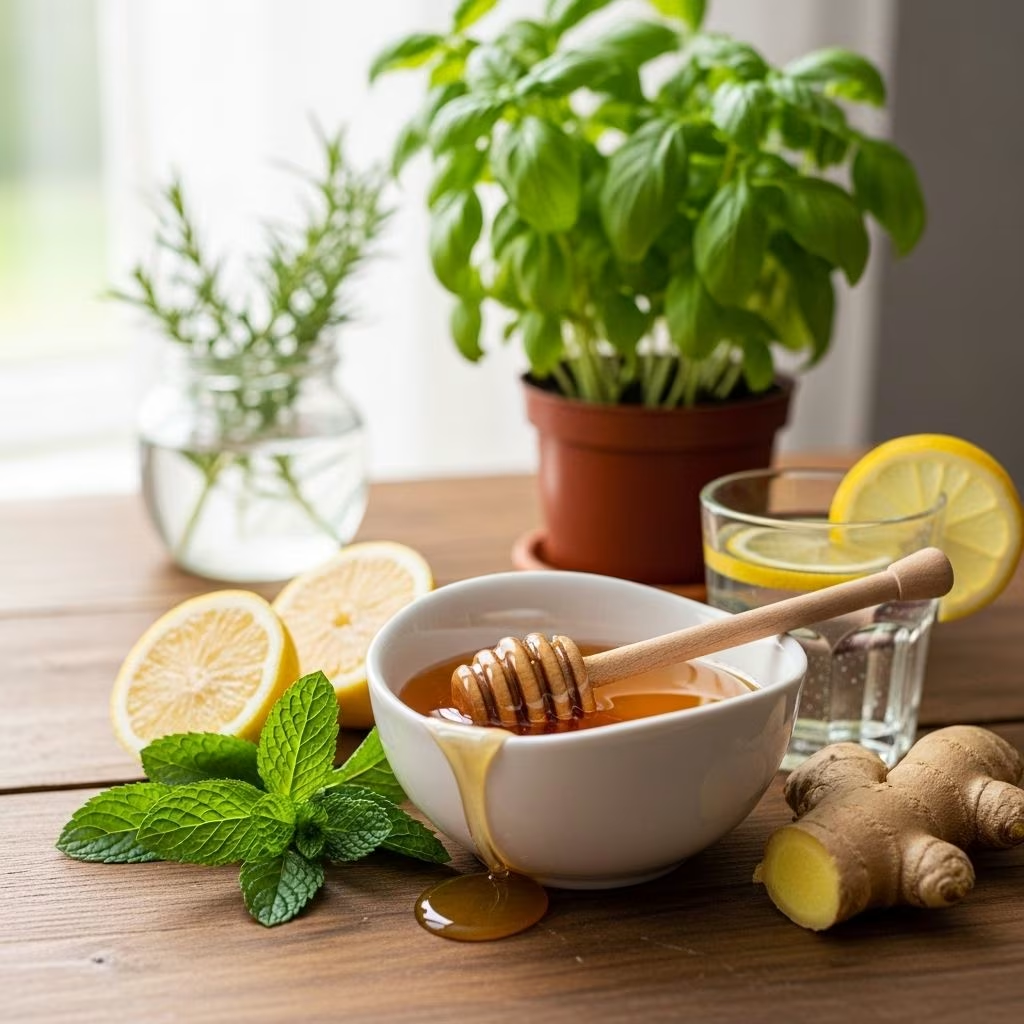
Consuming local raw honey has long been regarded as one of the most effective natural remedies for seasonal allergies caused by pollen. The theory behind this approach is that honey contains small amounts of local pollen, which helps your body gradually build tolerance to these allergens through a process similar to immunotherapy. By exposing your immune system to tiny quantities of the substances causing your allergies, you may train it to respond less aggressively when encountering larger amounts in the environment.
For maximum effectiveness, choose raw, unfiltered honey produced within your local area, ideally within a 50-mile radius of your home. This ensures the honey contains the specific pollens triggering your allergies. Start consuming one tablespoon of local raw honey daily, preferably several months before allergy season begins. You can add it to your morning tea, drizzle it over yogurt, blend it into smoothies, or simply enjoy it straight from the spoon. The key is consistency—regular consumption throughout the year provides the best results.
It’s important to note that honey should never be given to children under one year of age due to the risk of botulism. Additionally, while many people report significant improvement in their allergy symptoms with honey consumption, scientific evidence remains mixed. However, given honey’s safety profile and additional health benefits, including its antimicrobial and antioxidant properties, it’s certainly worth trying as part of your natural allergy management strategy.
Nasal Irrigation with Saline Solution
Saline nasal irrigation stands out as one of the most immediately effective natural remedies for allergy relief. This simple technique involves flushing your nasal passages with a saltwater solution to physically remove allergens, excess mucus, bacteria, and other irritants. Regular nasal irrigation reduces inflammation in your sinus cavities, prevents the buildup that can lead to infections, and provides instant relief from congestion and nasal irritation.
To perform nasal irrigation, you’ll need either a neti pot, squeeze bottle, or nasal irrigation device, along with a saline solution. You can purchase pre-made saline packets or create your own by mixing one-quarter teaspoon of non-iodized salt and one-quarter teaspoon of baking soda in eight ounces of distilled, sterile, or previously boiled water. Never use tap water directly, as it may contain bacteria or other microorganisms that could cause serious infections.
The irrigation process is straightforward: lean over a sink, tilt your head to one side, and gently pour or squeeze the saline solution into your upper nostril. The solution will flow through your nasal passages and exit through the lower nostril, carrying allergens and mucus with it. Repeat on the other side, then gently blow your nose to remove any remaining solution. Perform nasal irrigation once or twice daily during high-allergen seasons for optimal results. Many people find this practice provides more immediate and effective relief than any other natural remedy.
Quercetin-Rich Foods as Natural Antihistamines
Quercetin is a powerful plant compound classified as a flavonoid, naturally present in many fruits and vegetables. This remarkable substance functions as a natural antihistamine by stabilizing mast cells, which are the immune cells that release histamine during allergic reactions. By preventing excessive histamine release, quercetin helps reduce the severity of allergy symptoms including sneezing, itching, watery eyes, and nasal congestion.
Beyond its antihistamine properties, quercetin also possesses significant anti-inflammatory and antioxidant effects. It helps modulate the immune response, reducing the overall inflammatory cascade that contributes to allergic symptoms. Research suggests that regular consumption of quercetin-rich foods may help decrease the frequency and intensity of allergic reactions over time, making it an excellent addition to your natural allergy management plan.
Incorporate these quercetin-rich foods into your daily diet: apples (especially with the skin), onions (particularly red onions), broccoli, citrus fruits, berries (especially blueberries and cranberries), leafy greens like kale and spinach, tomatoes, and green tea. For enhanced absorption, consume quercetin-rich foods alongside sources of vitamin C, which acts synergistically to boost quercetin’s bioavailability. While quercetin supplements are available, obtaining this compound through whole foods provides additional nutrients and fiber that support overall health.
Probiotics for Immune System Support
Your gut microbiome plays a surprisingly significant role in regulating your immune system and inflammatory responses throughout your body. Approximately 70 percent of your immune system resides in your gut, making digestive health crucial for managing allergies. A balanced and diverse gut microbiome helps train your immune system to distinguish between genuine threats and harmless substances, potentially reducing the likelihood of overreacting to environmental allergens.
Probiotics are beneficial bacteria that support gut health and immune function. Regular consumption of probiotic-rich foods helps maintain a healthy intestinal barrier, reduces systemic inflammation, and modulates immune responses. Several studies have shown that specific probiotic strains can reduce the severity of allergic rhinitis symptoms and improve quality of life during allergy season.
Incorporate these probiotic-rich foods into your diet: yogurt with live active cultures (look for labels mentioning Lactobacillus and Bifidobacterium strains), kefir, sauerkraut, kimchi, miso, tempeh, and kombucha. For best results, consume probiotic foods regularly rather than sporadically. If choosing supplements, look for multi-strain formulas containing at least 10 billion CFUs (colony-forming units) and store them properly according to package instructions. Remember that probiotic benefits extend beyond allergy relief, supporting digestive health, mental wellness, and overall immune function.
Essential Oils for Respiratory Relief
Essential oils have gained popularity as natural remedies for various health concerns, including allergy symptoms. Certain essential oils possess anti-inflammatory, antimicrobial, and decongestant properties that can help open airways, reduce sinus pressure, and ease respiratory discomfort associated with allergies. When used properly, these concentrated plant extracts provide fast-acting relief without the side effects of conventional medications.
Peppermint oil contains menthol, which acts as a natural decongestant and can help relieve sinus pressure and improve breathing. Eucalyptus oil has powerful anti-inflammatory properties and helps clear mucus from respiratory passages. Lavender oil reduces inflammation and promotes relaxation, which can be particularly helpful if allergies disrupt your sleep. Tea tree oil possesses antimicrobial properties that help prevent secondary infections that sometimes accompany severe allergies.
There are several safe methods for using essential oils for allergy relief. Add three to five drops to a diffuser and inhale the aromatic mist throughout the day or while sleeping. For steam inhalation, add two to three drops to a bowl of hot water, cover your head with a towel, and breathe deeply for five to ten minutes. You can also create a topical application by diluting two to three drops of essential oil in one tablespoon of carrier oil (such as coconut, jojoba, or almond oil) and applying to your chest, temples, or behind your ears. Never apply undiluted essential oils directly to skin, and avoid ingesting them unless under the guidance of a qualified healthcare professional.
Vitamin C for Natural Antihistamine Effect
Vitamin C functions as both a natural antihistamine and a powerful anti-inflammatory agent, making it an essential nutrient for managing allergy symptoms. This water-soluble vitamin helps break down histamine more quickly in your body, reducing the duration and intensity of allergic reactions. Additionally, vitamin C strengthens your immune system, supports the integrity of mucous membranes in your respiratory tract, and acts as an antioxidant to combat oxidative stress caused by inflammation.
Research indicates that regular vitamin C supplementation can reduce the frequency and severity of allergic reactions while supporting overall immune health. The vitamin helps stabilize mast cells, preventing excessive histamine release, and may even reduce the production of inflammatory compounds that exacerbate allergy symptoms. Unlike pharmaceutical antihistamines, vitamin C doesn’t cause drowsiness or other unpleasant side effects.
Increase your vitamin C intake through both dietary sources and supplementation. Excellent food sources include citrus fruits (oranges, grapefruits, lemons), bell peppers (especially red peppers), strawberries, kiwi, broccoli, Brussels sprouts, tomatoes, and leafy greens. For supplementation, many people find that taking 1,000 milligrams of vitamin C daily during allergy season provides noticeable relief. However, consult with your healthcare provider before starting any supplement regimen, especially if you have underlying health conditions or take medications. Vitamin C is water-soluble, meaning your body excretes excess amounts, but very high doses may cause digestive upset in some individuals.
Environmental Controls and Air Quality
Managing your indoor environment represents a crucial component of natural allergy relief. Even the most effective dietary and supplemental remedies work better when you minimize your exposure to allergens in your living space. Creating an allergy-friendly home environment requires a multifaceted approach focusing on air quality, cleanliness, and reducing allergen reservoirs.
Invest in high-efficiency particulate air (HEPA) filters for your home’s HVAC system and consider using standalone HEPA air purifiers in bedrooms and main living areas. These filters capture 99.97 percent of airborne particles as small as 0.3 microns, including pollen, dust mites, pet dander, and mold spores. Run air purifiers continuously during high-allergen seasons and change filters according to manufacturer recommendations. Additionally, keep windows closed during peak pollen times (typically early morning and evening) and use air conditioning to maintain comfortable temperatures without introducing outdoor allergens.
Regular cleaning using natural, fragrance-free products helps reduce allergen accumulation without introducing chemical irritants. Vacuum carpets and upholstery at least twice weekly using a vacuum equipped with a HEPA filter. Wash bedding weekly in hot water (at least 130°F) to kill dust mites. Use allergen-proof covers on mattresses and pillows. Remove shoes at the door to avoid tracking pollen throughout your home. Consider replacing carpeting with hard flooring surfaces, which harbor fewer allergens and are easier to clean thoroughly. Control humidity levels between 30 and 50 percent to prevent mold growth while avoiding excessive dryness that can irritate respiratory passages.
Herbal Teas for Soothing Relief
Herbal teas provide comforting relief from allergy symptoms while delivering beneficial plant compounds that reduce inflammation and support immune function. Unlike caffeinated beverages that may dehydrate you, herbal teas contribute to your daily fluid intake, which is essential for thinning mucus and supporting your body’s natural detoxification processes. The warmth of tea also helps soothe irritated throats and may provide temporary relief from congestion.
Peppermint tea contains menthol, which acts as a natural decongestant and helps relieve sinus pressure. The anti-inflammatory properties of peppermint can reduce swelling in nasal passages and ease breathing difficulties. Ginger tea works as a natural antihistamine and immune booster while providing potent anti-inflammatory benefits. It’s particularly effective for reducing nasal congestion and alleviating headaches associated with sinus pressure. Chamomile tea has calming, anti-inflammatory properties that may help reduce allergic responses and promote better sleep, which can be disrupted by allergy symptoms.
Green tea deserves special mention for its high quercetin content and additional antioxidant compounds called catechins. These substances work synergistically to stabilize mast cells, reduce histamine release, and combat inflammation. Nettle tea, made from stinging nettle leaves, has been used traditionally for centuries to treat allergies and contains compounds that may naturally block histamine receptors. Prepare herbal teas by steeping fresh or dried herbs in hot water for five to ten minutes, then strain and enjoy. Drink two to three cups daily during allergy season for maximum benefit.
Additional Natural Remedies and Lifestyle Modifications
Beyond the primary remedies discussed, several additional natural approaches can enhance your allergy management strategy. Staying well-hydrated by drinking plenty of water throughout the day helps thin mucus secretions, making them easier to expel and reducing congestion. Proper hydration also supports all body systems, including immune function, and helps flush toxins and allergens from your system more effectively.
Steam inhalation provides immediate relief from nasal congestion and sinus pressure. Boil water, pour it into a large bowl, and lean over it with a towel draped over your head to trap the steam. Breathe deeply through your nose for five to ten minutes. Adding a few drops of eucalyptus or peppermint essential oil enhances the decongestant effect. Taking hot showers achieves a similar result while also washing pollen and other allergens from your hair and skin.
Acupuncture has shown promise for reducing allergy symptoms with few side effects. This traditional Chinese medicine technique may help reduce nasal inflammation, regulate immune responses, and provide both short-term and long-term relief. Butterbur, a medicinal plant, has been used traditionally for allergic rhinitis and may improve nasal symptoms and reduce sneezing, though evidence regarding its superiority to conventional antihistamines remains unclear. Bromelain, a digestive enzyme found in pineapple and papaya, may help reduce inflammation and improve breathing by decreasing swelling in the respiratory tract.
Gargling with warm salt water can soothe sore or scratchy throats caused by post-nasal drip. This simple remedy also helps clear mucus and rinse away allergens from the back of your throat. Mix one-quarter to one-half teaspoon of salt in eight ounces of warm water and gargle several times daily as needed. Cold showers or plunges can help wash away allergens from your skin and hair while reducing inflammation and leaving you feeling refreshed and energized.
Creating Your Natural Allergy Relief Plan
Successfully managing allergies naturally requires a comprehensive, individualized approach. No single remedy works identically for everyone, so you may need to experiment with different combinations to discover what provides the most relief for your specific symptoms. Start by implementing the most accessible remedies, such as increasing your water intake, using saline nasal rinses, and incorporating quercetin-rich foods into your diet. Gradually add other strategies like local honey, probiotics, and environmental controls.
Keep a journal tracking your symptoms, the remedies you’re using, and any changes you notice. This helps identify which approaches provide the most benefit and allows you to fine-tune your strategy over time. Begin preparing for allergy season several months in advance by starting remedies like local honey and probiotic foods, which may require consistent use to build up their protective effects. During peak allergy times, intensify your efforts by adding steam inhalation, essential oils, and more frequent nasal irrigation.
Remember that natural remedies work best as part of a holistic lifestyle that includes adequate sleep, stress management, regular exercise, and a nutrient-dense diet. Chronic stress and poor sleep can weaken your immune system and exacerbate allergy symptoms, while regular physical activity helps reduce inflammation and supports overall health. If your allergy symptoms are severe, persistent, or significantly impact your quality of life despite trying natural remedies, consult with a healthcare provider. Natural approaches can complement conventional treatments and may allow you to reduce your reliance on medications over time.
Frequently Asked Questions
Q: How long does it take for natural allergy remedies to work?
A: The timeline varies by remedy. Saline rinses and steam inhalation provide immediate relief, while approaches like local honey, probiotics, and quercetin-rich foods may require several weeks to months of consistent use to show significant benefits. Building tolerance takes time, so start early before allergy season begins.
Q: Can I use multiple natural remedies together?
A: Yes, combining different natural remedies often provides better results than using any single approach alone. A comprehensive strategy addressing diet, environment, and symptom relief typically works best. However, if using supplements or essential oils, research potential interactions and consult a healthcare provider if you have concerns.
Q: Are natural allergy remedies safe for children?
A: Many natural remedies are safe for children, but precautions apply. Never give honey to children under one year old. Use gentle saline rinses designed for children. Dilute essential oils more than you would for adults and avoid certain oils that may be too strong for young children. Always consult your pediatrician before starting any new remedy.
Q: Will natural remedies completely eliminate my allergies?
A: Natural remedies may significantly reduce allergy symptoms and improve quality of life, but complete elimination is unlikely, especially for severe allergies. These approaches work by supporting your immune system and reducing inflammatory responses rather than providing the immediate symptom blocking of pharmaceutical antihistamines. Consistent use over time may help reduce symptom severity and frequency.
Q: Should I stop taking allergy medications if I start natural remedies?
A: Never discontinue prescribed medications without consulting your healthcare provider. Natural remedies can often complement conventional treatments, and many people successfully reduce their medication dosages over time as natural approaches become effective. Work with your doctor to develop a comprehensive allergy management plan that may include both natural and conventional options.
References
- https://cureallergyclinic.com/effective-natural-remedies-for-allergy-relief/
- https://www.healthline.com/health/home-remedies-for-allergies
- https://helloned.com/blogs/health-benefits/12-natural-allergy-relief-remedies
- https://neaai.com/5-ways-to-ease-allergy-symptoms-naturally/
- https://www.steppingstonepeds.org/post/natural-home-remedies-for-childrens-seasonal-allergies-that-work
- https://www.cigna.com/knowledge-center/natural-remedies-for-seasonal-allergies
- https://www.mayoclinic.org/diseases-conditions/allergies/in-depth/allergy/art-20049365
- https://www.sutterhealth.org/health/holistic-help-for-allergies
- https://www.sinusandallergywellnesscenter.com/blog/allergic-rhinitis-6-herbal-remedies-to-try-sinus-allergy-wellness-clinic


