


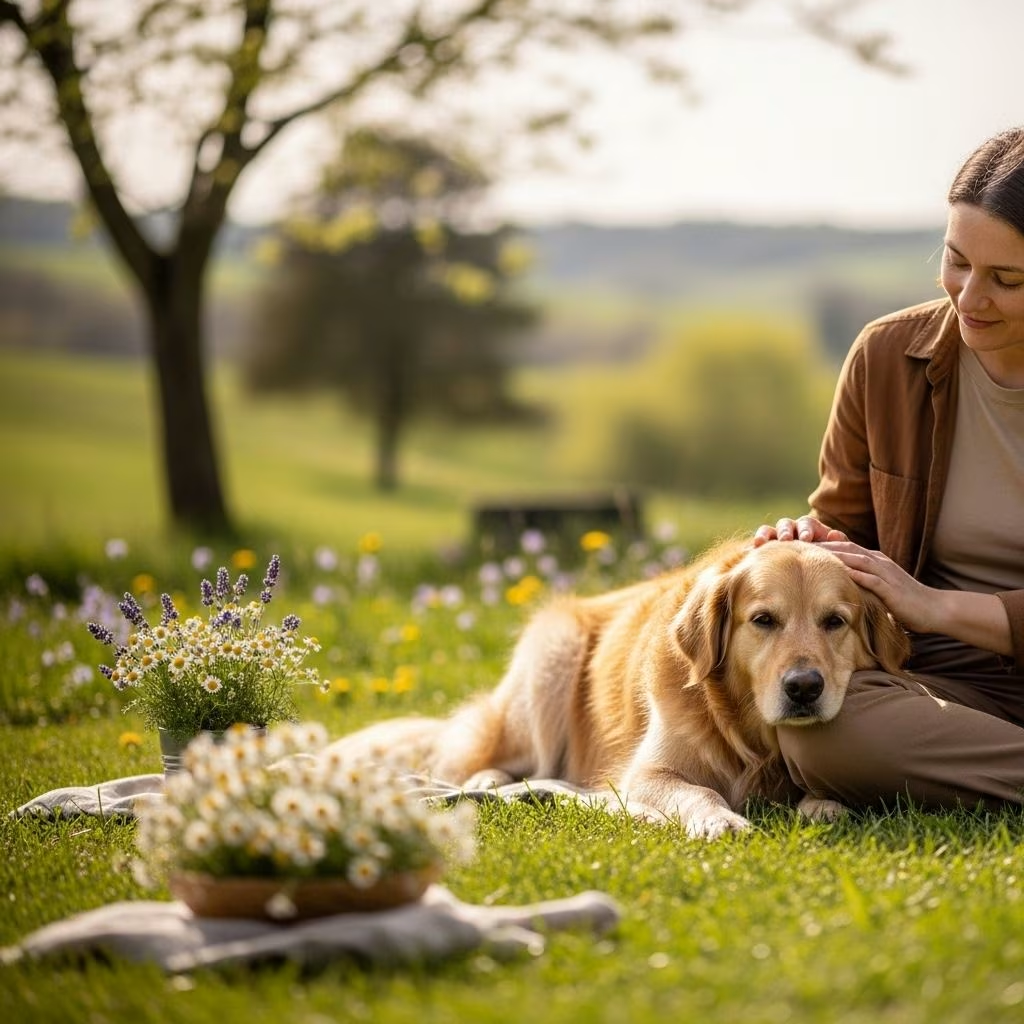
Dog anxiety is a common concern that affects countless pets and their owners. Whether triggered by thunderstorms, separation, loud noises, or unfamiliar environments, anxiety can significantly impact your dog’s quality of life and overall wellbeing. While pharmaceutical interventions exist, many pet parents are turning to natural remedies that offer gentle yet effective relief without the potential side effects of conventional medications.
Understanding how to recognize and address anxiety in dogs is crucial for responsible pet ownership. This comprehensive guide explores the most effective natural remedies backed by research and traditional use, helping you create a calming environment for your beloved companion. From powerful CBD oil to soothing herbs and aromatherapy techniques, these holistic approaches treat your dog as a whole being rather than simply masking symptoms.
Understanding Dog Anxiety and Its Impact
Before diving into remedies, it’s essential to recognize that anxiety manifests differently in every dog. Common signs include excessive barking, destructive behavior, pacing, panting, trembling, hiding, or attempting to escape. Some dogs may experience digestive upset, loss of appetite, or even aggression when anxious. Chronic anxiety can weaken the immune system and contribute to long-term health problems, making early intervention critical.
Anxiety in dogs stems from various sources including separation from owners, fear of specific stimuli like fireworks or thunder, past trauma, lack of socialization, or even genetic predisposition. Identifying the root cause helps you select the most appropriate natural remedy and develop a comprehensive treatment approach that addresses both immediate symptoms and underlying triggers.
CBD Oil: A Powerful Natural Anxiety Solution
CBD oil has emerged as one of the most popular and effective natural remedies for dog anxiety, gaining widespread recognition for its calming properties without psychoactive effects. This compound derived from hemp interacts with your dog’s endocannabinoid system, a complex network of receptors throughout the central nervous system that regulates mood, stress response, and emotional balance.
How CBD Works in Your Dog’s Body: The endocannabinoid system plays a crucial role in maintaining homeostasis and emotional stability. Your dog’s body naturally produces endocannabinoid chemicals that connect with receptors to stimulate serotonin production—a natural mood stabilizer. CBD enhances this natural ability by interacting with the nervous system to soothe and calm anxiety responses.
Research demonstrates that CBD oil increases the body’s capacity to regulate stress and anxiety naturally. For dogs experiencing situational anxiety—such as during thunderstorms, fireworks, car rides, or when left alone—CBD provides relatively quick relief when administered 30-60 minutes before the anticipated stressor.
Administration and Dosing: CBD oil can be added directly to your dog’s food or placed straight into their mouth following the dosing instructions provided on the product bottle. When selecting CBD oil, prioritize full-spectrum organic hemp oil products specifically formulated for dogs, as these contain a wider range of beneficial cannabinoids that work synergistically to maximize calming effects.
The growing body of evidence supporting CBD’s effectiveness for pain management, seizure control, and even cancer treatment further validates its safety and versatility as a natural therapeutic option. Many pet owners report significant improvements in their dogs’ anxiety levels with consistent CBD use, making it an excellent first-line natural intervention.
Herbal Remedies for Canine Anxiety Relief
Traditional herbal medicine offers several proven options for calming anxious dogs. These botanicals have been used for generations in both human and veterinary medicine, providing gentle yet effective relief through their natural compounds that influence the nervous system.
Chamomile: The Gentle Nervine
Chamomile stands out as one of the most accessible and effective herbs for reducing stress and anxiety in dogs. This flowering herb from the daisy family has been used for centuries to treat insomnia, digestive issues, skin irritations, and inflammation in both humans and animals.
The therapeutic power of chamomile lies in its compounds that act on the neurological system to lower cortisol levels—the primary stress hormone. Its anti-inflammatory and antispasmodic properties also help relieve muscle soreness and cramping that often accompany anxiety. This makes chamomile particularly beneficial for dogs who experience nervous stomach upset or tension-related physical discomfort.
Preparation and Dosage: You can prepare chamomile tea by brewing dried or fresh flowers, allowing it to cool completely before offering it to your dog in a bowl or mixing it into their food or water. Commercial chamomile capsules and tinctures are also available—the general recommended dosage is one teaspoon of dried flowers per cup of water or 0.25 to 0.5 ml of tincture per 10 pounds of body weight.
Safety Considerations: While generally safe and well-tolerated, some dogs may have allergic reactions to chamomile. Watch for signs including itching, swelling, hives, breathing difficulties, or vomiting, and discontinue use immediately if these occur. Chamomile may interact with blood thinners, sedatives, and antidepressants, so veterinary consultation is essential before administering it to dogs on medication or with existing medical conditions.
Valerian Root: Nature’s Sedative
Valerian is widely recognized as the most effective herbal sedative for animals, offering safe and gentle nerve-calming properties. This herb promotes both mental relaxation and physical muscle tension release, making it ideal for dogs who become hysterical, overexcitable, or experience intense stress during specific events.
Valerian works particularly well for dogs with situational anxiety triggered by veterinary visits, grooming appointments, travel, or exposure to crowded environments. Its sedative effects help reduce nervousness, excitability, and even aggression in anxious dogs without causing the heavy sedation associated with pharmaceutical options.
Available in tea, tincture, or capsule form, valerian can be administered according to your dog’s preferences and your convenience. Many pet owners find that combining valerian with other calming herbs creates a synergistic effect that enhances overall effectiveness.
Passionflower: GABA Enhancement
Passionflower has gained popularity in recent years as a natural option for alleviating canine stress and anxiety. This herb contains compounds that function as natural sedatives, producing a calming effect on the nervous system through a specific mechanism—increasing gamma-aminobutyric acid (GABA) levels.
GABA is a crucial neurotransmitter that regulates brain activity and promotes relaxation. By enhancing GABA function, passionflower helps anxious dogs achieve a more balanced mental state without causing excessive drowsiness or impairment.
Dosage and Forms: Passionflower can be administered as tea, tincture, or capsule. The appropriate dosage depends on your dog’s weight and overall health status, making veterinary consultation essential for determining the correct amount. Always select high-quality products specifically formulated for dogs to ensure safety and effectiveness.
Precautions: Most dogs tolerate passionflower well, but some may experience digestive upset or drowsiness, particularly with excessive doses. This herb should not be used in pregnant or nursing dogs, or those with liver disease. Starting with a lower dose and gradually increasing allows you to monitor your dog’s response and avoid adverse effects.
St. John’s Wort: Natural Antidepressant
St. John’s Wort offers a safe and effective alternative to pharmaceutical antidepressant medications for dogs. This herb proves particularly valuable for dogs suffering from fear-based anxiety or separation anxiety, including those triggered by thunderstorms or fireworks.
The antidepressant properties of St. John’s Wort help stabilize mood over time, making it more suitable for chronic anxiety conditions rather than acute situational stress. Regular administration can help reduce baseline anxiety levels, making dogs more resilient when faced with their specific triggers.
Kava: Traditional Pacific Remedy
Kava, a plant native to Pacific Islands with centuries of ceremonial use, contains kavalactones—compounds with sedative and anti-anxiety effects. This herb may help reduce nervousness, excitability, and aggression in stressed dogs.
Dosing Guidelines: The appropriate kava dosage depends on the dog’s weight, age, and health condition, with a general guideline of 1 to 2 mg per pound of body weight up to three times daily. Kava is available as capsules, liquid extracts, or tea. Veterinary consultation before use is mandatory.
Important Warnings: Kava carries potential side effects including drowsiness, dry mouth, skin rash, and liver damage. It should never be given to dogs with liver, kidney, or blood disorders. Kava may interact with sedatives, antidepressants, and anticonvulsants, requiring careful monitoring and professional supervision.
Aromatherapy and Essential Oils for Anxiety
Essential oils and their gentler counterparts, hydrosols, provide another effective natural approach to managing dog anxiety. These concentrated plant extracts work through the olfactory system to influence emotional states and promote relaxation.
Safe Essential Oil Application
Essential oils like lavender and violet leaf excel at calming canine anxiety. Aromatherapist Joy Musacchio has developed specific blends for different anxiety types that pet owners can prepare at home:
For Separation Anxiety: Combine Neroli, Violet Leaf, Vetiver, Lavender, and Rose hydrosol.
For Thunder and Firework Fear: Blend Frankincense, Rose Otto, Hops, and Cornflower hydrosol.
For General Anxiety: Mix Frankincense, Violet Leaf, Linden Blossom, Roman Chamomile, and Hemp.
To create these blends, combine 5 drops of each essential oil into 2-3 ounces of carrier oil such as almond or apricot kernel oil. Apply the diluted mixture by spraying on your dog’s bedding or blanket, misting in the air, or using a diffuser in rooms where your dog can freely exit if uncomfortable.
Critical Safety Guidelines: Never allow your dog to ingest essential oils, and never apply undiluted essential oils directly to your dog’s skin. Essential oils are extremely potent for dogs due to their sensitive olfactory systems, making proper dilution absolutely essential.
Hydrosols: A Gentler Alternative
Hydrosols represent a safer option for dogs, as these byproducts of essential oil production contain far lower concentrations of active compounds. Canine herbalist Rita Hogan recommends this calming spray recipe for general anxiety:
Calming Hydrosol Spray Recipe:
½ ounce neroli hydrosol
½ ounce blue chamomile hydrosol
5 drops lavender essential oil
Mix ingredients in a spray bottle, shake before each use, and mist your dog gently. This preparation can be refrigerated for up to six months. The chamomile and lavender components provide soothing and calming effects that help anxious dogs relax without overwhelming their sensitive senses.
Additional Holistic Techniques for Anxiety Management
Beyond herbs and oils, several complementary holistic approaches can enhance your dog’s anxiety treatment program. These techniques address the mind-body connection and provide additional tools for stress reduction.
Therapeutic Massage
Gentle massage helps release physical tension, promotes bonding, and triggers the release of calming hormones like oxytocin. Focus on slow, rhythmic strokes along your dog’s back, shoulders, and neck, paying attention to areas where they carry tension. Many dogs find ear massage particularly soothing.
Acupuncture and Acupressure
Traditional Chinese veterinary medicine offers acupuncture and acupressure techniques that can rebalance energy flow and reduce anxiety. Licensed veterinary acupuncturists can identify specific points that address your dog’s individual anxiety patterns, while you can learn basic acupressure techniques to use at home.
Music Therapy
Research demonstrates that certain types of music can significantly reduce anxiety in dogs. Classical music, reggae, and specially designed canine relaxation soundtracks help lower heart rates and promote calm behavior. Playing soothing music during anxiety-triggering events or as background noise throughout the day can create a more peaceful environment.
Exercise and Mental Stimulation
Regular physical exercise serves as a natural anxiety reducer by burning excess energy and releasing endorphins. Mental stimulation through puzzle toys, training sessions, and nose work games keeps your dog’s mind occupied and reduces anxious rumination. A tired dog with a satisfied mind is far less likely to develop or display anxiety behaviors.
Creating a Comprehensive Anxiety Management Plan
The most effective approach to dog anxiety combines multiple natural remedies tailored to your dog’s specific needs and triggers. Start by identifying when and why your dog becomes anxious, then select appropriate remedies for those situations. For example, you might use CBD oil for acute situational anxiety while administering St. John’s Wort daily for chronic fear-based anxiety.
Keep a journal tracking which remedies you try, dosages used, and your dog’s responses. This documentation helps you identify what works best and provides valuable information for your veterinarian. Remember that natural remedies often require consistent use over several weeks before showing full effects, particularly herbs like St. John’s Wort that build up in the system.
Environmental management plays an equally important role. Create safe spaces where your dog can retreat during stressful events, maintain consistent routines to provide predictability, and use positive reinforcement training to build confidence. Desensitization and counter-conditioning programs, when combined with natural remedies, often produce the most dramatic and lasting improvements.
Important Safety Considerations
While natural remedies offer gentler alternatives to pharmaceutical interventions, they’re not without risks. Always consult with a holistic veterinarian before starting any new supplement or herb, especially if your dog has existing health conditions or takes medications. Some natural remedies interact with prescription drugs or may be contraindicated for certain medical conditions.
Start with lower doses and gradually increase while monitoring your dog’s response. Watch for adverse reactions including lethargy, digestive upset, behavioral changes, or allergic symptoms. Quality matters significantly—choose reputable brands that provide third-party testing results and use organic ingredients when possible.
Pregnant, nursing, or very young dogs require special consideration, as many herbs and supplements are not recommended for these populations. Senior dogs with compromised liver or kidney function may need adjusted dosages or alternative options. Your veterinarian can help navigate these considerations to ensure safe and effective treatment.
Frequently Asked Questions
Q: How long does it take for natural anxiety remedies to work in dogs?
A: Timing varies by remedy. CBD oil typically works within 30-60 minutes for acute anxiety, while herbs like St. John’s Wort may require 2-4 weeks of consistent use to show full effects. Chamomile and valerian provide relatively quick relief, while building long-term resilience requires ongoing holistic care.
Q: Can I combine multiple natural remedies for my anxious dog?
A: Yes, many natural remedies work synergistically when combined appropriately. However, always consult a holistic veterinarian before combining supplements or herbs to avoid interactions and ensure proper dosing. Start with one remedy at a time to assess individual effectiveness.
Q: Are natural anxiety remedies safe for all dogs?
A: While generally safer than pharmaceuticals, natural remedies aren’t appropriate for every dog. Pregnant, nursing, or very young dogs may have restrictions. Dogs with liver, kidney, or blood disorders require special consideration. Always seek veterinary guidance before starting any new treatment.
Q: What’s the difference between hemp oil and CBD oil for dogs?
A: Hemp oil is pressed from hemp seeds and contains omega fatty acids but minimal CBD. CBD oil is extracted from hemp flowers and leaves, containing therapeutic cannabinoids. For anxiety relief, CBD oil specifically designed for pets provides the beneficial compounds that interact with the endocannabinoid system.
Q: Can essential oils be toxic to dogs?
A: Yes, undiluted essential oils or certain types can be toxic if ingested or applied directly to skin. Always dilute properly in carrier oils, never allow ingestion, and ensure your dog can leave areas where oils are diffused. Hydrosols offer a safer alternative for sensitive dogs.
Q: How do I know if my dog’s anxiety requires professional intervention?
A: Seek professional help if anxiety significantly impacts quality of life, causes self-harm, leads to aggression, or doesn’t improve with natural remedies within 4-6 weeks. Severe separation anxiety, profound fears, or anxiety accompanied by other behavioral issues often benefit from professional behavioral therapy combined with natural interventions.
Conclusion: A Natural Path to Canine Calm
Dog anxiety doesn’t have to control your pet’s life or your household. Natural remedies offer effective, gentle alternatives that address the root causes of anxiety while supporting overall health and wellbeing. From the powerful calming properties of CBD oil to the time-tested effectiveness of herbs like chamomile, valerian, and passionflower, you have numerous options to help your anxious companion find peace.
Aromatherapy with properly diluted essential oils or hydrosols provides additional support, while holistic techniques like massage, acupuncture, and music therapy round out a comprehensive treatment approach. The key to success lies in understanding your individual dog’s anxiety triggers, selecting appropriate remedies, and maintaining consistency while monitoring results.
Remember that natural anxiety management is a journey rather than a quick fix. With patience, observation, and the right combination of remedies, you can help your dog develop resilience and enjoy a calmer, happier life. Your commitment to exploring natural solutions demonstrates the deep bond you share with your canine companion and your dedication to their wellbeing. By treating your dog as a whole being rather than simply addressing symptoms, you’re investing in their long-term health and happiness—the greatest gift any pet parent can provide.
References
- https://www.petmd.com/dog/general-health/how-to-calm-your-dog-naturally
- https://www.onlynaturalpet.com/collections/stress-anxiety-support-for-dogs
- https://us.streamz-global.com/blogs/articles/holistic-approaches-to-relieving-stress-and-anxiety-in-dogs-herbs-and-natural-supplements
- https://www.wedgewood.com/blog/7-home-remedies-for-separation-anxiety-in-dogs/
- https://www.youtube.com/watch?v=ark8anP3i5k
- https://www.akc.org/expert-advice/training/soothe-dog-anxiety/
- https://www.dorwest.com/collections/anxiety-behaviour
- https://www.dogsnaturallymagazine.com/6-natural-solutions-for-dog-anxiety/


