


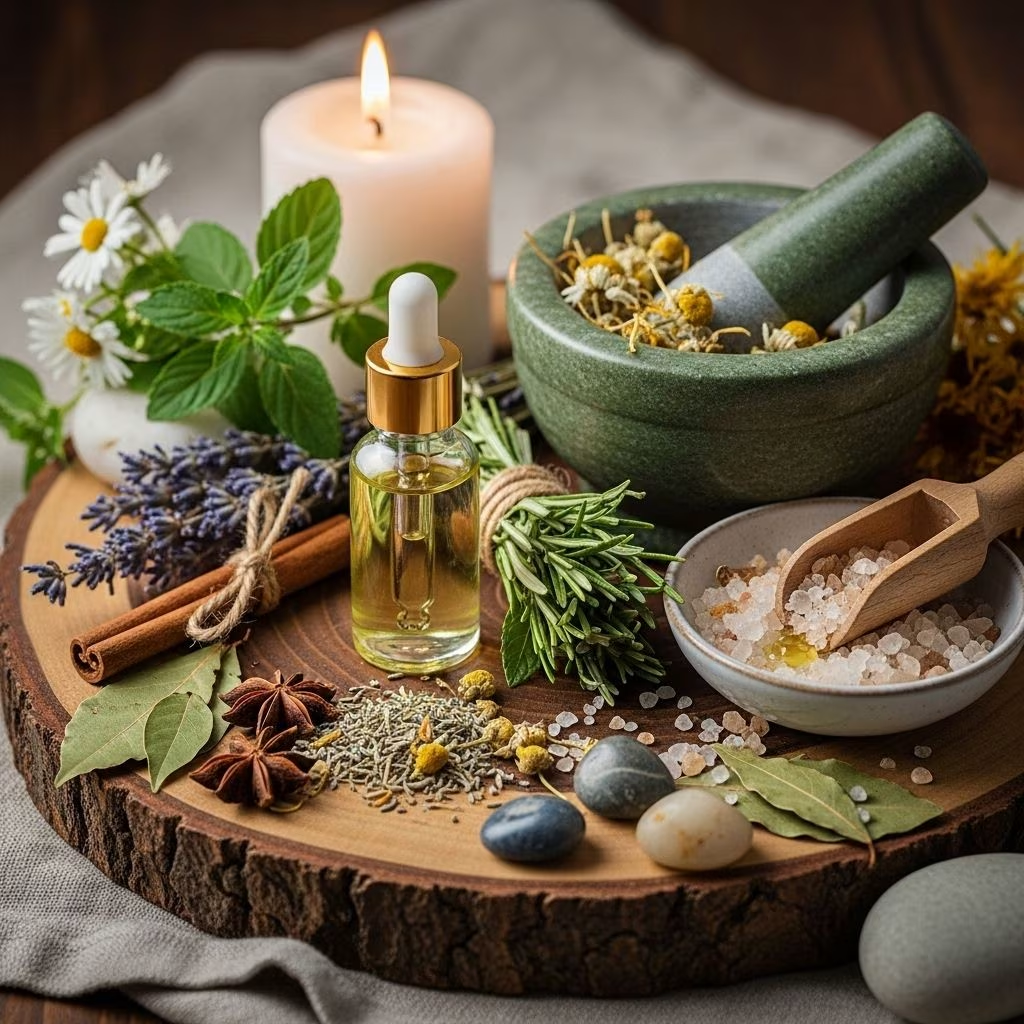
Introduction to Aromatherapy
Aromatherapy is a holistic healing practice that uses essential oils derived from plants to promote health and well-being. It involves inhaling the vapors of these oils or applying them topically to the skin, often in combination with massage therapy or as part of a relaxing bath.
History of Aromatherapy
Aromatherapy has roots dating back thousands of years, with ancient civilizations such as the Egyptians, Chinese, and Indians using aromatic substances for both medicinal and spiritual purposes. The term ‘aromatherapy’ was coined by French perfumer René-Maurice Gattefossé in the early 20th century, following his discovery of lavender oil’s healing properties.
How Aromatherapy Works
Aromatherapy operates primarily through the sense of smell. When essential oils are inhaled, their molecules travel to the brain, affecting the limbic system, which is linked to emotions and other bodily functions like heart rate and blood pressure.
Common Essential Oils and Their Uses
- Lavender: Known for its calming effects and is often used to aid sleep and reduce anxiety.
- Peppermint: Used for digestive issues and as an analgesic for headaches.
- Eucalyptus: Commonly used as a decongestant and for relieving respiratory issues.
- Tea Tree: Has antimicrobial properties, often used for skin infections and acne.
- Geranium: Believed to have anti-inflammatory properties and is used for skin care.
Benefits and Potential Risks of Aromatherapy
While aromatherapy is claimed to help with a range of health issues, including stress, insomnia, and pain management, there is limited scientific research supporting its efficacy. Some people can experience side effects like skin irritation or allergic reactions, especially if oils are not used properly.
Herbal Medicine: A Companion to Aromatherapy
Herbal medicine, like aromatherapy, uses plant extracts to treat various health conditions. It involves using the leaves, flowers, roots, or other parts of plants either in their raw form, as teas, or in supplements. Herbal remedies are widely used for conditions such as digestive issues, colds, and anxiety.
Common Herbal Remedies
- Ginger: Known for its anti-inflammatory properties and is used to alleviate nausea and digestive issues.
- St. John’s Wort: Often used to treat mild depression.
- Chamomile: Used for its calming effects and as a sleep aid.
Frequently Asked Questions (FAQs)
Q: Is aromatherapy safe to use?
A: Generally, aromatherapy is safe when practiced correctly. However, it can cause allergic reactions or interact with certain medications, so it’s important to consult with a healthcare professional before using essential oils, especially if you have underlying health conditions.
Q: Can herbal medicine replace conventional treatment?
A: No, herbal medicine should not replace conventional treatment. It can be used as a complementary therapy under the guidance of a healthcare professional.
Q: How do I choose high-quality essential oils?
A: Look for oils from reputable manufacturers that are free of additives and synthetic ingredients. Always check the label for purity and concentration.
Conclusion
Aromatherapy and herbal medicine offer a holistic approach to wellness, leveraging the natural properties of plants to enhance health and well-being. While both practices have potential benefits, it’s crucial to approach them with caution and always consult with healthcare professionals before integrating them into your health regimen.
References
- https://www.nccih.nih.gov/health/aromatherapy
- https://www.medicalnewstoday.com/articles/10884
- https://pmc.ncbi.nlm.nih.gov/articles/PMC7520654/
- https://instituteofliving.org/health-wellness/health-resources/health-library/detail?id=ncicdr0000458089
- https://www.healthline.com/health/what-is-aromatherapy
- https://www.cancerresearchuk.org/about-cancer/treatment/complementary-alternative-therapies/individual-therapies/aromatherapy


