


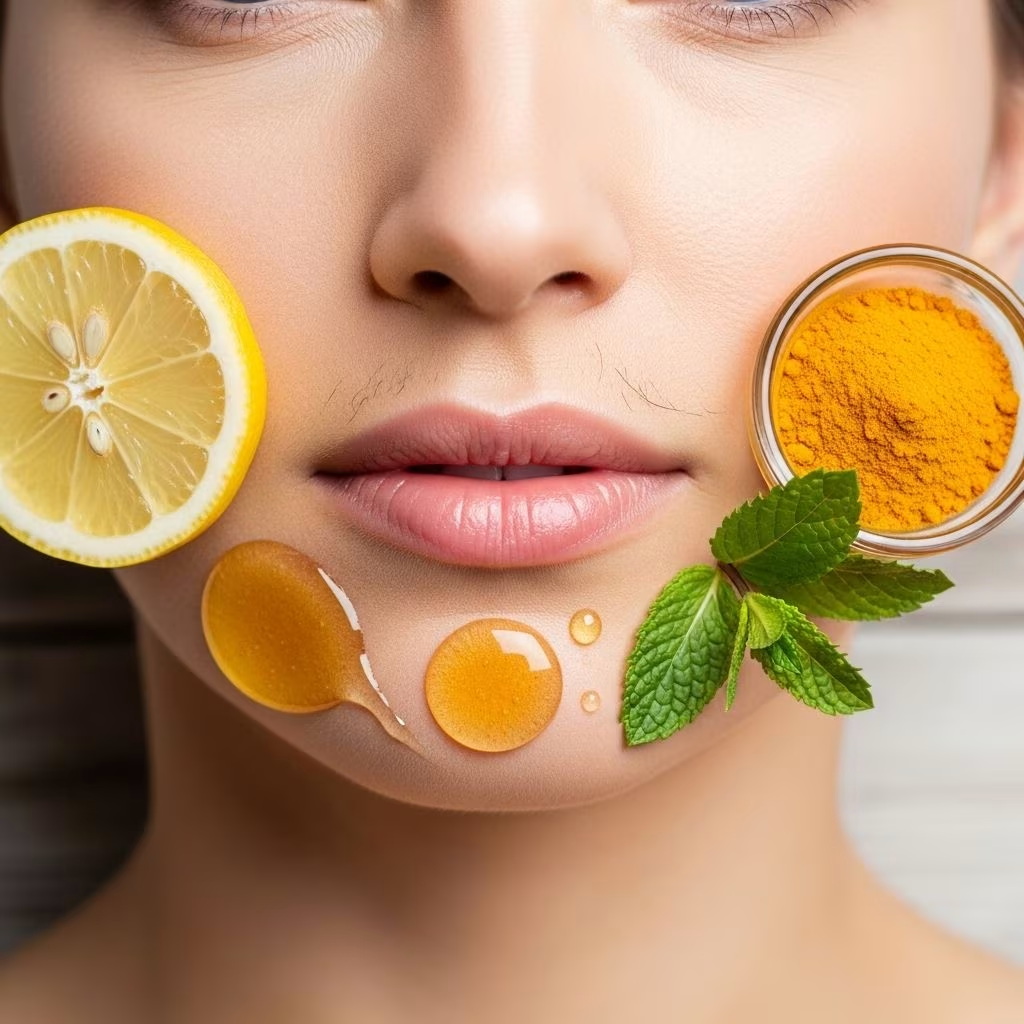
10 Natural Remedies for Soothing and Healing Sunburn
Spending time outdoors is healthy for our bodies and minds, but even the most diligent sun protection can sometimes fall short, leaving us with the uncomfortable sting of sunburn. While prevention is always best, nature offers numerous effective remedies to relieve pain, reduce redness, and support the skin’s healing process. Here, we explore ten science-backed, natural solutions and essential tips for recovery—so you can restore your skin’s comfort and health as quickly as possible.
Understanding Sunburn: Causes and Symptoms
Sunburn is an acute skin reaction caused by overexposure to ultraviolet (UV) radiation from the sun. This damage leads to inflammation characterized by redness, pain, swelling, peeling, and sometimes blisters. If left untreated, repeated sunburn can contribute to skin aging and increase your risk of skin cancer in the long term.
Natural Sunburn Remedies: Relief from Your Kitchen and Garden
Most sunburn remedies focus on cooling the skin, reducing swelling, minimizing pain, and supporting natural skin repair. Here are ten gentle, effective solutions you can try at home:
1. Cool Showers and Compresses
Cool water is the fastest and simplest way to lower the skin’s temperature, pulling away residual heat and easing tenderness. A gentle shower or a soft washcloth soaked in cool (not icy) water placed on the burn for 10–15 minutes several times daily can provide immediate relief—just avoid scrubbing or using harsh soaps that may worsen irritation.
- Tip: Let skin air dry after cool showers, and apply moisturizer while skin is slightly damp to lock in hydration.
2. Baking Soda Baths and Pastes
Baking soda (sodium bicarbonate) is naturally antiseptic and can relieve itching and burning sensations on sunburned skin. For widespread sunburns, add a few tablespoons of baking soda to a lukewarm (not hot) bath and soak for 15–20 minutes. Alternatively, make a paste with cold water and baking soda and gently dab it onto smaller areas. As the water evaporates, it pulls out heat, leaving skin more comfortable.
- Do not rub the paste in—simply let it sit and rinse gently.
3. Aloe Vera Gel
Aloe vera is a classic sunburn remedy for good reason—it contains aloin, a compound shown to reduce inflammation and promote healing. Use fresh aloe leaf gel or a pure, additive-free commercial gel. Apply directly to the affected skin for instant soothing, cooling comfort, and faster recovery.
- For extra relief, chill aloe gel in the refrigerator before use.
- Combine aloe with avocado (see tip 6) for richer hydration.
4. Honey
Honey is naturally antibacterial and anti-inflammatory. It can encourage faster wound healing, reduce swelling, and help prevent infection when applied in a thin layer to sunburned skin. Use raw, unprocessed honey for best results. Let it sit for 10–15 minutes before rinsing, or use as a short-term, gentle overnight mask.
- Patch test first if you have sensitive skin or allergies.
5. Tomatoes
Tomatoes—used as slices, paste, or puree—are high in lycopene, a powerful antioxidant that cools and protects skin. Place cool tomato slices or pureed tomato directly on sunburned areas for 10–15 minutes to help minimize inflammation and neutralize free radicals. Lycopene is also beneficial when included regularly in your diet, lowering your risk of sunburn over time.
6. Oatmeal Soaks and Pastes
Oatmeal is a well-known home remedy for sunburn and other skin irritations. Rich in natural anti-inflammatory compounds and antioxidants, colloidal or ground oatmeal soothes burning, relieves itching, and helps moisturize parched skin. Add one cup of finely ground oatmeal to a lukewarm bath, soak for 15–20 minutes, or mix with cool water to form a paste for targeted relief.
- Avoid scrubbing—let the mixture sit, then rinse off gently with cool water.
7. Avocado
Avocado is packed with vitamins, minerals, antioxidants, and healthy fats that aid skin repair and rehydration. Mash avocado flesh into a paste and apply gently to affected areas for 10–15 minutes before rinsing. For even more healing power, blend with chilled aloe vera gel. This combination supports moisture retention and can help accelerate healing.
8. Cold Milk Compresses
Cold milk as a compress can provide instant calm for sunburned skin. The protein and fat content helps form a light protective layer while lactic acid acts as a gentle exfoliant, removing dead cells from the skin’s surface. Soak a washcloth in chilled milk, wring it out, and gently press onto the burn for 10–15 minutes. Rinse thoroughly afterwards to avoid milk residue.
- Repeat several times daily as needed for comfort.
9. Lavender Oil
Lavender essential oil is valued for its antiseptic, anti-inflammatory, and skin-calming properties. Add 2–3 drops to a bowl of cool water, soak a clean cloth, and place over the sunburned area for immediate cooling relief. Alternatively, dilute lavender oil in a neutral carrier, like coconut oil, before applying directly.
- Never use undiluted essential oils directly on broken or blistered skin.
10. Vitamin D for Fast Recovery
Research suggests that a single high dose of vitamin D, taken internally within an hour of sunburn, can quickly reduce pain, lessen redness, and speed up skin repair by increasing anti-inflammatory enzymes. While supplements can help, safe, regular sun exposure (about 15 minutes a day) also maintains adequate levels to support your skin’s overall health.
Tips to Support Sunburn Healing and Prevent Future Burns
- Hydrate: Drink extra water to help your body cope with the fluid loss from sunburn and prevent dehydration.
- Avoid irritants: Steer clear of perfumes, alcohol-based products, and harsh cleansers on the affected area.
- Protect healing skin: Wear loose, soft clothing and avoid further sun exposure until skin heals.
- Don’t peel or pick: Let peeling skin shed naturally to avoid scarring or infection.
What NOT to Do When Treating Sunburn
- Do not use perfumes or colognes before sun exposure—many fragrances make skin more light-sensitive.
- Check medication labels—some antibiotics, antihistamines, antifungals, and oral contraceptives increase sun sensitivity. If possible, use extra protection or consult your doctor.
- Avoid applying butter, petroleum jelly, or thick oils as they may trap heat and delay healing.
The Science Behind Natural Sunburn Remedies
| Remedy | Main Benefit | Key Compound(s) |
|---|---|---|
| Aloe vera | Cools, reduces inflammation, aids healing | Aloin, antioxidants |
| Baking soda | Soothes itch and removes heat | Sodium bicarbonate |
| Oatmeal | Moisturizes, reduces redness | Beta-glucan, antioxidants |
| Tomato | Antioxidant protection | Lycopene |
| Honey | Speeds healing, prevents infection | Flavonoids, enzymes |
| Lavender oil | Reduces pain, promotes new skin growth | Linalool, linalyl acetate |
| Vitamin D | Speeds recovery, reduces inflammation | Cholecalciferol |
| Milk | Cools, gently exfoliates | Lactic acid, milk proteins |
| Avocado | Hydrates, repairs | Healthy fats, vitamins C & E |
Frequently Asked Questions (FAQs)
Q: How quickly should I use these remedies after getting sunburned?
A: For best relief and healing, apply cooling remedies (like a cold compress or aloe vera) as soon as you notice redness and discomfort. Start gentle care immediately and continue until the skin heals fully.
Q: Can I use more than one home remedy at a time?
A: Yes, you can safely combine several natural remedies—such as an oatmeal bath followed by aloe gel and a honey compress—provided you don’t have allergies to the ingredients.
Q: When should I seek medical care for a sunburn?
A: See a healthcare professional if you have severe blistering, high fever, extensive swelling, signs of infection (pus, red streaks), dehydration, or the burn covers a large area of your body.
Q: Are there foods or supplements that help prevent sunburn?
A: Yes. Eating foods rich in antioxidants (like tomatoes, carrots, and green leafy vegetables) may offer some protection. Maintaining healthy vitamin D levels with 10–15 minutes of safe sun exposure daily can also help.
Q: Does sunscreen really prevent all sunburn?
A: Sunscreen is very effective but not infallible; it should be reapplied every 2 hours (and after swimming or sweating). Use it in conjunction with protective clothing, hats, and shade for best protection.
Final Thoughts: Prevention Is the Best Remedy
While these ten natural remedies offer comfort and can speed recovery, consistent sun protection is crucial for lifelong skin health. Always use broad-spectrum sunscreen, wear hats and protective clothing, and limit direct sun exposure—especially during midday hours. For those times when sunburn cannot be avoided, these gentle solutions can make all the difference in your healing journey.
References
- https://www.ccwm.com/blog/natural-sunburn-remedies
- https://www.ebsco.com/research-starters/complementary-and-alternative-medicine/natural-treatments-sunburn
- https://www.commonspirit.org/blog/do-these-common-sunburn-remedies-actually-work
- https://sunwarrior.com/blogs/health-hub/10-natural-sunburn-remedies
- https://pmc.ncbi.nlm.nih.gov/articles/PMC9958865/
- https://www.allinahealth.org/healthysetgo/heal/tips-for-healing-a-sunburn
- https://www.ncbi.nlm.nih.gov/books/NBK534837/
- https://www.mayoclinichealthsystem.org/hometown-health/speaking-of-health/sunburn-treatment-what-works


