


What Is Mexican Sunflower Seed? Benefits, Uses, and Taste
Mexican sunflower seeds are a flavorful and nutrient-rich ingredient that brings tradition, nutrition, and creativity to kitchens and cuisines worldwide. While the common sunflower (Helianthus annuus) seed is well-known, the term ‘Mexican sunflower seed’ often refers to seeds either from unique sunflower varieties grown in Mexico or those used in Mexican and Latin American recipes. These seeds are celebrated for their hearty nutrition, nutty flavor, and remarkable culinary versatility.
Origin and Botanical Overview
The sunflower is native to North America, with archaeological findings indicating its domestication by indigenous peoples thousands of years ago. Today, sunflower seeds are cultivated extensively in Mexico and feature prominently in Mexican food traditions. The Mexican sunflower (Tithonia diversifolia) is related to the common sunflower but less frequently used for culinary purposes; instead, most edible sunflower seeds in Mexico are from Helianthus annuus varieties.
- Native to North and Central America
- Grown for seeds, oil, and ornamental value
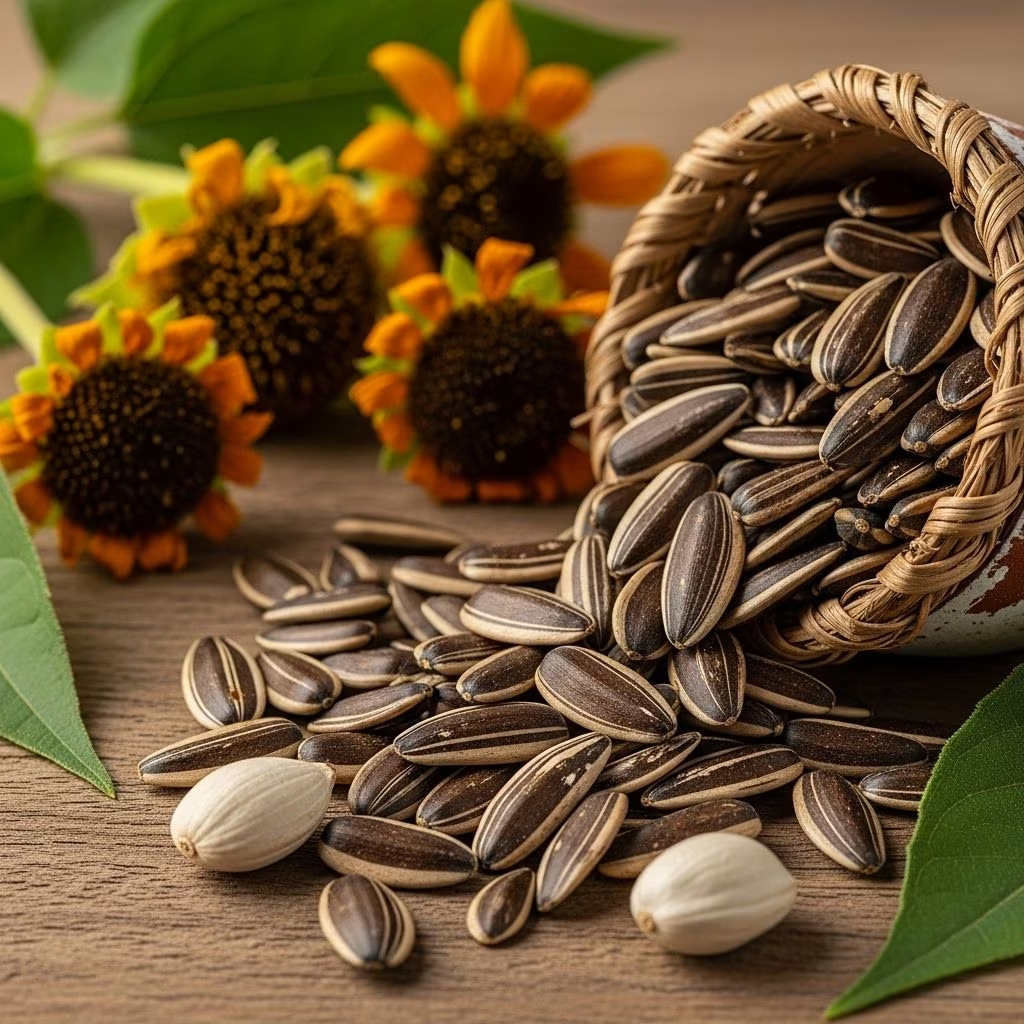
- Contained in a tough, black-and-white shell
- Kernel has a mildy nutty, sweet taste
Nutritional Benefits of Sunflower Seeds
Mexican sunflower seeds are highly nutritious and offer a wide array of health-promoting compounds. They are packed with healthy fats, plant protein, fiber, and a remarkable suite of vitamins and minerals essential for well-being.
| Nutrient | Per 28g (1 oz) Serving |
|---|---|
| Calories | ~160 |
| Protein | 5.5g |
| Total Fat | 14g (mostly unsaturated) |
| Fiber | 2-3g |
| Vitamin E | ~37% DV |
| Magnesium | ~9% DV |
| Selenium | ~32% DV |
| Phosphorus | ~15% DV |
- Rich in antioxidants: Sunflower seeds contain vitamin E, selenium, and phenolic compounds.
- Excellent source of healthy fats: Primarily unsaturated fats (oleic and linoleic acids).
- High in plant-based protein and fiber: Aids in satiety and gut health.
- Packed with trace minerals: Magnesium, zinc, and iron support metabolism and immunity.
Health Benefits
Regular consumption of Mexican sunflower seeds can offer several important health advantages, making them a ‘superfood’ in modern nutrition.
- Heart Health: High vitamin E content and unsaturated fats help reduce cholesterol and protect blood vessels.
- Anti-inflammatory Effects: Sunflower seeds contain antioxidants that may help lower inflammation.
- Improved Metabolism and Brain Function: Magnesium and B vitamins support efficient energy utilization and cognitive health.
- Blood Sugar and Weight Management: Fiber and protein contribute to stable blood sugar and increased satiety.
- Bone and Immune System Support: Minerals like selenium and phosphorus aid bone density and immune response.
Some studies indicate that sunflower seeds also provide polyphenols and plant sterols, further boosting cardiovascular and immune health.
Culinary Uses in Mexican and Global Cuisine
Sunflower seeds have been a staple snack and ingredient in Mexican kitchens for centuries. Their unique nutty flavor, crunchy texture, and hearty nutrition make them a favorite in both traditional and contemporary recipes.
- Snacks: Often roasted and seasoned, sunflower seeds are enjoyed plain, spicy, or tangy—such as Chili-Lime Sunflower Seeds.
- Traditional Dishes: Used in Mexican mole sauces, tamales, and as a crunchy topping for salads, beans, or corn cakes (arepas).
- Baking: Incorporated into breads, crackers, and muffins for added flavor and nutrition.
- Seed Butter: Ground to create a creamy, nutty spread, similar to peanut or almond butter.
- Salsas and Spreads: Blended into dips or sauces for a rich, thick texture and earthy taste.
- Trail Mixes: Combined with dried fruits, other seeds, and nuts as a high-protein snack.
- Fermented Vegan Cheese: Used as a base for creamy, dairy-free spreads.
Sunflower seeds also cross culinary boundaries, appearing in global foods such as Russian seed bread, Spanish pan de semillas, Asian banchan, and Middle Eastern salads.
Taste Profile
Mexican sunflower seeds deliver a flavor that is distinctly nutty, earthy, and mildly sweet, with a rich undertone that complements both savory and sweet dishes. The seed kernel is tender yet crunchy, providing a pleasant mouthfeel and versatile texture.
| Preparation Style | Taste Notes |
|---|---|
| Raw | Mild, nutty, slightly sweet |
| Roasted | Deep, earthy, and toasty |
| Spiced (e.g., chili lime) | Smoky, tangy, spicy, zingy |
| Salted | Savory, classic snack flavor |
| Baked in breads | Subtle, nutty accent |
When spiced, sunflower seeds take on a whole new dimension, such as in smoky chili-lime preparations that combine heat, citrus, and crunchy goodness.
Popular Recipes Featuring Mexican Sunflower Seeds
Here are two standout recipes that showcase the versatility and taste of Mexican sunflower seeds:
Smoky Chili Lime Sunflower Seeds (Snack or Topping)
- 2 cups raw sunflower seeds
- Juice from one lime
- 1/8 cup water
- Spices: smoked paprika, ground cumin, cayenne pepper, chili powder, salt, black pepper
Instructions:
- Preheat oven to 350°F.
- Mix seeds, water, and half the lime juice. Let soak.
- Add spices; coat seeds well.
- Spread on lined baking sheet. Bake 3 minutes.
- Stir in remaining lime juice. Bake another 3 minutes or until crispy, stirring often.
Pueblan Tamales with Red Sunflower Seed Mole
- Chicken, masa, and mole sauce made with ground pepitas (pumpkin seeds) and sunflower seeds
- Prepared with chilies, tomatoes, garlic, onions, and Mexican spices
Sunflower seeds create depth and texture within mole sauces, a hallmark of Mexican gastronomy.
Comparison: Sunflower Seed vs Other Seeds
| Seed | Protein (per oz.) | Fat (per oz.) | Taste Profile | Common Uses |
|---|---|---|---|---|
| Sunflower | 5.5g | 14g | Nutty, mild | Snacks, bread, nut butter |
| Pumpkin (Pepita) | 7g | 13g | Savory, earthy | Mole, salads, granola |
| Sesame | 5g | 13g | Rich, slightly bitter | Sprinkle, tahini, sweets |
| Chia | 4g | 9g | Bland, gel-forming | Drinks, puddings, topping |
Sunflower seeds stand out not only for their flavor and hearty nutrition but also for their distinctive crunch and versatility in both sweet and savory foods.
Buying, Storing, and Preparation Tips
- Buying: Choose bulk, shelled, or unshelled sunflower seeds without added oil or sugars for best nutrition.
- Storing: Keep seeds in airtight jars in cool, dry places. Refrigeration prolongs freshness and prevents oxidation.
- Preparation: Seeds can be roasted, spiced, ground, or sprouted. Raw seeds add gentle flavor and texture; roasting intensifies taste and aroma.
Sunflower seed flour is ideal for gluten-free and grain-free baking, while blended seeds deliver smooth, spreadable nut butters and cheeses. Sunflower seeds sprout quickly and offer a fresh, crunchy addition to salads and bowls.
Frequently Asked Questions (FAQs)
Q: What makes Mexican sunflower seeds different from regular sunflower seeds?
A: The term often refers to preparations, flavoring techniques, or unique sunflower varieties cultivated in Mexico and used in regional cuisine. The nutritional value and flavor remain comparable but may be enhanced with traditional spices or cooking methods.
Q: Are sunflower seeds suitable for plant-based or vegan diets?
A: Yes, sunflower seeds are a powerhouse of plant protein, healthy fats, and minerals, perfect for vegan and vegetarian diets.
Q: How do I use sunflower seeds in cooking?
A: Sunflower seeds can be used whole as toppings, blended into butters, incorporated into baking, roasted for snacks, or ground for sauces and dips.
Q: Do Mexican sunflower seeds have any risks or allergies?
A: Rarely, sunflower seed allergies may affect sensitive individuals. Moderation is key for those managing calorie or omega-6 intake. Whole seeds generally pose fewer risks compared to oils.
Q: Are sunflower seeds gluten-free?
A: Yes, sunflower seeds are naturally gluten-free and safe for those with celiac disease or gluten sensitivity.
Q: Can I sprout Mexican sunflower seeds for salads?
A: Absolutely! Sprouted sunflower seeds offer extra enzymes and crisp texture for salads and bowls.
Conclusion
Mexican sunflower seeds are a nutrition-packed, flavorful, and trend-forward ingredient in contemporary cooking and traditional cuisine. Their nutty taste, crunch, and health benefits make them a staple for anyone seeking flavor and wellness, whether enjoyed as snacks, toppings, or as star ingredients in sauces and baked goods. Embrace the culinary diversity and discover your favorite way to enjoy this superfood seed.
References
- https://www.yourdailyvegan.com/2017/05/chili-lime-sunflower-seeds/
- https://smackinsunflowerseeds.com/blogs/blogs/the-role-of-sunflower-seeds-in-different-cuisines-around-the-world
- https://www.foodcoop.coop/blog/2019/3/5/the-versatile-sunflower-seed
- https://www.confessionsofafoodie.me/2019/05/gonzalo-guzman-nopalito-tamales-empipianados.html
- https://www.juanofwords.com/2012/02/atole-de-teja-sun-flower-seed-porridge/
- https://justinesnacks.com/sunflower-salsa-macha/
- https://chefmimiblog.com/sikil-pak/


