


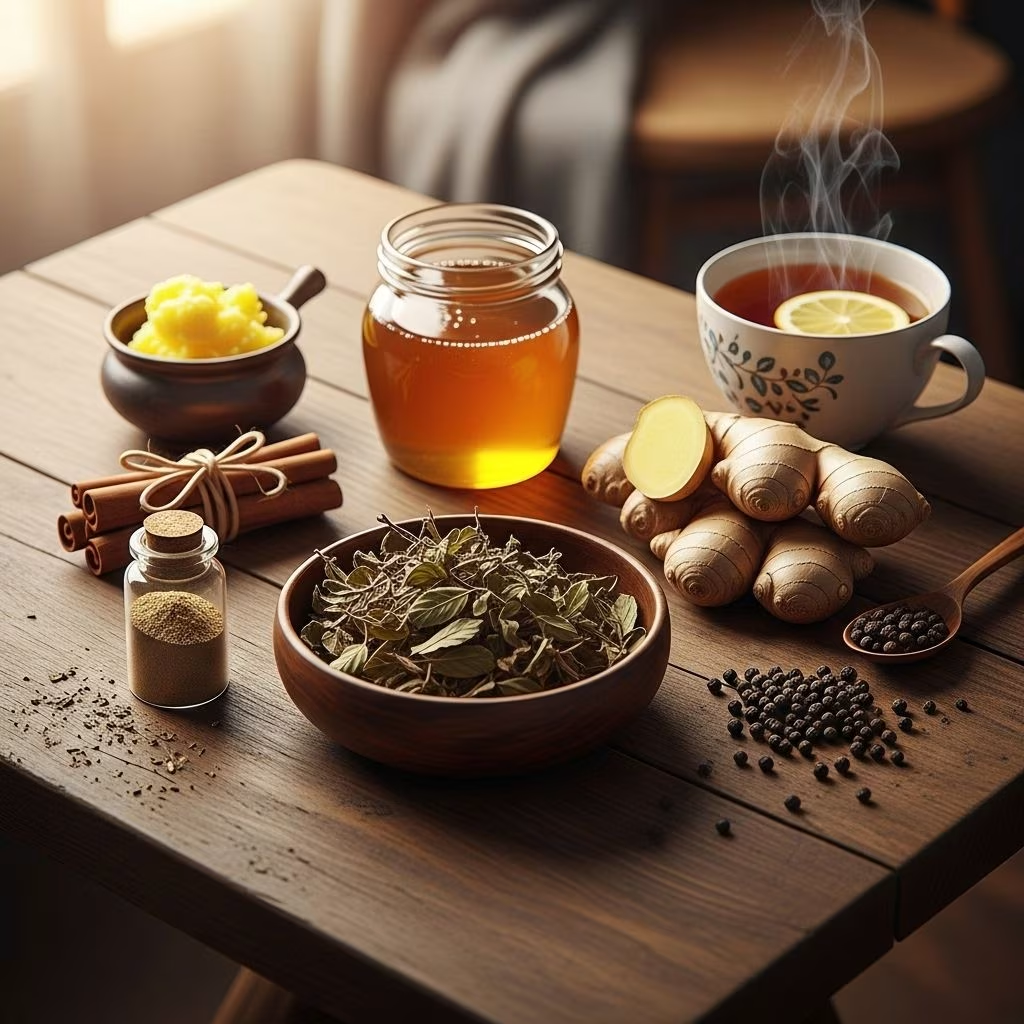
7 Ayurvedic Remedies for Fighting the Cold and Flu That Really Work
Seasonal colds and flu are recurrent challenges that impact our comfort and productivity. While modern medicine offers quick relief, Ayurveda provides a holistic approach rooted in nature, aiming not just to treat the illness, but also to strengthen bodily defenses and restore balance. This article presents seven carefully selected Ayurvedic remedies, each revered for its ability to relieve symptoms and boost immunity using herbs, spices, and thoughtful lifestyle practices.
Understanding Cold and Flu in Ayurveda
Ayurveda regards cold and flu as imbalances in the body’s fundamental energies (doshas), primarily Kapha (responsible for mucus production) and often Vata and Pitta as well. The season, individual constitution, and lifestyle choices play a major role in susceptibility. Healing involves balancing the doshas, igniting digestive fire (Agni), and nurturing the immune system with natural remedies.
1. Herbal Steam Therapy (Swedana)
If you struggle with chest or nasal congestion, herbal steam therapy is a foundational Ayurvedic remedy. Steam opens the sinuses, loosens mucus, and soothes inflamed tissues without harsh chemicals.
- How to Prepare: Boil water in a pot, optionally adding calming herbs such as mint, eucalyptus, tulsi (holy basil), or ajwain.
- Once steaming, drape a towel over your head, lean over the pot, and gently inhale the vapor for 5-10 minutes.
- Benefits: Clears nasal passageways, reduces head congestion, and supports easier breathing.
Note: Always use caution with steam to avoid burns.
2. Warm Ginger-Turmeric Tea
Ginger and turmeric are legendary in Ayurveda for their anti-inflammatory, immune-boosting, and antimicrobial properties.
Consuming a soothing tea made from these herbs brings warmth to the body, stimulates digestion, and accelerates healing.
- Ginger: Relieves sore throat, nausea, and congestion.
- Turmeric: Contains curcumin, a powerful anti-inflammatory and antioxidant.
Recipe:
- Boil 2 cups water, add 1 inch fresh ginger (sliced) and 1/2 tsp turmeric powder.
- Simmer for 10 minutes. Strain and add honey and lemon to taste.
Optional: A pinch of black pepper enhances curcumin absorption.
3. Tulsi (Holy Basil) Elixir
Tulsi is considered a sacred plant in Ayurveda, revered for its ability to boost immunity, fight infection, and alleviate respiratory ailments.
- Tulsi Tea: Boil 1-2 tsp fresh or dried tulsi leaves in 2 cups water until reduced to half.
- Strain and mix with a teaspoon of honey for added antibacterial effects.
- Indications: For fever, cough, sore throat, and congestion. Consume twice daily.
4. Spiced Golden Milk (Haldi Doodh)
Golden Milk is an ancient Ayurvedic remedy made from warm milk and turmeric, sometimes enhanced with ginger, black pepper, or cardamom.
- Turmeric: Fights viral and bacterial infections.
- Milk: Nourishes tissues and soothes the throat.
Recipe:
- Warm 1 cup milk (dairy or non-dairy).
- Add 1/4 tsp turmeric powder, a pinch of black pepper, and (optional) cardamom, cinnamon, or ginger.
- Sweeten with jaggery or honey if desired. Drink before bed for comfort.
5. Saltwater Gargle
A simple yet powerful way to ease sore throat and reduce bacteria is the saltwater gargle. This remedy loosens mucus, soothes inflammation, and helps flush out pathogens.
- Mix 1/2 tsp natural sea salt in a cup of warm water.
- Gargle several times daily, taking care not to swallow.
6. Ayurvedic Herbal Decoction (Kadha/Kashayam)
Kadha is a traditional Ayurvedic herbal decoction for colds and flu. It blends warming, immune-boosting herbs such as tulsi, black pepper, ginger, and turmeric into a potent tonic.
- Recipe: In 2 cups water, add 4-5 tulsi leaves, 1/2 tsp black pepper, 1/2 tsp turmeric powder, and 1 inch sliced ginger.
- Boil until water reduces by half. Strain and add honey or palm sugar.
- Benefits: Reduces congestion, soothes throat, helps clear phlegm.
7. Nourishing Ayurvedic Diet and Lifestyle Practices
Ayurveda emphasizes warm, easily digestible foods and supportive lifestyle practices during illness:
- Favor: Warm soups, broths, stews, and herbal teas.
- Include ginger, garlic, turmeric, and black pepper for their immune-boosting effects.
- Avoid: Cold, heavy, oily foods and dairy, which can increase Kapha and worsen congestion.
- Rest: Adequate sleep and reduced stress allow the body to heal naturally.
- Practice gentle yoga and breathing exercises to support lung function.
- Maintain hygiene and regular hand washing to minimize reinfection.
Ayurvedic Herbs for Cold and Flu
| Herb | Key Benefits | Common Usage |
|---|---|---|
| Ginger | Anti-inflammatory, clears congestion | Tea, added to kadha, soups |
| Turmeric | Antiviral, antioxidant, anti-inflammatory | Golden milk, teas, decoction |
| Tulsi (Holy Basil) | Immunity booster, relieves cough | Tulsi tea, decoction |
| Liquorice Root | Soothes throat, relieves allergy symptoms | Kadha, tea, powder in warm water |
| Pippali (Long Pepper) | Expectorant, relieves headache and congestion | Added to decoction, teas |
When to Use Ayurvedic Remedies?
Ayurvedic remedies can be used during an active cold or flu episode for symptom relief and faster healing. Many can also be taken regularly—especially in the winter season or monsoons—to strengthen immunity and reduce overall susceptibility to respiratory infections.
Safety, Possible Side Effects, and Precautions
- Always consult with a healthcare practitioner if you have chronic health issues, are pregnant, or take prescription medications.
- Herbal remedies are typically safe when used as directed, but excessive dosage or unsupervised use may lead to digestive upset or allergies.
- Children, elders, and those with weakened immunity should especially start with low doses and monitor for reactions.
Frequently Asked Questions (FAQs)
Q: Can I combine multiple Ayurvedic remedies for a cold?
A: Yes, many remedies (such as ginger-turmeric tea, tulsi elixir, and steam inhalation) can be safely combined for a comprehensive approach. Avoid doubling up on potent herbs unless advised by an Ayurvedic practitioner.
Q: How quickly do these remedies work for cold and flu?
A: Results vary based on individual constitution and severity, but most people experience relief in 1–3 days when remedies are employed promptly and alongside adequate rest.
Q: Are these remedies suitable for children?
A: Many Ayurvedic remedies are gentle enough for children when used in moderation. Always use smaller doses, avoid strong spices, and consult a pediatrician or Ayurvedic practitioner regarding suitability and dosage.
Q: What lifestyle changes support healing during cold and flu?
A: Prioritize warmth, comfort, rest, hydration, and light nourishing foods. Gentle yoga, meditation, and breathing exercises help recovery. Minimize screen time and stressful activities.
Q: Can Ayurvedic remedies prevent future colds and flu?
A: Yes, regular use of immune-boosting herbs like tulsi and ginger, adopting a holistic diet, and maintaining balance in daily rhythms can reduce the frequency and severity of future illnesses.
Conclusion: Embrace Natural Healing
Ayurveda provides a time-tested roadmap for both relief and prevention of colds and flu. By combining effective herbal remedies, smart dietary choices, and gentle lifestyle practices, we can reclaim comfort, resilience, and wellness throughout the seasons. It is always vital, however, to consult knowledgeable practitioners when symptoms are severe or persistent, and to honor our bodies’ cues for rest and nourishment.
References
- https://vediherbals.com/blogs/blog/10-effective-ayurveda-tips-for-recovery-from-cold-and-flu-this-monsoon
- https://srisriayurvedahospital.org/ayurvedic-remedies-for-cold-and-flu/
- https://www.saumya-ayurveda.com/post/ayurveda-flu-and-cold-remedies
- https://theayurvedicclinic.com/winter-wellness-navigating-cold-and-flu-season-with-ayurvedic-wisdom/
- https://kripalu.org/living-kripalu/ayurvedic-cold-and-flu-remedies
- https://artoflivingretreatcenter.org/blog/indian-home-remedies-for-cold-flu/
- https://www.metropolisindia.com/blog/lifestyle/7-ayurvedic-remedies-to-ward-off-that-cold-and-cough
- https://pmc.ncbi.nlm.nih.gov/articles/PMC10278442/
- https://www.baidyanathayurved.com/collections/influenza
- https://ayurved.dpu.edu.in/blogs/ayurvedic-remedies-for-cold-and-flu


