


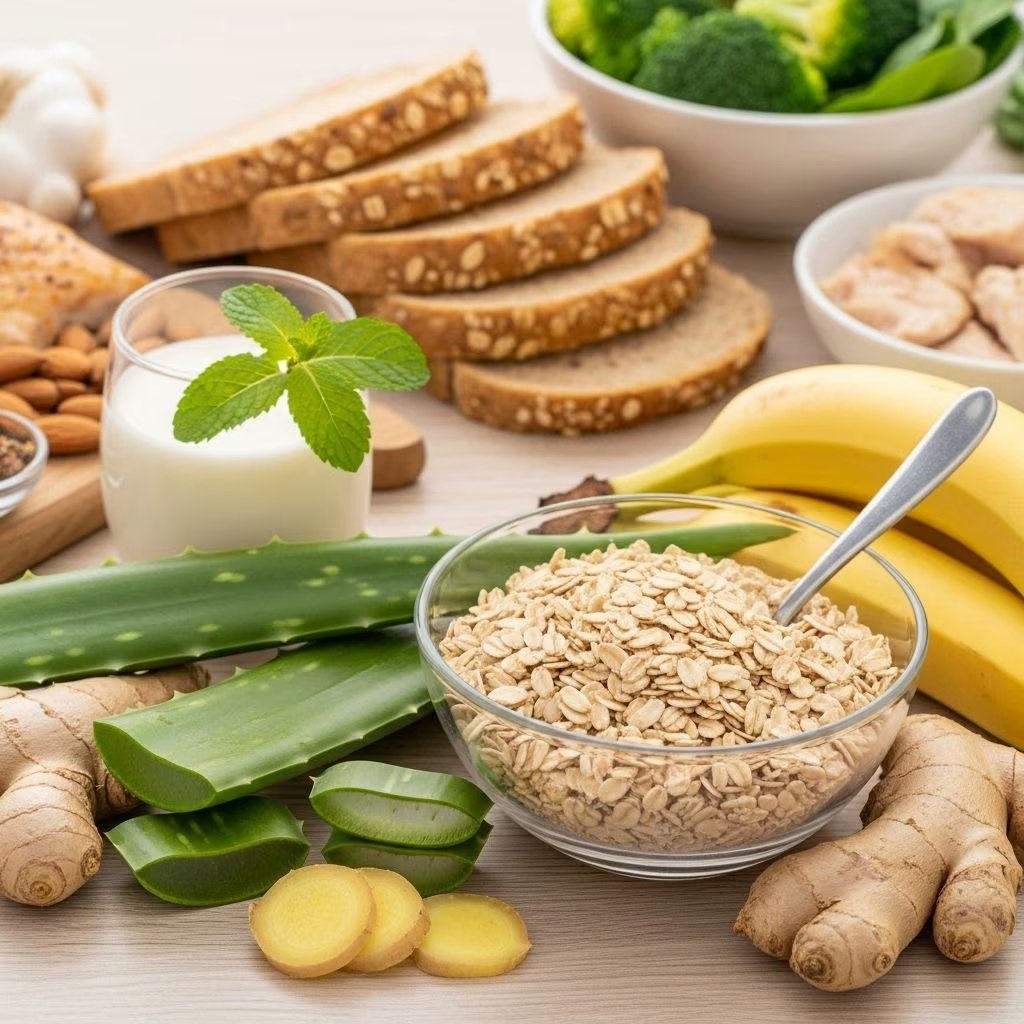
Understanding Acid Reflux and GERD
Acid reflux, commonly known as gastroesophageal reflux disease (GERD), occurs when stomach acid flows back into the esophagus, causing discomfort and pain. While medications are often prescribed, dietary changes can significantly alleviate symptoms. Understanding the causes and triggers of acid reflux is crucial for managing it effectively.
Causes and Triggers of Acid Reflux
Several factors contribute to acid reflux, including relaxation of the lower esophageal sphincter (LES), stomach irritation, and delayed gastric emptying. Foods like chocolate, mint, spicy or acidic foods, and fatty meals can exacerbate symptoms by either relaxing the LES or irritating the esophagus and stomach lining.
Main Foods to Avoid
- Acidic Foods: Citrus fruits, tomatoes, and tomato-based products can irritate the esophagus and worsen symptoms.
- Fatty and Fried Foods: These delay stomach emptying, prolonging exposure to stomach acid.
- Spicy Foods: Can irritate the stomach lining and worsen symptoms.
- Chocolate and Mint: Relax the LES, allowing stomach acid to flow back into the esophagus.
Dietary Interventions for Acid Reflux
The goal of an acid reflux diet is to choose foods that minimize symptoms while incorporating those that may soothe the digestive tract.
Alkaline Foods
Alkaline foods can help neutralize stomach acid. Dairy products like milk, yogurt, kefir, and cottage cheese are alkaline and can provide immediate relief if dairy is tolerated.
High Fiber Foods
Whole grains, fruits, and vegetables are high in fiber, aiding digestion and reducing symptoms.
Therapeutic Foods
- Bone Broth: Supports gut lining health.
- Turmeric: Known for its anti-inflammatory properties.
- Aloe Vera Juice: Soothes the digestive tract.
- Papaya: Aids digestion with enzymes like papain.
- Marshmallow Root and Slippery Elm: Traditionally used for their soothing properties.
Eating Habits to Manage Acid Reflux
Adopting certain eating habits can help alleviate acid reflux symptoms:
- Eat Smaller Portions: Avoid overeating to reduce pressure on the stomach.
- Finish Meals Early: Avoid eating close to bedtime to prevent nighttime reflux.
- Choose Low-Acid Snacks: Opt for bananas, melons, oatmeal, or whole-grain crackers between meals.
Cooking Techniques for Acid Reflux Management
Certain cooking methods can help minimize triggers:
- Baking and Grilling: Use minimal oil to avoid fatty foods.
- Steaming and Poaching: Gentle methods that preserve nutrients and are easy on the digestive system.
Frequently Asked Questions (FAQs)
Q: What foods should I avoid if I have acid reflux?
Avoid acidic foods like citrus fruits, fatty foods, spicy foods, and mint or chocolate.
Q: How can I manage acid reflux symptoms at night?
Finish meals 2-3 hours before bedtime, and elevate the head of your bed by about 6 inches (15 cm) to prevent acid from flowing back into the esophagus.
Q: Can I still enjoy ginger with acid reflux?
Ginger can be soothing, but consume it in moderation (not exceeding 4 grams per day) as excessive intake may trigger heartburn in some individuals.
Q: How can a GERD diet benefit overall health?
A GERD diet often includes whole grains, fruits, and vegetables, which are beneficial for overall digestive health and can help maintain a balanced diet.
References
- https://www.massgeneralbrigham.org/en/about/newsroom/articles/diet-for-gerd
- https://www.health.harvard.edu/diseases-and-conditions/gerd-diet-foods-to-avoid-to-reduce-acid-reflux
- https://nutritionresolution.com/7-day-gerd-diet-plan-your-ultimate-guide-to-rapid-relief-from-acid-reflux/
- https://wakegastro.com/patient-info/gerd-diet/
- https://www.asge.org/docs/default-source/about-asge/newsroom/doc-gerd_infographic_final.pdf
- https://www.niddk.nih.gov/health-information/digestive-diseases/acid-reflux-ger-gerd-adults/eating-diet-nutrition
- https://www.health.harvard.edu/newsletter_article/9-ways-to-relieve-acid-reflux-without-medication
- https://www.topnutritioncoaching.com/blog/best-diet-for-acid-reflux


