


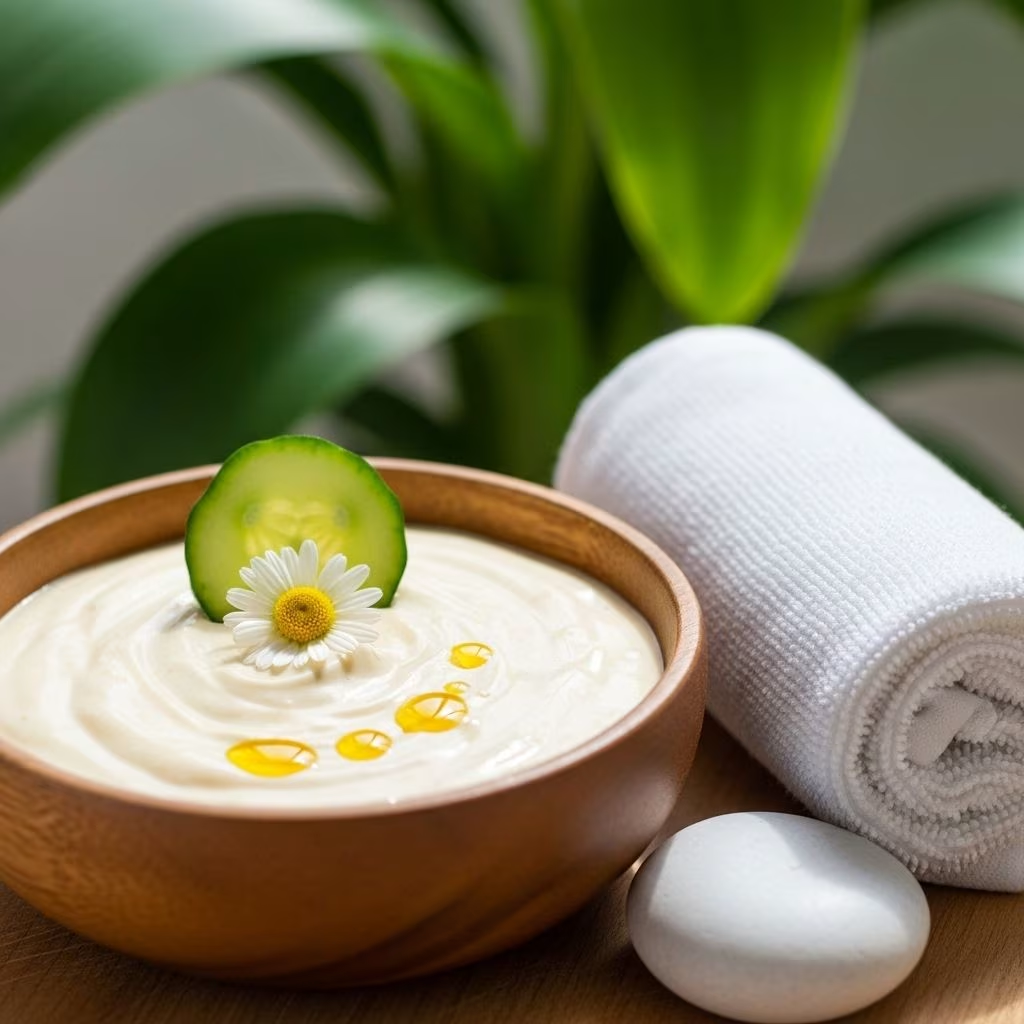
Natural Remedies for Dry Facial Skin: Effective Home Solutions
Dry facial skin is a common concern, especially in climates with low humidity, cold winters, or among individuals with sensitive skin. While commercial moisturizers abound, many people seek natural remedies that are gentle, cost-effective, and free from harsh chemicals. This article explores the most effective natural treatments and daily habits to nourish, protect, and restore dry facial skin, highlighting testimonies from dermatological insights and traditional wisdom.
Understanding Dry Facial Skin
Dry skin, medically known as xerosis, occurs when the skin lacks sufficient moisture in its outermost layer. Common symptoms include tightness, flakiness, itchiness, rough patches, and sometimes mild redness or irritation. If untreated, dry skin can contribute to premature aging and increased sensitivity.
Main Causes of Dry Facial Skin
- Environmental Factors: Cold, windy weather and low humidity strip skin of moisture.
- Hot showers and harsh soaps: Prolonged exposure to hot water and aggressive cleansers break down the skin’s protective barrier.
- Genetic Predisposition: Some people naturally have less oil-producing glands.
- Aging: The skin produces less oil as we get older.
- Medical Conditions: Eczema, psoriasis, and hypothyroidism are frequent culprits.
Understanding the underlying cause helps choose the most effective remedies and preventive habits.
Top Natural Remedies for Dry Facial Skin
Many common kitchen and plant-based ingredients have properties that can help hydrate and heal dry skin. Here’s how to use them safely and effectively:
Coconut Oil
Coconut oil is renowned for its natural emollient properties. Rich in saturated fatty acids, especially lauric acid, coconut oil fills the gaps between skin cells, sealing in moisture and smoothing rough areas. You can safely use it daily on almost all facial areas, including the delicate skin around the eyes and lips.
How to use:
- Warm a small amount of coconut oil between your fingers and apply as the final step of your nighttime routine.
- Leave it on overnight for best results. In the morning, cleanse as usual.
Honey
Honey is a natural humectant, drawing moisture from the air into your skin, and is rich in antioxidants and healing compounds. It also has mild antibacterial and anti-inflammatory properties that can calm irritated or inflamed skin.
How to use:
- Apply raw, organic honey directly to the face, avoiding the eyes.
- Leave for 10–15 minutes, then rinse with lukewarm water.
- Use 2–3 times per week for noticeably softer, hydrated skin.
Aloe Vera
Aloe vera gel soothes, hydrates, and aids in skin repair thanks to its mucopolysaccharide content and natural enzymes. It’s particularly calming for dry, irritated patches.
How to use:
- Apply a generous layer of pure aloe vera gel to the face.
- Let it sit for 10–15 minutes, then rinse or leave overnight for intensive repair.
- To treat very dry hands or feet, cover with cotton gloves or socks after applying aloe.
Oatmeal
Oatmeal is an age-old remedy for dry, itchy or inflamed skin due to its avenanthramides (anti-inflammatory compounds) and beta-glucan, which locks in moisture.
How to use:
- Mix colloidal (finely ground) oatmeal with water to create a paste. Apply as a mask for 15 minutes.
- Alternatively, add a cup of colloidal oatmeal to a lukewarm bath and soak for 10–20 minutes.
Avocado Mask
Avocado is rich in healthy fats, vitamins C and E, and antioxidants. It provides deep, lasting hydration and nourishment for parched skin.
How to use:
- Mash half a ripe avocado and apply as a mask to your face.
- Let it sit for 15–20 minutes before rinsing off.
Sunflower Seed Oil
Sunflower seed oil is packed with vitamin E and linoleic acid, reinforcing the skin barrier and improving skin hydration. Unlike some oils, it does not irritate sensitive skin.
How to use:
- Apply a few drops to clean, damp facial skin and massage in gently.
Shea Butter
Shea butter is a botanical emollient loaded with fatty acids and vitamins A and E. It seals in moisture and repairs the skin barrier, making it ideal for overnight masks.
How to use:
- Combine a spoonful of raw shea butter with a little pure honey and a few drops of grapeseed oil.
- Apply to your face as an overnight mask, or as needed for extra hydration.
Olive Oil
Olive oil contains squalene and antioxidants that help soften skin and defend against environmental damage. However, those with very sensitive skin should use it with caution, as it can sometimes disrupt the skin’s natural barrier.
How to use:
- Apply sparingly to dry patches or mix with a moisturizer.
Yogurt and Egg Mask
Yogurt contains lactic acid, which gently exfoliates and hydrates, while egg white nourishes and improves skin elasticity.
How to use:
- Mix 2 tablespoons of yogurt with one egg white.
- Apply to the face and leave for 10–15 minutes, then wash off thoroughly.
Cucumber
Cucumber is exceptionally hydrating due to its high water content and soothing properties.
How to use:
- Blend cucumber into a smooth paste and apply as a mask.
- Leave on for 10–15 minutes, then rinse. Cucumber can also be gently massaged in to help exfoliate dead skin.
Petroleum Jelly (Mineral Oil)
Petroleum jelly has been a staple in dry skin care for generations. It forms a waterproof barrier that locks in moisture, making it ideal for extremely dry or cracked areas.
How to use:
- Apply a thin layer to the face at bedtime if your skin is very dry.
- It can feel heavy, so it’s best for overnight use or on specific dry patches.
Lifestyle Practices to Prevent and Manage Dry Skin
In addition to topical treatments, certain daily habits and environmental controls help address and prevent dryness:
- Hydrate adequately: Drink plenty of water. Internal hydration supports your skin’s moisture levels.
- Gentle cleansing: Use fragrance-free, non-foaming cleansers. Avoid washing your face with hot water.
- Limit shower time: Limit hot baths and showers to less than 10 minutes. Pat skin dry gently, and moisturize immediately while skin is still damp.
- Use a humidifier: Especially during winter months, humidifiers help prevent the air (and your skin) from becoming too dry.
- Wear protective clothing: In cold or windy climates, a scarf can shield the face from harsh elements.
- Choose gentle fabrics: Wear soft, natural fabrics like cotton, and avoid materials that irritate or wick away oil from your skin.
- Avoid irritants: Limit alcohol-based skincare, perfumed products, and harsh exfoliants.
Best Practices: How to Apply Natural Remedies Safely
When using any new remedy, especially on sensitive facial skin, it’s wise to test a small area first for any reaction. Here are a few tips:
- Always apply to clean skin.
- Use gentle, circular motions to avoid microtears.
- Follow up with a moisturizer, especially after masks or treatments with exfoliating ingredients.
- Introduce one new remedy at a time, so you can pinpoint any reaction or benefit.
- Be consistent; results may take several days to become evident.
Sample Routine for Dry Facial Skin (Morning and Night)
| Step | Morning | Night |
|---|---|---|
| Cleanse | Gentle hydrating cleanser, cool water | Gentle hydrating cleanser |
| Treat | Spritz with rose water, aloe vera, or use oatmeal mask 2–3 times/week | Overnight nourishing mask (coconut oil, shea butter, avocado) |
| Moisturize | Layer on a natural oil (sunflower, olive, or coconut) or light cream | Thicker natural cream or oil, plus petroleum jelly on very dry patches |
| Protect | Always use sunscreen if outdoors | Optional: Humidifier nearby |
When to See a Dermatologist
If dry facial skin is persistent, very red, painful, or associated with swelling, seek medical advice. Chronic dry skin can indicate underlying conditions such as eczema, psoriasis, or a thyroid disorder. A dermatologist can provide guidance and recommend prescription therapies if necessary.
Frequently Asked Questions (FAQs)
What are the best natural remedies for dry skin on the face?
Some of the most effective natural solutions are coconut oil, aloe vera, honey, cucumber masks, shea butter, and sunflower seed oil. These ingredients help lock in moisture and repair the skin barrier when used regularly.
How can I prevent dry skin on my face?
Use a hydrating, fragrance-free cleanser, moisturize immediately after washing, avoid hot water, use a humidifier in dry environments, and protect your face from harsh weather. Also, stay well-hydrated and avoid products with alcohol or strong fragrances.
Are there dietary tips for improving dry skin?
Yes. Consuming foods rich in omega-3 fatty acids (like walnuts and flaxseed), antioxidants (berries, leafy greens), and adequate hydration can support healthier, better-hydrated skin from within.
How often should I use these natural remedies?
Gentle hydrating remedies like aloe vera gel or coconut oil can be used daily. More intensive masks, such as those with honey or avocado, are best used 2–3 times per week.
Can natural remedies cause irritation?
While natural ingredients are generally well-tolerated, some people may react to specific items. Always patch test on a small area of skin before full application, especially if you have sensitive skin or a history of allergies.
References
- https://www.medicalnewstoday.com/articles/319555
- https://health.clevelandclinic.org/treating-dry-skin-on-face
- https://www.health.harvard.edu/staying-healthy/9-ways-to-banish-dry-skin
- https://www.healthline.com/health/home-remedies-for-dry-skin
- https://id.loccitane.com/blogs/provence-story/how-to-moisturize-dry-face-skin-naturally
- https://www.mayoclinic.org/diseases-conditions/dry-skin/diagnosis-treatment/drc-20353891
- https://vincebeauty.com/blogs/vince-blog/how-to-cure-dry-skin-on-face-overnight-home-remedies
- https://pharmeasy.in/blog/simple-home-remedies-for-glowing-skin/


