


Introduction
Excessive sweating, or hyperhidrosis, can be a persistent and embarrassing problem—especially when it affects your hands and feet. Traditional treatments often focus on medications or medical procedures, but a growing number of people are seeking natural alternatives. This guide covers a range of science-backed natural remedies, lifestyle modifications, and preventive measures to help you manage hand and foot sweating effectively.
Understanding Excessive Sweating: Causes and Effects
Before diving into remedies, it’s important to understand why excessive sweating occurs. Hyperhidrosis can be classified as:
- Primary hyperhidrosis: Usually localized to specific areas like hands, feet, underarms, and face without an underlying medical cause.
- Secondary hyperhidrosis: Caused by an underlying health condition such as thyroid disorders, diabetes, or menopause.
While genetics and nervous system factors are key causes, environmental triggers and diet can also play a role.
Lifestyle Changes to Reduce Excessive Sweating
Lifestyle adjustments can make a significant difference in managing sweating symptoms:
- Diet: Spicy foods, caffeine, and alcohol can stimulate sweat production. Reducing intake may help.
- Hydration: Staying well-hydrated supports body temperature regulation and skin health.
- Clothing: Opt for breathable fabrics like cotton and avoid tight or synthetic materials that trap moisture.
- Stress Management: Anxiety and stress are common triggers. Techniques like meditation, deep breathing, and yoga can help.
Natural and Home Remedies for Hands and Feet
Antiperspirants
Regular and clinical-strength antiperspirants are not just for underarms. Applying them to hands and feet can reduce sweat. Use them at night for optimal absorption.
Baking Soda
Baking soda is alkaline and can help make sweat evaporate more quickly. Mix a couple of teaspoons with water to make a paste, apply to hands or feet for a few minutes, then rinse.
Sage
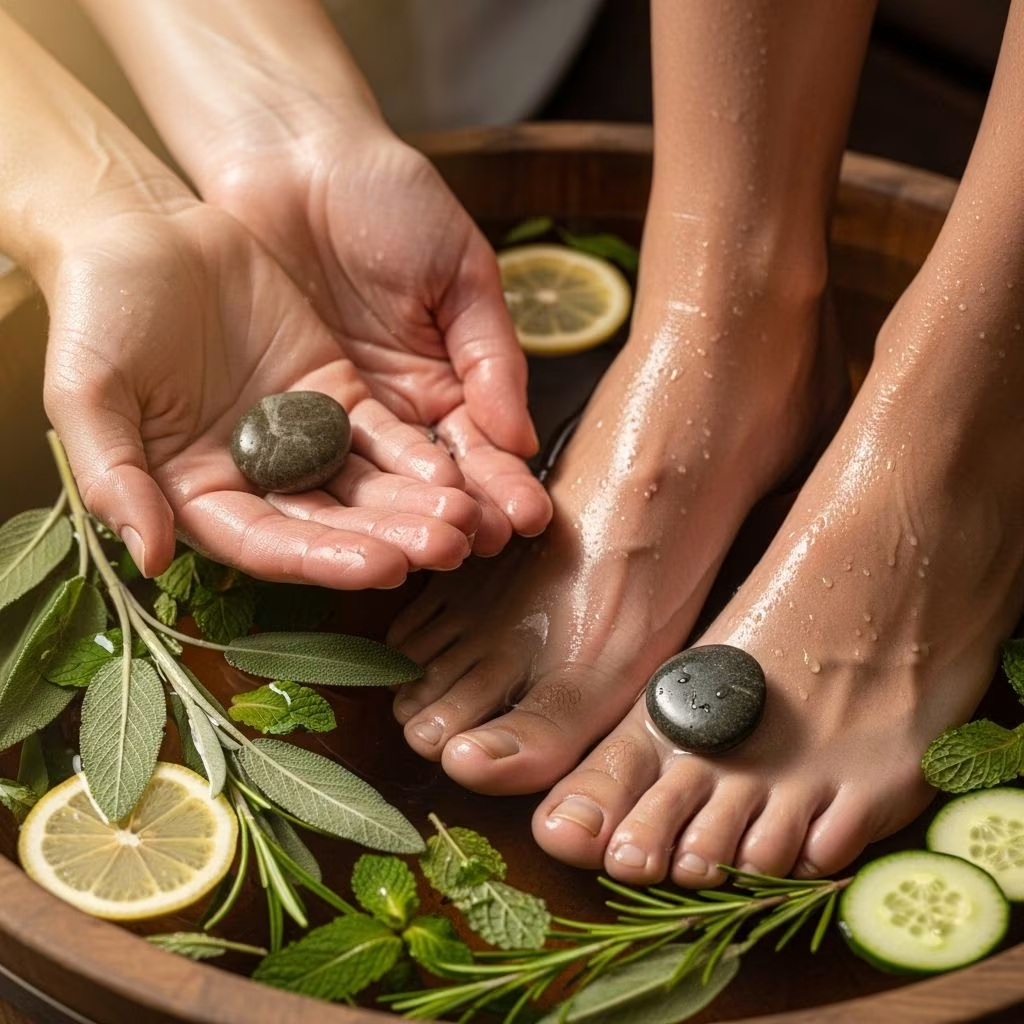
Sage has astringent properties believed to reduce sweat. Soak your hands or feet in sage-infused water for 20 minutes, or try drinking sage tea after consulting your doctor.
Black Tea
Soaking feet in black tea (rich in tannic acid) can help close pores and reduce sweating. Soak for 20 minutes daily for best results.
Herbal Supplements
Herbs like St. John’s Wort, chamomile, and burdock root may help regulate the nervous system and reduce sweat. Always discuss with a healthcare provider before starting supplements.
Advanced Natural Therapies
Biofeedback and Relaxation Techniques
Biofeedback, a mind-body technique, can help you gain control over sweat responses. Relaxation methods like meditation and hypnosis may also be beneficial for those whose sweating is stress-related.
Acupuncture
Acupuncture may help regulate the nervous system and reduce sweating, though further research is needed to confirm its effectiveness.
Homeopathy
Homeopathic remedies such as Argentum nitricum and Natrum muriaticum are sometimes recommended for excessive sweating, though scientific evidence is limited.
Frequently Asked Questions (FAQs)
Q: Are natural remedies safe for everyone?
Most natural remedies are safe when used properly, but some herbs and supplements can interact with medications. Consult your doctor before starting any new regimen.
Q: How long does it take for natural remedies to work?
Results vary by individual and remedy. Some people notice improvements within days, while others may need weeks of consistent use.
Q: Are there any side effects to natural remedies?
Most have minimal side effects, but topical applications may irritate sensitive skin, and oral supplements can interact with other medications.
Q: Can diet really affect sweating?
Yes, certain foods and drinks—especially those containing caffeine or capsaicin—can increase sweat production.
Q: When should I see a doctor for excessive sweating?
If sweating disrupts daily life, affects mental health, or is accompanied by other symptoms (weight loss, fever, chest pain), seek medical advice.
Preventive Care and Skin Hygiene
Good skin hygiene is crucial for preventing complications like fungal infections. Wash hands and feet regularly, dry thoroughly, especially between toes, and use antifungal powders if needed. Wear moisture-wicking socks and change them frequently. Use breathable shoes and alternate pairs to allow drying.
When to Consider Medical Treatment
If natural remedies don’t provide adequate relief, consult a dermatologist. Medical options include prescription antiperspirants, iontophoresis (mild electrical currents), Botox injections, and in rare cases, surgery.
Conclusion
Excessive sweating in hands and feet can be distressing, but numerous natural remedies and lifestyle changes can help manage symptoms. Start with the least invasive approaches—such as dietary adjustments, herbal remedies, and stress management—and consult a healthcare provider if symptoms persist or worsen.
Remember: While natural remedies offer a gentler alternative, they may not work for everyone. A personalized approach, often combining natural and medical therapies, yields the best results for long-term relief.
Additional Resources
- Mayo Clinic: Overview and treatment options for hyperhidrosis.
- Healthline: Practical home remedies for sweaty hands.
- Medical News Today: Tips for preventing and treating sweaty feet.
This content is for informational purposes only and does not constitute medical advice. Always consult a qualified healthcare provider before starting any new treatment.
References
- https://www.hyperhidrosiscumc.com/natural-remedies-for-hyperhidrosis/
- https://www.mayoclinic.org/diseases-conditions/hyperhidrosis/diagnosis-treatment/drc-20367173
- https://www.skincaredrs.com/medical-dermatology/conditions-treated/hyperhidrosis/
- https://www.healthline.com/health/hyperhidrosis-handle-sweaty-hands
- https://health.clevelandclinic.org/how-to-stop-sweating
- https://drdavinlim.com/excessive-sweating-natural-treatments/
- https://www.medicalnewstoday.com/articles/322578
- https://www.aad.org/public/diseases/a-z/hyperhidrosis-self-care
- https://dermatologyseattle.com/hyperhidrosis-treatment-options/


