


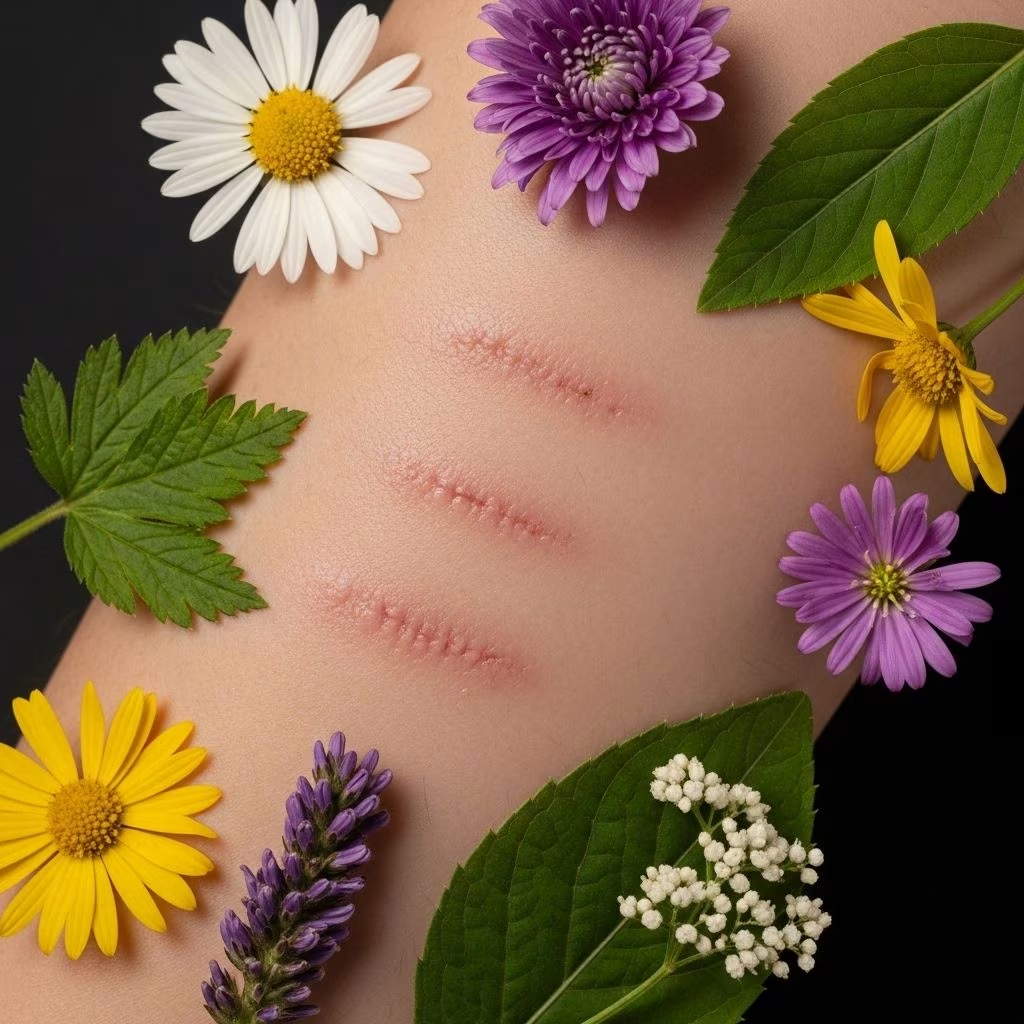
Introduction to White Scars and Skin Healing
White scars, often referred to as hypopigmented scars, result when the skin loses its natural pigment during the healing process following an injury, burn, surgery, or skin condition. These scars can be a source of self-consciousness for many, but nature offers a variety of remedies that may help stimulate blood flow, improve skin texture, and encourage the skin’s natural regeneration. While completely restoring pigmentation isn’t always possible, consistent use of certain natural treatments can lead to visible improvements, making scars less noticeable and the skin healthier-looking over time.
This article explores the science behind scar formation, reviews the most effective natural remedies, and provides practical, step-by-step guidance for those seeking to fade and heal white scars without harsh chemicals or surgery.
How White Scars Form on Skin
Scarring is a natural part of the skin’s healing process, but white scars occur when melanin—the pigment responsible for skin color—is lost or reduced in the affected area. This can happen due to severe burns, deep cuts, infections, or inflammatory conditions that damage the melanocytes (skin cells that produce melanin). Unlike hypertrophic or keloid scars, which are raised and often dark, white scars are typically flat and lighter than the surrounding skin.
Healing these scars is challenging because melanocytes may not regenerate fully. However, some natural remedies can help by stimulating blood circulation, moisturizing the skin, and supporting the skin’s natural repair mechanisms.
10 Best Natural Remedies for Healing White Scars
Here’s a detailed look at the most effective, evidence-backed natural solutions for fading white scars. These remedies are easy to use at home and have been valued in skincare routines for generations.
1. Aloe Vera for Skin Regeneration
Aloe vera is renowned for its soothing, hydrating, and anti-inflammatory properties. It supports skin healing, moisturizes the scar tissue, and may help stimulate the skin’s natural regeneration process.
- How to use: Apply fresh aloe vera gel or a high-quality aloe vera product directly to the scar daily. Massage gently to enhance absorption and blood flow.
- Benefits: Softens scar tissue, reduces inflammation, and promotes a healthier skin barrier.
2. Vitamin E to Boost Skin Repair
Vitamin E is a powerful antioxidant that supports skin repair and may help reduce the appearance of scars over time by softening scar tissue.
- How to use: Apply a small amount of vitamin E oil directly to the scar, massaging gently. Use regularly for best results.
- Caution: Some individuals may experience irritation or allergic reactions. Always conduct a patch test first.
3. Honey as a Natural Scar Softener
Raw honey, especially medical-grade manuka honey, has natural antimicrobial and anti-inflammatory properties that may support the healing process.
- How to use: Apply a thin layer of honey to the scar, massage gently, and leave it on for 15–20 minutes before rinsing with warm water.
- Note: While honey may help with wound healing, evidence supporting its effectiveness for established scars is limited.
4. Coconut Oil for Deep Moisturization
Coconut oil is rich in lauric acid and offers natural anti-inflammatory and moisturizing benefits. It helps nourish dry scar tissue, though it does not restore pigment.
- How to use: Apply virgin coconut oil to the scar twice daily, ideally after a shower when the skin is damp for better absorption.
- Evidence: Coconut oil is effective at promoting wound healing and collagen synthesis, but its ability to fade scars is not well-established.
5. Onion Extract Gel to Reduce Scar Visibility
Onion extract is a popular ingredient in many over-the-counter scar gels, thanks to its proven ability to reduce scar height and inflammation, especially in surgical or injury scars.
- How to use: Apply onion extract gel (such as Mederma) twice daily for several weeks for visible improvement.
6. Essential Oils for Skin Renewal
Essential oils like helichrysum, lavender, frankincense, and rosehip are valued for their skin-regenerating and anti-inflammatory effects.
- How to use: Dilute a few drops of essential oil in a carrier oil (like coconut or olive oil) and massage into the scar. Leave on for 30 minutes before rinsing.
- Benefits: Boosts skin cell turnover and may improve skin tone and texture over time.
7. Raw Potato Juice to Lighten Scars
Raw potato juice contains enzymes and antioxidants, including catecholase, which may help even out skin tone and fade dark spots.
- How to use: Grate a potato, extract the juice, and apply it directly to the scar. Let sit for 10–15 minutes before rinsing.
8. Apple Cider Vinegar for Gentle Exfoliation
Apple cider vinegar (ACV) contains alpha hydroxy acids (AHAs) that gently exfoliate dead skin and may promote skin renewal and even texture.
- How to use: Mix one tablespoon of ACV with a few tablespoons of water. Dip a cotton ball in the solution and apply to the scar for a few minutes before rinsing.
- Caution: Always dilute ACV to avoid irritation, and follow with a moisturizer.
9. Baking Soda as a Simple Scrub to Fade Scars
Baking soda acts as a natural exfoliant, removing dead skin cells and potentially lightening the appearance of white scars.
- How to use: Mix a small amount of baking soda with water to form a paste. Gently massage onto the scar once a week, then rinse and moisturize.
10. Cucumber for Scar Soothing and Healing
Cucumber is hydrating, cooling, and rich in antioxidants and vitamins that can help calm and nourish the skin.
- How to use: Rub fresh cucumber slices on the scar, or blend cucumber into a paste and apply directly. Leave on for 10–15 minutes before rinsing.
Comparing Natural Remedies for White Scars
| Remedy | Main Benefit | How to Use | Evidence Level |
|---|---|---|---|
| Aloe Vera | Hydrates, softens, reduces inflammation | Apply gel daily | Moderate (supports healing) |
| Vitamin E | Antioxidant, softens scar | Massage oil into scar | Limited (inconclusive for scars) |
| Honey | Antimicrobial, anti-inflammatory | Apply, leave, rinse | Limited (more for wounds) |
| Coconut Oil | Moisturizes, reduces dryness | Apply oil twice daily | Limited (some wound healing benefits) |
| Onion Extract Gel | Reduces scar height, inflammation | Apply gel twice daily | Moderate (shown in studies for scars) |
| Essential Oils | Skin renewal, anti-inflammatory | Dilute, massage in | Anecdotal, traditional use |
| Potato Juice | Lightens, evens skin tone | Apply juice, rinse | Anecdotal, traditional use |
| Apple Cider Vinegar | Exfoliates, evens texture | Dilute, apply, rinse | Anecdotal, traditional use |
| Baking Soda | Exfoliates, lightens | Paste, gentle scrub | Anecdotal, traditional use |
| Cucumber | Soothing, hydrating | Rub slices or paste | Anecdotal, traditional use |
Additional Tips for Healing and Fading White Scars
- Stay Hydrated: Drinking plenty of water supports overall skin health and may aid the effectiveness of topical treatments.
- Protect from Sun: White scars are more susceptible to sunburn. Always use sunscreen to prevent further damage.
- Be Patient: Natural remedies work gradually. Consistent application over weeks or months is often necessary for visible results.
- Gentle Cleansing: Avoid harsh soaps or scrubs on scarred areas. Use mild, non-drying cleansers.
- Healthy Diet: Foods rich in vitamins (especially C and E), zinc, and antioxidants support skin repair and regeneration.
Frequently Asked Questions (FAQs) about White Scars and Natural Remedies
Q: Can white scars be completely removed with natural remedies?
A: While natural remedies can significantly fade and improve the appearance of white scars, completely restoring natural pigmentation is not always possible. Consistency and patience are key for the best results.
Q: How long does it take to see improvement using these remedies?
A: Results vary by individual and scar severity, but visible improvements may take several weeks to months of regular application.
Q: Are there any side effects from using natural remedies for scars?
A: Most natural remedies are gentle, but some (like essential oils, vitamin E, and baking soda) can cause irritation or allergic reactions in sensitive individuals. Always conduct a patch test first and discontinue use if irritation occurs.
Q: Is it safe to use these remedies on children or sensitive skin?
A: Most remedies are safe for sensitive skin, but always dilute strong ingredients (like ACV and essential oils) and consult a healthcare provider before using on children.
Q: Can diet and lifestyle impact scar healing?
A: Yes, a healthy diet rich in vitamins and antioxidants, along with proper hydration and sun protection, can support the skin’s natural healing processes and enhance the effectiveness of topical treatments.
Conclusion: Nature’s Power in Scar Healing
While white scars can be stubborn, nature provides a variety of gentle, effective remedies to help improve their appearance over time. From aloe vera and honey to essential oils and onion extract, these solutions offer hope for those seeking to minimize the visibility of scars without harsh chemicals or invasive procedures. Consistency, patience, and a holistic approach—combining topical treatments with good nutrition and hydration—are the keys to healthier, smoother-looking skin.
Remember, every skin type and healing journey is unique. If a scar is causing significant concern, consult a dermatologist for personalized advice and additional treatment options.
References
- https://www.sprsi.com/blog/8-natural-remedies-scar-removal/
- https://www.healthline.com/health/how-to-get-rid-of-old-scars
- https://www.hannasillitoe.com/blogs/news/natural-treatments-for-hypo-and-hyperpigmentation
- https://sweetbeenaturals.com/blogs/news/white-scars-natural-remedies
- https://www.mederma.com/article/10-natural-scar-remedies-home-treatments-for-scars/
- https://www.medicalnewstoday.com/articles/319654
- https://drdavinlim.com/white-hypopigmented-scars/
- https://pmc.ncbi.nlm.nih.gov/articles/PMC4377450/


