


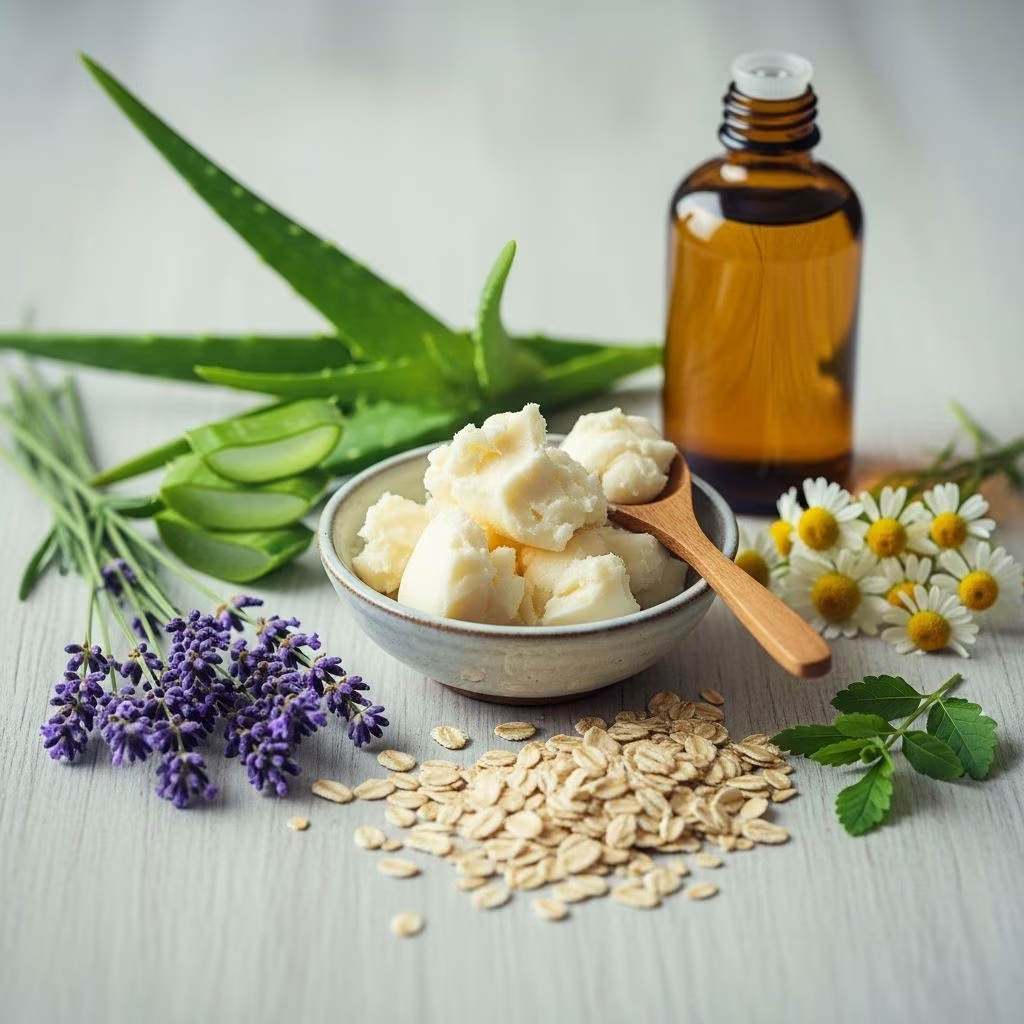
Natural Remedies for Dry Skin and Eczema
Eczema and dry skin are common, chronic skin problems that can cause substantial discomfort, itching, and irritation. Many people seek natural remedies to soothe their symptoms, reduce flare-ups, and maintain healthier skin. This comprehensive guide explores effective natural strategies—including topical treatments, bathing routines, dietary practices, and essential lifestyle tips—backed by expert advice and scientific research.
Understanding Eczema and Dry Skin
Eczema (also known as atopic dermatitis) is an inflammatory skin condition marked by dryness, redness, intense itching, and rash. The skin’s natural barrier is compromised, making it prone to moisture loss and irritation from environmental triggers. Dry skin, while not always caused by eczema, shares many overlapping symptoms and often accompanies the condition.
- Itching and discomfort are central features.
- The condition often leads to restless sleep and impacts daily life.
- Eczema is chronic but can be managed with consistent care and behavioral changes.
Main Causes and Risk Factors
While exact causes vary, certain factors increase the risk and severity of eczema and dry skin:
- Family history of eczema, asthma, or allergies.
- Exposure to harsh soaps, detergents, and irritants.
- Changes in weather, especially low humidity.
- Excessive bathing or showering with hot water.
- Poor skin hydration routines.
- Stress, which can worsen flare-ups.
Benefits of Natural Remedies
Natural remedies support skin healing by:
- Reducing inflammation and soothing irritation.
- Restoring, strengthening, and moisturizing the skin barrier.
- Lowering risk of secondary infections.
- Providing a gentle option for sensitive skin, minimizing exposure to harsh chemicals.
Top Natural Remedies for Eczema and Dry Skin
1. Colloidal Oatmeal Baths
Colloidal oatmeal—finely ground oats—has anti-inflammatory and moisturizing properties that can help calm itchy, irritated skin. It’s found in many bath products but can also be made at home by grinding oats to a fine powder and adding them to bathwater.
- Add about 1 cup of colloidal oatmeal to warm (not hot) bathwater.
- Soak for 10–15 minutes.
- Pat skin dry gently, leaving some moisture on the skin.
- Apply a fragrance-free moisturizer within 3 minutes of bathing to lock in moisture.
Regular oatmeal baths (2–3 times a week) help restore pH balance and provide a protective barrier.
2. Coconut Oil
Virgin coconut oil is rich in beneficial fatty acids, especially lauric acid, offering both antimicrobial and anti-inflammatory effects. It deeply moisturizes and may help reduce staph bacteria on the skin.
- Use a thin layer of virgin, cold-pressed coconut oil on clean, damp skin after bathing.
- Ideal for face, hands, and body; avoid use if allergic to coconut.
- Provides a breathable barrier that locks in hydration, minimizing further moisture loss.
3. Aloe Vera Gel
The clear gel from aloe vera leaves is well-known for its soothing, anti-inflammatory, and antibacterial qualities. It may aid healing and reduce the risk of skin infection, especially when applied to open or cracked skin.
- Choose 100% pure aloe vera gel with no added fragrances or alcohol.
- Apply a thin layer to affected areas; allow to air dry.
- Repeat 1–2 times per day as needed.
4. Honey
Medically, raw or Manuka honey possesses antibacterial and anti-inflammatory effects. Applied topically, it may speed healing and decrease infection risk.
- Apply a thin layer directly to patches of eczema.
- Cover with gauze if needed; rinse gently and moisturize after several hours.
- Perform a patch test first, as honey can sometimes cause sensitivity.
5. Sunflower Seed Oil
Cold-pressed sunflower oil helps with skin barrier repair and hydration while offering gentle anti-inflammatory action. It’s especially beneficial for babies and sensitive individuals.
- Apply to slightly damp skin immediately after bathing.
- Soothes and improves protective barrier function.
6. Evening Primrose Oil
Evening primrose oil contains high levels of gamma-linolenic acid (GLA), a fatty acid with potential anti-inflammatory properties. Some people find relief by using it topically or as a supplement (consult a healthcare provider first).
- Apply a small amount to affected area as a moisturizer.
- Discuss oral supplementation with your doctor.
7. Witch Hazel
Witch hazel is a plant extract used for centuries to calm inflamed skin. Applied topically, its astringent properties may help reduce redness and itching. Use with caution, as it can be drying for some.
- Choose alcohol-free witch hazel.
- Apply sparingly with a cotton pad.
- Moisturize afterward.
8. Bleach Baths
Though not a “natural” remedy in the strictest sense, diluted bleach baths have scientific support as an at-home eczema treatment due to their ability to decrease surface bacteria, inflammation, and infection risk. Bleach must be used cautiously and under the guidance of a healthcare professional.
- Add 1/4 to 1/2 cup of household bleach to a full bathtub (about 40 gallons of water).
- Sit in the bath for about 10 minutes, rinse thoroughly with clean water, then moisturize.
- Take bleach baths no more than two to three times per week.
- Never use undiluted bleach or apply bleach directly to skin.
Other Home Care Strategies
Bathing and Showering
- Use lukewarm, not hot, water.
- Limit baths or showers to 10–15 minutes.
- Pat skin dry with a soft towel rather than rubbing vigorously.
- Moisturize within minutes of bathing to lock in moisture.
Moisturizer and Skin Barrier Support
- Opt for fragrance-free, hypoallergenic, occlusive moisturizers.
- Thicker creams and ointments work better than lotions.
- Apply moisturizer at least twice daily and after every wash.
Clothing and Environment
- Wear loose, breathable fabrics such as cotton.
- Avoid wool and synthetic materials that can irritate skin.
- Keep ambient humidity between 40–60% using a humidifier in dry weather.
- Wash new clothes before wearing to remove potential irritants.
- Use fragrance-free, mild laundry detergents.
Stop the Itch: Practical Tips
- Apply cool compresses for 10–15 minutes to reduce itching.
- Keep nails trimmed to prevent skin damage from scratching.
- Distract young children during active itch episodes to minimize scratching.
- Practice gentle mindfulness or stress-management routines, as stress can exacerbate symptoms.
Diet and Eczema: What You Need to Know
Dietary modifications can have mixed results; however, some people report improvements by eliminating certain triggers or anti-inflammatory foods. Always consult a dietitian or allergist for guidance.
- Identify potential food allergies or sensitivities (like dairy, eggs, nuts).
- Increase intake of anti-inflammatory foods (fruits, leafy greens, omega-3-rich fish, flaxseed).
- Stay hydrated with plenty of water.
- Probiotics from yogurt or supplements may help some individuals strengthen skin defenses.
Managing Flare-Ups: Prevention and Early Action
- Avoid rapid temperature changes and harsh weather exposure.
- Control indoor allergens (dust mites, pet dander).
- Moisturize before and after swimming and exposure to chlorinated water.
- Follow a gentle skincare routine even when symptoms are mild.
When to See a Dermatologist
- If over-the-counter moisturizers and home remedies do not provide relief.
- If skin shows signs of infection: increased redness, warmth, pus, or pain.
- If eczema significantly affects sleep, mood, or quality of life.
- If you have widespread, severe, or rapidly worsening symptoms.
Comparing Natural Remedies for Eczema
| Remedy | Main Benefit | How to Use | Cautions |
|---|---|---|---|
| Colloidal Oatmeal | Soothes, moisturizes, reduces itch | Bath soak or paste 10–15 min, 2–3x/week | Rare allergy to oats possible |
| Coconut Oil | Moisturizes, antimicrobial | Apply thinly to damp skin after bath | Avoid if coconut allergy |
| Aloe Vera Gel | Soothes, wound-healing | Use 100% gel on rash 1–2x/day | Patch test for sensitivities |
| Honey | Heals, antibacterial | Apply thin layer, cover, rinse after hours | Perform patch test; can cause stinging |
| Bleach Bath | Reduces bacteria, controls infection | 1/4–1/2 cup bleach in full tub, soak 10 min | Use only as directed; never undiluted |
Precautions and When NOT to Use Natural Remedies
- Always patch-test new topical products on a small skin area first.
- Do not use natural oils or remedies on skin with active infection unless approved by a doctor.
- Allergic reactions can occur even with natural ingredients.
- Consult a healthcare provider if pregnant, nursing, or treating infants or young children.
- Avoid essential oils unless diluted properly; some can worsen irritation.
Frequently Asked Questions (FAQs)
Q: Can eczema be cured permanently?
A: There is currently no cure for eczema, but it can often be managed successfully with consistent care, avoidance of triggers, and use of natural and medical therapy as needed.
Q: Are natural remedies safe for babies and children?
A: Many natural remedies, like colloidal oatmeal baths and sunflower seed oil, are safe for children. Always consult a pediatrician before starting new treatments, especially for infants.
Q: How often should I apply coconut oil or moisturizer?
A: Apply moisturizer or coconut oil at least twice daily and always after bathing. More frequent application may be helpful during flare-ups or extreme dryness.
Q: Is it okay to take daily bleach baths for eczema?
A: Bleach baths should be limited to 2–3 times per week and only as directed by a healthcare professional. Overuse can dry or irritate skin.
Q: What foods might trigger eczema flare-ups?
A: Common potential triggers include dairy, eggs, soy, nuts, and gluten. Triggers vary per individual—an elimination diet supervised by a professional can help identify yours.
Summary: Building Your Natural Eczema Care Routine
- Use gentle, natural moisturizers and incorporate soothing baths 2–3 times weekly.
- Adjust home environment and daily routines to minimize skin irritation.
- Identify and avoid personal triggers, including allergens and certain foods.
- Consult a healthcare provider for persistent, worsening, or severe symptoms.
By combining these evidence-based natural remedies with expert-recommended lifestyle habits, most people can effectively control dry skin and eczema symptoms for smoother, calmer, and healthier skin.
References
- https://nationaleczema.org/blog/natural-treatments-for-eczema/
- https://www.medicalnewstoday.com/articles/324228
- https://health.clevelandclinic.org/home-remedies-for-eczema
- https://nyulangone.org/conditions/eczema-dermatitis/treatments/at-home-therapies-for-eczema-dermatitis
- https://www.rodeoderm.com/7-natural-remedies-for-eczema-to-try/
- https://pmc.ncbi.nlm.nih.gov/articles/PMC4518179/
- https://www.aad.org/public/diseases/eczema/childhood/itch-relief/home-remedies
- https://www.mayoclinic.org/diseases-conditions/dermatitis-eczema/diagnosis-treatment/drc-20352386
- https://www.webmd.com/skin-problems-and-treatments/eczema/eczema-home-treatment
- https://nationaleczema.org/treatments/bathing/


