


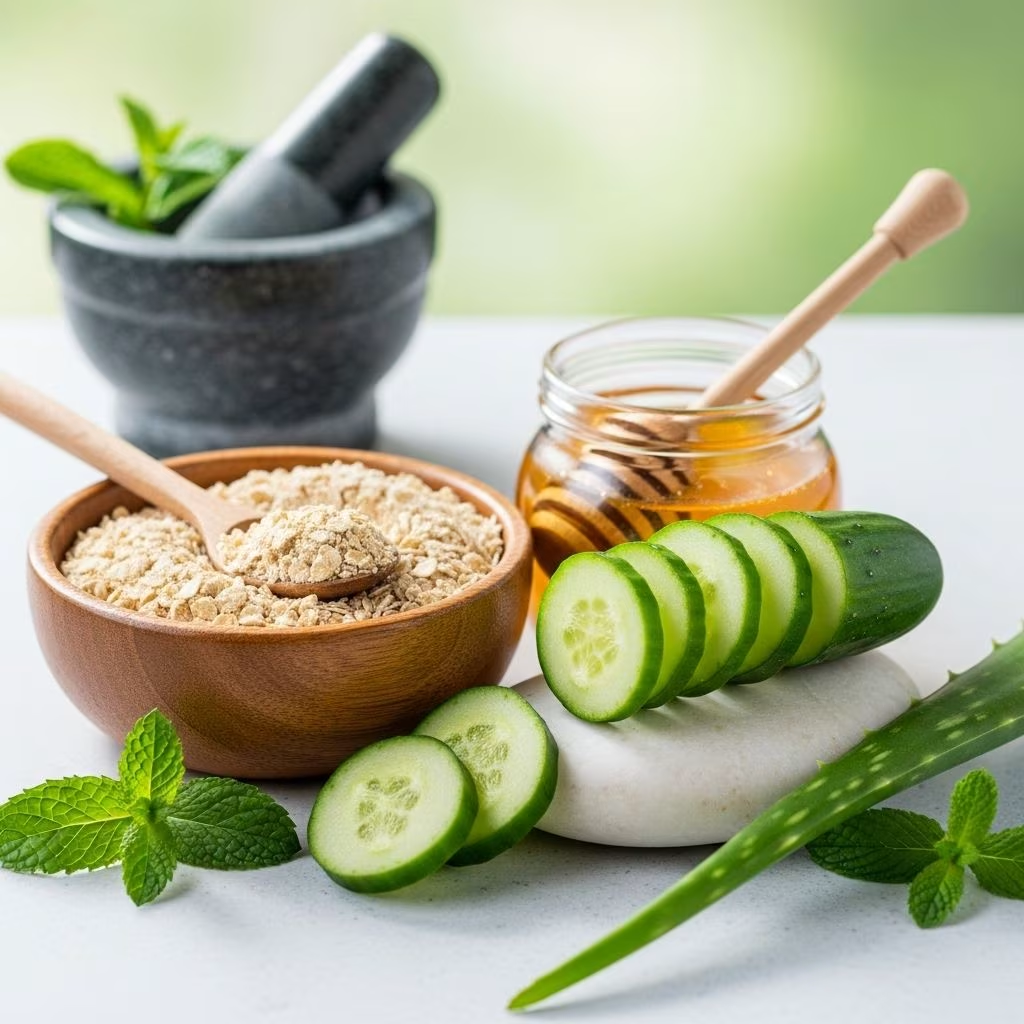
Teenage years bring significant changes to the skin, often presenting challenges that can affect confidence and well-being. Hormonal fluctuations during adolescence create a perfect storm for various skin concerns, from persistent breakouts to excessive oiliness and heightened sensitivity. While the beauty industry offers countless products promising quick fixes, natural remedies provide a gentler, more sustainable approach to managing these common teenage skin issues.
Understanding that teenage skin is fundamentally different from adult skin is crucial for effective treatment. The skin during these formative years is more reactive, resilient yet vulnerable, and requires a thoughtful approach that supports rather than disrupts its natural functions. This comprehensive guide explores evidence-based natural remedies that address the most prevalent skin concerns teenagers face, helping establish healthy habits that benefit skin health for years to come.
Understanding Teenage Skin Changes
The teenage years mark a period of dramatic physiological transformation, and the skin reflects these internal changes in visible ways. During puberty, hormonal surges—particularly androgens like testosterone—stimulate the sebaceous glands to produce excess sebum. This increased oil production serves a biological purpose but often leads to clogged pores, creating an environment where acne-causing bacteria thrive.
Beyond hormonal influences, teenage skin faces numerous environmental stressors. School schedules, sports activities, increased cosmetic use, and even the pressure of social interactions can impact skin health. The skin’s microbiome, the delicate ecosystem of beneficial bacteria living on the skin’s surface, becomes particularly sensitive during these years. Harsh chemical treatments can disrupt this balance, often worsening the very conditions they aim to treat.
Teenage skin characteristics include increased sebum production, larger and more visible pores, heightened sensitivity to products and environmental factors, and faster cell turnover rates compared to adult skin. These unique qualities mean that teenage skin responds particularly well to natural, gentle interventions that work with the skin’s innate healing mechanisms rather than against them.
Common Skin Issues Affecting Teenagers
Acne and Breakouts
Acne remains the most prevalent skin concern for teenagers, affecting up to 85% of adolescents at some point. This condition manifests in various forms, from blackheads and whiteheads to inflammatory papules, pustules, and deeper cystic lesions. The psychological impact of acne extends far beyond physical discomfort, often affecting self-esteem, social interactions, and emotional well-being.
The development of acne involves multiple factors working in concert. Excess sebum production combines with dead skin cells to plug hair follicles. Within these blocked pores, Cutibacterium acnes bacteria multiply rapidly, triggering inflammation. Hormonal fluctuations, stress, dietary factors, and genetic predisposition all contribute to acne severity and persistence.
Excessive Oiliness
Many teenagers struggle with skin that appears perpetually shiny and feels greasy to the touch. This excessive oiliness results from overactive sebaceous glands responding to hormonal signals. While sebum serves the important function of protecting and moisturizing skin, too much creates an uncomfortable appearance and contributes to acne formation. The instinct to combat oiliness with harsh, stripping cleansers often backfires, prompting the skin to produce even more oil to compensate for the perceived dryness.
Skin Sensitivity and Irritation
Teenage skin frequently exhibits heightened reactivity to products, environmental factors, and even stress. This sensitivity manifests as redness, itching, burning sensations, or flaky patches. The skin barrier function during adolescence is still developing, making it more permeable to irritants and allergens. Many teenagers unknowingly compromise their skin barrier by over-cleansing, using too many active ingredients simultaneously, or experimenting with products unsuitable for their skin type.
Dryness and Dehydration
Contrary to popular belief, not all teenage skin is oily. Some teenagers experience persistent dryness, tight sensations, and flaking, particularly those living in harsh climates or using drying acne treatments. Dehydration differs from dryness—dehydrated skin lacks water while dry skin lacks oil. Both conditions can coexist, and both benefit significantly from natural, nourishing remedies that restore balance without overwhelming the skin.
Essential Natural Ingredients for Teen Skin
Tea Tree Oil
Tea tree oil stands as one of nature’s most powerful antibacterial agents, making it exceptionally effective for acne-prone skin. This essential oil derived from Melaleuca alternifolia leaves contains terpinen-4-ol, a compound with demonstrated antimicrobial properties that combat acne-causing bacteria without the harsh side effects of conventional treatments like benzoyl peroxide.
Research shows tea tree oil reduces both inflammatory and non-inflammatory acne lesions when applied topically. Unlike synthetic antibacterials, tea tree oil doesn’t contribute to bacterial resistance, making it a sustainable long-term solution. However, essential oils require proper dilution—never apply tea tree oil directly to skin. A safe concentration ranges from 2-5% diluted in a carrier oil like jojoba or aloe vera gel.
Aloe Vera
Aloe vera gel offers comprehensive benefits for troubled teenage skin. This succulent plant contains over 75 potentially active compounds, including vitamins, minerals, enzymes, and amino acids that work synergistically to heal and soothe. Aloe vera demonstrates anti-inflammatory properties that calm redness and irritation while providing lightweight hydration that doesn’t clog pores.
For teenagers battling acne, aloe vera accelerates wound healing and may help fade post-inflammatory hyperpigmentation—those dark spots that linger after breakouts resolve. The gel’s natural salicylic acid content provides gentle exfoliation, helping prevent pore congestion. Fresh aloe vera gel extracted directly from the plant offers the most potent benefits, though high-quality commercial preparations work well when convenience matters.
Witch Hazel
Witch hazel serves as an excellent natural toner for oily and combination skin types. This plant-derived astringent contains tannins that temporarily tighten pores and reduce excess oil without the harsh alcohol content found in many commercial toners. Witch hazel also provides anti-inflammatory benefits, helping calm irritated skin and reduce redness associated with acne.
When selecting witch hazel products, choose alcohol-free versions to avoid unnecessary drying. The astringent properties come from the plant itself, not added alcohol. Applied after cleansing, witch hazel removes residual impurities, balances pH, and prepares skin to better absorb subsequent treatments.
Honey
Raw, unprocessed honey offers remarkable healing properties for problematic skin. This natural humectant draws moisture into the skin while its antimicrobial compounds, including hydrogen peroxide and methylglyoxal, fight acne-causing bacteria. Manuka honey, in particular, demonstrates exceptional antibacterial potency due to its high methylglyoxal content.
Beyond fighting bacteria, honey provides gentle exfoliation through natural enzymes, soothing inflammation with antioxidants and anti-inflammatory compounds. Honey masks offer an accessible, affordable treatment that addresses multiple skin concerns simultaneously. The sticky texture may feel unusual initially, but the benefits justify the minor inconvenience.
Green Tea
Green tea contains powerful antioxidants called catechins, particularly epigallocatechin gallate (EGCG), which protect skin from environmental damage and reduce inflammation. Studies demonstrate that both topical application and dietary consumption of green tea can significantly improve acne by reducing sebum production and fighting bacterial proliferation.
Green tea’s anti-inflammatory properties help calm redness and irritation while its antioxidants combat free radical damage that contributes to premature aging. Teenagers can incorporate green tea into their skincare routine through cooled tea used as a toner, DIY face masks mixing matcha powder with other ingredients, or commercial products featuring green tea extract.
Apple Cider Vinegar
Apple cider vinegar (ACV) has gained popularity as a natural acne treatment due to its antibacterial and pH-balancing properties. The acetic acid in ACV creates an inhospitable environment for acne-causing bacteria while helping restore the skin’s natural acidic pH, which supports barrier function and discourages bacterial growth.
However, ACV requires cautious use. Its high acidity can cause chemical burns if applied undiluted. Always dilute ACV with water in a 1:3 or 1:4 ratio before applying to skin. Perform a patch test before facial application, and discontinue use if irritation occurs. While ACV works wonderfully for some, it’s not universally tolerated—individual response varies.
Building a Natural Skincare Routine for Teens
Step One: Gentle Cleansing
Proper cleansing forms the foundation of any effective skincare routine. For teenagers, the goal involves removing dirt, sweat, excess oil, and makeup without stripping the skin’s natural protective barrier. Over-cleansing ranks among the most common mistakes teenagers make, often prompted by the misconception that squeaky-clean skin prevents breakouts.
Choose mild, pH-balanced cleansers that clean effectively without harsh sulfates or strong detergents. Natural options include oil-based cleansers that dissolve sebum and makeup through the principle of “like dissolves like,” honey-based cleansers offering antibacterial benefits while maintaining moisture, and cream or milk cleansers ideal for sensitive or dry skin types.
Cleanse once daily, preferably in the evening, to remove the day’s accumulation of impurities. Morning cleansing can involve simply rinsing with lukewarm water unless heavy products were applied overnight. If morning exercise leaves skin sweaty, a light second cleanse proves beneficial, but avoid excessive washing that triggers compensatory oil production.
Step Two: Balancing and Toning
After cleansing, applying a natural toner helps restore pH balance, remove any residual impurities, and prepare skin for subsequent treatments. Natural toning options include diluted apple cider vinegar for oily skin, witch hazel for combination skin, rose water for sensitive skin, and green tea as a universal option suitable for most skin types.
Apply toner using clean hands or a reusable cotton pad, gently pressing into skin rather than rubbing vigorously. This step takes mere seconds but provides significant benefits in maintaining skin health and maximizing the effectiveness of treatments that follow.
Step Three: Targeted Treatment
The treatment step addresses specific concerns like active breakouts, redness, or hyperpigmentation. This targeted approach prevents overwhelming skin with unnecessary products while effectively managing problem areas. Natural treatment options include diluted tea tree oil applied to individual blemishes, aloe vera gel for inflamed areas, honey masks for overall antibacterial benefits, and niacinamide serums derived from vitamin B3 to regulate oil production.
Apply treatments sparingly—more doesn’t mean better. A small amount applied consistently yields superior results compared to excessive application that irritates skin. Many teenagers benefit from spot treatments rather than applying active ingredients across the entire face, reducing the risk of dryness or irritation in unaffected areas.
Step Four: Moisturizing
Every skin type, including oily and acne-prone skin, requires appropriate moisturization. Skipping this step often worsens oiliness as the skin compensates for perceived dehydration by producing more sebum. The key involves selecting the right moisturizer texture and ingredients for individual skin needs.
Natural moisturizer options include lightweight gel formulations with aloe vera or hyaluronic acid for oily skin, jojoba oil that mimics skin’s natural sebum for combination skin, shea butter or coconut oil for dry skin, and calendula-infused products for sensitive skin. Apply moisturizer to slightly damp skin to seal in hydration, using gentle upward motions that don’t pull or stretch delicate facial skin.
Step Five: Sun Protection
Sun protection represents a non-negotiable component of any skincare routine, regardless of age or skin type. UV exposure not only increases long-term cancer risk but also worsens acne, triggers inflammation, and causes premature aging. Many acne treatments increase photosensitivity, making sun protection even more critical for teenagers treating breakouts.
Natural mineral sunscreens containing zinc oxide or titanium dioxide offer broad-spectrum protection without the potential hormone-disrupting effects of chemical filters. These physical blockers sit on the skin’s surface, reflecting UV rays rather than absorbing them. While earlier formulations left white casts, modern mineral sunscreens blend more seamlessly, making them increasingly user-friendly for daily wear.
Natural Remedies for Specific Skin Concerns
Treating Active Acne
When breakouts occur, several natural remedies can accelerate healing and reduce inflammation. Create a spot treatment by mixing one drop of tea tree oil with a teaspoon of carrier oil, applying directly to blemishes. Alternatively, dab raw honey on affected areas and leave for 10-15 minutes before rinsing. Ice wrapped in clean cloth applied to inflamed pimples for a few minutes reduces swelling and redness through vasoconstriction.
For more widespread breakouts, weekly clay masks with bentonite or kaolin clay draw out impurities and absorb excess oil. Mix clay powder with water, apple cider vinegar, or rose water to form a paste, apply to clean skin, and rinse after 10 minutes or when dry. Follow with moisturizer to prevent excessive dryness.
Managing Oily Skin
Controlling excess oil requires a balanced approach that regulates sebum production without triggering rebound oiliness. Start with proper cleansing using gentle, non-stripping formulas. Follow with witch hazel toner to temporarily tighten pores and control shine. Incorporate clay masks once or twice weekly to absorb excess oil.
Jojoba oil, despite being an oil itself, helps regulate sebum production because its composition closely resembles human sebum. The skin recognizes jojoba oil and reduces its own oil production accordingly. Apply a few drops to damp skin after cleansing, allowing it to absorb fully before applying other products.
Soothing Sensitive Skin
Sensitive skin requires an especially minimalist approach, avoiding potential irritants and focusing on soothing, strengthening ingredients. Colloidal oatmeal baths or facial masks calm inflammation and reinforce the skin barrier. Aloe vera gel provides instant relief for redness and irritation. Chamomile tea, cooled and used as a facial compress or toner, delivers anti-inflammatory benefits.
For sensitive skin, introduce new products one at a time, waiting at least a week between additions to identify any problematic ingredients. Avoid essential oils, which frequently trigger reactions in sensitive individuals, and opt for fragrance-free formulations whenever possible.
Addressing Hyperpigmentation
Dark spots remaining after acne heals, known as post-inflammatory hyperpigmentation, concern many teenagers. Natural remedies can gradually fade these marks. Vitamin C from sources like rosehip oil or DIY lemon juice treatments (heavily diluted and used cautiously) provides gentle brightening effects. Licorice root extract inhibits melanin production, helping prevent new dark spots from forming.
Patience proves essential when treating hyperpigmentation naturally. Unlike harsh chemical peels, natural remedies work gradually, requiring consistent application over weeks or months. However, this gentler approach minimizes the risk of irritation or further damage to the skin barrier.
Dietary Considerations
The relationship between diet and acne, long debated, now has substantial scientific support. While food doesn’t directly cause acne, certain dietary patterns can exacerbate existing conditions. High-glycemic foods that spike blood sugar may worsen acne by increasing insulin levels, which stimulate oil production and inflammation. Dairy products, particularly skim milk, show associations with increased acne severity in some studies, possibly due to hormones and bioactive molecules naturally present in milk.
Supporting clear skin through diet involves emphasizing whole foods rich in antioxidants, omega-3 fatty acids found in fish and flaxseeds, zinc from pumpkin seeds and legumes, vitamin A from orange and leafy green vegetables, and probiotics from fermented foods that support gut health. Adequate hydration helps flush toxins and maintains skin moisture from within. While individual responses vary, many teenagers notice skin improvements when they reduce processed foods, sugar, and dairy while increasing nutrient-dense whole foods.
Stress Management
Stress significantly impacts skin health through multiple pathways. When stressed, the body releases cortisol and other hormones that increase oil production and inflammation, making breakouts more likely. Stress also impairs skin barrier function, reduces healing capacity, and can trigger behaviors like touching or picking at skin.
Incorporating stress-reduction techniques proves beneficial for both mental health and skin clarity. Regular exercise reduces stress hormones while increasing circulation that nourishes skin cells. Adequate sleep allows skin to repair and regenerate. Mindfulness practices like meditation or deep breathing activate the relaxation response that counteracts stress. Creative outlets, social connections, and time in nature all contribute to stress reduction and, by extension, healthier skin.
Sleep and Skin Regeneration
Quality sleep represents one of the most underrated factors in skin health. During deep sleep, the body increases growth hormone production, facilitating cell repair and regeneration. Blood flow to the skin increases, allowing nutrients to nourish cells while waste products are removed. Collagen production peaks during sleep, maintaining skin structure and preventing premature aging.
Teenagers require 8-10 hours of sleep nightly for optimal health, yet many fall short of this target. Poor sleep elevates stress hormones that trigger inflammation and breakouts. It also disrupts the skin barrier, making skin more vulnerable to environmental damage and irritation. Prioritizing consistent sleep schedules, creating a relaxing bedtime routine, and minimizing screen time before bed all support better sleep and, consequently, clearer skin.
Hygiene Practices
Beyond facial skincare, general hygiene practices significantly impact skin health. Change pillowcases at least weekly to prevent reintroducing oil, bacteria, and product residue to facial skin during sleep. Clean makeup brushes and sponges regularly, as these tools harbor bacteria that transfer directly to pores. Avoid touching the face throughout the day, a habit that introduces bacteria and irritants from hands.
After exercise or activities causing sweating, shower promptly to prevent sweat and bacteria from clogging pores. Keep hair clean, especially if oily, as hair products and sebum transfer to facial skin. Regularly clean items that contact the face, including phones, helmets, and sports equipment. These simple hygiene measures complement topical treatments, creating an environment that supports rather than undermines skin health.
What to Avoid in Teen Skincare
Harsh Chemical Ingredients
Many conventional acne products contain aggressive ingredients that damage the skin barrier while treating breakouts. Excessive benzoyl peroxide concentrations, especially above 2.5%, often cause unnecessary dryness and irritation without providing additional benefits. Alcohol-based toners strip natural oils, triggering rebound oil production. Synthetic fragrances and dyes serve no functional purpose while frequently causing allergic reactions and irritation.
Microbeads, though less common now due to environmental concerns, provided harsh physical exfoliation that damaged skin. Similarly, aggressive scrubs with rough particles create micro-tears that compromise the skin barrier. Teenagers should scrutinize ingredient lists, avoiding products loaded with sulfates, parabens, phthalates, and other potentially harmful synthetic compounds.
Over-Exfoliation
In the pursuit of smooth, clear skin, many teenagers over-exfoliate, using physical scrubs or chemical exfoliants too frequently. While gentle exfoliation removes dead skin cells and prevents pore congestion, excessive exfoliation strips the protective stratum corneum, leaving skin vulnerable, irritated, and paradoxically more prone to breakouts.
Signs of over-exfoliation include persistent redness, increased sensitivity, burning sensations, excessive dryness or oiliness, and worsening breakouts. Natural exfoliation should occur no more than 2-3 times weekly, using gentle methods like soft washcloths, konjac sponges, or mild enzymatic exfoliants from ingredients like papaya or pumpkin.
Too Many Products
The skincare industry promotes extensive multi-step routines featuring numerous products, but teenage skin typically responds better to simplicity. Using too many active ingredients simultaneously overwhelms the skin, making it difficult to identify which products help or harm. Layering multiple treatments increases the risk of interactions that irritate or damage skin.
A basic routine of cleanse, treat (if needed), moisturize, and protect suffices for most teenagers. Adding products should happen gradually, one at a time, with several weeks between additions to assess effectiveness and tolerance. Quality matters more than quantity in skincare—a few well-chosen natural products outperform a cabinet full of unnecessary items.
When to Seek Professional Help
While natural remedies effectively manage many teenage skin concerns, certain situations warrant professional dermatological care. Persistent acne that doesn’t improve with over-the-counter treatments after 6-8 weeks may require prescription medications. Severe, painful cystic acne risks permanent scarring without proper medical intervention. Sudden skin changes, spreading rashes, or symptoms suggesting infection demand professional evaluation.
Signs that professional help is needed include deep, painful cysts or nodules, extensive acne covering large areas, signs of infection like increasing warmth, pus, or fever, scarring from previous breakouts, and significant emotional distress related to skin conditions. Dermatologists can provide stronger treatments, including topical retinoids, oral antibiotics, or hormonal therapies when appropriate. They can also rule out underlying conditions like PCOS or other hormonal imbalances manifesting as skin problems.
Professional guidance doesn’t contradict natural approaches—many dermatologists support integrating gentle, natural remedies with medical treatments when appropriate. The goal remains healthy skin through the safest, most effective means available, whether natural, medical, or a thoughtful combination of both.
Frequently Asked Questions
Q: How long do natural remedies take to show results for teenage acne?
A: Natural remedies typically require 4-8 weeks of consistent use before visible improvements occur. This timeline reflects the skin’s natural cell turnover cycle. Some anti-inflammatory ingredients like aloe vera may provide immediate soothing effects, but addressing underlying acne causes requires patience. Consistency matters more than intensity with natural approaches.
Q: Can natural remedies completely replace conventional acne treatments?
A: For mild to moderate acne, natural remedies often provide effective management. However, severe acne, especially deep cystic lesions, may require prescription medications to prevent scarring. Natural and conventional approaches aren’t mutually exclusive—many teenagers successfully combine gentle natural skincare with targeted medical treatments as recommended by dermatologists.
Q: Is it safe to use essential oils directly on teenage skin?
A: Essential oils should never be applied undiluted to skin, regardless of age. These concentrated plant extracts can cause chemical burns, severe irritation, and sensitization when used at full strength. Always dilute essential oils in appropriate carrier oils or other bases, following recommended dilution ratios of 2-5% for facial application.
Q: Why does my skin get worse when I start a natural skincare routine?
A: Initial breakouts when starting new skincare products, called purging, occur when increased cell turnover brings underlying congestion to the surface faster. This temporary worsening typically resolves within 2-4 weeks. However, persistent or worsening breakouts beyond this period suggest irritation or product incompatibility rather than purging, requiring routine adjustment.
Q: Do teenagers with oily skin need moisturizer?
A: Yes, all skin types require appropriate moisturization. Oily skin often results from dehydration—when skin lacks water, it compensates by producing excess oil. Lightweight, non-comedogenic moisturizers provide necessary hydration without clogging pores. Gel-based or water-based formulations work well for oily skin, while heavier creams suit drier complexions.
Q: Can diet really affect teenage skin conditions?
A: Research increasingly supports diet’s influence on acne and skin health. High-glycemic foods and dairy products show associations with increased acne severity in susceptible individuals. However, dietary impacts vary greatly between individuals. While no single food causes acne, overall dietary patterns emphasizing whole foods, antioxidants, and healthy fats support clearer skin for many teenagers.
Q: How can teenagers prevent acne scars naturally?
A: Preventing scars begins with avoiding picking or squeezing pimples, which damages skin tissue. Treating acne early reduces inflammation that leads to scarring. Natural ingredients like aloe vera, rosehip oil, and vitamin C promote healing and may help fade existing marks. Consistent sun protection prevents darkening of healing spots. Severe acne requires professional treatment to minimize scarring risk.
Q: Are natural skincare products always better for teenage skin?
A: Natural doesn’t automatically mean better or safer. Some natural ingredients cause allergic reactions or irritation in sensitive individuals. Conversely, some synthetic ingredients are gentler than natural alternatives. The key involves choosing appropriate, well-formulated products—whether natural or conventional—that suit individual skin types and concerns. Quality and suitability matter more than origin.
References
- https://esthetiques-saratoga.com/how-to-build-a-natural-skincare-routine-for-teenagers/
- https://www.mayoclinichealthsystem.org/hometown-health/speaking-of-health/tips-for-managing-teen-acne
- https://blommabeauty.com/blogs/natural-beauty-wellbeing-blog/how-to-build-a-natural-skincare-routine-for-teenagers
- https://kidshealth.org/en/teens/skin-tips.html
- https://www.healthychildren.org/English/health-issues/conditions/skin/Pages/What-Causes-Acne.aspx
- https://dermatlanta.com/blog/top-skin-problems-for-teenagers-and-how-to-treat-them/
- https://www.webmd.com/skin-problems-and-treatments/acne/features/top-teen-skin-problems-how-to-solve-them
- https://nationaleczema.org/blog/natural-treatments-for-eczema/


