


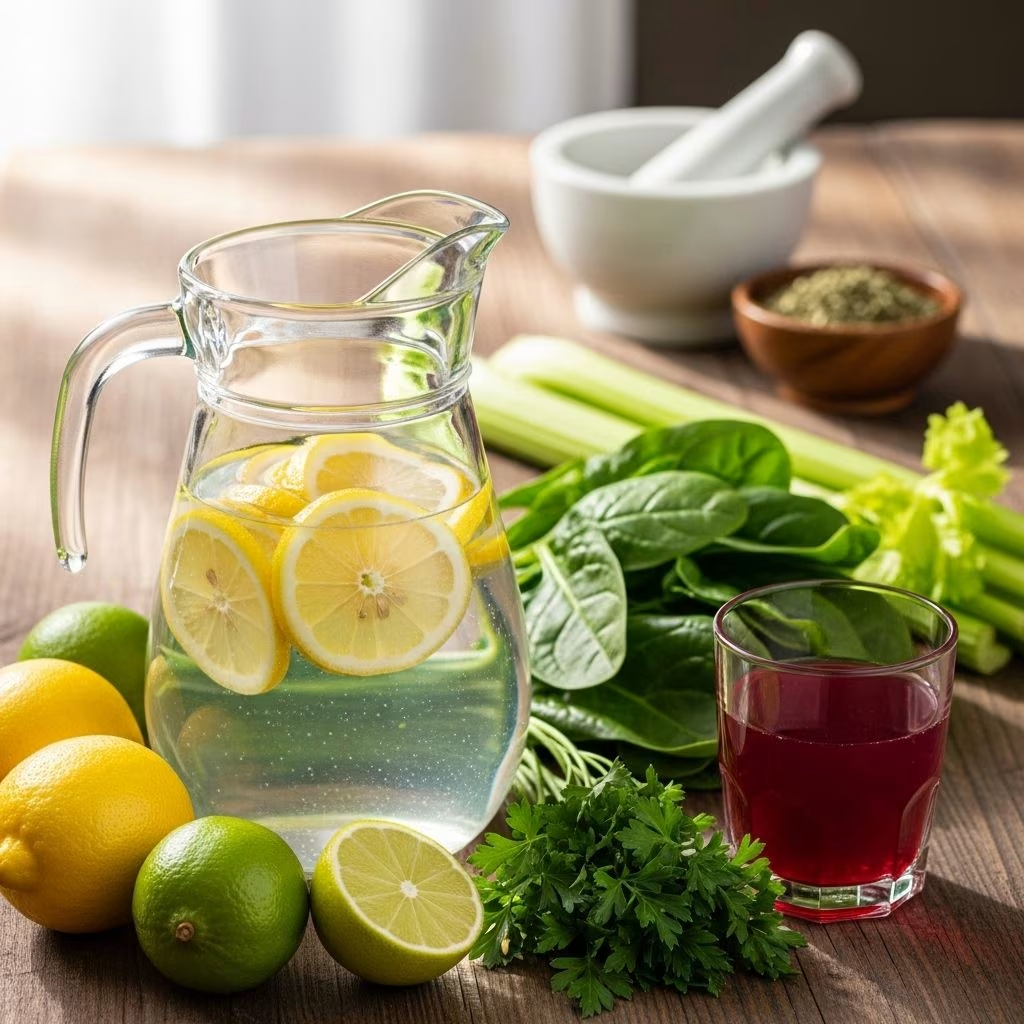
Kidney stones represent one of the most painful and common urinary tract conditions affecting millions of people worldwide. These hard mineral deposits form inside the kidneys when substances like calcium, oxalate, and uric acid concentrate in urine and crystallize. While medical intervention is sometimes necessary for large stones, numerous natural remedies can help prevent stone formation, facilitate passage of smaller stones, and support overall kidney health. Understanding these natural approaches empowers individuals to take proactive steps in managing this challenging condition.
Understanding Kidney Stones and Their Formation
Kidney stones develop through a complex process called urolithiasis, where minerals and salts crystallize within the urinary tract. The formation typically begins when urine becomes concentrated, allowing minerals to stick together and form crystals. Over time, these crystals can grow into larger stones ranging from tiny grains to golf ball-sized masses. Several factors contribute to stone formation, including inadequate hydration, dietary choices, genetic predisposition, and certain medical conditions. The most common types include calcium oxalate stones, uric acid stones, struvite stones, and cystine stones, each requiring slightly different preventive approaches.
The pain associated with kidney stones occurs when these formations move through the narrow ureter connecting the kidney to the bladder. This excruciating discomfort, often described as worse than childbirth, motivates many sufferers to seek both immediate relief and long-term prevention strategies. Natural remedies offer a complementary approach to conventional medical treatment, focusing on prevention, symptom management, and supporting the body’s natural healing processes.
Water: The Foundation of Kidney Stone Prevention
Adequate hydration stands as the single most important natural remedy for preventing and managing kidney stones. Drinking sufficient water dilutes the concentration of stone-forming minerals and salts in urine, reducing the likelihood of crystallization. When urine becomes too concentrated due to dehydration, minerals have greater opportunity to bind together and form stones. Medical professionals typically recommend consuming enough fluids to produce at least two liters of urine daily, which usually translates to drinking eight to twelve glasses of water throughout the day.
The color of your urine serves as an excellent indicator of hydration status. Pale yellow or clear urine suggests adequate hydration, while dark yellow or amber coloring indicates the need for more fluids. People who have previously experienced kidney stones should be particularly vigilant about maintaining consistent hydration throughout the day, not just when thirsty. Climate, activity level, and individual physiology all influence fluid needs, so recommendations should be adjusted accordingly. Beyond prevention, increased water intake can help flush out smaller stones and reduce discomfort during passage.
Lemon Juice and Citric Acid Benefits
Lemon juice emerges as one of the most researched and recommended natural remedies for kidney stones. Lemons contain high levels of citrate, a natural chemical that prevents calcium stones from forming and may help break down small existing stones. Citrate binds with calcium in urine, preventing it from combining with oxalates to form stones. Additionally, citrate coats existing stones, preventing further mineral deposits from attaching and allowing stones to pass more easily through the urinary tract.
You can easily incorporate lemon juice into your daily routine by adding freshly squeezed lemon to water throughout the day. While the exact amount needed for therapeutic effect varies, regularly consuming lemon water provides beneficial citrate along with vitamin C and other nutrients. A 2020 study found that potassium citrate supplements helped reduce risk factors associated with kidney stones in people who had previously experienced them, though these were pharmacological rather than dietary levels. Other citrus fruits like oranges and limes also contain citrate, though lemons typically provide the highest concentration. Lemonade can serve as an alternative, though commercial versions often contain excessive sugar, so homemade preparations are preferable.
Herbal Remedies and Plant-Based Solutions
Basil Juice for Kidney Support
Basil has been used traditionally for various digestive and inflammatory disorders, and emerging research suggests potential benefits for kidney stone management. This aromatic herb contains powerful antioxidants and anti-inflammatory compounds that may support kidney function. A 2020 study in rats determined that basil may help maintain kidney health, though more human research is needed to confirm these effects. Basil contains acetic acid, which may help dissolve stones and reduce pain associated with kidney stones.
To use basil as a natural remedy, you can prepare fresh or dried basil leaves as tea and drink several cups daily. Alternatively, juice fresh basil leaves using a juicer or blend them into smoothies for easier consumption. The long-term safety of consuming large quantities of basil juice remains unclear without additional research, so moderation is advisable. As with any herbal remedy, consult with a healthcare provider before using basil therapeutically, especially if you take medications or have underlying health conditions.
Dandelion Root Extract
Dandelion, often dismissed as a common weed, actually offers impressive medicinal properties for kidney health. Various parts of the dandelion plant may help eliminate waste, increase urine output, and improve digestion, all of which can contribute to kidney stone prevention. Laboratory studies have shown that dandelion is effective in preventing kidney stones, though researchers cannot yet confirm whether these findings translate to human consumption. The diuretic properties of dandelion help flush the urinary system, potentially preventing stone formation and aiding in the passage of small stones.
You can prepare dandelion juice from fresh leaves or purchase dried roots as tea or concentrated extract from health food stores. While small amounts are likely safe for most people, the effects of consuming large quantities remain unknown. Some individuals may experience allergic reactions, particularly those with sensitivities to ragweed, marigolds, chrysanthemums, or daisies. High doses may be problematic for people with heart conditions, blood pressure issues, liver or kidney disease, or diabetes. Dandelion typically should not be combined with diuretic medications, as this may lead to excessive fluid loss.
Hibiscus Sabdariffa (Roselle)
Traditional Thai medicine has long employed Hibiscus sabdariffa for preventing and treating urinary stones. This vibrant flowering plant contains beneficial polyphenols, hibiscus anthocyanins, L-ascorbic acid, quercetin, and protocatechuic acid. Studies using aqueous plant extracts demonstrated antiurolithiatic activity through decreased deposition of stone-forming constituents in kidneys and serum of rats with induced urolithiasis. The extract also showed antilithic effects by decreasing oxalate retention time in kidneys and promoting excretion through urine.
A clinical trial testing tea made from 1.5 grams of dry Hibiscus sabdariffa twice daily for 15 days in 18 patients revealed a uricosuric effect with significant increases in uric acid excretion and clearance. To prepare hibiscus tea, steep dried flowers in hot water for several minutes and consume one to two cups daily. The tart, cranberry-like flavor can be enhanced with a touch of honey. While generally safe, individuals taking certain medications should consult healthcare providers before regular consumption, as hibiscus may interact with some drugs.
Nigella Sativa (Black Cumin)
Iranian traditional medicine has utilized Nigella sativa seeds for treating urinary stones for centuries. Modern research supports this traditional use, with studies showing that ethanolic extract of seeds reduced the number of calcium oxalate deposits in rats with induced kidney stones and decreased urine concentration of calcium oxalate. Thymoquinone, the major active component in these seeds, demonstrated both preventive and therapeutic effects on kidney calculi by decreasing the size and number of calcium oxalate deposits in renal tubules.
Black cumin seeds can be consumed whole, ground into powder, or taken as oil supplements. The seeds possess a slightly bitter, peppery flavor and can be added to various dishes or brewed as tea. As with other herbal remedies, appropriate dosing and potential interactions with medications should be discussed with healthcare providers before beginning supplementation.
Apple Cider Vinegar for Stone Management
Apple cider vinegar has gained popularity as a natural remedy for numerous health conditions, including kidney stones. The acetic acid in apple cider vinegar may help dissolve kidney stones and prevent new ones from forming. Some proponents believe it can alkalize blood and urine, though scientific evidence supporting these claims remains limited. Despite the lack of robust clinical trials, many individuals report symptomatic relief when using apple cider vinegar as part of their kidney stone management strategy.
To use apple cider vinegar for kidney stones, mix two tablespoons of raw, organic apple cider vinegar with eight ounces of water. Consume this mixture two to three times daily, preferably before meals. The vinegar should always be diluted, as undiluted consumption can damage tooth enamel and irritate the throat. Adding a small amount of honey can improve palatability. Continue this regimen until symptoms improve or stones pass. Individuals with diabetes should monitor blood sugar levels closely when consuming apple cider vinegar, as it may affect glucose metabolism.
Pomegranate Juice and Antioxidant Support
Pomegranate juice contains powerful antioxidants that support overall kidney health and may influence kidney stone formation. The rich concentration of polyphenols and other beneficial compounds helps protect kidney tissue from oxidative stress and inflammation. However, it is important to note that the National Kidney Foundation indicates pomegranate juice does not directly affect kidney stone prevention, despite its general kidney health benefits.
If you choose to incorporate pomegranate juice into your diet, one to two servings daily appears safe for most people. Pure pomegranate juice without added sugars provides the most benefits. The American Stroke Association warns that pomegranate juice may interact with cholesterol-lowering medications and other drugs, so consultation with a healthcare provider is essential before regular consumption. While pomegranate juice may not specifically prevent stones, its antioxidant properties support overall urinary tract health and may complement other preventive measures.
Celery Juice and Kidney Bean Broth
Celery juice acts as a natural diuretic, helping flush toxins and stone-forming substances from the kidneys. The increased urine production promoted by celery consumption may aid in passing small stones and preventing new formations. Celery contains beneficial nutrients and compounds that support kidney function, though scientific research specifically examining celery for kidney stones remains limited. Fresh celery juice can be prepared using a juicer or blender and consumed daily as part of a comprehensive prevention strategy.
Kidney bean broth represents a traditional remedy consumed in India for improving urinary and kidney health. The liquid strained from cooked kidney beans is believed to help dissolve and flush out stones, though rigorous scientific evidence supporting this practice is scarce. Depending on the type of kidney stone, healthcare providers may recommend increasing plant-based protein sources like beans while reducing animal protein intake. To prepare kidney bean broth, cook beans until tender, strain the liquid, and consume several times throughout the day. While anecdotal reports suggest benefits, more research is needed to establish effectiveness.
Additional Beneficial Plants and Compounds
Green Tea and Catechins
Green tea (Camellia sinensis) provides powerful antioxidant compounds including catechin, epicatechin, and epigallocatechin-3-gallate that may help prevent kidney stone formation. These phytochemicals demonstrate inhibitory effects on crystallization, nucleation, and aggregation of crystals in the urinary tract. Regular green tea consumption supports overall kidney health through its anti-inflammatory and antioxidant properties. Moderate consumption of two to three cups daily appears safe for most individuals and may contribute to kidney stone prevention when combined with adequate hydration.
Parsley and Nettle
Parsley (Petroselinum crispum) and stinging nettle (Urtica dioica) both possess diuretic properties that increase urine flow and help flush the kidneys. These herbs have received attention in scientific literature for their potential role in preventing urolithiasis. Parsley contains compounds that may inhibit stone formation, while nettle helps maintain urine flow and may reduce crystallization. Both can be consumed as fresh herbs in food, brewed as teas, or taken as supplements. As with other herbal remedies, appropriate dosing and potential medication interactions should be discussed with healthcare providers.
Ammi Visnaga (Khella)
Traditionally used in Egypt for renal stones, teas prepared from Ammi visnaga fruits have shown promise in stone management. Aqueous extract of the fruit accelerated dissolution of cystine stones in studies, while the fruit and its major constituents, khellin and visnagin, demonstrated beneficial effects in managing hyperoxaluria-induced kidney stone disease in rats. These compounds reduced calcium oxalate crystal deposition and increased urinary citrate excretion while decreasing oxalate excretion. While traditionally used, this remedy requires more human studies to establish safety and efficacy.
Dietary Modifications for Prevention
Calcium-Rich Plant Foods
Contrary to common misconceptions, adequate dietary calcium actually helps prevent kidney stones rather than causing them. Calcium binds with oxalates in the digestive tract, preventing oxalate absorption and subsequent stone formation in the kidneys. Consuming calcium-rich plant foods like leafy greens, fortified plant milks, tofu, and sesame seeds provides necessary calcium without excessive animal protein. Aim for two to three servings of calcium-rich foods daily, preferably consumed with meals to maximize oxalate binding in the digestive system.
Sodium Reduction
Excessive sodium intake increases calcium excretion in urine, raising the risk of calcium-based kidney stones. Reducing dietary sodium to less than 2,300 milligrams daily helps minimize this risk. Processed foods, restaurant meals, and added table salt contribute most dietary sodium, so focusing on fresh, whole foods prepared at home significantly reduces intake. Reading nutrition labels, choosing low-sodium alternatives, and using herbs and spices instead of salt for flavoring helps achieve sodium reduction goals.
Oxalate Management
For individuals prone to calcium oxalate stones, moderating high-oxalate food intake may prove beneficial. Foods particularly high in oxalates include spinach, rhubarb, beets, swiss chard, chocolate, nuts, and tea. Rather than eliminating these nutritious foods entirely, consume them in moderation and pair them with calcium-rich foods to reduce oxalate absorption. Cooking high-oxalate vegetables can reduce oxalate content, making them safer for consumption by stone-prone individuals.
Protein Considerations
Excessive animal protein consumption increases uric acid, calcium, and oxalate levels in urine while decreasing citrate levels, creating conditions favorable for stone formation. Balancing animal protein with plant-based alternatives helps maintain healthier urine chemistry. Legumes, nuts, seeds, and whole grains provide excellent protein while offering additional benefits for kidney health. Those with recurrent stones may benefit from limiting animal protein to appropriate portions and emphasizing plant proteins.
Vitamin and Supplement Considerations
While certain supplements support kidney health, others may increase stone risk. Vitamin C supplements in high doses can convert to oxalate in the body, potentially increasing stone formation risk. Limiting supplemental vitamin C to 500 milligrams daily or less helps avoid this issue, while dietary vitamin C from fruits and vegetables does not appear problematic. Vitamin B6 supplementation may help reduce oxalate production, potentially benefiting those with calcium oxalate stones. Magnesium supplements may also help prevent stones by inhibiting crystal formation, though individual needs vary.
Avoid excessive vitamin D supplementation without medical supervision, as high levels can increase calcium absorption and urinary calcium excretion. Similarly, calcium supplements should be taken with meals rather than alone to maximize oxalate binding in the digestive tract. Always consult healthcare providers before starting new supplements, especially when managing kidney stones or kidney disease.
Lifestyle Factors and Physical Activity
Regular physical activity contributes to kidney stone prevention through multiple mechanisms. Exercise helps maintain healthy body weight, improves circulation, and may influence urinary chemistry in beneficial ways. Studies suggest that people who engage in regular moderate exercise experience lower rates of kidney stone formation compared to sedentary individuals. Activities like walking, swimming, cycling, and strength training all contribute to overall health and may reduce stone risk.
Maintaining a healthy body weight through balanced diet and regular exercise particularly benefits stone prevention. Obesity and metabolic syndrome increase kidney stone risk, so weight management strategies that include both dietary modifications and physical activity provide comprehensive benefits. However, excessive exercise in hot conditions without adequate hydration can concentrate urine and increase stone risk, so proper fluid replacement during and after exercise is essential.
When to Seek Medical Attention
While natural remedies offer valuable support for kidney stone prevention and management, certain situations require immediate medical attention. Severe pain that prevents comfortable positioning, pain accompanied by nausea and vomiting, blood in urine, difficulty urinating, fever and chills, or cloudy or foul-smelling urine all warrant prompt medical evaluation. Large stones that cannot pass naturally may require medical procedures like lithotripsy, ureteroscopy, or surgical removal.
Regular medical monitoring is essential for individuals with recurrent kidney stones. Healthcare providers can analyze stone composition, evaluate urine chemistry, and recommend personalized prevention strategies based on individual risk factors. Blood tests, 24-hour urine collections, and imaging studies help identify underlying causes and guide treatment approaches. Natural remedies work best as complementary strategies alongside appropriate medical care rather than replacements for professional evaluation and treatment.
Frequently Asked Questions (FAQs)
Q: How much water should I drink daily to prevent kidney stones?
A: Aim to drink enough fluids to produce at least two liters of urine daily, typically requiring eight to twelve glasses of water. Your urine should be pale yellow or clear, indicating adequate hydration.
Q: Can lemon juice really dissolve existing kidney stones?
A: Lemon juice contains citrate, which may help break down small stones and prevent new formations. However, a significant amount would be needed for therapeutic effect, and it works best for prevention rather than dissolving large existing stones.
Q: Are natural remedies safe to use alongside medical treatments?
A: Many natural remedies can complement medical treatments, but always consult your healthcare provider before combining approaches, as some herbs and supplements may interact with medications or affect treatment outcomes.
Q: Should I avoid all calcium if I have calcium oxalate stones?
A: No, dietary calcium actually helps prevent calcium oxalate stones by binding with oxalates in the digestive tract. Maintain adequate calcium intake through food sources, consuming two to three servings of calcium-rich foods daily.
Q: How long does it typically take for natural remedies to work?
A: Prevention strategies require consistent long-term implementation, often showing benefits over weeks to months. For facilitating passage of small existing stones, effects may be noticed within days to weeks depending on stone size and location.
Q: Can dietary changes alone prevent all kidney stones?
A: While dietary modifications significantly reduce stone risk, some individuals have genetic or metabolic factors that increase susceptibility regardless of diet. Comprehensive prevention typically requires combining dietary changes, adequate hydration, and sometimes medication under medical supervision.
Q: Is apple cider vinegar effective for all types of kidney stones?
A: Scientific evidence for apple cider vinegar’s effectiveness remains limited, and its benefits may vary by stone type. It should be used as a complementary approach rather than primary treatment, and always diluted to prevent damage to tooth enamel and digestive irritation.
Q: Which herbal remedy is most effective for kidney stones?
A: No single herbal remedy proves universally most effective, as individual responses vary. Lemon juice has the strongest scientific support, while herbs like dandelion, basil, and hibiscus show promise but require more human research to confirm effectiveness and optimal dosing.
References
- https://www.healthline.com/health/kidney-health/home-remedies-for-kidney-stones
- https://pmc.ncbi.nlm.nih.gov/articles/PMC5877626/
- https://www.health.harvard.edu/blog/5-things-can-help-take-pass-kidney-stones-2018030813363
- https://www.brownhealth.org/be-well/5-foods-help-prevent-kidney-stones
- https://www.summitmedicalclinic.com/tips-for-passing-kidney-stones/
- https://www.mountsinai.org/health-library/selfcare-instructions/kidney-stones-self-care
- https://www.kidney.org/kidney-topics/six-easy-ways-to-prevent-kidney-stones
- https://www.healthline.com/nutrition/kidney-stone-remedies


