


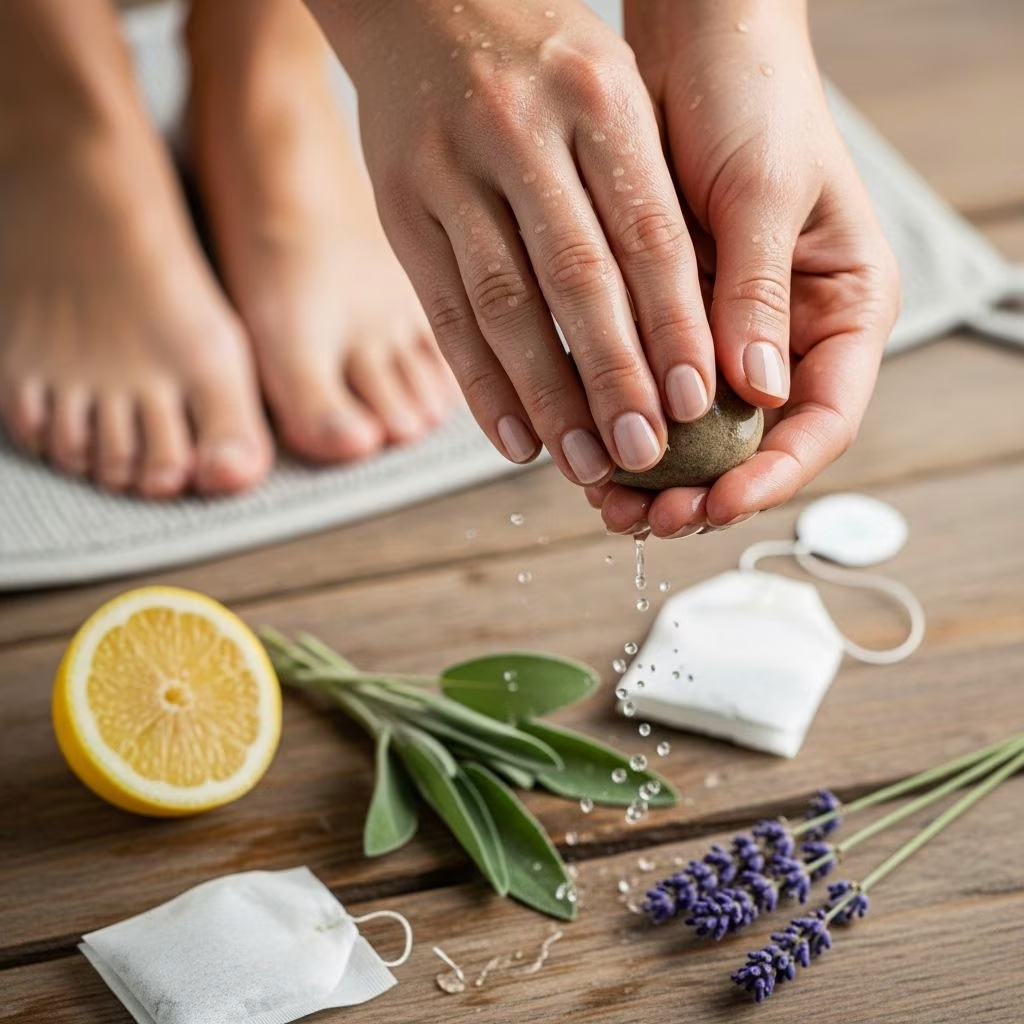
Sweaty hands and feet are common, but when perspiration becomes excessive, it can be a source of discomfort and embarrassment. For many, this condition—medically known as hyperhidrosis—can interfere with daily activities, social interactions, and self-confidence. This article explores the causes, symptoms, and most importantly, natural remedies to help manage and reduce excessive sweating in hands and feet.
What Causes Sweaty Hands and Feet?
Excessive sweating, especially in the palms and soles, is often triggered by stress, physical exertion, or high temperatures. In these situations, sweat glands release more moisture to help regulate body temperature. However, for some individuals, sweating is persistent and difficult to control, a condition known as palmar hyperhidrosis.
Medical experts attribute this to an overactive nervous system, which responds to adrenaline, increases heart rate, constricts blood vessels, and stimulates sweat production. Essentially, the body’s natural cooling mechanism becomes hyperactive, leading to embarrassing and sometimes socially isolating symptoms.
What Is Hyperhidrosis?
Hyperhidrosis is the medical term for excessive sweating that goes beyond the body’s need to regulate temperature. It can affect various parts of the body, but when it occurs in the hands and feet, it is specifically referred to as palmar and plantar hyperhidrosis, respectively. This condition may have genetic roots, or it may develop due to hormonal changes, certain medications, or underlying medical conditions.
Everyday Challenges of Sweaty Hands and Feet
Living with sweaty hands and feet can be challenging:
- Social Discomfort: Handshakes and other social interactions can become anxiety-inducing.
- Practical Issues: Handling paper, electronics, or tools becomes difficult.
- Odor and Hygiene: Excessive moisture creates an environment for bacteria, leading to unpleasant odor.
- Skin Problems: Prolonged moisture can cause skin maceration, peeling, and even fungal infections.
Natural Remedies for Sweaty Hands and Feet
While medical treatments are available, many people prefer to start with natural, at-home remedies. Here are some of the most effective options:
Baking Soda
Baking soda helps balance the pH of the skin on your hands and feet, reducing sweat and neutralizing odor. To use, mix 4–5 tablespoons of baking soda with a small amount of water to form a paste. Apply to the affected areas, leave for a few minutes, then rinse off.
Cornstarch
Cornstarch acts as a natural absorbent. Simply dust your hands or feet with cornstarch as you would with talcum powder. This helps keep the skin dry and comfortable throughout the day.
Coconut Oil
Coconut oil not only nourishes the skin but also has antimicrobial properties that reduce odor-causing bacteria. After showering, apply a small amount of coconut oil to your palms and feet. Use it regularly for best results.
Wet Wipes with Alcohol
Alcohol-based wipes can temporarily reduce sweat by tightening the pores. Keep a pack handy for times when you need a quick solution, such as before a handshake or important meeting.
Sage Tea
Sage tea contains tannic acid, which has astringent properties that can help reduce sweating. Drink sage tea regularly, and also consider using cooled sage tea as a topical wash for your hands and feet.
Sage Rinse
Brew a strong sage tea, let it cool, and use it to rinse your hands and feet several times a day. This can provide relief from excessive sweating and help control odor.
Apple Cider Vinegar
Though not directly mentioned for sweat in the provided excerpts, apple cider vinegar is a popular natural remedy for various skin issues. Dilute it with water and use as a soak or topical application to help balance skin pH and reduce bacterial growth, which may help with sweating and odor.
Additional Lifestyle Tips
In addition to topical remedies, certain lifestyle changes can help manage excessive sweating:
- Stay Hydrated: Drink plenty of water to help regulate body temperature.
- Wear Breathable Fabrics: Choose socks and gloves made from natural fibers like cotton.
- Maintain Good Hygiene: Wash your hands and feet regularly, and dry them thoroughly.
- Reduce Stress: Practice relaxation techniques, as stress can trigger sweating.
- Foot Powders: Use natural foot powders to absorb moisture and prevent odor.
Preventing and Managing Odor
Excessive sweating often leads to odor due to bacterial growth. To combat this:
- Change socks and shoes frequently.
- Rotate shoes to allow them to dry out completely.
- Use antifungal sprays or powders if fungal infections develop.
When to See a Doctor
If natural remedies and lifestyle changes do not provide sufficient relief, or if sweating is accompanied by other symptoms such as chest pain, dizziness, or unexplained weight loss, consult a healthcare professional. They may recommend prescription antiperspirants, medications, or, in severe cases, medical procedures such as iontophoresis or Botox injections.
Comparison of Natural Remedies
| Remedy | How It Works | Application | Frequency |
|---|---|---|---|
| Baking Soda | Balances pH, absorbs moisture | Paste applied to skin | Daily or as needed |
| Cornstarch | Absorbs sweat | Powder dusted on skin | As needed |
| Coconut Oil | Moisturizes, antimicrobial | Applied after washing | Daily |
| Alcohol Wipes | Temporarily closes pores | Wipe affected areas | As needed |
| Sage Tea | Astringent, reduces sweat | Drink or rinse skin | Daily |
Frequently Asked Questions (FAQs)
Q: Is excessive sweating of hands and feet a sign of a serious health problem?
A: In most cases, excessive sweating is not dangerous and is simply a nuisance. However, if it is sudden, severe, or accompanied by other symptoms, it could indicate an underlying medical condition and should be evaluated by a doctor.
Q: Can diet affect sweaty hands and feet?
A: Certain foods and beverages, such as caffeine and spicy foods, can stimulate sweat glands. Reducing these may help some people.
Q: Are natural remedies safe for everyone?
A: Most natural remedies are safe, but individuals with sensitive skin or allergies should test a small area first. If irritation occurs, discontinue use.
Q: How long does it take to see results from natural remedies?
A: Results vary by individual. Some may notice improvement within days, while others may need weeks of consistent use.
Q: When should I consider medical treatments?
A: If natural remedies and lifestyle changes do not provide relief, or if sweating significantly impacts your quality of life, consult a healthcare provider for further options.
Conclusion
Excessive sweating of the hands and feet can be frustrating, but there are many natural remedies and lifestyle adjustments that can help manage this condition. From baking soda and cornstarch to coconut oil and sage tea, these solutions offer relief without harsh chemicals. By understanding the causes and exploring these options, you can take control of your symptoms and improve your comfort and confidence in daily life.
References
- https://telegrafi.com/djersitja-e-duarve-dhe-kembeve-kurat-natyrale-per-eliminimin-e-ketij-sikleti/
- https://telegrafi.com/tag/vaji-kokosi/
- https://telegrafi.com/tag/kembet/?page=2
- https://telegrafi.com/tag/uthulla-e-molles/
- https://telegrafi.com/tag/djersitja/
- https://www.youtube.com/shorts/8VUbRUoGMYw
- https://telegrafi.com/tag/duart/
- http://fax.al/news/25551430/dhimbjet-e-kembeve-kurat-natyrale-qe-mund-te-perdorni-ne-shtepi


