


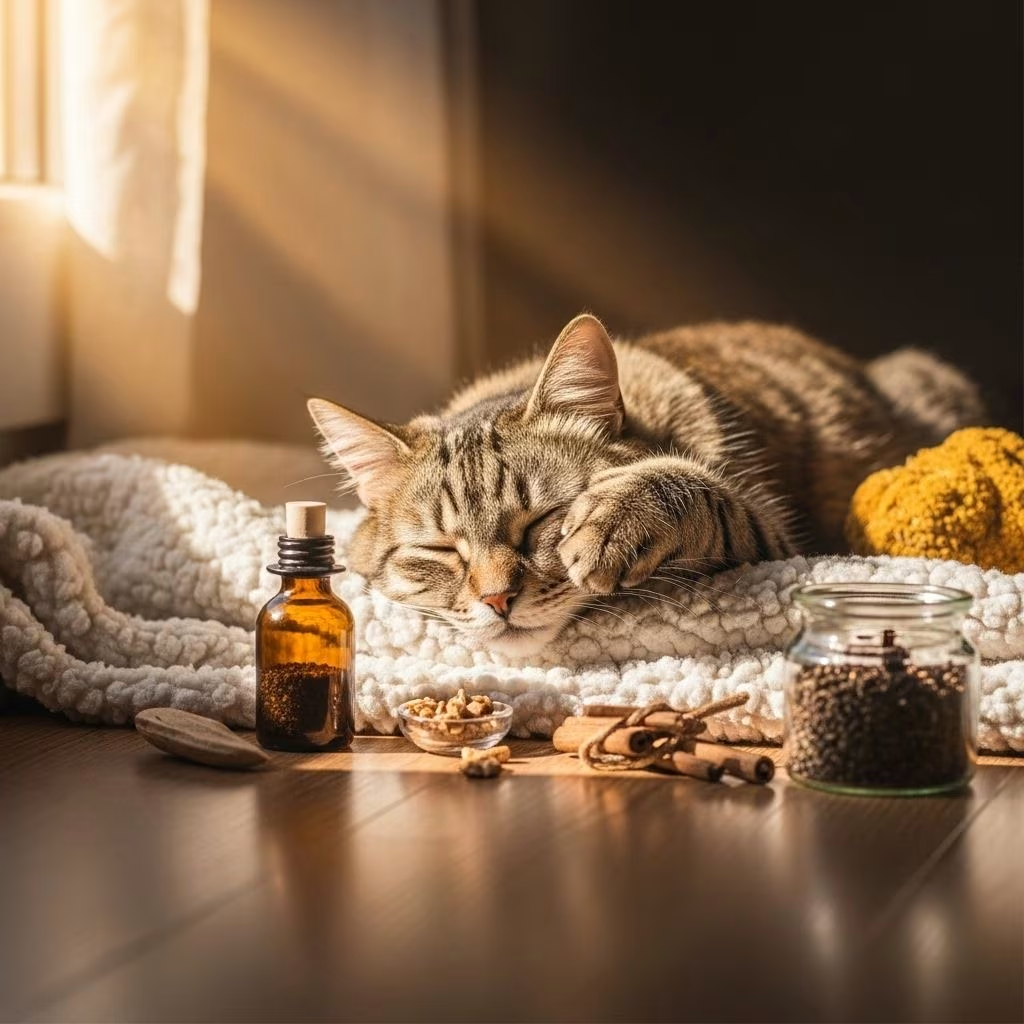
Cats are sensitive creatures that can experience stress and anxiety from various sources, including changes in their environment, loud noises, new pets or people, vet visits, and disruptions to their routine. While modern life provides our feline companions with safety and comfort, it can also present challenges that trigger anxiety. Understanding how to naturally calm your cat is essential for their overall wellbeing and quality of life.
Natural remedies offer a gentle, holistic approach to managing cat anxiety without relying solely on pharmaceutical interventions. These solutions work with your cat’s natural biology and instincts to promote relaxation and reduce stress-related behaviors. From calming herbs and supplements to environmental modifications and behavioral strategies, there are numerous ways to help your anxious cat feel more secure and peaceful.
Understanding Cat Anxiety and Stress
Before exploring natural remedies, it’s important to recognize the signs of stress in cats. Anxious cats may display various behavioral changes including hiding more frequently, excessive grooming, loss of appetite, aggression, inappropriate elimination outside the litter box, and excessive vocalization. Some cats become clingy and demanding, while others withdraw completely. Physical symptoms can include dilated pupils, flattened ears, a tucked tail, and increased heart rate.
Cats experience stress differently than humans, and what seems minor to us can be overwhelming for them. Their ancestors were solitary hunters who needed to constantly monitor their surroundings for threats while securing food. Domestic cats retain these instincts, which means they can feel vulnerable when unable to escape perceived dangers or when their territory feels compromised. Understanding this biological programming helps us create better solutions for managing their anxiety.
Calming Herbs for Cats
Herbal remedies have been used for centuries to promote relaxation in both humans and animals. Several herbs have proven particularly effective for reducing feline anxiety and stress. These natural plant-based solutions offer a gentler alternative to pharmaceutical options, though it’s always important to consult with your veterinarian before introducing any new supplement to your cat’s routine.
Catnip for Relaxation
Catnip is perhaps the most famous herb associated with cats, though its effects can vary significantly from one cat to another. The active compound nepetalactone interacts with feline olfactory receptors, producing effects that range from playful excitement to deep relaxation. Approximately 70% of cats respond to catnip, as sensitivity is genetically determined.
For many cats, an initial period of energetic play is followed by a calming phase that can last 30 minutes to an hour. This makes catnip useful for stress relief when used strategically. The key is moderation—overexposure can lead to overstimulation rather than relaxation. Offer small amounts by sprinkling dried leaves on scratching posts, stuffing toys, or placing in designated play areas. The calming phase that follows active play can help anxious cats release tension and settle into a more relaxed state.
Valerian Root Benefits
Valerian root has a well-established reputation as a natural relaxant for both humans and cats. Unlike catnip’s potentially stimulating initial effects, valerian root typically produces more direct calming results. This herb works by stimulating the release of gamma-aminobutyric acid (GABA) in the brain, a neurotransmitter that reduces neural excitability and promotes feelings of calm.
Research has shown that valerian root can change the way different parts of the brain connect to each other, supporting its effectiveness for anxiety relief. The herb is available in several forms including dried root, tea preparations, and as stuffing for cat toys. Some cats are particularly drawn to valerian’s distinctive scent, which can make administration easier. Start with small amounts to assess your cat’s response, and ensure any product you use is pure and free from additives or contaminants.
Chamomile’s Soothing Properties
Chamomile has been used worldwide for its calming properties and is one of the most researched herbal remedies available. The herb contains apigenin, a compound that binds to the same brain receptors targeted by anti-anxiety medications like diazepam. This mechanism helps promote relaxation without sedation, making it ideal for managing everyday stress in cats.
Chamomile also offers digestive benefits, which is particularly valuable since stress often manifests as gastrointestinal upset in cats. To use chamomile safely, prepare a mild tea by steeping a chamomile tea bag in hot water, then allow it to cool completely before offering small amounts to your cat. Alternatively, cooled chamomile tea can be used as a spray to create a calming atmosphere in your cat’s environment. It’s crucial to avoid chamomile essential oils, as these concentrated forms can be harmful to cats.
Passionflower for Hyperactivity
Passionflower is a powerful yet lesser-known option for calming stressed or hyperactive cats. Like valerian root, passionflower works by increasing GABA levels in the brain, which helps reduce anxiety and promote relaxation. This herb is particularly effective for cats exhibiting signs of restlessness, hyperactivity, or agitation.
The exact mechanisms of passionflower’s calming effects are still being studied, but it’s believed to influence multiple neurotransmitters in the brain. Passionflower is typically available as dried herb or in tincture form. If using a tincture, verify that it is completely alcohol-free, as alcohol is toxic to cats. Begin with minimal doses and carefully monitor your cat’s response, adjusting gradually as needed under veterinary guidance.
Lemon Balm for Stress Relief
Lemon balm has been utilized since medieval times for its anxiety-reducing and mood-improving properties. Studies in humans have demonstrated its effectiveness for reducing anxiety and promoting overall emotional wellbeing. As a member of the mint family, lemon balm works as both a calming agent and a nervous system tonic.
This herb can be particularly helpful for cats experiencing chronic stress or those with nervous dispositions. Lemon balm’s gentle action makes it suitable for long-term use when needed. The herb can be administered as a cooled tea added to food or water in small amounts, or incorporated into herbal supplement blends designed specifically for cats.
Additional Beneficial Herbs
Several other herbs show promise for calming anxious cats. Oat straw works to optimize nervous system function and can be particularly helpful for cats with frayed nerves. Skullcap has centuries of traditional use for stress and anxiety relief, potentially influencing neurotransmitter levels in the brain. Ashwagandha, a staple of Ayurvedic medicine, has been shown to reduce cortisol and other stress-related hormones. Hops, famous for their use in brewing, possess sedative properties that can help particularly anxious cats.
Green tea provides a natural source of L-theanine, an amino acid that helps produce serotonin for calm emotions without causing drowsiness. Lemongrass offers not only a calming aroma but also doubles as a natural insect repellent, providing additional environmental benefits.
Natural Calming Products and Supplements
Beyond individual herbs, several specially formulated natural products can help manage cat anxiety effectively. These products are designed to work with your cat’s natural biology to promote relaxation and reduce stress responses.
Pheromone-Based Solutions
Pheromone products like Feliway are among the most scientifically supported natural calming aids for cats. These products contain synthetic versions of the facial pheromones that cats naturally produce when they feel safe and content. When cats rub their faces against furniture, people, or other objects, they’re depositing these pheromones to mark their territory as safe.
Pheromone sprays, diffusers, and collars can help create a calming environment by mimicking these natural chemical signals. They’re completely safe, non-toxic, and effective for many cats dealing with various stressors including moving to a new home, introduction of new pets, or general environmental anxiety. Pheromone diffusers work continuously to maintain a calming atmosphere, while sprays can be applied to specific areas like carriers, bedding, or new furniture.
CBD Oil for Cats
Full-spectrum CBD oil specifically formulated for cats has gained popularity as a natural anxiety remedy. CBD interacts with the endocannabinoid system, which plays a crucial role in regulating stress responses, emotions, and overall homeostasis in mammals. When used appropriately, CBD oil may help promote relaxation and reduce anxiety-related behaviors.
It’s essential to use only CBD products specifically designed for cats, as these are formulated with appropriate concentrations and do not contain THC, which is toxic to cats. Start with the lowest recommended dose and work with your veterinarian to determine the optimal amount for your cat. CBD works best when combined with other calming strategies rather than used as a standalone solution.
Flower Essences
Flower essences, also known as Bach Flower Remedies, represent a gentle vibrational approach to managing emotional states in cats. These highly diluted preparations are made from flower extracts and are designed to address specific emotional imbalances. Rescue Remedy is the most well-known flower essence blend and is frequently used for acute stress situations.
Different flower essences target specific emotional states—mimulus for known fears, aspen for unknown anxieties, and rock rose for terror or panic. These remedies are administered by adding drops to drinking water, food, or directly into the mouth. Because they’re highly diluted and alcohol-free versions are available, they’re considered very safe for cats.
Antioxidant-Rich Supplements
Certain nutrient-rich supplements can support stress management by bolstering the body’s natural defenses against oxidative stress. Açai berry and raspberry are powerful antioxidants high in vitamin C, which assists the body in managing stress responses. These ingredients, often combined with calming herbs in comprehensive formulas, provide nutritional support while promoting relaxation.
Environmental Modifications for Calm Cats
Creating a stress-free environment is just as important as any supplement or herb you might offer. Cats are highly territorial and sensitive to their surroundings, so environmental management plays a critical role in anxiety reduction.
Creating Safe Spaces
Every cat needs access to safe, quiet areas where they can retreat when feeling overwhelmed. These spaces should be away from household traffic, loud noises, and other pets. Provide hiding spots such as covered beds, cardboard boxes, or cat trees with enclosed platforms. Elevated perches also help cats feel secure by allowing them to survey their territory from a safe vantage point.
Ensure your cat has multiple retreat options throughout your home so they never feel trapped. During particularly stressful times, such as parties or construction work, create a dedicated sanctuary room with all necessary resources—food, water, litter box, bedding, and toys.
Enrichment and Mental Stimulation
Boredom and understimulation contribute significantly to cat anxiety. Regular interactive play sessions help cats express natural hunting behaviors and burn excess energy that might otherwise manifest as anxiety. Dedicate at least 15-20 minutes twice daily to active play using wand toys, laser pointers, or other interactive toys.
Puzzle feeders and food-dispensing toys provide mental stimulation during meal times, engaging your cat’s problem-solving abilities and making eating more rewarding. Rotate toys regularly to maintain novelty and interest. Window perches with views of outdoor activity can provide hours of entertainment and environmental enrichment.
Routine and Predictability
Cats thrive on routine and can become anxious when their schedule is disrupted. Maintain consistent feeding times, play sessions, and bedtime routines. Even if your own schedule varies, try to keep your cat’s major daily events occurring at similar times. This predictability helps cats feel secure and reduces ambient stress levels.
Sound Therapy and Music
Auditory stimulation can significantly impact feline stress levels. Cats have sensitive hearing and can be disturbed by household noises that humans barely notice. Creating a peaceful auditory environment supports overall calm.
Soft classical music has been shown to reduce stress indicators in cats. Specialized music composed specifically for cats, using frequencies and tempos designed to appeal to feline hearing, can be particularly effective. These compositions often incorporate purring sounds and frequencies that cats find naturally soothing.
White noise machines can help mask disturbing environmental sounds like traffic, construction, or neighboring dogs. This steady, neutral sound creates an acoustic buffer that helps anxious cats feel more secure. Sound therapy is especially valuable during predictably stressful events like thunderstorms or fireworks.
Safe Aromatherapy Practices
While aromatherapy can benefit humans, cats require special consideration due to their unique physiology. Cats lack certain liver enzymes needed to metabolize essential oils, making many oils toxic to them. However, when used correctly and with safe options, aromatherapy can contribute to a calming environment.
Hydrosols represent a much safer alternative to essential oils for cats. These water-based byproducts of essential oil distillation contain beneficial compounds in much lower concentrations. Safe hydrosols include Roman chamomile, neroli, valerian, and rose. These can be used as light sprays in the environment but should never be applied directly to your cat.
If using an essential oil diffuser, ensure it’s placed in a well-ventilated area where your cat can easily leave if they find the scent overwhelming. Never use oils known to be toxic to cats, including lavender, peppermint, eucalyptus, tea tree, citrus oils, and many others. When in doubt, consult with a veterinarian trained in holistic medicine before using any aromatherapy products around your cat.
Holistic Approach to Cat Anxiety
The most effective strategy for managing cat anxiety combines multiple approaches tailored to your individual cat’s needs. No single remedy works for every cat, and what helps one may have little effect on another. A comprehensive approach addresses physical, emotional, and environmental factors simultaneously.
Begin by identifying and, when possible, removing or minimizing the source of your cat’s stress. Combine appropriate herbal remedies or supplements with environmental modifications, consistent routine, adequate enrichment, and positive reinforcement training. Monitor your cat’s response to different interventions and adjust accordingly.
Working with a veterinarian, particularly one with training in integrative or holistic medicine, ensures you’re using safe, effective approaches appropriate for your cat’s specific situation. Some anxiety issues may have underlying medical causes that require diagnosis and treatment. Regular check-ups help rule out health problems that could be contributing to behavioral changes.
Frequently Asked Questions
Q: How long does it take for natural calming remedies to work in cats?
A: The timeline varies depending on the remedy and individual cat. Some solutions like pheromone products may show effects within a few hours to days, while herbal supplements typically require 2-4 weeks of consistent use to demonstrate full benefits. Patience and consistency are essential when using natural approaches.
Q: Can I give my cat multiple calming herbs at the same time?
A: Many commercial calming supplements combine multiple herbs for enhanced effectiveness. However, when introducing herbs yourself, start with one at a time to assess your cat’s individual response and identify any adverse reactions. Always consult your veterinarian before combining supplements, especially if your cat takes any medications.
Q: Are natural calming remedies safe for kittens and senior cats?
A: Many natural remedies can be used safely across different life stages, but dosing and appropriateness may vary. Kittens and senior cats may be more sensitive to certain herbs and supplements. Always consult your veterinarian before giving any supplement to very young or elderly cats, or those with existing health conditions.
Q: What’s the difference between a stressed cat and an anxious cat?
A: Stress is typically a response to a specific identifiable trigger like a vet visit or construction noise, while anxiety may persist without an obvious cause or develop as a generalized response to various situations. Both conditions can benefit from natural calming remedies, though chronic anxiety may require more comprehensive intervention.
Q: Can natural remedies replace anxiety medication prescribed by my vet?
A: Natural remedies should not replace prescribed medications without veterinary guidance. In some cases, natural approaches can be used alongside medication or may eventually reduce the need for pharmaceutical intervention. Never discontinue prescribed medications without consulting your veterinarian, as sudden changes can worsen anxiety or cause other health issues.
Q: How do I know if my cat is having an adverse reaction to a calming herb?
A: Watch for signs including excessive drooling, vomiting, diarrhea, lethargy beyond normal calming effects, loss of coordination, or changes in breathing. If you notice any concerning symptoms after introducing a new herb or supplement, discontinue use immediately and contact your veterinarian. Starting with small doses helps minimize risk of adverse reactions.
References
- https://smarterpaw.com/blogs/news/calming-herbs-for-cats-natural-solutions-for-stress
- https://lolahemp.com/blogs/cat-health/cat-anxiety-causes-symptoms-and-natural-remedies
- https://petwell.com.au/blogs/posts/how-to-calm-an-anxious-cat
- https://www.petmd.com/cat/behavior/natural-calming-supplements-herbs-for-cats
- https://www.onlynaturalpet.com/collections/stress-anxiety-support-for-cats
- https://www.nhvnaturalpetproducts.com/cats/conditions/stress-and-anxiety/
- https://www.petmd.com/cat/general-health/helpful-ways-calm-your-cat
- https://happycatshaven.org/resource/stop-cat-stress-natural-solutions/


