


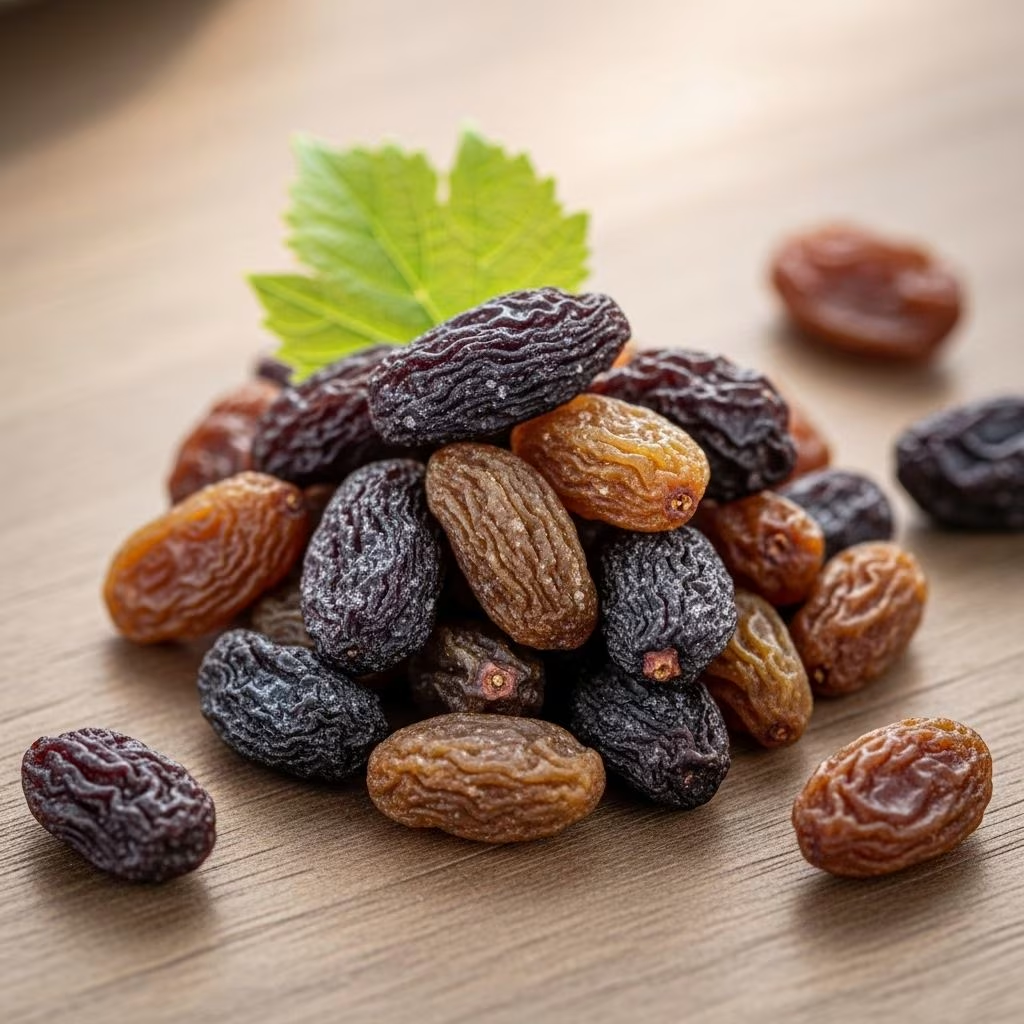
What Are Raisins? Benefits, Uses, and Taste
Raisins are one of the most popular dried fruits worldwide, recognized for their sweet flavor, chewy texture, and versatility in the kitchen. Derived from grapes through a drying process, raisins concentrate the nutrients and sugars of the fruit, making them both nutrient-dense and calorie-rich. This guide provides a comprehensive overview of raisins, exploring their history, varieties, nutrition, health benefits, culinary uses, and distinctive taste.
Definition and History
Raisins are dried grapes, and their name is derived from the Latin word ‘racemus’, meaning a cluster of grapes. Botanically, they are berries; the process of drying grapes to produce raisins originated thousands of years ago in the Middle East, where they were regarded as valuable commodities. Raisins later spread to Europe, becoming popular among the Greeks and Romans for their energy value and use as currency, awards for athletes, and even medicine for various ailments like food poisoning.
Varieties of Raisins
Raisins come in various types, based on the grape variety, drying method, and regional naming conventions. Major varieties include:
- Natural Dried Raisins: Made by sun-drying grapes over several weeks, yielding a dark color and chewy texture.
- Golden Raisins (Sultanas): Made from Thompson Seedless grapes, often treated with sulfur dioxide and dried in dehydrators for a lighter color and softer texture. Sultanas are sometimes called golden raisins, especially in the U.S.
- Currants (Zante Currants): Produced from the small Black Corinth grape, these are tart and seedless but called currants in the U.K., Ireland, and Australia.
- Muscat Raisins: Made from larger Muscat grapes, recognized for their plump size and sweet flavor.
- Monukka Raisins: Common in the Middle East and Asia, made from large black Monukka grapes—these are large, chewy, and flavorful.
The color of raisins can range from green and yellow to brown, blue, purple, and black, depending on the grape variety and production method.
Production: How Raisins Are Made
Raisin production involves several drying methods, each impacting the final product’s appearance, texture, and nutritional profile:
- Sun Drying: Grapes are laid out in open air and left to dry naturally by the sun, a process usually taking two to three weeks. Sun-dried raisins are darker and tougher, with a concentrated flavor.
- Dehydrator Drying: Grapes are dried in controlled environments (large commercial dehydrators), which ensures consistent moisture retention, resulting in plumper, softer raisins.
- Sulfur Dioxide Treatment: Sultanas and golden raisins are often treated with sulfur dioxide before dehydration, keeping them lighter in color and increasing shelf life.
- Other Methods: Raisins may be dipped in solutions such as lye, soda, oil, or sulfur, which affects color, flavor, and tenderness. These methods are commonly used to produce specialized raisins like lexias or oil-dipped varieties.
Nutritional Value
Raisins are packed with nutrients and offer numerous health benefits. The drying process increases their concentration of calories and sugars, but also enhances their nutritional value compared with fresh grapes.
| Type | Calories | Protein (g) | Fat (g) | Carbs (g) | Fiber (g) | Sugar (g) | Calcium (mg) | Iron (mg) |
|---|---|---|---|---|---|---|---|---|
| Raisins | 120 | 1 | 0 | 32 | 2 | 26 | 25 | 1 |
| Sultanas (Golden Raisins) | 130 | 1 | 0 | 31 | 1 | 10 | 20 | 1 |
| Currants | 110 | 2 | 0 | 30 | 3 | 27 | 40 | 1.5 |
- Antioxidants: Raisins, especially golden raisins, are high in antioxidants—compounds that protect cells from damage due to free radicals.
- Minerals: Rich in iron, potassium, copper, manganese, boron, and calcium.
- Vitamins: Raisins contain vitamin C, vitamin B6, but have lower levels of vitamin A compared with fresh grapes.
Health Benefits
- Bone and Joint Health: The boron content in raisins supports bone density and joint health, aiding in the prevention of osteoporosis and improving wound healing.
- Antioxidant Protection: Raisins supply polyphenols and antioxidants that can help reduce oxidative stress, lowering the risk of chronic diseases.
- Heart Health: High potassium and low sodium levels contribute to better blood pressure regulation and cardiovascular function, potentially lowering the risk for heart disease.
- Digestive Health: The fiber in raisins supports healthy digestion, promotes regular bowel movements, and may help prevent constipation.
- Blood Sugar Management: Despite their high sugar content, raisins have a low to moderate glycemic index, meaning they do not spike blood sugar as rapidly as some other sweet foods.
- Iron Boost: Raisins are a notable source of iron, supporting energy, immunity, and the transport of oxygen in the body—an important mineral for people at risk of anemia.
- Immune Support: The antioxidants and trace minerals help support the body’s immune function.
Note: Because raisins are calorie-dense and high in sugar, they are best consumed in moderation as part of a balanced diet.
Culinary Uses of Raisins
Raisins’ versatility has made them a staple in kitchens worldwide. They can be eaten raw, or used as an ingredient in diverse culinary preparations:
- Baking: Widely used in breads, muffins, cookies, cakes, buns, and scones for moisture, sweetness, and texture.
- Cooking: Added to rice dishes, casseroles, pilafs, stews, curries, and puddings for bursts of sweetness and texture.
- Salads: Incorporated into kale, spinach, grain, or carrot salads, balancing savory and tangy flavors with sweetness.
- Snacking: Eaten alone as a portable, energy-rich snack, or combined with nuts and seeds in trail mixes.
- Desserts: Used in ice creams, yogurt parfaits, compotes, and as topping for cereal.
- Beverages: Raisins are also used in brewing and fermenting, for example, in rum-raisin cocktails, or to flavor certain spirits and non-alcoholic drinks.
Taste Profile
| Type | Flavor | Texture | Typical Uses |
|---|---|---|---|
| Natural Raisins | Sweet, robust, slightly caramelized | Chewy, sticky | Snacking, baking, cooking |
| Golden Raisins | Light, tangy, less robust than dark raisins | Softer, plumper | Baked goods, cereals, salads |
| Currants | Tart, tangy, intensely fruity | Small, firm | Scones, desserts, salads |
| Muscat Raisins | Very sweet, floral undertones | Large, juicy | Desserts, confections |
Raisin flavor is generally described as sweet, sometimes with a subtle caramel or molasses undertone due to the concentration of grape sugars during drying. Texture varies from chewy and sticky in natural raisins, to plump and tender in golden and sultana varieties, and firm and tart in currants.
Buying, Storing, and Handling
- Grades: The USDA grades raisins by factors like color, maturation, moisture content, and flavor. U.S. Grades A, B, and C reflect differences in appearance and taste.
- Selecting Raisins: Choose plump, uniformly colored raisins. Avoid those that look overly dry, gritty, or crystallized, which may indicate age or poor storage.
- Storing Raisins: Store raisins in airtight containers in cool, dry places to prevent moisture loss and degradation. Refrigeration extends shelf life by preventing mold and spoilage.
- Handling: If raisins harden, they can be softened by soaking in warm water or fruit juice before use in cooking or baking.
Potential Concerns and Allergies
- Caloric Density: Raisins are calorie dense and high in sugars, so portion control is necessary, especially for those watching sugar intake or managing diabetes.
- Sulfites: Golden raisins and sultanas may contain sulfur dioxide, which can trigger allergies or sensitivities in some people. Opt for organic or unsulfured varieties if concerned.
- Pesticides: As with all dried fruit, it is important to wash or buy organic raisins to minimize pesticide exposure.
Frequently Asked Questions (FAQs)
Q: Are raisins healthier than grapes?
A: Raisins are more nutrient-dense than fresh grapes, with higher levels of fiber, potassium, iron, and antioxidants per ounce. However, they also have more concentrated sugars and calories, so should be eaten in moderation.
Q: Can raisins help with digestion?
A: Yes, the fiber content in raisins helps support regular bowel movements and can aid in digestion.
Q: Are there any allergens in raisins?
A: Most raisins are free of common allergens, but sulfur dioxide added to some golden varieties may trigger sensitivity in some individuals. Always check labels if you have allergies.
Q: How should I store raisins?
A: Store raisins in a cool, dry place, ideally in an airtight container. Refrigeration can prolong freshness and prevent spoilage.
Q: What is the best way to use raisins in cooking?
A: Raisins work well in both sweet and savory dishes. You can eat them raw, add them to oatmeal, yogurt, salads, stews, baked goods, and more.
Q: What is the difference between raisins, sultanas, and currants?
A: While all are dried grapes, raisins are typically large and dark, sultanas (golden raisins) are made from green grapes and are lighter, and currants are very small, seedless, and tart due to being made from Black Corinth grapes.
References
- https://en.wikipedia.org/wiki/Raisin
- https://www.webmd.com/diet/raisins-good-for-you
- https://www.britannica.com/topic/raisin
- https://www.ams.usda.gov/grades-standards/raisin-grades-standards
- https://www.merriam-webster.com/dictionary/raisin
- https://www.sunmaid.com/wp-content/uploads/2019/02/US-Edition_Ch5.pdf
- https://www.law.cornell.edu/cfr/text/7/989.5


