


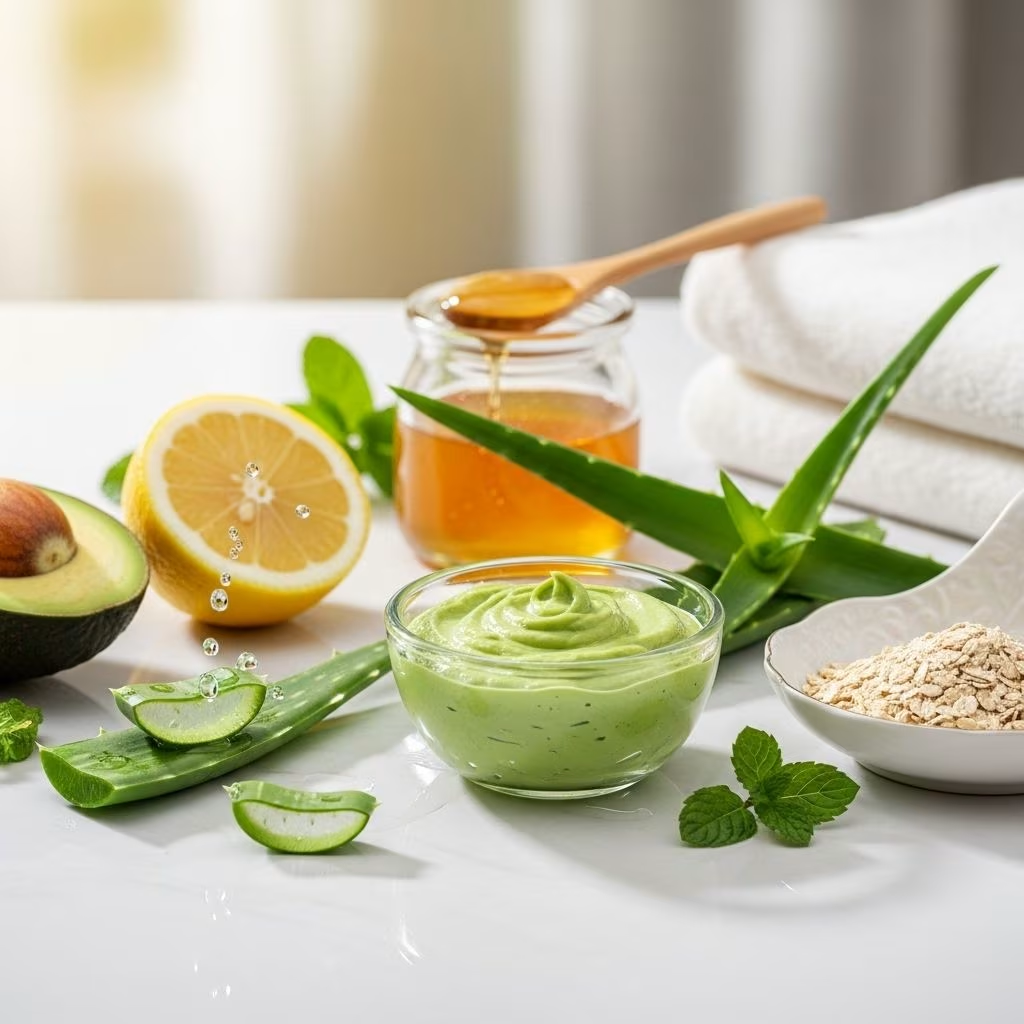
Achieving clean and clear skin is more than just a beauty goal—it’s a reflection of your overall health, dietary habits, proper skincare routine, and good personal hygiene practices. When your skin glows with clarity and vitality, it signals that you’re nourishing your body from within while caring for it from the outside. For those dealing with acne-prone skin, the journey to clarity requires extra attention and the use of specific, effective skincare ingredients that work harmoniously with your skin’s natural processes.
The quest for clear skin doesn’t always require expensive treatments or complicated procedures. Nature has provided us with powerful ingredients that have been used for centuries to promote healthy, radiant skin. These natural remedies offer gentle yet effective solutions that address various skin concerns without the harsh chemicals found in many commercial products. By incorporating these time-tested ingredients into your skincare routine, you can work toward achieving the clear, healthy complexion you’ve always desired.
Rice Water: Ancient Beauty Secret
Rice water has been a cherished beauty secret in Asian cultures for generations, and modern science is now catching up to validate what traditional practitioners have known all along. This humble ingredient is packed with vitamins, minerals, and antioxidants that work wonders for skin health. The inositol present in rice water helps repair damaged skin cells and promotes cellular regeneration, while its anti-inflammatory properties soothe irritated skin and reduce redness.
The preparation of rice water for skincare is remarkably simple yet incredibly effective. Begin by measuring half a cup of thoroughly washed rice and placing it in a clean container. Add two cups of water at room temperature to the rice, ensuring all grains are fully submerged. Allow this mixture to infuse for three to four hours at minimum, though leaving it overnight yields even more potent results. The extended soaking time allows more nutrients to leach into the water, creating a more concentrated solution.
Once the infusion period is complete, strain the rice carefully, collecting the cloudy white liquid in a clean spray bottle. This rice water facial mist can be spritzed throughout the day to refresh and hydrate your skin. The amino acids in rice water help tighten pores, improve skin texture, and provide a natural glow. Its gentle nature makes it suitable for all skin types, including sensitive skin that might react to harsher treatments.
Clay Mask: Deep Purification Treatment
Bentonite clay has earned its reputation as a powerful skincare ingredient due to its remarkable ability to draw out impurities, toxins, and excess oils from deep within the pores. This natural clay possesses a negative electrical charge that attracts positively charged toxins and impurities like a magnet, making it exceptionally effective for deep cleansing and detoxification. The clay’s absorbent properties help unclog pores, reduce inflammation, and promote clearer skin over time.
Creating an effective clay mask requires careful attention to both ingredients and preparation method. Always use a wooden or ceramic bowl when mixing clay masks, as metal bowls can interfere with the clay’s ionic properties and reduce its effectiveness. Measure one tablespoon of bentonite clay into your chosen bowl, then gradually add apple cider vinegar until you achieve a smooth, paste-like consistency. The apple cider vinegar enhances the mask’s benefits by balancing skin pH and providing additional antibacterial properties.
Application technique matters significantly when using clay masks. Start with freshly cleansed skin to ensure maximum penetration of the mask’s beneficial properties. Apply an even layer of the clay mixture across your face, avoiding the delicate eye area. Allow the mask to sit for approximately fifteen minutes, during which you may feel a tightening sensation as the clay dries and works its magic. This sensation indicates the mask is actively drawing out impurities. Rinse thoroughly with lukewarm water and immediately follow with a nourishing moisturizer to prevent any potential dryness.
Honey Cleanser: Gentle Daily Cleansing
Raw honey stands as one of nature’s most versatile and beneficial skincare ingredients, offering antibacterial, antioxidant, and humectant properties that make it ideal for daily cleansing. Unlike many commercial cleansers that strip the skin of its natural oils, a honey-based cleanser gently removes impurities while maintaining the skin’s moisture barrier. The enzymes present in raw honey provide mild exfoliation, helping to slough away dead skin cells and reveal brighter, smoother skin underneath.
Creating a honey cleanser that’s both effective and luxurious requires just a few simple ingredients. In a pump bottle, combine half a cup of liquid castile soap with one tablespoon of raw honey. The castile soap provides gentle cleansing action while the honey adds moisturizing and antibacterial benefits. Add a few drops of peppermint essential oil to the mixture for a refreshing scent and additional antimicrobial properties. Give the bottle a quick stir or gentle shake to incorporate all ingredients evenly.
This honey cleanser works beautifully as part of your morning and evening skincare routine. Dispense a small amount into damp hands, create a gentle lather, and massage onto your face using circular motions. The honey’s sticky texture helps the cleanser adhere to impurities, lifting them away from pores without harsh scrubbing. Rinse thoroughly with lukewarm water and pat your face dry with a clean towel. Regular use of this gentle cleanser can help balance skin tone, reduce breakouts, and maintain healthy, glowing skin.
Vinegar Toner: pH Balancing Solution
Apple cider vinegar has emerged as a powerhouse ingredient in natural skincare, primarily due to its ability to restore and maintain the skin’s optimal pH balance. When skin pH becomes too alkaline, it becomes more susceptible to dryness, irritation, and bacterial overgrowth. Apple cider vinegar contains natural acids that help rebalance skin pH, creating an environment where beneficial bacteria thrive while harmful bacteria struggle to survive. Additionally, its astringent properties help tighten pores and control excess oil production.
Formulating an effective vinegar toner requires proper dilution to ensure the solution is beneficial rather than irritating. In a clean spray bottle, combine half a cup of pure rose water with one tablespoon of apple cider vinegar. The rose water not only dilutes the vinegar to a safe concentration but also adds its own skin-soothing and anti-inflammatory benefits. Enhance the toner further by adding a few drops of your preferred essential oil—lavender for calming properties, tea tree for additional acne-fighting power, or frankincense for anti-aging benefits. Shake the bottle well to ensure all ingredients are thoroughly mixed.
Apply this vinegar toner twice daily, once in the morning and once in the evening, after cleansing and before moisturizing. Spray a light mist directly onto clean skin or apply with a cotton pad using gentle, upward strokes. The toner will help remove any remaining traces of cleanser, balance your skin’s pH, and prepare it to better absorb subsequent skincare products. With consistent use, you’ll notice improved skin texture, reduced breakouts, and a more balanced complexion.
Rose Face Mist: Hydration Throughout the Day
Maintaining proper skin hydration throughout the day is crucial for healthy, glowing skin, and a rose face mist offers a convenient and luxurious way to refresh and rehydrate whenever needed. Rose water has been used in skincare for centuries, prized for its ability to soothe inflammation, reduce redness, and provide intense hydration. When combined with vitamin E oil, this simple face mist becomes a powerful tool for protecting skin from environmental stressors while maintaining moisture levels.
Creating this hydrating face mist requires minimal effort but delivers maximum results. Pour half a cup of pure rose water into a clean spray bottle, then add one teaspoon of vitamin E oil. Vitamin E is a potent antioxidant that protects skin cells from free radical damage while promoting healing and moisture retention. Shake the bottle vigorously before each use to ensure the oil disperses evenly throughout the rose water. For enhanced benefits, particularly for acne-prone skin, consider adding a few drops of tea tree oil, which provides antibacterial properties to help prevent breakouts.
Keep this rose face mist in your bag, on your desk, or wherever you spend most of your time for easy access throughout the day. Spritz it onto your face whenever your skin feels tight, dry, or in need of refreshment. The fine mist provides instant hydration without disturbing makeup, making it perfect for midday touch-ups. It’s also excellent for setting makeup in the morning or adding a dewy finish to your complexion before special occasions.
Turmeric Night Gel: Overnight Healing Treatment
Turmeric has earned its place as a skincare superstar thanks to its powerful anti-inflammatory, antibacterial, and antioxidant properties. The compound curcumin, which gives turmeric its distinctive yellow color, works to reduce inflammation, fight acne-causing bacteria, and promote healing of blemishes and scars. When combined with aloe vera gel, turmeric becomes even more effective, as aloe vera provides soothing, moisturizing, and additional antibacterial benefits.
Preparing a turmeric night gel requires careful measurement to achieve the right balance of ingredients. In a clean bowl, measure four tablespoons of pure aloe vera gel and add half a teaspoon of turmeric powder. The proportions are important—too much turmeric can temporarily stain the skin, while too little won’t provide optimal benefits. Add a few drops of turmeric essential oil to enhance the gel’s effectiveness and provide a more pleasant aromatic experience. Mix all ingredients thoroughly until they’re completely emulsified and the gel has a uniform golden color.
Apply this turmeric night gel to clean facial skin every evening before bedtime. The overnight application allows the active ingredients maximum time to work their magic while your skin undergoes its natural repair and regeneration processes during sleep. Use gentle, upward strokes to massage the gel into your skin, paying special attention to areas prone to breakouts or inflammation. In the morning, rinse your face with lukewarm water and follow with your regular morning skincare routine. With consistent use, you’ll notice reduced inflammation, fewer breakouts, and a more even skin tone.
Tea Tree Moisturizer: Antibacterial Hydration
Tea tree oil has long been recognized as one of the most effective natural ingredients for fighting acne-causing bacteria and preventing breakouts. Its powerful antimicrobial properties work to eliminate harmful bacteria on the skin’s surface while its anti-inflammatory effects help reduce the redness and swelling associated with active breakouts. However, tea tree oil is quite potent and should never be applied directly to skin without proper dilution. Combining it with aloe vera gel creates a moisturizer that’s both effective and gentle enough for daily use.
Making a tea tree moisturizer is straightforward and requires just two ingredients. Measure four tablespoons of pure aloe vera gel into a clean bowl, ensuring you’re using high-quality, preferably organic aloe vera for best results. Add a few drops of pure tea tree essential oil to the aloe vera—typically three to five drops is sufficient, depending on your skin’s tolerance. Mix the ingredients thoroughly until the tea tree oil is evenly distributed throughout the aloe vera gel. The resulting moisturizer should have a light, gel-like consistency that absorbs easily into skin.
This tea tree moisturizer can be used both during the day and at night as part of your regular skincare routine. After cleansing and toning, apply a thin layer of the moisturizer to your entire face and neck, avoiding the eye area. The aloe vera provides lightweight hydration without clogging pores, while the tea tree oil works to prevent and treat breakouts. This moisturizer is particularly beneficial for those with oily or combination skin, as it provides necessary hydration without adding excess oil to the skin.
Yogurt Face Mask: Probiotic Skin Treatment
Greek yogurt isn’t just a nutritious food—it’s also a powerful skincare ingredient loaded with probiotics, lactic acid, and proteins that benefit the skin in multiple ways. The probiotics in yogurt help balance the skin’s microbiome, creating an environment where beneficial bacteria flourish and harmful bacteria are kept in check. Lactic acid, a gentle alpha-hydroxy acid, provides mild exfoliation that removes dead skin cells and promotes cellular turnover, revealing brighter, smoother skin underneath.
Creating an effective yogurt face mask combines the benefits of Greek yogurt with the refreshing, antibacterial properties of mint. In a clean bowl, measure two tablespoons of plain Greek yogurt—always choose full-fat, unsweetened yogurt for maximum benefits. Add half a teaspoon of fresh mint paste, which you can make by grinding fresh mint leaves with a small amount of water in a blender or mortar and pestle. The mint provides a cooling sensation, reduces inflammation, and adds additional antibacterial properties to the mask. Mix the ingredients thoroughly until they form a smooth, even paste.
Apply this yogurt mask to clean, dry skin and leave it on for thirty minutes to allow the active ingredients time to work. During this time, the lactic acid gently exfoliates while the probiotics and mint work to balance and soothe your skin. You may feel a slight tingling sensation, which is normal and indicates the mask is working. After thirty minutes, rinse the mask off with lukewarm water, using gentle circular motions to take advantage of the mask’s mild exfoliating properties as you remove it. Use this mask two to three times per week for best results.
Rosehip Face Oil: Nighttime Skin Regeneration
Rosehip essential oil is renowned for its exceptional ability to repair damaged skin, fade scars and hyperpigmentation, and promote cellular regeneration. Rich in essential fatty acids, vitamins A and C, and antioxidants, rosehip oil penetrates deeply into the skin to nourish and heal from within. Despite being an oil, it’s remarkably lightweight and non-comedogenic, meaning it won’t clog pores—making it suitable even for acne-prone skin types.
Preparing a rosehip face oil treatment requires just two powerful ingredients. Using a small dropper bottle for easy application, add one tablespoon of pure rosehip essential oil. Break open one vitamin E capsule and squeeze its contents into the bottle with the rosehip oil. Vitamin E enhances the oil’s antioxidant properties and helps protect skin from free radical damage while promoting healing and reducing the appearance of scars. Shake the bottle well to ensure both ingredients are thoroughly combined.
Use this rosehip face oil every night as the final step in your evening skincare routine. After cleansing, toning, and applying any serums or treatments, dispense a few drops of the oil blend into your palms. Warm the oil between your hands, then press it gently onto your face and neck using upward and outward motions. Follow with a gentle massage to promote absorption and stimulate circulation. The oil will work overnight to regenerate skin cells, reduce fine lines and wrinkles, and fade dark spots and acne scars. With consistent use over several weeks, you’ll notice significantly improved skin texture, tone, and overall radiance.
Neem Facial Mist: Natural Antibacterial Treatment
Neem leaves have been used in traditional medicine and skincare for thousands of years, particularly in Ayurvedic practices, due to their powerful antibacterial, antifungal, and anti-inflammatory properties. Neem is exceptionally effective at combating acne-causing bacteria, reducing inflammation, and promoting healing of skin conditions. A neem facial mist offers a convenient way to harness these benefits throughout the day, providing continuous protection against bacteria and environmental stressors.
Creating a neem facial mist requires fresh neem leaves and a simple preparation process. In a medium saucepan, add one cup of water and a generous handful of fresh neem leaves—approximately fifteen to twenty leaves, depending on their size. Place the saucepan on the stove and bring the water to a gentle simmer. Allow the neem leaves to simmer in the water for approximately ten minutes, during which time the water will take on a greenish tint as the beneficial compounds leach from the leaves. Remove the saucepan from heat and allow the neem water to cool completely to room temperature.
Strain the neem water carefully through a fine-mesh strainer or cheesecloth to remove all leaf particles, then transfer the liquid to a clean spray bottle. This neem facial mist can be used throughout the day to refresh skin and provide continuous antibacterial protection. Spray it directly onto clean skin or apply with a cotton pad. The natural antibacterial properties of neem help prevent new breakouts from forming while reducing existing inflammation and redness. Store the neem mist in the refrigerator and use it within five to seven days for maximum freshness and effectiveness.
Frequently Asked Questions
Q: How long does it take to see results from natural remedies for clear skin?
A: Results vary depending on your skin type and the specific concern being addressed. Generally, you may notice improvements in skin texture and hydration within one to two weeks of consistent use. For more significant changes like reduction in acne scars or hyperpigmentation, allow six to eight weeks of regular application. Natural remedies work gradually but provide lasting results without the harsh side effects of chemical treatments.
Q: Can I use multiple natural remedies together in my skincare routine?
A: Yes, most of these natural remedies can be combined effectively in a comprehensive skincare routine. However, introduce new products gradually, adding one new remedy every few days to monitor how your skin responds. A typical routine might include the honey cleanser, vinegar toner, tea tree moisturizer during the day, and rosehip face oil at night, with the clay mask used once or twice weekly.
Q: Are these natural remedies suitable for sensitive skin?
A: Most of these remedies are gentle enough for sensitive skin, but individual reactions can vary. Always perform a patch test before applying any new ingredient to your entire face. Apply a small amount of the product to the inside of your wrist or behind your ear and wait twenty-four hours to check for any adverse reactions. Those with very sensitive skin should be particularly cautious with ingredients like apple cider vinegar, tea tree oil, and clay, ensuring proper dilution.
Q: How should I store these homemade skincare products?
A: Most water-based remedies like the rice water, neem mist, and vinegar toner should be stored in the refrigerator and used within five to seven days. Oil-based products like the rosehip face oil can be stored at room temperature in a cool, dark place for up to three months. Always use clean, dry hands or tools when dispensing products to prevent contamination, and discard any product that develops an unusual odor, color, or texture.
Q: Can these natural remedies replace my regular skincare products entirely?
A: While these natural remedies are highly effective, whether they can completely replace your regular products depends on your specific skin concerns and needs. Many people find success using natural remedies as their primary skincare routine, while others prefer to integrate them alongside certain commercial products. Start by replacing one or two products at a time and evaluate how your skin responds before making a complete switch.
Q: What should I do if I experience irritation from any of these remedies?
A: If you experience any irritation, redness, burning, or unusual reactions, discontinue use immediately and rinse the affected area thoroughly with cool water. Apply a gentle, fragrance-free moisturizer to soothe the skin. If irritation persists or worsens, consult with a dermatologist. Remember that natural doesn’t always mean suitable for everyone, and some people may have sensitivities to certain plant-based ingredients.
References
- https://thelittleshine.com/10-best-natural-remedies-for-clear-skin/
- https://thelittleshine.com/tag/clear-skin/page/8/
- https://thelittleshine.com/clear-acne-overnight/
- https://thelittleshine.com/best-drinks-clear-healthy-skin/
- https://thelittleshine.com/aloe-vera-remedies/
- https://thelittleshine.com/overnight-beauty-tips/
- https://thelittleshine.com/clear-glowing-skin-drink/


