


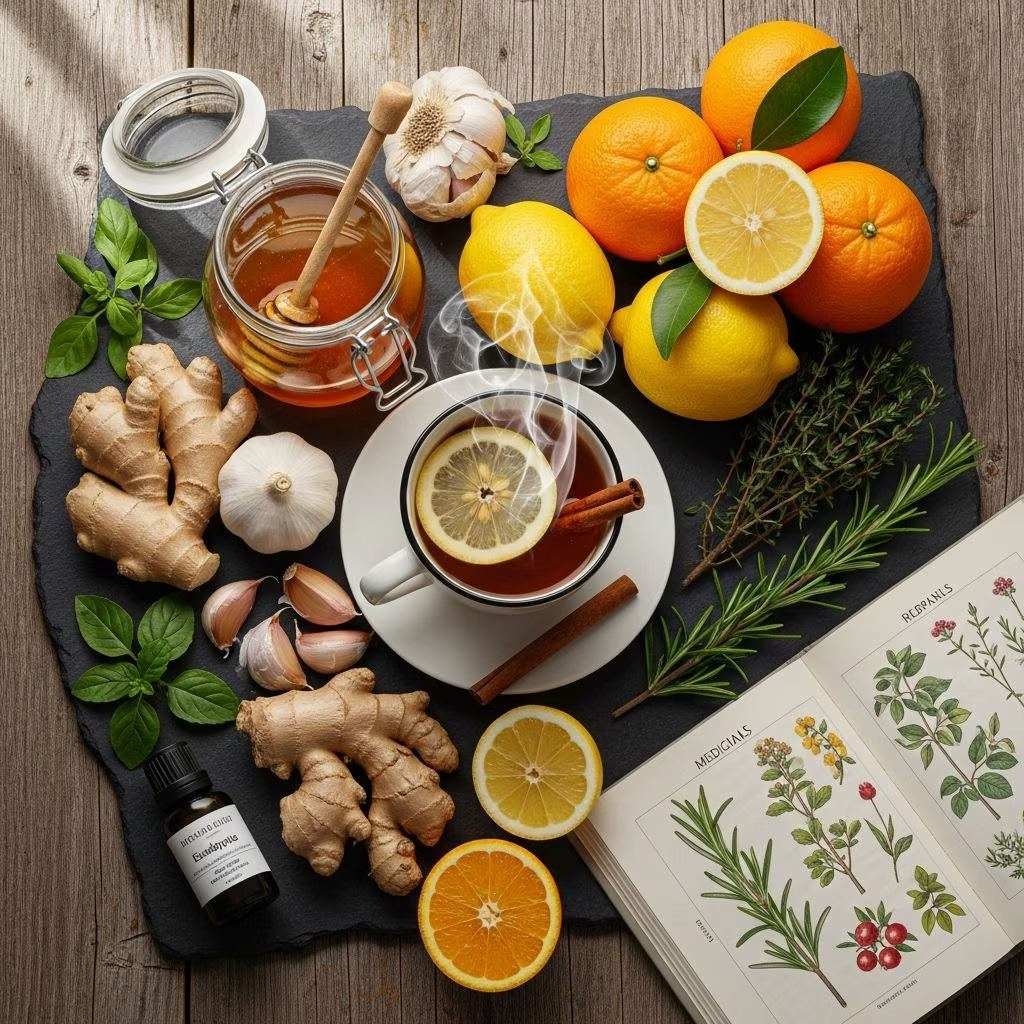
Natural Remedies to Fight Flu and Cold Season
Every cold and flu season brings a surge of runny noses, sore throats, and coughing fits. While modern medicine offers relief, many seek gentle, science-informed natural remedies to ease symptoms, shorten duration, and strengthen the immune system. This guide explores safe, effective solutions—from dietary choices and herbal supplements to everyday habits—helping you and your loved ones stay healthy and resilient throughout winter.
Common Signs and Symptoms of Cold and Flu
- Nasal congestion
- Sore throat
- Cough
- Body aches
- Fever or chills
- Fatigue
While these symptoms are common to both colds and flu, influenza generally produces more severe, sudden onset symptoms and higher fever.
Essential Natural Remedies That Work
Hydration: The Foundation of Recovery
Drinking fluids like water, herbal teas, and clear broths is vital. Adequate hydration loosens mucus, keeps the throat moist, and prevents dehydration—especially important if you have a fever or sweats intensely. Avoid alcohol and caffeine, as these can worsen dehydration. Try warm liquids (chicken soup, ginger tea) to soothe sore throats and relieve congestion.
Rest: Give Your Immune System a Lift
Rest allows the body to concentrate its energy on fighting off infection. Take time away from work or strenuous activity, and prioritize restful sleep. Supporting your recovery with adequate rest can help speed up recovery and reduce symptom severity.
Chicken Soup: More Than Comfort Food
- Warmth relieves throat discomfort and loosens mucus.
- Broth provides hydration, electrolytes, and nutrients.
- Studies support chicken soup as a helpful home remedy during illness.
Include plenty of vegetables, chicken, and aromatic herbs for additional immune support.
Ginger: The Spicy Soother
- Anti-inflammatory and antioxidant properties help reduce throat soreness and inflammation.
- Fresh ginger tea or added to soup supports digestion and relieves nausea.
- Combine ginger with honey for enhanced throat relief.
Boil slices of fresh ginger in water for 10 minutes, add honey to taste, and sip throughout the day.
Honey & Lemon: Nature’s Cough Suppressant
- Honey has antimicrobial and anti-inflammatory effects, soothes coughs and sore throats.
- Lemon supplies vitamin C and freshens flavor.
- Mix one tablespoon of honey and a squeeze of lemon into warm water or tea.
- Note: Never give honey to children under one year old.
Garlic: The Immunity Booster
- Allicin in garlic exhibits antimicrobial and antiviral action.
- Regular consumption may enhance immune response and lower risk/severity of colds.
- Add raw or cooked garlic to soups, sauces, or teas.
Saltwater Gargle: Simple Relief for Sore Throat
- Relieves throat pain and swelling by reducing inflammation.
- Mix 1/2 teaspoon salt in 1 cup of warm water and gargle several times a day.
Steam Inhalation: Clear Congestion Naturally
- Steam soothes nasal passages and helps loosen mucus.
- Add a few drops of eucalyptus oil for added decongestant effects.
- Use a bowl of hot water or vaporizer; cover head with towel, breathe deeply for several minutes.
Probiotics: Support from Within
- Beneficial bacteria in yogurt and supplements may aid immune function.
- Support gut health, potentially reducing infection risk and duration.
- Include yogurt, kefir, fermented vegetables like sauerkraut or kimchi.
Herbal Supplements: Mixed Evidence, Some Promise
| Remedy | Benefit | Notes |
|---|---|---|
| Echinacea | May reduce severity and duration of cold symptoms | Results vary by species and preparation; modest benefits overall |
| Zinc | May shorten cold duration when taken early | Can cause nausea; safe under 20 mg/day |
| Elderberry | May halve symptom days for flu; provides antioxidants | Small studies suggest benefit; try syrup or lozenges |
| Garlic | May lessen risk and severity of colds | Regular use advised; not a cure |
| Ginseng | May boost immune defenses, strengthen vaccine effect | North American and Asian varieties offer benefits |
| Andrographis | Can improve cold symptoms, especially if used early | Also known as “Indian echinacea” |
Always consult your physician before starting any herb or supplement, particularly if you are pregnant, nursing, managing health conditions, or taking medications. Evidence can vary, and safety is key.
Nutrition and Supplements: Building a Stronger Immune System
Vitamin C
- Strengthens immune function, antioxidant support.
- Sources: Citrus fruits, red peppers, broccoli, berries, leafy greens
- No strong evidence for prevention, though may slightly shorten duration or lessen symptoms.
- May add lemon juice to warm drinks for comfort
Zinc
- May reduce both the severity and the length of colds when taken within 24 hours of symptoms.
- Available in lozenges and syrups, or dietary sources like nuts, meat, seeds
- Excess intake can cause nausea; stick to recommended dose.
Other Immune-Enhancing Foods
- Leafy greens for antioxidant support
- Yogurt for probiotics
- Vegetables, fruits, and lean proteins in varied amounts
Safety Tips and Precautions
- Consult your care provider before taking herbs or supplements, especially for children, pregnant women, or those with chronic conditions.
- Discontinue any remedy that causes allergic reactions or worsening symptoms.
- Do not substitute natural remedies for antiviral or antibacterial medication if prescribed.
When to Seek Medical Attention
- Difficulty breathing, persistent high fever, severe weakness
- Chest pain, rapid heartbeat, fainting
- Symptoms worsening after initial improvement
- If you are in a high-risk group (infants, elderly, immunocompromised), take extra precautions.
If uncertain, consult your healthcare provider to rule out complications such as pneumonia or other serious illnesses.
Frequently Asked Questions (FAQs)
Q: Can natural remedies prevent colds and the flu?
A: There is no proven way to fully prevent colds and flu with natural remedies, but regular use of certain foods (garlic, probiotics, vitamin C) and supplements (zinc, elderberry) may support immune health and potentially reduce risk.
Q: How quickly do herbal remedies like echinacea or elderberry work?
A: Benefits are generally modest and most effective when taken at the onset of symptoms. Elderberry may reduce the total duration of flu symptoms if taken within the first few days.
Q: Are these remedies safe for children?
A: Most supplements haven’t been thoroughly studied in children; always check with your pediatrician, and never give honey to infants under one year old due to risk of botulism.
Q: How can I tell if a home remedy is working?
A: Improvement in symptoms such as reduced congestion, less sore throat, and better energy is a sign. If symptoms worsen or new complications develop, seek medical advice.
Q: Can supplements and herbs interact with other medications?
A: Yes, some herbs and nutritional supplements may interact with prescription or over-the-counter medicines. Always inform your doctor before starting any new product.
Bonus Table: Quick Look—Remedies and What They Do
| Remedy | Main Benefit | Safety Note |
|---|---|---|
| Chicken Soup | Relieves congestion, hydrates | Safe for all ages; nutritious |
| Ginger Tea | Anti-inflammatory, calms nausea | Generally safe; moderate intake |
| Honey and Lemon | Soothe cough and sore throat | Avoid honey for infants under 1 year |
| Saltwater Gargle | Reduces throat inflammation | Avoid swallowing |
| Zinc Lozenges | Shortens cold duration | Can cause nausea; limit dosage |
| Garlic | Boosts immunity | Safe in food amounts; watch for allergies |
| Elderberry Syrup | Mildly shortens flu symptoms | Safe for most; check for allergies |
Self-Care Checklist for Cold and Flu Season
- Drink plenty of fluids every day
- Get ample rest—listen to your body
- Wash hands often with soap and water
- Avoid touching your face (mouth, nose, eyes)
- Cover coughs with elbows, not hands
- Disinfect commonly touched surfaces
- Consider using a humidifier for dry air
Final Thoughts
Natural remedies, including hydration, herbal teas, immune supplements, and lifestyle adjustments, offer useful ways to ease the distress of colds and flu, especially when paired with adequate rest and proper nutrition. While these approaches cannot cure viral infections, their evidence-based benefits can support faster recovery and lessen symptom severity. If symptoms persist or worsen, consult your healthcare provider promptly for professional guidance.
References
- https://www.webmd.com/cold-and-flu/14-tips-prevent-colds-flu-1
- https://www.piedmont.org/living-real-change/9-natural-cold-and-flu-remedies
- https://www.mayoclinic.org/diseases-conditions/common-cold/in-depth/cold-remedies/art-20046403
- https://www.elliothospital.org/about-us/newsroom/news/cold-and-flu-home-remedies-natural-treatments-and-when-seek-help-virtualer
- https://www.healthline.com/health/cold-flu/home-remedies
- https://www.nccih.nih.gov/health/tips/tips-natural-products-for-the-flu-and-colds-what-does-the-science-say
- https://intermountainhealthcare.org/blogs/natural-relief-home-remedies-for-your-cold
- https://healthy.kaiserpermanente.org/southern-california/health-wellness/healtharticle.6-natural-cold-remedies-try-this-winter
- https://pmc.ncbi.nlm.nih.gov/articles/PMC3024156/
- https://medlineplus.gov/ency/patientinstructions/000466.htm


