


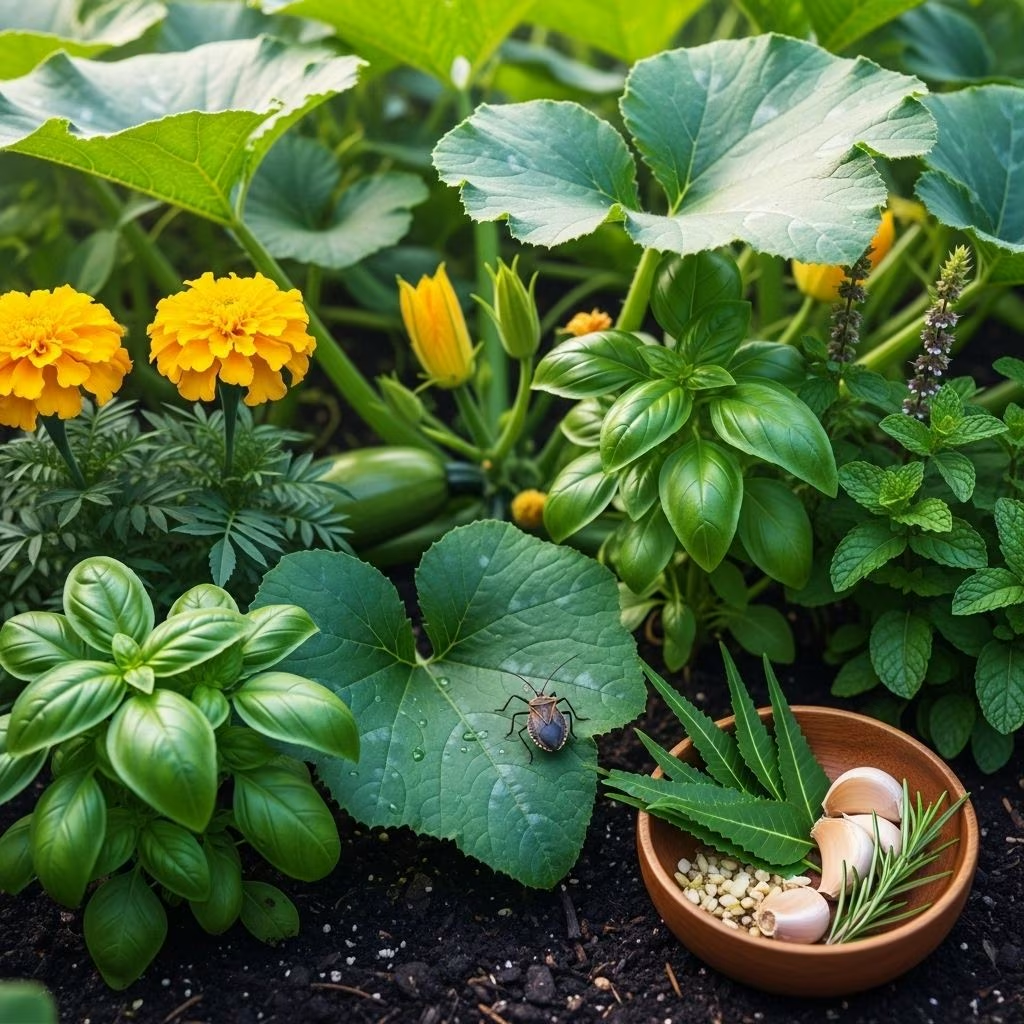
Squash Bug Repellent Plants & Remedies: An Organic Gardener’s Guide
Squash bugs are persistent pests that target squash, pumpkins, and cucumbers, causing plant wilt and crop loss. In organic gardening, effective management relies on a combination of repellent plants, companion planting, manual methods, and natural remedies. This comprehensive guide presents practical, nature-inspired squash bug solutions, detailing which plants repel or attract these insects and how to integrate them for optimal pest control.
Understanding Squash Bugs: Why They’re a Problem
Squash bugs (Anasa tristis) are sap-sucking insects that attack members of the cucurbit family, including squash, pumpkins, and melons. They inject toxins while feeding, which can cause plant wilting, yellowing, and eventual death. Additionally, squash bugs are known carriers of cucurbit yellow vine disease, compounding their impact on the garden. Their tough exoskeleton and unpleasant odor make them hard to manage, and adult squash bugs are highly mobile, making chemical-free control particularly challenging.
Proper identification is key: adults are brownish-gray, shield-shaped insects (~1.5cm long), while nymphs are smaller and gray. Eggs are bronze and laid on the undersides of leaves in neat clusters.
Physical & Cultural Controls for Squash Bugs
- Manual Removal: Inspect plants daily for squash bugs, nymphs, and eggs, especially the undersides of leaves. Squash adults and nymphs can be hand-picked and dropped into a container of soapy water to kill them.
- Egg Removal: Scrape eggs off leaves using a spoon or heavy-duty tape (such as duct or masking tape). Tape is gentle on leaves and gathers the eggs efficiently.
- Trellising: Train squash plants to grow vertically on lattice or trellis supports. This exposes squash bugs, making it harder for them to hide and easier for predators to locate them.
- Crop Rotation: Rotate squash and related crops with non-cucurbit plants each year to reduce pest and disease buildup in the soil.
- Trap Crops: Plant trap crops like blue Hubbard squash, which attract squash bugs away from your main squash varieties. Routinely inspect and destroy bugs on the trap crop to break pest cycles.
Companion Planting: Strategy for Squash Bug Repellence
Companion planting leverages certain plants’ natural properties to deter pests or support beneficial predator insects. It is a cornerstone of organic pest management and especially valuable for controlling squash bugs.
Plants That Repel Squash Bugs
- Marigold (Tagetes): The sharp scent of marigolds, especially French marigold, repels squash bugs and other common garden pests.
- Nasturtium: This vining flower acts as a general insect deterrent and pairs well with squashes in the garden.
- Mint: Strong aromatic oils in mint are unpleasant to squash bugs; plant liberally around squash beds but contain its roots to prevent invasiveness.
- Tansy: Tansy’s pungent scent deters squash bugs and many other destructive insects.
- Thyme: The aromatic foliage can discourage squash bugs; this low-growing herb also attracts beneficial insects.
- Dill and Oregano: Plant around squash to reduce pest infestations while attracting beneficial insects.
Benefits of Interplanting
- Increases plant diversity, making it harder for squash bugs to locate their preferred host.
- Provides nectar and habitat for natural squash bug predators.
- Improves overall soil and crop health through reduced chemical inputs.
Predator-Attracting Companion Plants
Encouraging biological control by attracting predatory insects helps reduce squash bug populations in a natural way. Several plants play crucial roles:
- Carrots, Dill, Parsley: Attract the feather-legged fly (Trichopoda pennipes), whose larvae parasitize adult squash bugs.
- Sunflowers: Draw in bigeyed bugs (Geocoris punctipes), which feed on squash bug eggs and larvae.
- Radishes: Their white flowers lure damsel bugs (Nabis spp.)—efficient predators of many garden pests, including squash bugs.
- Alfalfa, Clover, Fennel, Lavender: These increase the diversity and abundance of predatory insects in and near squash patches.
Classic Companion Planting: The Three Sisters Method
This method involves planting corn, beans, and squash together. Besides maximizing space and soil health, the variety of foliage and growth habits confuses insect pests, reducing squash bug infestations naturally.
How Squash Bug Trap Crops Work
Using trap crops is a targeted approach, concentrating squash bugs in one location so they can be managed efficiently. Blue Hubbard squash is especially effective as it is highly attractive to squash bugs and squash vine borers.
- Plant blue Hubbard seedlings roughly 2 weeks before your main squash crop so the trap crop is better established and more attractive.
- Position trap crops 3-8 feet away from your primary squash patch to avoid direct transfer of pests.
- Inspect trap crops routinely and manually destroy any pests found. This prevents reproduction and migration back to your primary crops.
- Never allow trap crop infestations to progress unchecked; otherwise, they may become a pest reservoir rather than a defense.
Herbal Remedies and Natural Sprays
Natural sprays and essential oils play a supportive role in managing squash bugs, especially in smaller gardens or for potted plants.
- Peppermint oil, citronella oil, eucalyptus oil, clove oil, rosemary oil: These essential oils can deter squash bugs when diluted in water and sprayed on plant foliage.
- Diy Essential Oil Spray: Mix 20–40 drops of chosen essential oil with water in a glass spray bottle. Shake well and mist around squash plants every few days, especially after rain.
- Neem Oil: Well-known for its insecticidal properties, neem oil can be used as a spray treatment. It is particularly effective for young nymphs; apply in the early morning or evening when beneficial insects are less active.
- Insecticidal Soap: This can help kill exposed squash bug nymphs. Spray directly on pests for best results, taking care to avoid coverage during midday sun to prevent leaf damage.
Biological Control: Beneficial Birds & Insects
- Chickens and Guinea Hens: Free-ranging poultry in the garden can consume squash bugs and other pests. Guinea hens are especially effective, eating not only squash bugs but also ticks and other garden nemeses.
- Feather-legged Fly & Bigeyed Bug: Encouraged by certain companion plantings, these natural predators help keep squash bug populations in check.
Prevention Practices For Squash Bug Management
- Timing: Plant squash later in the season, if possible, reducing overlap with peak squash bug emergence.
- Remove Plant Debris: Squash bugs overwinter in dead leaves and other garden debris. Cleaning up in the fall can dramatically reduce local populations.
- Resistant Varieties: Some squash cultivars (e.g., butternut squash) are less attractive to squash bugs than others. Planting resistant varieties can limit damage.
Organic Squash Bug Control: Step-by-Step Action Plan
- 1. Scout regularly: Inspect squash plants for adults, nymphs, and eggs from early sprouting through fruit production.
- 2. Remove bugs and eggs: Hand-pick adults and nymphs into soapy water. Remove eggs with tape or scraping.
- 3. Strengthen natural defenses: Incorporate repellent and predator-attracting companion plants as outlined above.
- 4. Use trap crops: Employ blue Hubbard squash or similar varieties to lure bugs away from main crops.
- 5. Apply herbal sprays: Use essential oil-based sprays and neem oil as supplementary treatments.
Frequently Asked Questions (FAQs)
Q: What time of year are squash bugs most active?
A: Squash bugs are most active from late spring through early fall, with adults emerging as temperatures rise and laying eggs during peak growing season.
Q: Which squash varieties are less likely to attract squash bugs?
A: Butternut squash and other varieties in the butternut family tend to be less attractive to squash bugs than acorn squash and some pumpkins.
Q: Is it safe to eat squash near repellent or trap plants?
A: Yes, companion planting with repellent or trap crops does not impact squash edibility and can enhance overall crop health.
Q: Can I use chemical pesticides for squash bugs?
A: Chemical pesticides are discouraged in organic gardens due to their impact on beneficial insects and overall ecosystem health. Stick to manual removal, companion planting, and natural sprays for best results.
Q: How do I attract beneficial insects to control squash bugs?
A: Plant diverse companion crops such as dill, carrots, parsley, radish, sunflowers, and clover. These provide resources for predatory insects like feather-legged flies, bigeyed bugs, and damsel bugs.
Table: Companion Plants for Squash Bug Control
| Plant | Benefit | Notes |
|---|---|---|
| Marigold | Repels squash bugs | Plant around squash beds |
| Mint | Repels insects | Contain roots; plant near squash |
| Dill | Attracts feather-legged fly | Helps parasitize squash bugs |
| Sunflower | Attracts bigeyed bug predator | Plant at borders |
| Nasturtium | Repels squash bugs & aphids | Suitable for interplanting |
| Radish | Attracts damsel bugs | Also serves as a trap crop |
| Tansy | Repels squash bugs | Can be invasive—monitor growth |
Organic Squash Bug Management: Key Takeaways
- Proactive companion planting with repellent herbs and beneficial-attracting flowers can dramatically decrease squash bug pressure.
- Utilize physical removal and trap cropping for persistent infestations.
- Herbal sprays and organic soap treatments provide added protection without harming beneficial species.
- Maintaining garden diversity supports long-term pest resilience.
- Squash bug management is most effective when integrating multiple strategies at once.
Further Resources
- Local Extension Offices: Offer region-specific advice and identification.
- Organic Gardening Books & Guides: For more detailed companion planting charts and organic pest management techniques.
- Online Gardening Forums: Share experiences and remedies with the broader gardening community.
References
- https://www.theseasonalhomestead.com/7-ways-to-get-rid-of-squash-bugs-naturally/
- https://www.carrotgal.com/squash-bugs/
- https://www.saferbrand.com/articles/how-to-kill-squash-bugs
- https://toxicfreenc.org/wp-content/uploads/2016/07/Squash-Bugs.pdf
- https://www.youtube.com/watch?v=TwSMLRxfhts
- https://www.gardentech.com/blog/pest-id-and-prevention/eliminate-squash-bugs-from-your-garden
- https://www.gardeningknowhow.com/plant-problems/pests/insects/squash-bug-companions.htm


