


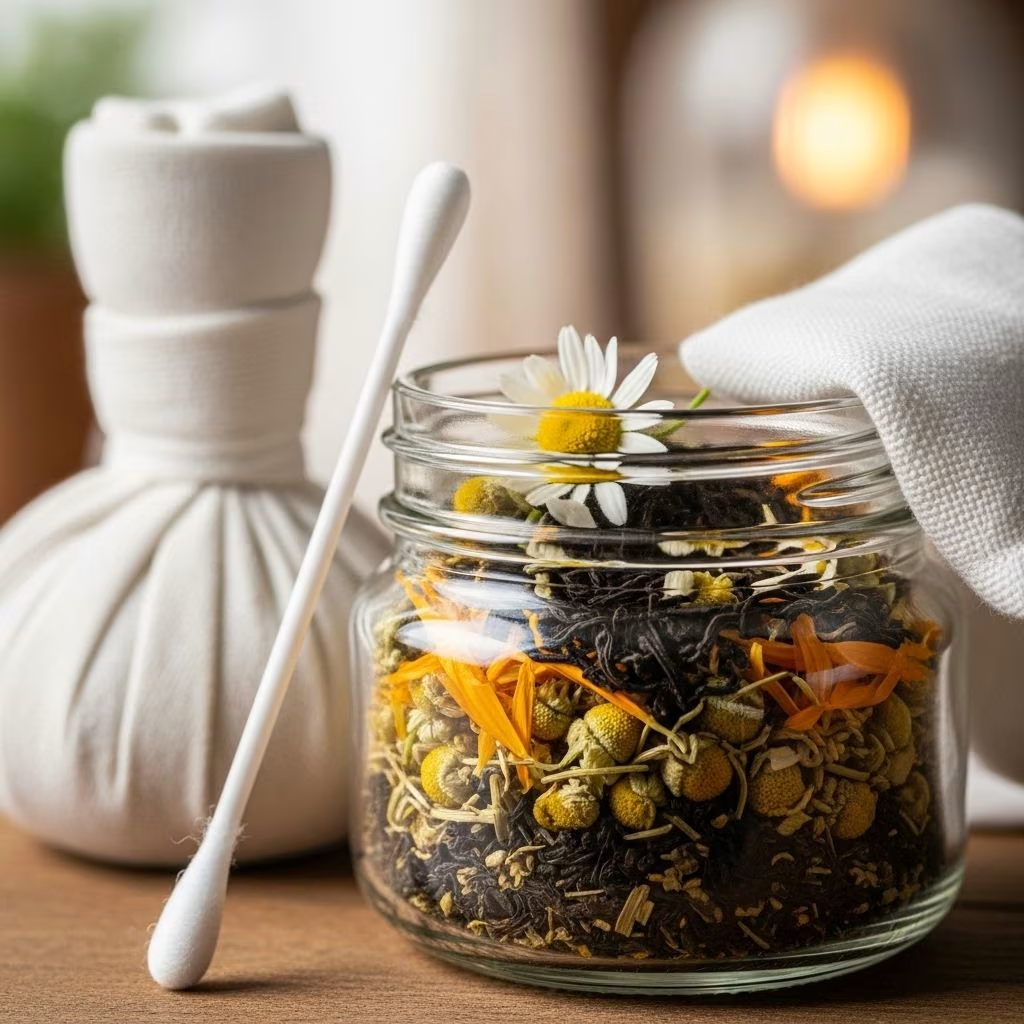
11 Effective Home Remedies for Styes: Safe Ways to Treat and Prevent Eye Styes
Styes—sometimes spelled as “sty”—are unsightly, uncomfortable bumps on the eyelid caused by a bacterial infection. Fortunately, most styes can be treated at home with simple remedies that ease discomfort and promote healing. This guide will walk you through effective, gentle home remedies to treat styes and share practical tips on preventing future breakouts.
What Is a Stye?
A stye is a small, red, painful bump that generally forms at the base of an eyelash or under the eyelid. This infection is most commonly caused by Staphylococcus bacteria and usually affects the oil glands near the eyelid margin. Styes may be external (on the outside edge of the eyelid) or internal (inside the eyelid) and are often swollen, tender, and filled with pus.
Common Symptoms of a Stye
- Red, swollen lump on the eyelid
- Pain or tenderness in the affected area
- Sensitivity to light
- Tearing or watery eyes
- Yellow spot at the center (indicating pus)
- Crusting around the eyelid
11 Proven Home Remedies for Treating Styes
Below are some of the safest and most effective home remedies, along with key instructions for each.
1. Warm Compress
Applying a warm compress is the most widely recommended and effective home remedy for styes.
- Soak a clean washcloth in warm (not hot) water and wring it out.
- Place the compress gently over your closed eyelid for 10 to 15 minutes.
- Repeat the process 3 to 5 times a day.
This remedy draws out the pus and encourages drainage, helping the stye heal faster by reducing pain and swelling.
2. Baby Shampoo Solution
Gentle cleansing keeps the eye area free from bacteria.
- Dilute a few drops of tear-free baby shampoo in warm water.
- Soak a cotton swab or pad in the solution and carefully clean your eyelids, focusing on the lash line.
- Rinse with clean water and pat dry.
This method removes debris, oil, and bacteria, minimizing reinfection risk without irritating the eyes.
3. Turmeric Eye Wash or Paste
Turmeric’s natural antiseptic and anti-inflammatory properties make it an effective remedy for styes.
- Mix 2 teaspoons of turmeric in 1 cup of warm water.
- Allow the mixture to settle, then strain several times until clear.
- Use the solution as an eye wash 2 to 3 times a day.
For a topical paste: Blend turmeric with a bit of castor oil. Apply the paste to the affected eyelid, leaving it on for 10–15 minutes. Rinse off thoroughly and repeat twice daily as needed.
4. Castor Oil Application
With natural anti-inflammatory properties, castor oil can help reduce swelling and speed up healing.
- Wash your hands thoroughly.
- Soak a clean cotton swab or cotton ball with a few drops of cold-pressed castor oil.
- Gently dab the oil onto the stye twice to three times a day.
5. Coriander Water
Coriander seeds are revered for their antibacterial and anti-inflammatory abilities.
- Boil 1–2 tablespoons of coriander seeds in 1 cup of water.
- Let the mixture cool for at least one hour.
- Strain the seeds and use the water to gently wash the affected eye.
Repeat daily until symptoms improve.
6. Milk Compress (with Optional Turmeric)
Warm milk soothes irritation and sometimes helps the stye to drain.
- Heat a small amount of milk until warm, not hot.
- Soak a clean cotton pad or ball in the milk and place it over the stye for several minutes.
- For added effectiveness, mix in ¼ to ½ teaspoon of turmeric.
- Leave on overnight if possible, then rinse thoroughly in the morning.
7. Apple Cider Vinegar (ACV) Compress or Drink
While ACV is not directly applied to the eye, it can be used as a gentle compress or consumed for its overall antibacterial properties.
- Mix 1 teaspoon ACV into 16 oz of warm water.
- Soak a clean cloth in the mixture and carefully apply it to the closed eyelid as a compress.
- Alternatively, drink the diluted ACV blend once a day for several days.
Always avoid direct contact of undiluted vinegar with your eyes.
8. Salt Water Solution
Salt is a natural cleanser and helps reduce infection.
- Dissolve ½ teaspoon of salt in a cup of warm water.
- Soak a clean cotton ball or pad in the saline solution, and gently dab the area around the stye.
Never use strong saline or rub your eye roughly, as this can cause irritation.
9. Gold Ring Rub
This popular folk remedy is rooted in tradition, though no scientific evidence confirms its effectiveness. Many swear by it for quick pain relief.
- Use a plain gold ring (at least 14K, clean and disinfected).
- Gently rub the ring over the closed eyelid with the stye for about 5 minutes, twice daily.
Do not use jewelry that may be dirty or cause irritation. If pain increases, stop immediately.
10. Raw Potato Poultice
The enzymes in raw potatoes are believed to naturally reduce swelling and soothe irritation.
- Wash and peel a fresh potato.
- Grate the potato, wrap it in a clean cotton cloth, and make a poultice.
- Apply gently to the closed eyelid for 10–15 minutes.
- Alternatively, place a thin raw slice of potato over the affected eyelid.
11. Tea Bag Compress
This remedy harnesses the antibacterial and anti-inflammatory effects of tea, especially black tea.
- Steep a black or green tea bag in boiling water for a few minutes.
- Let the tea bag cool until it is warm (not hot) and not dripping wet.
- Place the bag over the closed eyelid for 5 to 10 minutes.
- Dispose of the tea bag after each use; never reuse for hygiene reasons.
Repeat as often as needed for comfort and relief.
Preventing Styes: Good Habits and Hygiene Tips
Prevention is crucial, especially if you’re prone to frequent styes. These steps help maintain eyelid hygiene and avoid recurrences:
- Always wash your hands before touching your eyes, applying ointments, or putting in contacts.
- Remove makeup thoroughly every night and avoid sharing eye makeup or brushes.
- Clean eyelids regularly with a gentle cleanser or diluted baby shampoo.
- Change pillowcases frequently to minimize exposure to bacteria.
- Do not squeeze or pop styes; allow them to drain naturally.
- For children, remind them to avoid rubbing or touching their eyes and not to share towels, glasses, or makeup.
- If you wear contact lenses, disinfect and replace them as directed.
- If you suffer from underlying conditions (like pinkeye or rosacea), manage them with care to avoid spreading infection to eyelid glands.
- Protect your eyes from environmental irritants, dust, and debris using sunglasses and basic eye protection as needed.
When to Seek Medical Attention
- If your stye does not improve after a few days of home care
- If redness or swelling spreads to the eye or cheek
- If the stye becomes very painful
- If vision is affected
- If there is persistent bleeding or discharge
Some styes may require prescription ointments or oral antibiotics, so consult your healthcare provider if symptoms worsen or do not resolve.
Frequently Asked Questions (FAQs)
Q: Are styes contagious?
A: Styes themselves are not typically contagious, but the bacteria causing them can spread. Good hygiene minimizes risk.
Q: How long does a stye last?
A: Most styes heal within one to two weeks, especially with proper hygiene and supportive care.
Q: Can I wear contact lenses or eye makeup with a stye?
A: No. Avoid contact lenses and eye makeup until the stye completely heals to reduce the risk of further infection.
Q: Is it safe to pop or squeeze a stye?
A: Never pop or squeeze a stye, as this can spread infection and worsen inflammation. Allow it to drain on its own.
Q: What if my stye comes back?
A: Recurring styes may signal underlying eyelid inflammation or chronic blepharitis. Practice good eyelid hygiene and consult an eye care specialist if needed.
Summary Table: Home Remedies for Styes
| Remedy | How It Works | Frequency |
|---|---|---|
| Warm Compress | Draws out pus, reduces swelling, relieves pain | 3–5 times a day, 10–15 minutes/session |
| Baby Shampoo | Keeps eyelids clean, removes bacteria and oil | Once or twice daily |
| Turmeric Wash/Paste | Fights infection, reduces inflammation | Twice daily |
| Castor Oil | Soothes, reduces swelling | 2–3 times daily |
| Coriander Water | Cleanses and calms eye with antibacterial effects | Daily |
| Milk Compress | Soothes and encourages drainage | Once daily, overnight |
| Apple Cider Vinegar | Antibacterial, supports healing (compress or drink) | Once daily |
| Salt Water | Disinfects and cleans area | Once daily |
| Gold Ring Rub | Traditional relief; anecdotal support | Twice daily (if desired) |
| Raw Potato Poultice | Reduces swelling and soothes | Once or twice daily |
| Tea Bag Compress | Antibacterial, reduces inflammation | As needed, 5–10 min/session |
Sources
- TipHero.com: Remedies for Styes
- DrAxe.com: How to Get Rid of a Stye
- NextCare.com: Stye Relief & Home Treatment
References
- https://draxe.com/health/how-to-get-rid-of-a-stye/
- https://tiphero.com/remedies-for-styes
- https://nextcare.com/health-resources/home-remedies-for-stye-relief/
- https://www.youtube.com/watch?v=3Mh1m_sdREM
- https://www.healthpartners.com/blog/stye-symptoms-causes-treatment/
- https://stonecanyoneyecare.com/838693-video-st-george-utah-eye-doctor-explains-how-to-get-rid-of-a-stye-fast-at-home-treatments/
- https://heliooptometry.ca/blog/how-to-get-rid-of-a-stye-fast
- https://my.clevelandclinic.org/health/diseases/17658-stye
- https://www.mayoclinic.org/diseases-conditions/sty/diagnosis-treatment/drc-20378022


