


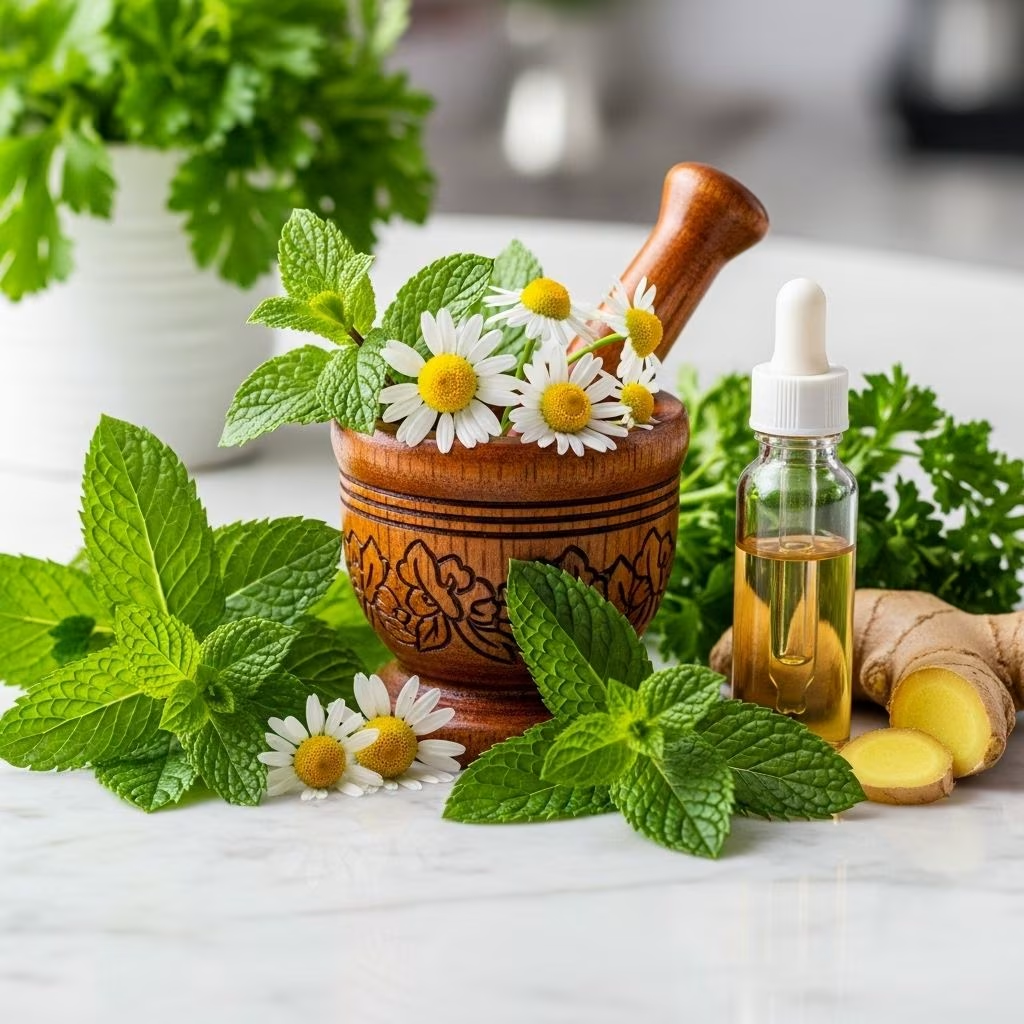
Herbs for Heartburn: Natural Remedies for Immediate Relief
Heartburn—often described as a burning sensation behind the breastbone—commonly results from acid reflux. While pharmaceutical solutions exist, many people prefer natural alternatives. This comprehensive guide explores herbal remedies and lifestyle adjustments to quickly and safely relieve heartburn and soothe digestive discomfort.
Understanding Heartburn & Acid Reflux
Heartburn occurs when stomach acid backs up into the esophagus, leading to irritation and a burning feeling. It frequently follows large or spicy meals, but other triggers—such as alcohol, caffeine, stress, or lying down after eating—can also contribute. Persistent heartburn, especially several times per week, may indicate gastroesophageal reflux disease (GERD), which warrants medical attention.
Why Choose Natural Remedies?
- Conventional medicines (like antacids or H2 blockers) can cause side effects or interact with other treatments.
- Herbal remedies often offer gentler relief and may improve digestive health overall.
- Many herbs are safe when used appropriately and can be integrated into daily routines.
- Some people may prefer natural options for long-term symptom control and overall well-being.
Top Herbs for Heartburn Relief
Below, the most widely used herbs and natural substances for heartburn are examined, including their benefits, precautions, and forms of use.
1. Chamomile
Chamomile tea is renowned for soothing digestive distress, including heartburn. Traditionally, it helps calm the muscles of the gastrointestinal tract and reduces inflammation. However, individuals with ragweed allergies should avoid chamomile, as it may trigger allergic reactions.
- Brew 1 teaspoon of dried chamomile flowers in hot water; steep for 5–10 minutes and drink warm.
- Beneficial for relaxation, reducing overall stress-related digestive issues.
- Should be used cautiously by those with known allergies.
2. Ginger
Ginger root boasts a long history in Asian and Chinese medicine for alleviating nausea and digestive upset. Small doses of ginger—such as tea or chews—may help with heartburn by enhancing digestion and reducing inflammation.
- Uses: Fresh ginger tea, ginger candies, or incorporating grated ginger into food.
- Precaution: Excessive ginger can sometimes worsen heartburn; stick to modest servings.
3. Licorice
Licorice root increases the mucus coating of the esophageal lining, helping to shield against acidic irritation. Deglycyrrhizinated licorice (DGL) is preferred to avoid side effects related to regular licorice, such as elevated blood pressure.
- DGL is available in chewable tablets and liquid extracts.
- Effective in studies for heartburn management versus antacids.
- Avoid excessive or extended use. Consult your doctor if using with medications.
4. Fennel
Fennel seeds are a traditional remedy to aid digestion and curb heartburn. They can relax gastrointestinal muscles and decrease stomach acidity.
- Chew fennel seeds after meals or brew fennel tea.
- Pleasant, slightly sweet flavor; also used for bloating and gas.
5. Marshmallow Root
Marshmallow root forms a soothing coating that can reduce irritation in both the throat and esophagus. Its mucilaginous properties help dampen the burn of acid reflux.
- Make marshmallow root tea: Use 1–2 teaspoons of dried root steeped in warm water.
- Often used in combination with other digestive herbs.
6. Slippery Elm
Slippery elm bark contains mucilage, a gel-like substance that coats the digestive tract. This protective layer can relieve discomfort caused by acidic irritation.
- Available as lozenges, capsules, and powders for tea.
- Commonly used to support throat and esophageal health.
7. Aloe Vera
Aloe vera juice (specifically prepared for ingestion) may alleviate heartburn by soothing the lining of the digestive tract and decreasing inflammation.
- Drink small quantities (about ½ cup) of aloe vera juice before meals.
- Do not use aloe latex (the yellowish part), which can cause cramps and diarrhea.
8. Catnip, Caraway, Lemon Balm, Milk Thistle & Others
Some herbal blends, such as Iberogast, combine multiple herbs (angelica, caraway, chamomile, licorice, lemon balm, milk thistle, and more) with anecdotal and limited scientific support for heartburn relief. Some ingredients, like peppermint, can worsen heartburn for certain users—individual tolerance varies.
- Angelica, caraway, and lemon balm: mild digestive soothers.
- Milk thistle: supports liver health alongside digestive benefits.
- Peppermint: may worsen heartburn; avoid with GERD.
Other Natural Methods & Supplements
Beyond herbs, several foods and lifestyle strategies can quickly relieve heartburn symptoms:
- Baking Soda: Neutralizes stomach acid. Mix 1 teaspoon in a glass of water. Use occasionally, not regularly.
- Calcium: Found in many antacids, calcium naturally buffers stomach acid.
- Chewing Gum: Increases saliva, which may dilute and wash away acid. Opt for sugar-free and avoid mint flavors if sensitive.
- Apple Cider Vinegar: Dilute 1 teaspoon in water before meals for some relief; individual response varies.
- Alkaline Water: Drinking water with a pH of 9–9.5 can help neutralize stomach acid.
- Mustard & Banana: Anecdotal remedies that may buffer or soothe the digestive tract in some individuals.
How to Use Herbal Remedies Safely
Herbal products aren’t regulated as strictly as pharmaceuticals. For safe and effective use, follow these guidelines:
- Consult your healthcare provider before starting a new remedy, especially if you take medication, have allergies, or are pregnant.
- Source herbs and supplements from reputable brands to ensure purity and potency.
- Use recommended dosages only—excess can cause side effects or interactions.
- Monitor your body’s response. Discontinue use if symptoms worsen or new side effects appear.
- Be cautious with products that blend multiple herbs; ingredient effects and tolerances can vary.
Lifestyle and Dietary Strategies to Prevent Heartburn
Complement herbal remedies with healthy habits to reduce heartburn episodes:
- Track food triggers—spicy, fatty, fried, and acidic foods may provoke symptoms.
- Avoid lying down or bending over right after meals.
- Eat slowly and avoid overeating at meals.
- Wear loose-fitting clothing to avoid abdominal pressure.
- Elevate the head and upper body when sleeping or resting.
- Avoid alcohol, caffeine, and carbonated drinks if they trigger burning sensations.
- Maintain a healthy weight; excess weight increases abdominal pressure.
Table: Popular Herbs & Natural Remedies for Heartburn Relief
| Herb/Remedy | How It Works | Precautions | Recommended Use |
|---|---|---|---|
| Chamomile | Soothes digestive tract, anti-inflammatory | Avoid if allergic to ragweed | Brew as tea, 1–2 times daily |
| Ginger | Reduces nausea, supports digestion | Excess may worsen heartburn | Tea, chews, or food |
| Licorice (DGL) | Increases protective mucus lining | May affect blood pressure; use DGL | Chewable tablets or capsules |
| Fennel | Relaxes GI tract | Rare allergy risk | Chew seeds or drink tea |
| Marshmallow Root | Coats esophagus, reduces irritation | May interact with some drugs | Tea or extract |
| Aloe Vera Juice | Soothes digestive lining | Avoid aloe latex; possible gut upset | Drink small amount before meals |
| Slippery Elm | Forms mucilage coating | May alter medicine absorption | Tea, lozenges, capsules |
| Iberogast Blend | Multiple digestive herbs | Peppermint may worsen symptoms | Liquid drops |
When to See a Doctor
If you experience heartburn more than twice per week, supplement use does not help, or symptoms persist for several weeks, consult your healthcare provider. Possible complications include inflammation, strictures, and—in rare cases—esophageal cancer. Proper medical evaluation is essential for chronic or severe symptoms.
Frequently Asked Questions (FAQs)
Q: Which herb works best for immediate heartburn relief?
A: No single herb works for everyone, but chamomile, ginger, and DGL licorice have the most evidence for rapid symptom reduction. Effects vary based on individual sensitivities and dose.
Q: Are herbal remedies for heartburn safe?
A: Most herbs are generally safe when used as directed. However, some (like regular licorice or peppermint) may cause side effects or worsen symptoms in sensitive individuals. Always consult your doctor, especially with chronic or medication-controlled conditions.
Q: Can I use these remedies every day?
A: Use herbs and supplements as needed, but avoid daily, prolonged use unless approved by your doctor. Overuse can lead to unwanted side effects or health risks.
Q: Can diet and lifestyle changes replace herbal remedies?
A: While herbal remedies can relieve acute discomfort, prevention via diet and lifestyle is crucial for long-term management. Track your triggers, avoid overeating, and prioritize healthy habits alongside herbal options.
Q: Are these remedies suitable for pregnant women?
A: Some herbs may not be recommended in pregnancy due to potential effects on fetal development—consult your healthcare provider before using heartburn remedies if you are pregnant or breastfeeding.
Conclusion
Herbal remedies offer gentle, practical ways to manage heartburn and acid reflux for many individuals. Evidence supports herbs such as chamomile, ginger, and DGL licorice as effective for immediate relief. Complementing these with lifestyle changes and preventive strategies maximizes comfort and long-term digestive health. Above all, approach herbal approaches thoughtfully, source quality products, and seek professional guidance for persistent or severe symptoms.
References
- https://www.health.harvard.edu/diseases-and-conditions/herbal-remedies-for-heartburn
- https://www.healthline.com/health/gerd/heartburn-relief
- https://www.webmd.com/heartburn-gerd/home-heartburn-remedies-natural-remedies-heartburn
- https://thocc.org/about/news-press/news-detail?articleId=52210&publicid=395
- https://www.franciscanhealth.org/community/blog/home-remedies-for-heartburn
- https://www.bswhealth.com/blog/7-natural-remedies-for-acid-reflux
- https://www.pepcid.com/understanding-heartburn/home-remedies-for-heartburn
- https://www.houstonmethodist.org/blog/articles/2021/dec/home-remedies-for-heartburn-10-ways-to-get-rid-of-acid-reflux/
- https://www.mayoclinic.org/diseases-conditions/heartburn/diagnosis-treatment/drc-20373229


