


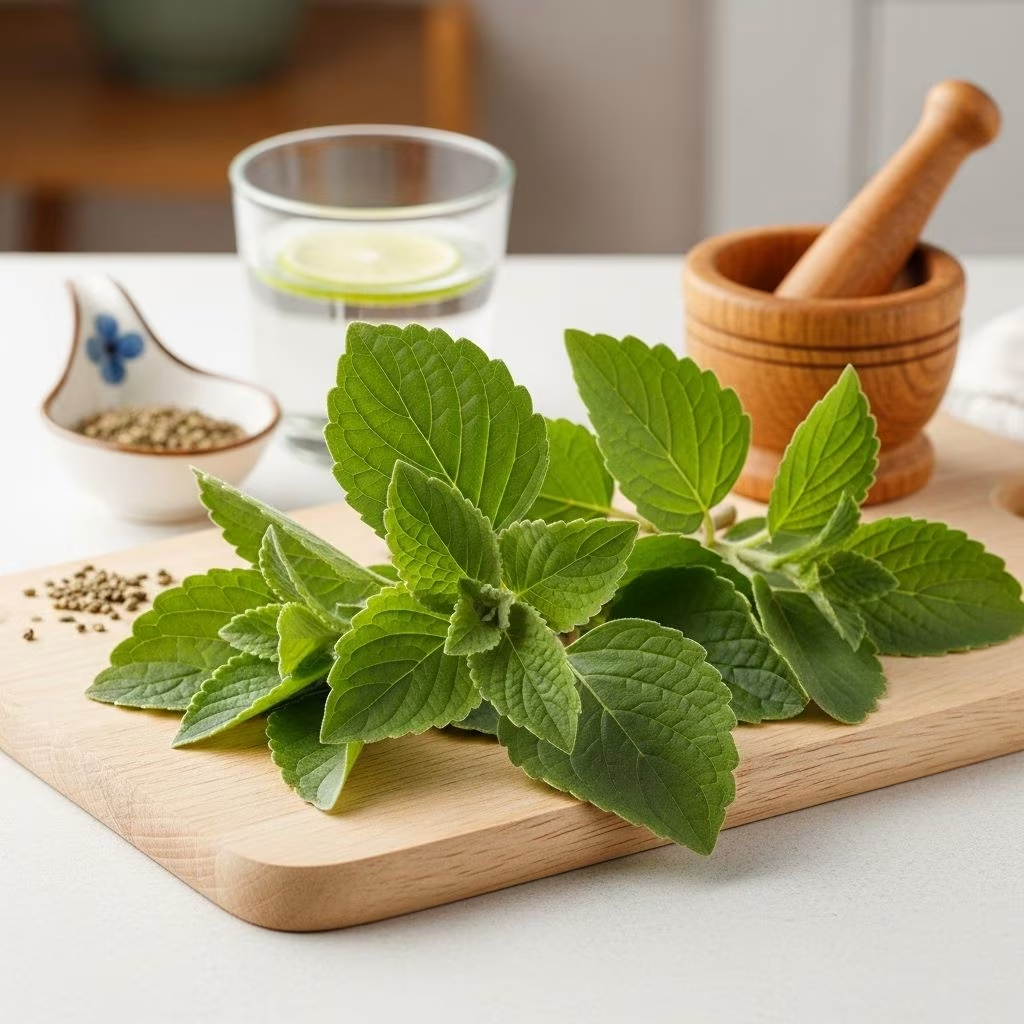
Indian Borage (Plectranthus amboinicus), also known as Country Borage, Mexican Mint, or Spanish Thyme, is a robust perennial herb cherished around the world for its impressive health benefits, aromatic culinary uses, and traditional medicinal value. This evergreen plant is celebrated in Ayurveda and folk remedies as a household wonder—a true ‘mother’s cure’ for common ailments, while its distinctive aroma and flavor continue to inspire chefs and herbalists alike.
Introduction to Indian Borage
Indian Borage is more than just an ordinary garden herb; it’s an integral part of traditional healing systems across Asia and Africa. Long used in Ayurvedic medicine for its multifaceted healing properties, it is gaining modern recognition for its antioxidant, anti-inflammatory, and antimicrobial activities. The plant’s leaves—juicy, aromatic, and highly flavorful—serve as a vital ingredient in household remedies, teas, and a host of culinary specialties.
Names and Nomenclature
This versatile plant is known by different names across India and beyond, reflecting its widespread appeal:
- Botanical name: Plectranthus amboinicus
- Common English names: Indian Borage, Country Borage, Mexican Mint, Spanish Thyme, Cuban Oregano
- Hindi: Patta ajwain, Patherchur
- Tamil: Karpooravalli, Kurputvallai
- Kannada: Doddapatre, Sambranisoppu
- Malayalam: Panikoorka
- Bengali: Pathar
- Telugu: Sugandavallekam, Karuvacruvallai
- Sanskrit synonyms (medicinal traditions): Andhaka, Adhoh Mukha, Amara pushpika, Dhenujihva, Ramalu, Shata Pushpa
Botanical Description and Habitat
Indian Borage is a succulent, perennial herb belonging to the Lamiaceae (mint) family. Native to Southern and Eastern Africa, it now thrives in home gardens and wild landscapes throughout India, South-East Asia, and tropical climates worldwide.
- Growth Habit: Sprawling, bushy plant, typically 1–2 feet tall in cultivation but can grow taller in the wild
- Leaves: Thick, fleshy, oval-to-heart-shaped, with scalloped edges and fine hairs; strongly aromatic when crushed
- Stems: Soft, succulent, and green to purple; become woody with age
- Flowers: Small, tubular, bluish-white or purple-tinged, blooming seasonally
- Preferred Environment: Sunny locations, well-drained soils; drought-tolerant; tolerates some shade
Distribution and Growing Conditions
- Widespread in gardens, along roadsides, riverbanks, and rocky slopes
- Tolerates loamy or sandy soils but grows best in fertile, well-drained areas
- Hardy and invasive when unmanaged; requires minimal care
Nutritional and Phytochemical Profile
Indian Borage is not just a medicinal powerhouse but also a nutrient-rich addition to the diet. The leaves and stems contain a spectrum of vital nutrients and bioactive compounds:
- Macronutrients: Dietary fiber, carbohydrates, proteins, healthy fats
- Vitamins: High in Vitamin C (ascorbic acid), Vitamin A, some B vitamins
- Minerals: Calcium, zinc, potassium, magnesium, iron
- Phytochemicals: Flavonoids, phenols, eicosanoids, oleic acid
The rich phytochemical content accounts for much of Indian Borage’s therapeutic value, including its strong aroma, pungent flavor, and ability to protect against infections, oxidative stress, and inflammation.
Health Benefits of Indian Borage
Indian Borage has been revered in folk medicine for generations thanks to its broad spectrum of health-enhancing effects. Some of its most recognized health benefits include:
- Relief from Respiratory Illnesses: Acts as an expectorant and decongestant, soothing coughs, sore throats, and stuffy noses. The leaves are commonly chewed or brewed as tea to clear sinuses and respiratory passages.
- Anti-inflammatory and Analgesic Effects: Reduces swelling and pain in joints, making it a popular remedy for arthritis and muscular aches.
- Antimicrobial Activity: Possesses anti-bacterial, anti-fungal, and anti-viral properties, useful for minor wounds, cuts, and skin infections.
- Digestive Aid: Eases indigestion, improves appetite, and soothes bloating and cramps. Traditionally used for irritable bowel syndrome (IBS) and dyspepsia.
- Supports Urinary and Renal Health: Acts as a diuretic, aiding in flushing out toxins and managing kidney stones (renal calculi).
- Stress and Anxiety Relief: Traditions cite its ability to promote relaxation and alleviate nervous stress.
- Skin Care: Accelerates wound-healing, calms burns, and supports overall skin integrity.
- Immunity Booster: Its antioxidants and phytonutrients enhance natural defenses against infections.
Therapeutic and Medicinal Uses
The plant’s medicinal properties are harnessed in a myriad of traditional and modern remedies. In Ayurveda, Indian Borage is classified by its health actions:
| Traditional Action | Explanation / Effect |
|---|---|
| Vata-Kapha Shamana | Balances the Vata and Kapha doshas (body energies) — helpful for colds, coughs, and respiratory discomfort |
| Rasa (Taste) | Pungent (Katu) and slightly bitter (Tikta) |
| Veerya (Potency) | Hot (Ushna) — stimulates metabolism and circulation |
| Karma (Actions) | Antimicrobial, anti-inflammatory, analgesic, antioxidant, expectorant, diuretic |
Part Used: Primarily the leaves, which may be used fresh, dried, or as an extracted juice or essential oil.
Traditional applications include:
- Treating cough, cold, sore throat, bronchitis, and asthma
- Reducing fever and body aches
- Easing digestive troubles and boosting appetite
- Calming intestinal worms (vermifuge effect)
- Alleviating skin irritations, minor burns, and insect bites
- Managing pain and inflammation from arthritis and muscle injuries
Culinary Uses and Preparation Methods
Indian Borage is as valuable in the kitchen as it is in the medicine chest. Its leaves deliver a distinct flavor—often described as a blend of oregano, thyme, and ajwain (carom)—making it an excellent aromatic herb in many cuisines.
- Seasoning and Garnish: Young, tender leaves may be finely chopped and added to soups, chutneys, stir-fries, and marinades for a pungent, herbal zest.
- Herbal Tea: Fresh leaves steeped in hot water with honey and lemon make a soothing tea, commonly used for coughs and colds.
- Spiced Oils: Infuse cooking oils with Indian Borage leaves to impart fragrance and flavor.
- Medicinal Preparations: The leaf juice is mixed with honey, ginger, or warm water to treat sore throats and nasal congestion.
- Traditional Dishes: Used in South Indian and Indo-Caribbean recipes for chutneys, fritters, and as a stuffing for breads.
Its robust flavor is potent—use sparingly until accustomed.
Taste and Aroma Profile
Indian Borage boasts a memorable sensory profile:
- Taste: Strongly pungent, slightly bitter, and cooling on the palate. The flavor resembles a cross between oregano, ajwain (carom seed), and thyme—with subtle minty undertones.
- Aroma: Intensely fresh, herbal, and camphoraceous—instantly noticeable when leaves are crushed or bruised.
This makes Indian Borage an ideal choice for both culinary daring and therapeutic teas.
Potential Side Effects and Precautions
- Generally safe in culinary and medicinal amounts. However, excessive intake may cause digestive upset (nausea, loose stools) due to its potent essential oils.
- Skin sensitivity may arise when raw, crushed leaves are applied for prolonged periods. Always patch-test on a small area first.
- Pregnant and breastfeeding women should consult healthcare providers before heavy use.
- Rare allergic reactions are possible; discontinue use if unusual symptoms occur.
Growing and Caring for Indian Borage
Indian Borage is remarkably easy to cultivate for gardeners of any skill level:
- Propagation: From stem cuttings or young shoots, which root quickly in moist soil
- Soil and Water: Prefers well-drained, fertile loams but tolerates sandy or rocky conditions; drought-resistant
- Sunlight: Thrives best in partial shade to full sun
- Maintenance: Minimal care; regular pruning encourages bushier growth and prevents legginess
- Container Growing: Ideal for kitchen gardens and balcony planters; keep indoors in cold climates
Frequently Asked Questions (FAQs)
Q: What makes Indian Borage different from regular borage or oregano?
A: Indian Borage (Plectranthus amboinicus) is unrelated to European borage (Borago officinalis) and differs from oregano and ajwain, though its flavor overlaps with these herbs. Its thick leaves and robust, camphorous aroma are distinctive.
Q: How can Indian Borage be used to soothe a cough?
A: Chewing fresh leaves or brewing them in tea relieves coughs, sore throats, and congestion due to its expectorant and soothing phytochemicals.
Q: Can Indian Borage be consumed daily?
A: Yes, in moderate culinary or tea amounts; however, high medicinal doses should be supervised by an expert to avoid adverse effects.
Q: What are the traditional recipes using Indian Borage?
A: Popular recipes include herbal teas, chutneys, stir-fried greens, fritters (pakoras), and as a flavoring in rasams and dals.
Q: Where can I find Indian Borage plants?
A: Available at most nurseries specializing in herbs, online plant retailers, or by requesting cuttings from neighbors in tropical or subtropical regions.
Conclusion
Indian Borage is a time-honored herbal ally whose value spans the kitchen, the home remedy box, and the wellness regimen. Combining modern scientific validation and centuries of traditional knowledge, it offers robust, reliable benefits for breathing easy, digesting well, calming the nerves, and enlivening dishes with a punch of wholesome flavor. Easy to grow and delightful to use, Indian Borage earns its reputation as a must-have for homes embracing natural health and vibrant living.
References
- https://www.planetayurveda.com/library/borage-borago-officinalis/
- https://www.thepharmajournal.com/archives/2022/vol11issue6/PartA/11-6-128-505.pdf
- https://www.planetayurveda.com/library/indian-borage-plectranthus-amboinicus/
- https://www.potsandpans.in/blogs/articles/indian-borage-health-benefits-uses-and-important-facts
- https://en.wikipedia.org/wiki/Borage
- https://herbalramble.wordpress.com/2016/11/29/medicine-in-the-garden-plectranthus-amboinicus/
- https://specialtyproduce.com/produce/Borage_Leaves_11921.php
- https://www.britannica.com/plant/borage
- https://www.gardeningknowhow.com/edible/herbs/borage/borage-herb.htm


