


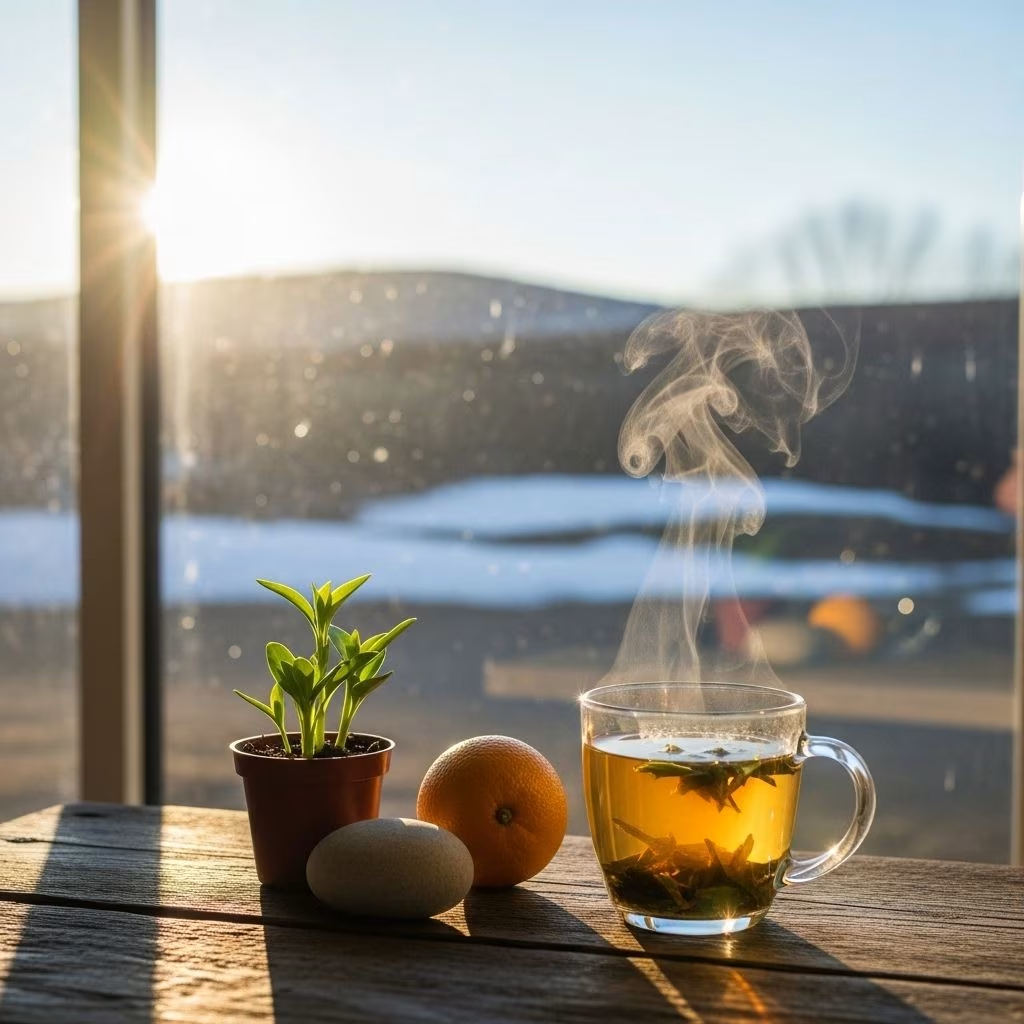
Natural Remedies for Seasonal Depression
When daylight shrinks and temperatures drop, many people experience a downturn in mood and energy known as seasonal depression, or more formally, Seasonal Affective Disorder (SAD). Unlike a mild case of the winter blues, SAD is a form of clinical depression with profound and sometimes debilitating effects. Fortunately, a variety of natural remedies and self-care strategies have proven helpful for easing symptoms and enhancing well-being during the gloomy months.
Understanding Seasonal Affective Disorder (SAD)
Seasonal Affective Disorder is a depressive condition that recurs annually, most commonly during late fall and winter when sunlight is limited. Symptoms typically worsen in January and February and often ease as spring brings longer days. While anyone can be affected, women and adolescents are at increased risk. Even people who do not meet the full criteria for SAD may struggle with milder, but still distressing, seasonal mood changes.
- Symptoms include low mood, lethargy, excessive sleep, carbohydrate cravings, social withdrawal, irritability, and difficulty concentrating.
- SAD is believed to be triggered by disruptions to the body’s circadian rhythm caused by diminished light exposure, which affects key hormones such as melatonin and serotonin.
- Persistent darkness increases melatonin production (making you sleepy), while lack of sunlight reduces serotonin (which stabilizes mood).
The Role of Light in SAD
Reduced sunlight is central to the development of SAD. Our brains rely on natural light to regulate the sleep-wake cycle, hormone levels, and neurotransmitter balance.
| Factor | Winter Pattern | Contributing Role |
|---|---|---|
| Sunlight exposure | Low | Disrupts circadian rhythm |
| Melatonin | High production | Causes sleepiness and lethargy |
| Serotonin | Low synthesis | Leads to depressed mood |
Lifestyle and Natural Remedies for Seasonal Depression
While severe SAD may require clinical intervention, many people greatly benefit from incorporating these natural approaches into their daily routine. These evidence-backed strategies support mood, energy, and resilience throughout the darkest months.
Light Therapy
Light therapy is considered the gold standard among natural interventions for SAD. This technique involves exposure to bright artificial light, which mimics natural sunlight and helps reset your body clock. The primary tool is a specially designed light box.
- Use a light box delivering 10,000 lux of light (while blocking harmful UV rays) for 20–30 minutes every morning.
- Benefits often appear within a week of daily use.
- Consistency is crucial: Start at the first sign of symptoms and continue through early spring.
- Sit at the proper distance as recommended (usually about 16–24 inches from the device).
- Mild side effects, such as headache or eye strain, may occur but often resolve.
Consult a healthcare provider before starting, especially if you have eye conditions or bipolar disorder.
Maximize Exposure to Natural Light
- Spend time outdoors daily, even on cloudy days—daylight is always more intense than indoor lighting.
- Take walks during your lunch break or shortly after sunrise.
- Keep curtains and blinds open; arrange work and living spaces near large windows.
- If practical, move your daily workouts outdoors for an added mood boost.
Vitamin D Supplementation
Known as the “sunshine vitamin,” Vitamin D is synthesized by the skin in response to sunlight. Low vitamin D levels are common in winter and are linked to increased risk of depression and low mood.
- Ask your doctor to test your blood vitamin D levels—a supplement may be advised, especially if you are deficient.
- Vitamin D3 is the preferred form; doses vary but often range from 600–2000 IU/day for adults.
- Alongside supplementation, eat vitamin D–rich foods such as salmon, sardines, eggs, and fortified products.
Exercise and Physical Activity
Regular exercise is one of the simplest and most reliable mood enhancers available. It increases serotonin, endorphins, and overall brain health.
- Even moderate activities such as brisk walking, yoga, or cycling can dramatically improve symptoms.
- Strive for consistency: daily movement, even as short as 30 minutes, can be more effective than sporadic longer sessions.
- Group classes, team sports, and outdoor activities enhance motivation and foster social connections.
Nutrition and Diet
What you eat influences your mood and energy. Focus on a balanced, nutrient-dense diet:
- Emphasize whole grains, fruits, vegetables, and lean proteins.
- Include foods rich in omega-3 fatty acids (salmon, walnuts, flaxseeds) to support brain chemistry.
- Limit sugary foods and refined carbs, which can trigger energy crashes and worsen cravings.
- Consider adding probiotic-rich foods (yogurt, kimchi) for gut health, which is increasingly linked to mental health.
Sleep Hygiene
Proper sleep is vital for mental health, but SAD often disrupts sleep-wake cycles. Good sleep hygiene strategies include:
- Keep consistent wake and sleep times, even on weekends.
- Avoid screens and bright artificial light in the evening.
- Reserve the bedroom for sleep—limit work or technology use in bed.
- Try relaxing bedtime rituals, such as reading or meditation.
Mindfulness, Meditation, and Relaxation
Mindfulness practices, such as meditation, yoga, and deep breathing, can relieve stress, reduce rumination, and enhance well-being.
- Practice mindful meditation daily, even if just for 5–10 minutes.
- Yoga and tai chi combine gentle movement with breathing to support both mood and physical health.
- Apps and online videos can guide practices at home.
St. John’s Wort and Herbal Remedies
The herbal antidepressant St. John’s Wort has shown some promise for depression but remains controversial for SAD specifically. Use with caution.
- Evidence for its benefit in SAD is limited and preliminary.
- Warning: Combining St. John’s Wort with light therapy or sunlight may increase sensitivity to light and risk for skin and eye damage.
- Always consult with a healthcare professional before starting herbal remedies, especially if you use other medications.
Other herbs under investigation for mood support (with less evidence) include saffron and rhodiola.
Social Connections and Support
Social withdrawal is a hallmark of seasonal depression. Maintaining healthy social connections is essential for recovery and resilience.
- Stay engaged in clubs, classes, or group activities.
- Schedule routine contact with supportive friends or family.
- Consider group therapy or peer support groups.
Cognitive and Behavioral Techniques
Cognitive Behavioral Therapy (CBT) is effective for depression and is increasingly used for SAD. It helps you identify and change negative thought patterns and behaviors.
- Try journaling to track negative thoughts and identify triggers.
- Challenge negative self-talk with more realistic, compassionate perspectives.
- Work with a mental health professional if symptoms persist or worsen.
Additional Alternative Approaches
- Negative ion therapy: Devices that release negative ions (similar to those found by waterfalls or after storms) may have modest benefits, according to two preliminary controlled studies. More research is needed.
- Aromatherapy: Some people find essential oils (lavender, citrus) uplifting, though research is limited.
- Routine: Keeping to consistent schedules for sleep, meals, exercise, and outdoor time supports circadian health and mood stability.
Frequently Asked Questions (FAQs)
What is the difference between SAD and the winter blues?
SAD is a clinical depressive disorder impairing daily life, while the winter blues are less severe and may cause occasional low mood but not true dysfunction.
How effective is light therapy compared to medication?
For many with SAD, light therapy is as effective as antidepressants and often works faster when used consistently in the morning. However, severe or unresponsive cases may require combined approaches or medical supervision.
Can diet alone cure seasonal depression?
While a healthy, well-balanced diet supports brain health and may improve symptoms, it is not a cure for SAD. Optimal management combines multiple lifestyle strategies along with professional support if needed.
Is it possible to prevent SAD from returning every year?
Early intervention, such as starting light therapy or vitamin D before symptoms appear, can reduce severity. Embedding lifestyle habits around light exposure, socializing, exercise, and sleep can also decrease recurrence.
Is St. John’s Wort safe for everyone?
No. It interacts with many medications and can cause photosensitivity, especially if combined with light therapy. Always check with your healthcare provider before use.
When to Seek Professional Help
While natural remedies can significantly ease mild to moderate symptoms, severe depression or ongoing impairment requires professional evaluation. Contact a mental health provider if you experience:
- Suicidal thoughts or hopelessness
- Significant changes in appetite or weight
- Persistent insomnia or oversleeping
- Inability to function at work, school, or in relationships
Early treatment improves outcomes and minimizes long-term effects.
Summary Table: Natural Strategies for Seasonal Depression
| Remedy | Key Benefit | Precautions |
|---|---|---|
| Light Therapy | Resets circadian rhythm, boosts mood | Eye strain, headache; use UV-filtered devices |
| Vitamin D | Addresses deficiency, supports mood | Monitor levels; avoid excessive dosing |
| Exercise | Elevates endorphins, reduces stress | Start slowly if new to activity |
| Nutritious Diet | Stabilizes energy, enhances brain health | Limit processed foods, sugars |
| Mindfulness | Reduces rumination, promotes calm | Use guided practices if new |
| St. John’s Wort | Herbal antidepressant effects | Serious drug interactions, sun sensitivity |
| Routine & Sleep Hygiene | Stabilizes mood, supports circadian health | Practice consistency |
| Social Connection | Reduces isolation, builds resilience | Seek support if struggling to engage |
| Negative Ion Therapy | Improves mood (preliminary evidence) | Limited research |
Practical Tips: Daily Habits to Ease Seasonal Depression
- Wake up and go to bed at the same times, even on weekends.
- Take a mid-morning walk outdoors; aim for 20–30 minutes of exposure to daylight.
- Include a daily exercise routine, such as stretching, walking, or yoga.
- Fix three well-balanced meals per day, full of colorful vegetables and whole grains.
- Prioritize social activities; schedule calls or outings in advance.
- Use relaxation techniques before bed to enhance sleep quality.
By weaving together these strategies—rooted in light, movement, nourishment, connection, and mindfulness—you can effectively manage the symptoms of seasonal depression and restore balance through the winter months.
References
- https://www.ebsco.com/research-starters/complementary-and-alternative-medicine/natural-treatments-seasonal-affective
- https://draxe.com/health/seasonal-affective-disorder/
- https://health.calm.com/resources/blog/seasonal-depression-what-it-is-and-how-to-overcome-it/
- https://www.news-medical.net/health/Natural-Remedies-for-Seasonal-Affective-Disorder-(SAD).aspx
- https://www.nimh.nih.gov/health/publications/seasonal-affective-disorder
- https://www.nhs.uk/mental-health/conditions/seasonal-affective-disorder-sad/treatment/
- https://www.cuimc.columbia.edu/news/how-fight-seasonal-depression


