


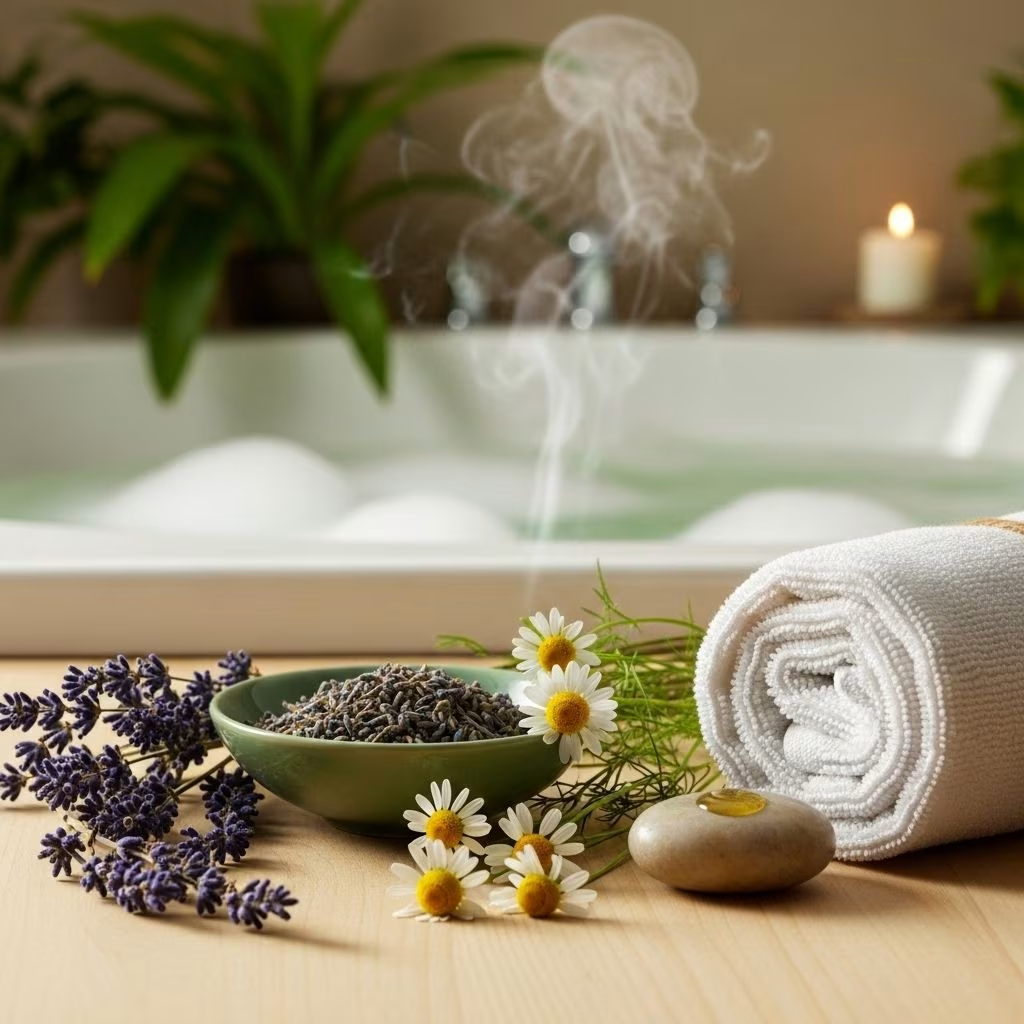
Living with vulvodynia can be challenging, affecting not only physical comfort but also emotional well-being and quality of life. Vulvodynia is characterized by chronic vulvar pain without an identifiable cause, often described as burning, stinging, or rawness in the vulvar area. While medical treatment is important, many women find significant relief through natural home remedies and lifestyle modifications that can be implemented daily.
Understanding how to manage vulvodynia symptoms naturally empowers women to take control of their health and find personalized solutions that work for their unique situations. This comprehensive guide explores evidence-based home remedies, self-care strategies, and practical lifestyle changes that can help reduce vulvar pain and improve overall comfort.
Understanding Vulvodynia and Its Impact
Vulvodynia affects millions of women worldwide, causing persistent discomfort in the vulvar region that can last for months or years. The pain may be constant or intermittent, localized to specific areas or generalized across the entire vulva. Many women describe the sensation as burning, stinging, irritation, or rawness that can make everyday activities like sitting, wearing certain clothing, or engaging in sexual activity extremely uncomfortable.
The condition often goes hand-in-hand with pelvic floor dysfunction, where the muscles supporting the pelvic organs become too tight or weakened. This muscular tension can exacerbate vulvar pain and create a cycle of discomfort that affects multiple aspects of daily life. Women with vulvodynia commonly experience challenges with intimacy, decreased sexual confidence, and emotional distress related to their chronic pain condition.
Fortunately, numerous natural approaches and home remedies can provide meaningful relief when incorporated consistently into a comprehensive care routine. These strategies focus on reducing inflammation, minimizing irritation, supporting pelvic floor health, and creating an environment conducive to healing.
Essential Personal Hygiene Practices
Maintaining proper personal hygiene is fundamental to managing vulvodynia symptoms effectively. However, the approach to hygiene for those with vulvar pain differs significantly from standard practices, as many common products and techniques can actually worsen symptoms.
Gentle Cleansing Techniques
When it comes to washing the vulvar area, less is definitely more. Women with vulvodynia should use only cool or lukewarm water for cleansing, avoiding soaps, bubble baths, and other cleansing products that can strip natural oils and cause irritation. The gentle approach involves using your hand to rinse the area with plain water, then gently patting dry with a soft, white, unscented towel rather than rubbing.
After bathing, applying a protective barrier can help maintain skin health. A vegetable-based oil, plant-based oil, or preservative-free emollient such as plain petroleum jelly creates a protective layer that shields sensitive skin from irritants and helps lock in moisture. This barrier method is particularly beneficial after cleansing when the skin may be more vulnerable to environmental irritants.
Post-Bathroom Hygiene
After urination or sexual intercourse, rinsing the vulva with cool water helps remove potential irritants and prevents inflammation. This simple practice can significantly reduce burning sensations and discomfort. Gently patting the area dry with a soft towel completes the process, ensuring no moisture remains that could promote bacterial growth or irritation.
Sitz Baths for Therapeutic Relief
Taking a lukewarm or cool sitz bath is one of the most effective natural home remedies for vulvodynia relief. The term “sitz” comes from the German word “sitzen,” meaning to sit, and this therapeutic practice involves sitting in shallow water that covers only the hips and buttocks.
Sitz baths work by increasing blood circulation to the vulva and perineum, the area between the vagina and anus. This enhanced circulation promotes healing, reduces inflammation, and provides immediate comfort. For optimal results, women should soak in a sitz bath two to three times daily for five to ten minutes each session.
The water temperature is crucial—lukewarm or cool water is recommended rather than hot water, which can actually increase irritation and worsen pain. Adding Epsom salts or colloidal oatmeal to the bathwater can provide additional soothing benefits. Epsom salts contain magnesium sulfate, which has anti-inflammatory properties, while colloidal oatmeal creates a protective coating on the skin and helps relieve itching.
After completing a sitz bath, gently pat the vulvar area dry and consider applying a protective emollient to seal in moisture and create a barrier against irritants. Consistency is key—regular sitz baths as part of a daily routine can provide cumulative benefits over time.
Cold and Heat Therapy Applications
Temperature-based therapies offer powerful relief for vulvodynia symptoms and can be easily implemented at home. Both cold and heat applications have their place in vulvar pain management, serving different therapeutic purposes.
Cold Compress and Gel Pack Benefits
Cold therapy provides immediate relief from pain, itching, and inflammation. Gel packs or cold compresses can be applied directly to the vulva and vestibule—the area surrounding the vaginal opening—to numb discomfort and reduce swelling. When using cold compresses, ensure they are made with white, 100% cotton fabric to avoid introducing additional irritants.
Cold therapy is particularly beneficial after activities that may trigger symptoms, such as sexual intercourse, prolonged sitting, horseback riding, or bicycle riding. Applying ice packs or frozen gel packs wrapped in a clean towel for approximately 15 minutes can significantly reduce post-activity burning and discomfort. The cold temperature constricts blood vessels temporarily, reducing inflammation and providing numbing relief.
Heat Therapy for Muscle Relaxation
While cold therapy addresses acute inflammation, heat therapy serves a different purpose by promoting muscle relaxation and improving circulation. Applying topical heat with a heating pad can reduce pain associated with pelvic floor muscle tension, a common contributor to vulvodynia symptoms. Heat helps relax tight muscles, eases spasms, and promotes a sense of overall comfort.
Alternating between cold and heat therapy based on symptom patterns can provide comprehensive relief, addressing both inflammatory responses and muscular tension that contribute to vulvar pain.
Choosing the Right Personal Products
The products that come into contact with the vulvar area can significantly impact vulvodynia symptoms. Making informed choices about personal care items is essential for minimizing irritation and supporting healing.
Menstrual Products Selection
Women with vulvodynia should select 100% cotton tampons and pads for menstruation, as synthetic materials can trap heat and moisture while introducing potential irritants. Preferably, choosing pads instead of tampons reduces internal friction and allows for better air circulation. Unscented, white products without added dyes or fragrances are least likely to cause reactions.
Toilet Paper and Laundry Considerations
Even toilet paper quality matters—soft, white, and unscented options are gentlest on sensitive tissue. When it comes to laundry, using a dermatologically approved detergent is crucial. Recommended brands include Clear or Purex, which are formulated without harsh chemicals, dyes, and perfumes that can remain in fabric and irritate the vulva.
Avoiding fabric softeners is equally important, as these products leave chemical residues that can trigger symptoms. After washing undergarments, rinsing them further with cold water helps remove any remaining detergent residue, providing an extra layer of protection against potential irritants. High-quality, gentle soaps may help alleviate vulvar pain by reducing the chemical burden on sensitive skin.
Dietary Modifications for Symptom Management
What you consume can significantly affect vulvodynia symptoms, making dietary modifications an important component of natural treatment. While individual responses vary, certain dietary patterns have been identified as potentially helpful or harmful for those with vulvar pain.
Foods to Limit or Avoid
Processed foods and those containing caffeine, acid, and high sugar content may worsen vulvodynia symptoms for many women. These foods can increase inflammation throughout the body and may make urine more irritating to sensitive vulvar tissue. An elimination approach works best—removing one potential trigger food at a time and carefully tracking how your body responds allows you to identify personal triggers.
Foods high in oxalates have also been implicated in vulvar irritation for some women, though more research is needed to confirm this connection. High-oxalate foods include leafy greens, beans, berries, chocolate, and nuts. If you suspect oxalates may be contributing to your symptoms, consider reducing these foods temporarily to assess whether symptoms improve.
Supporting Bladder and Bowel Health
Pressure on the bladder and bowel can cause vulvodynia to flare up, making urinary and digestive health essential considerations. Urinating regularly rather than waiting for the bladder to become uncomfortably full reduces pressure on the pelvic floor. After urination, rinsing the vaginal area with water helps prevent irritation from urine contact.
Adding fiber to your diet helps maintain regular bowel movements, preventing constipation that can place additional pressure on the pelvic floor and vulvar tissues. A diet rich in vegetables, fruits, whole grains, and adequate water intake supports both digestive health and overall symptom management.
Managing Sexual Activity and Intimacy
Sexual activity often presents significant challenges for women with vulvodynia, but various strategies can help reduce pain and maintain intimacy. Open communication with partners about pain and comfort levels is essential for maintaining healthy relationships while managing this condition.
Pre-Intercourse Preparation
Using a water-based lubricant such as Aloe Cadabra before sexual activity reduces friction and protects sensitive tissues. Avoiding contraceptive creams and spermicides is important, as these products often contain chemicals that irritate the vulva. For temporary numbing, women can ask their physician for a prescription topical anesthetic such as Lidocaine gel 5%, though this may cause stinging for the first three to five minutes after application.
Post-Intercourse Care
After sexual intercourse, urinating helps prevent urinary tract infections, which can complicate vulvodynia symptoms. Rinsing the vulva with cool water cleanses the area and removes potential irritants. If burning sensations occur, applying ice or a frozen blue gel pack wrapped in one layer of a hand towel to the vulva for 15 minutes provides effective relief.
If penetrative intercourse remains painful despite these measures, exploring different sexual positions or focusing on other sexually intimate activities can help maintain connection with partners while respecting physical limitations. Many women find that addressing vulvodynia comprehensively leads to gradual improvements in sexual function over time.
Vaginal Dilation Therapy
Vaginal dilation represents a safe and effective home remedy for treating vaginal pain associated with vulvodynia. This therapeutic approach works by helping women relax their pelvic floor muscles, which are commonly dysfunctional in those with chronic vulvar pain.
Doctors recommend vaginal dilators because women with vulvodynia frequently have pelvic floor dysfunction characterized by chronically tight, tense muscles. Neodymium Magnetic Vaginal Dilators by VuVa™ are specifically designed to safely stretch the pelvic floor muscles to treat and prevent vulvodynia symptoms. These specialized dilators incorporate magnetic therapy alongside the mechanical stretching benefits.
Research demonstrates that vaginal dilators provide measurable relief—clinical trials show an average decrease in pain levels of 28% for women using vaginal dilators consistently. Beyond physical symptom reduction, women also experienced increased overall confidence about sexual health, highlighting the psychological benefits of this treatment approach. Vaginal dilators address both the physical manifestations of vulvodynia and the mental health impacts of living with chronic pain.
Starting with the smallest dilator size and gradually progressing to larger sizes allows women to work within their comfort zone while systematically addressing pelvic floor tension. Regular use, typically several times per week, provides the best results when combined with other home remedy approaches.
Physical Activity Modifications
Adjusting physical activity patterns is essential for managing vulvodynia symptoms while maintaining overall health and fitness. Certain exercises and activities place direct pressure on the vulva or create excessive friction, potentially triggering pain flares.
Activities to Avoid or Modify
Women with vulvodynia should avoid exercises that put direct pressure on the vulva, including bicycle riding and horseback riding. These activities compress the vulvar tissues against hard surfaces, causing irritation and inflammation. Similarly, limiting intense exercises that create significant friction in the vulvar area helps prevent symptom exacerbation.
Lower-intensity exercises such as walking, swimming in minimally chlorinated pools, and gentle stretching provide cardiovascular and strength benefits without aggravating vulvar pain. Hot tubs should be avoided due to the combination of heat, chemicals, and water pressure that can irritate sensitive tissues.
Incorporating Beneficial Exercise
Enrolling in an exercise class such as yoga offers multiple benefits for women with vulvodynia. Yoga teaches stretching techniques that can help release pelvic floor tension, while also providing relaxation and stress management skills. The mind-body connection emphasized in yoga practice supports the holistic approach needed for chronic pain management.
After any exercise session, using a frozen gel pack wrapped in a clean thin towel or t-shirt can relieve symptoms and prevent post-exercise flares. This proactive approach allows women to remain physically active while managing their condition effectively.
Ergonomic Adjustments for Daily Living
Many women with vulvodynia struggle with prolonged sitting, which places constant pressure on the vulva and can trigger significant discomfort. Making ergonomic adjustments to daily activities and work environments can substantially reduce symptom burden.
Seating Solutions
Using a donut cushion for long periods of sitting distributes pressure away from the vulva and provides relief during necessary seated activities. Foam donut cushions and Kabooti donut seats have both been recommended by vulvodynia patients for their effectiveness in reducing sitting-related pain.
For women who must sit all day at work, interspersing periods of standing throughout the day helps relieve pressure. Rearranging office spaces to accommodate standing while performing certain tasks—such as speaking on the phone—provides opportunities for position changes without sacrificing productivity.
Stress Management and Relaxation
Learning relaxation techniques for use during the day helps manage the stress response that can amplify pain perception. Chronic pain creates a stress cycle where pain increases stress, and stress intensifies pain awareness. Breaking this cycle through deliberate relaxation practices supports overall symptom management.
Resources such as “The Relaxation and Stress Reduction Workbook” by Davis, Eshelman, and McKay, or “The Chronic Pain Control Workbook” by Catalano and Hardin provide structured approaches to developing effective relaxation skills. Techniques such as progressive muscle relaxation, deep breathing exercises, and guided imagery can be practiced anywhere and provide cumulative benefits over time.
Creating a Comprehensive Self-Care Plan
Successfully managing vulvodynia requires a multifaceted approach that combines various home remedies and lifestyle modifications tailored to individual needs. Keeping a detailed symptom diary helps identify patterns, triggers, and which interventions provide the most relief. This personalized approach empowers women to take an active role in their healing journey.
Consistency is crucial—most natural remedies require regular implementation over weeks or months to achieve optimal results. While some interventions like cold packs provide immediate relief, others such as dietary modifications or vaginal dilation therapy show benefits gradually as the body adapts and heals.
It’s important to remember that what works for one woman may not work for another, and finding the right combination of strategies often involves some trial and error. Patience and persistence are essential, as is maintaining open communication with healthcare providers who can offer guidance and adjust treatment plans as needed.
By implementing these evidence-based home remedies and lifestyle modifications, many women with vulvodynia experience significant improvements in pain levels, daily functioning, and overall quality of life. The natural approaches outlined in this guide provide powerful tools for managing this challenging condition while supporting the body’s innate healing capabilities.
Frequently Asked Questions (FAQs)
Q: How long does it take for home remedies to relieve vulvodynia symptoms?
A: The timeline varies by individual and which remedies are used. Cold therapy provides immediate relief, while approaches like dietary changes, vaginal dilation, and lifestyle modifications typically show results after several weeks of consistent implementation. Most women notice improvements within 4-8 weeks of starting a comprehensive home remedy program.
Q: Can I use regular soap to wash the vulvar area?
A: No, women with vulvodynia should avoid using regular soap on the vulvar area, as it can strip natural oils and cause irritation. Use only cool or lukewarm water for cleansing, and apply a protective emollient afterward to maintain skin health.
Q: Are vaginal dilators safe to use at home?
A: Yes, vaginal dilators are safe and effective when used properly. Start with the smallest size and progress gradually. Research shows they can decrease pain levels by an average of 28% while improving sexual confidence. Consult with a healthcare provider for personalized guidance on dilator therapy.
Q: Should I avoid all exercise if I have vulvodynia?
A: No, exercise remains important for overall health. However, avoid activities that place direct pressure on the vulva like cycling and horseback riding. Lower-intensity exercises such as walking, swimming in minimally chlorinated pools, and yoga are excellent alternatives that don’t aggravate symptoms.
Q: What temperature should sitz baths be for vulvodynia relief?
A: Sitz baths should be lukewarm or cool rather than hot. Hot water can increase irritation and worsen pain. Optimal sessions last 5-10 minutes, performed two to three times daily, and can include Epsom salts or colloidal oatmeal for additional soothing benefits.
Q: Can diet really impact vulvodynia symptoms?
A: Yes, many women find that certain foods affect their symptoms. Processed foods, caffeine, acidic foods, and those high in sugar may worsen symptoms. Some women also benefit from reducing high-oxalate foods. Use an elimination approach, removing one food at a time and tracking your body’s response to identify personal triggers.
References
- https://www.nva.org/for-patients/self-help-tips/
- https://www.painscale.com/article/at-home-treatments-for-vulvodynia
- https://www.nhs.uk/conditions/vulvodynia/
- https://my.clevelandclinic.org/health/diseases/17878-vulvodynia
- https://www.vuvatech.com/blogs/care/vulvodynia-home-remedies-vaginal-pain-treatment
- https://www.webmd.com/women/vulvodynia
- https://www.yesyesyes.org/pages/vulvodynia
- https://www.neueve.com/blogs/blog/how-to-find-natural-relief-for-vulvodynia


