


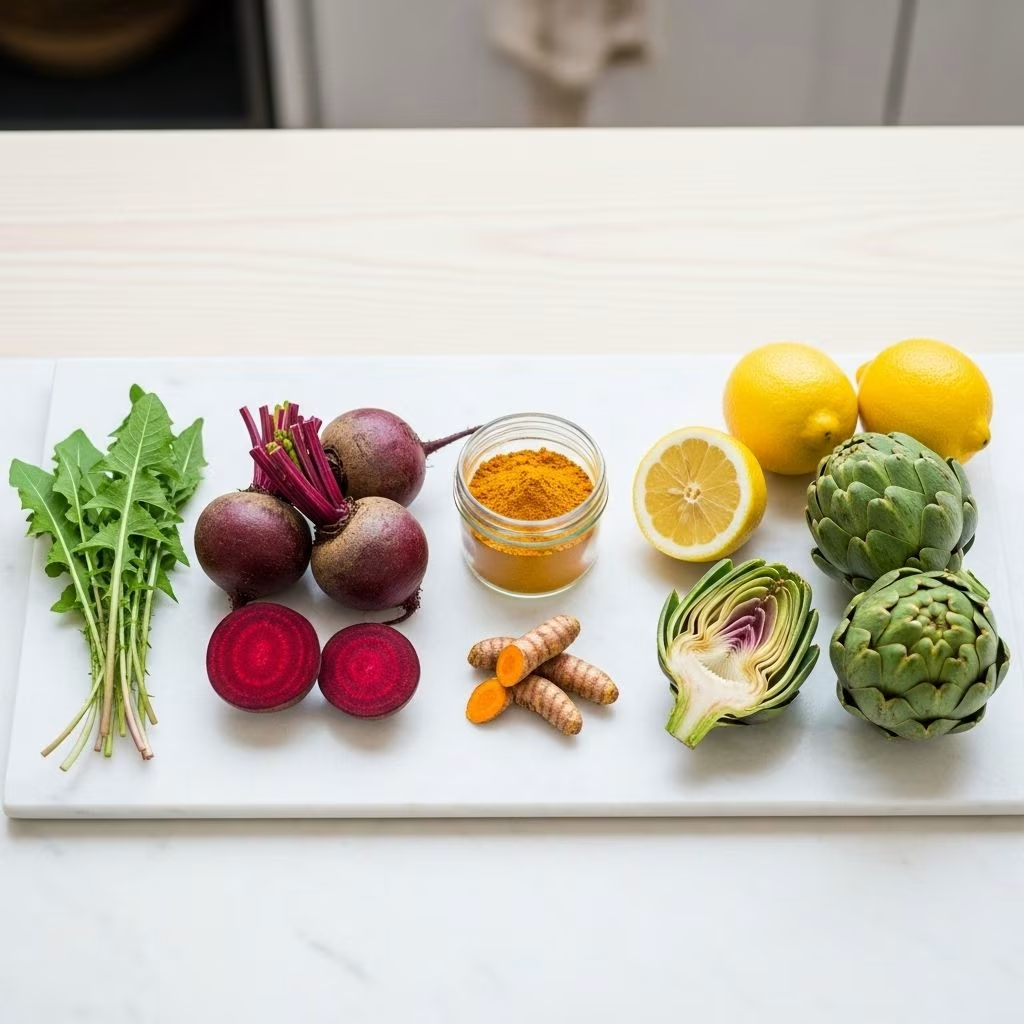
5 Best Natural Remedies for Effective Liver Detox
The liver is a vital organ responsible for ridding the body of toxins, metabolizing nutrients, and supporting many aspects of overall health. While trendy detoxes and cleanses lack scientific support, several natural remedies—including dietary choices and evidence-based herbs—can optimize and protect your liver’s function in a safe and sustainable way. This article explores five of the best natural remedies for liver detox, explains the science behind each method, and offers practical tips for implementation.
Why Support Liver Detox?
The liver is naturally equipped with sophisticated cellular machinery to neutralize toxins, metabolize drugs, and produce substances essential for life. While the notion of a “cleanse” is often overstated, providing the liver with optimal nutrition, antioxidants, and a healthy lifestyle can boost its resilience against daily stressors and toxic exposures.
1. Dietary Foundations for Liver Detox
Diets rich in fruits, whole grains, vegetables, healthy fats, and lean proteins provide the foundation for liver health. These foods supply crucial antioxidants, fiber, vitamins, and minerals that assist your liver in processing toxins, reducing inflammation, and repairing tissue.
Key Liver-Cleansing Foods
- Citrus fruits (lemons, grapefruits): high in antioxidants and vitamin C, promote toxin breakdown and flushing.
- Berries (blueberries, cranberries): rich in anthocyanins, may help reduce oxidative stress in the liver.
- Whole grains (brown rice, oats, barley): provide fiber and nutrients for metabolic support and toxin elimination.
- Nuts and seeds: contain vitamin E and healthy fats, support liver cell integrity.
- Leafy greens: loaded with antioxidants and phytonutrients for detox support.
Liver-Cleansing Fruits Table
| Fruit | Active Compound | Liver Benefit |
|---|---|---|
| Avocado | Adiponectin | Reduces lipids |
| Lemon | Citric acid, naringin | Reduces liver damage |
| Banana | Pectin | Relieves cirrhosis |
| Fig | Ficin, fumaric acid | Anti-fatty liver |
| Cherry | Methyl jasmonate | Antioxidant protection |
| Papaya | Lycopene | Antioxidant support |
| Watermelon | Citrulline | Detox, hypoglycemic effects |
| Pomegranate | Punicalagins | Anti-inflammatory |
Liver-Cleansing Grains Table
| Whole Grain | Active Component | Liver Effect |
|---|---|---|
| Maize | Linoleic acid, lutein | Antioxidant |
| Barley | p-coumaric, caffeic acid | Anti-fatty liver |
| Oat | Ergothioneine | Antioxidant |
| Brown rice | Tocopherols | Anti-inflammatory |
| Wheat | Ferulic acid | Lipid metabolism support |
| Sorghum | Methyl ferulate | Antioxidant |
Additional Dietary Tips:
- Cut down on processed foods and added sugars; both place stress on the liver.
- Stay hydrated with clean water; dehydration impairs liver function.
- Maintain a healthy weight and exercise regularly for overall metabolic health.
2. Green Tea: Potent Antioxidant Protection
Green tea is renowned for its abundance of polyphenols and catechins—antioxidant compounds that protect liver cells from oxidative damage. Studies show that regular green tea consumption is associated with a lower risk of liver disease, improved enzyme profiles, and protection against fatty liver.
- Protects against fatty liver and fibrosis.
- May lower inflammation markers in the liver.
- Best consumed without excessive sweeteners; matcha, lemon ginger, or peppermint tea are healthy alternatives.
3. Olive Oil: Liquid Gold for the Liver
Olive oil, especially cold-pressed extra virgin varieties, is shown to support liver function through its high content of monounsaturated fats and antioxidants. Switching to olive oil and other plant-based oils can reduce fat accumulation, improve insulin sensitivity, and optimize liver enzyme levels.
- Contains anti-inflammatory compounds.
- Facilitates the removal of toxins by providing a healthy lipid base for bile production.
- Use for salad dressings, cooking, or as a dip for whole grain breads.
4. Turmeric: Ancient Spice, Modern Liver Shield
Turmeric, a staple in Indian cuisine and traditional medicine, contains curcumin—a compound with potent anti-inflammatory, antioxidant, and antifibrotic effects. Curcumin helps detoxify and cleanse the liver, protecting against a range of conditions such as fatty liver disease, cirrhosis, and liver injuries.
- Reduces inflammation and fat buildup in the liver.
- May be consumed in warm turmeric water, golden milk, or as a supplement (1-3g dried root in hot water daily).
- Helps flush out toxins and protect against both acute and chronic liver injuries.
5. Milk Thistle: Herbal Support for Liver Repair
Milk thistle is an herbal remedy widely recognized for its liver-protective properties. The active ingredient, silymarin, has antioxidant, anti-inflammatory, and antifibrotic effects. Milk thistle is commonly used as an over-the-counter supplement for chronic liver diseases including hepatitis and cirrhosis.
- Helps shield liver cells from toxins and promote tissue regeneration.
- May mitigate liver enzyme abnormalities and oxidative stress.
- Available in capsules, teas, and tinctures; consult a healthcare professional before use.
Practical Tips and Foods Table
Simple Ways to Support Liver Health Daily
- Drink 8–10 glasses of water to aid liver filtration.
- Enjoy citrus-infused water for extra antioxidant boost (try lemon or grapefruit—check interactions with medication).
- Incorporate a variety of berries, nuts, leafy greens, and whole grains into your weekly menu.
- Limit alcohol, processed foods, and added sugars to lower liver stress.
- Exercise regularly and maintain a healthy weight.
Liver-Supporting Foods Table
| Food/Drink | Main Benefit | Best Form/Tips |
|---|---|---|
| Green Tea | Antioxidants, anti-inflammatory | Fresh brewed, matcha, lemon ginger |
| Olive Oil | Reduces fat accumulation | Cold-pressed, drizzled on salads |
| Turmeric | Detoxifies, reduces inflammation | Warm water infusion, golden milk |
| Milk Thistle | Cell repair, toxin protection | Capsules or tea |
| Berries | Oxidative stress reduction | Raw, smoothies, oats |
| Whole Grains | Metabolic support, fiber | Brown rice, barley, oats |
| Citrus Fruits | Antioxidants, vitamin C | Lemon water, fresh grapefruit |
Frequently Asked Questions (FAQs)
Q: Can liver detox remedies reverse existing liver disease?
A: No. While natural remedies can help support liver function and reduce risk factors, they cannot reverse advanced liver disease. Consult your healthcare provider for diagnosis and treatment of liver conditions.
Q: Are there risks associated with liver detox supplements?
A: Some herbs and supplements may cause unwanted side effects or interact with medications. Always consult your healthcare professional before starting any supplement, particularly milk thistle or turmeric.
Q: What foods should I avoid for optimal liver health?
A: Minimize processed foods, high-sugar snacks, alcohol, and excess saturated fats to reduce the burden on your liver.
Q: How much water should I drink daily?
A: Aim for 8–10 glasses per day, but individual needs may vary based on activity and climate.
Q: Is grapefruit juice safe for everyone?
A: Grapefruit can interact with certain medications and should be limited (<6 ounces daily). Always check with your doctor before adding grapefruit to your diet.
Final Thoughts
While mainstream liver detox products and cleanses are largely unsupported by science, proven natural approaches—including a whole foods-based diet, green tea, olive oil, turmeric, and milk thistle—can greatly support liver function and health. Effective liver care is an ongoing, holistic process: focus on nourishing the body daily, staying hydrated, limiting harmful exposures, and seeking guidance from medical professionals for any concerns.
References
- https://redcliffelabs.com/myhealth/food-and-nutrition/food-for-liver/liver-cleansing-foods-10-home-remedies-to-naturally-detox-liver/
- https://blog.ochsner.org/articles/top-foods-and-drinks-that-improve-liver-health/
- https://www.patientfirst.com/blog/cleanse-your-liver
- https://www.bswhealth.com/blog/should-you-try-a-liver-detox-understanding-the-risks-and-if-they-work
- https://www.webmd.com/fatty-liver-disease/liver-detox
- https://pmc.ncbi.nlm.nih.gov/articles/PMC10809338/
- https://britishlivertrust.org.uk/information-and-support/living-with-a-liver-condition/diet-and-liver-disease/
- https://www.healthline.com/health/liver-detox-home-remedy


