


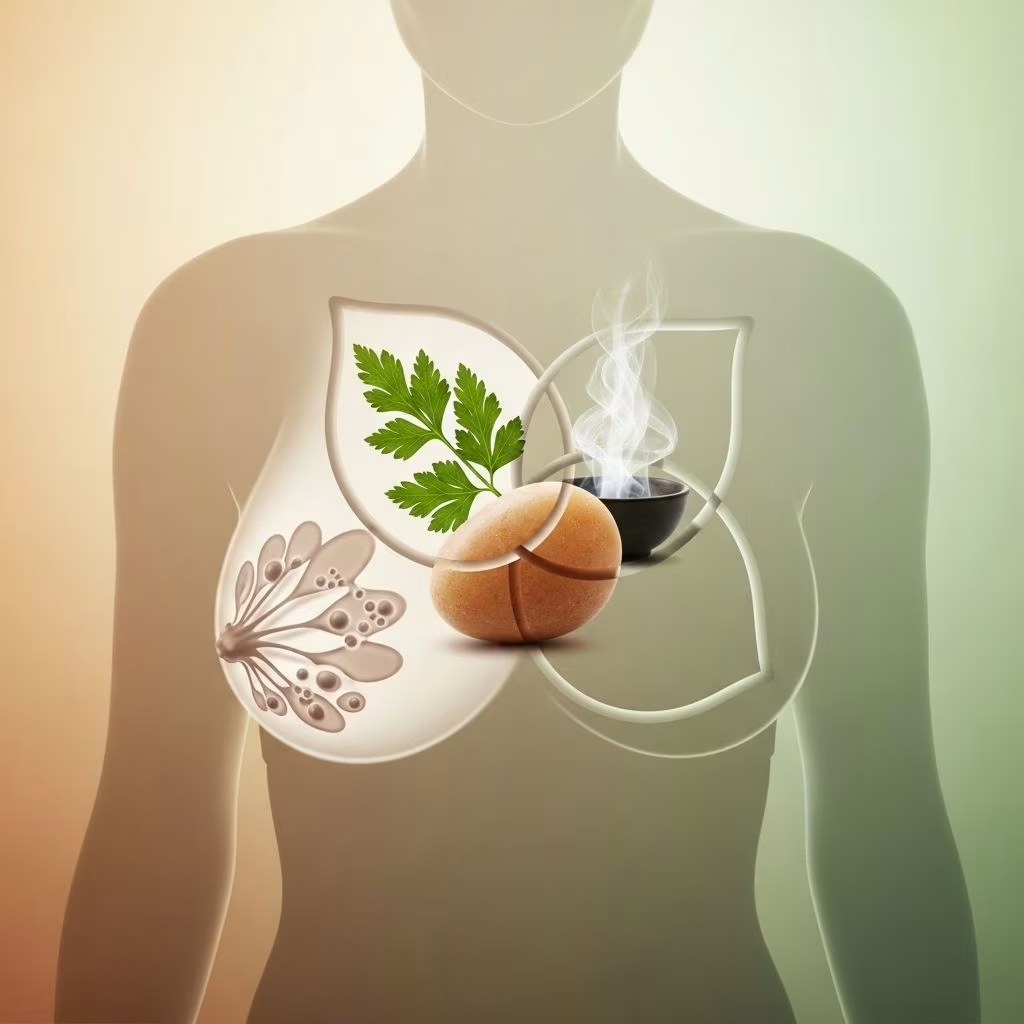
3 Natural Approaches to Reducing Cystic Breast Tissue
Cystic breast tissue, often referred to as fibrocystic breasts or fibrocystic breast changes, is a common benign condition faced by many women. Characterized by lumpy, sometimes tender breasts, this issue is usually linked to hormonal fluctuations. While benign, these cystic changes can cause discomfort and worry. This article explores three natural, research-backed strategies for reducing cystic breast tissue, addressing the underlying causes, relief from symptoms, and long-term prevention.
Understanding Cystic Breast Tissue
Cystic breast tissue involves benign lumps or areas of thickened, rubbery tissue that can change with the menstrual cycle. Most often, women notice increased tenderness or pain right before menstruation, when hormonal shifts are most pronounced. Though these changes are almost always non-cancerous, anyone experiencing a new or persistent lump should consult their healthcare provider to rule out other causes.
Main Symptoms of Cystic Breast Tissue
- Breast pain or tenderness that fluctuates with hormone cycles
- Areas of lumpy or rope-like tissue, especially in the upper, outer area of the breast
- Swelling or heaviness in the breasts, frequently before menstruation
- Sometimes, clear or slightly milky nipple discharge
What Causes Cystic Breast Tissue?
The primary cause of fibrocystic breast changes is believed to be hormonal fluctuations related to the menstrual cycle. Estrogen and progesterone influence the breast tissue, leading the ducts to swell and glands to enlarge. Excess estrogen, in particular, is a common factor implicated in the development and exacerbation of cystic changes.
Other contributing factors may include:
- Diet high in saturated fats or processed foods
- Caffeine consumption (coffee, chocolate, tea, soda)
- Exposure to exogenous hormones such as those found in plastics, pesticides, or non-organic animal products
- Poor liver function, impacting the excretion of hormones
- Constipation or sluggish digestion, leading to re-circulation of estrogen
1. Dietary Strategies for Hormonal Balance
Diet plays a significant role in hormonal regulation and breast health. Optimizing nutrition helps the body metabolize and eliminate excess estrogen, reducing cystic changes and associated discomfort.
Key Dietary Recommendations
- Increase Fiber Intake
- Incorporate a wide variety of vegetables, fruits, legumes, and whole grains. Fiber binds to excess estrogen and aids in its elimination.
- Opt for Organic, Plant-Based Foods
- Limit exposure to dietary hormones and chemicals present in conventionally raised meat and dairy. Emphasize organic produce and hormone-free animal products.
- Limit Caffeine and Chocolate
- Reduce and ideally eliminate coffee, black tea, chocolate, and colas. Studies and experts have noted that these substances can worsen fibrocystic breast symptoms by promoting inflammation and fluid retention.
- Reduce Saturated Fats and Processed Foods
- Choose healthy fats in moderation: olive oil, avocado, walnuts, flaxseed. Limit fried foods, processed snacks, and commercial baked goods.
- Support Liver Health
- Consume foods rich in antioxidants, such as leafy greens and cruciferous vegetables (broccoli, Brussels sprouts, kale), which assist liver detoxification of estrogens.
Sample Foods for Breast Health
| Food Type | Examples | Reason for Recommendation |
|---|---|---|
| High-Fiber | Beans, lentils, apples, carrots | Binds estrogen, promotes elimination |
| Cruciferous Vegetables | Broccoli, cauliflower, cabbage | Rich in indoles, support hormone detox |
| Healthy Fats | Olives, avocados, nuts, seeds | Anti-inflammatory, support hormone balance |
| Fermented Foods | Yogurt, sauerkraut, kimchi | Promote healthy gut flora, aid hormone metabolism |
Summary for Dietary Approach
Aim for a largely plant-based, high-fiber, low-caffeine, and low-processed-foods diet, prioritizing organic options whenever possible to minimize exposure to hormone-disrupting chemicals.
2. Lifestyle Changes to Support Hormonal and Breast Health
Lifestyle modifications can significantly impact both short-term symptoms and long-term breast health. Focus on habits that help the body process and excrete hormones efficiently, while minimizing inflammation and fluid retention.
Critical Lifestyle Adjustments
- Establish Regular Bowel Movements
- Daily elimination is essential. Include enough fiber, water, and, if needed, magnesium-rich foods to promote healthy digestion.
- Exercise Regularly
- Physical activity stimulates lymphatic flow, aids hormonal balance, and supports regular bowel movements. Aim for 30 minutes most days of the week.
- Reduce Exposure to Xenoestrogens
- Avoid plastics for food storage (switch to glass or stainless steel), minimize conventional body care products, and avoid exposure to pesticides and hormone-laden animal products.
- Manage Stress
- Chronic stress can disrupt hormone balance and worsen breast discomfort. Practice mindfulness, deep breathing exercises, or gentle yoga to maintain equilibrium.
- Avoid Tight Clothing
- Wear well-fitted, supportive bras and avoid constrictive garments that impede lymphatic drainage.
Prioritizing sleep, adequate hydration, and reducing exposure to environmental toxins can further enhance breast comfort and overall well-being.
3. Targeted Natural Therapies
Beyond food and lifestyle, several targeted natural therapies may relieve symptoms and support breast health for those with cystic breast tissue. These therapies should be used under the guidance of a qualified practitioner, especially if you are taking medications or have underlying health conditions.
Herbal and Nutritional Supports
- Vitamin E
- Research suggests vitamin E can reduce breast tenderness and inflammation. Standard dosage is 400 IU per day; consult your provider before high-dose use.
- Evening Primrose Oil
- Highly valued for its gamma-linolenic acid content, which may alleviate breast pain linked to hormonal changes. Typical dose is 1,000–3,000 mg daily.
- Iodine
- Low iodine intake may be associated with breast cysts. Iodine supplementation or the inclusion of sea vegetables (such as kelp) can be considered after assessment by your provider.
- Castor Oil Packs
- Traditionally used topically over the breast tissue to reduce inflammation, promote lymphatic drainage, and soothe discomfort. This therapy requires application of a castor oil-soaked cloth to the breast, covered and heated for 30–60 minutes.
- Topical Herbal Applications
- Some herbalists recommend topical preparations containing calendula, comfrey, or chamomile to relieve breast tenderness.
Supplements Potentially Beneficial for Cystic Breasts
| Supplement | Daily Dose Example | Noted Benefit |
|---|---|---|
| Vitamin E | 400 IU | Reduces tenderness, anti-inflammatory |
| Evening Primrose Oil | 1,000–3,000 mg | Balances fatty acids, relieves pain |
| Iodine | Varies, check with provider | Supports thyroid, may reduce cyst formation |
Important Note
Before starting any new supplement or herbal remedy, always consult a healthcare professional to avoid adverse interactions and ensure appropriate dosing.
Prevention & Maintenance
Even after symptoms improve, ongoing attention to diet, lifestyle, and natural supports is essential. Breast self-awareness is encouraged; understanding what is normal for your body makes it easier to detect changes promptly.
- Continue a nutrient-rich, high-fiber diet
- Avoid excessive caffeine and processed foods
- Keep stress in check and ensure regular physical activity
- Use toxin-free personal and home care products
When to See a Doctor
While cystic breast tissue is common and generally benign, any new, persistent, or unusual breast lump should be evaluated by a healthcare provider. Additional diagnostic workup (such as ultrasound or mammography) may be required to rule out other causes, such as infection, abscess, or potentially malignancy.
Warning signs warranting prompt evaluation include:
- Rapidly enlarging or hard lumps
- Skin changes (dimpling, redness, warmth, or thickening)
- Bloody or unusual nipple discharge
- Lumps that persist through several menstrual cycles
Frequently Asked Questions (FAQs)
Q: Can cystic breast tissue turn into cancer?
A: Cystic or fibrocystic changes in breast tissue do not increase the risk of developing breast cancer. However, because lumps can occasionally mask or coexist with other conditions, monitoring is essential.
Q: Which foods are most important to avoid for fibrocystic breasts?
A: Caffeine-containing foods and beverages (coffee, chocolate, soda), high-fat processed foods, and non-organic animal products are most important to limit.
Q: Can men experience cystic breast tissue?
A: Fibrocystic changes are rare in men, but certain hormone imbalances or medications can occasionally cause breast swelling or tenderness in males.
Q: How long does it take for symptoms to improve with natural approaches?
A: Some people notice symptom relief within a few weeks of making dietary and lifestyle changes, while for others it may take several months to see significant improvement.
Q: Is it necessary to stop all caffeine, or is reducing intake enough?
A: For some women, complete avoidance yields best results, especially for persistent symptoms. However, even significant reduction may offer relief for many.
References
- Rupa Health: A Comprehensive Approach to Fibrocystic Breasts
- Dr. Brighten: Your Guide to Managing Fibrocystic Breast Disease Naturally
- Thermography Rochester: Fibrocystic Breast Disease – Treatment and Prevention
- Case Reports and Medical Reviews on Cystic Breast Disease
- Aviva Romm MD: Breast Tenderness Good-Bye
Disclaimer: This article is for informational purposes only and does not substitute for professional medical advice. Always consult a qualified health provider regarding any questions or concerns about your health or specific medical conditions.
References
- https://pmc.ncbi.nlm.nih.gov/articles/PMC11975567/
- https://drbrighten.com/fibrocystic-breast-disease/
- https://www.rupahealth.com/post/a-comprehensive-approach-to-fibrocystic-breasts
- https://thermographyrochester.com/?page_id=85
- https://pmc.ncbi.nlm.nih.gov/articles/PMC10289724/
- https://avivaromm.com/breast-tenderness/


