


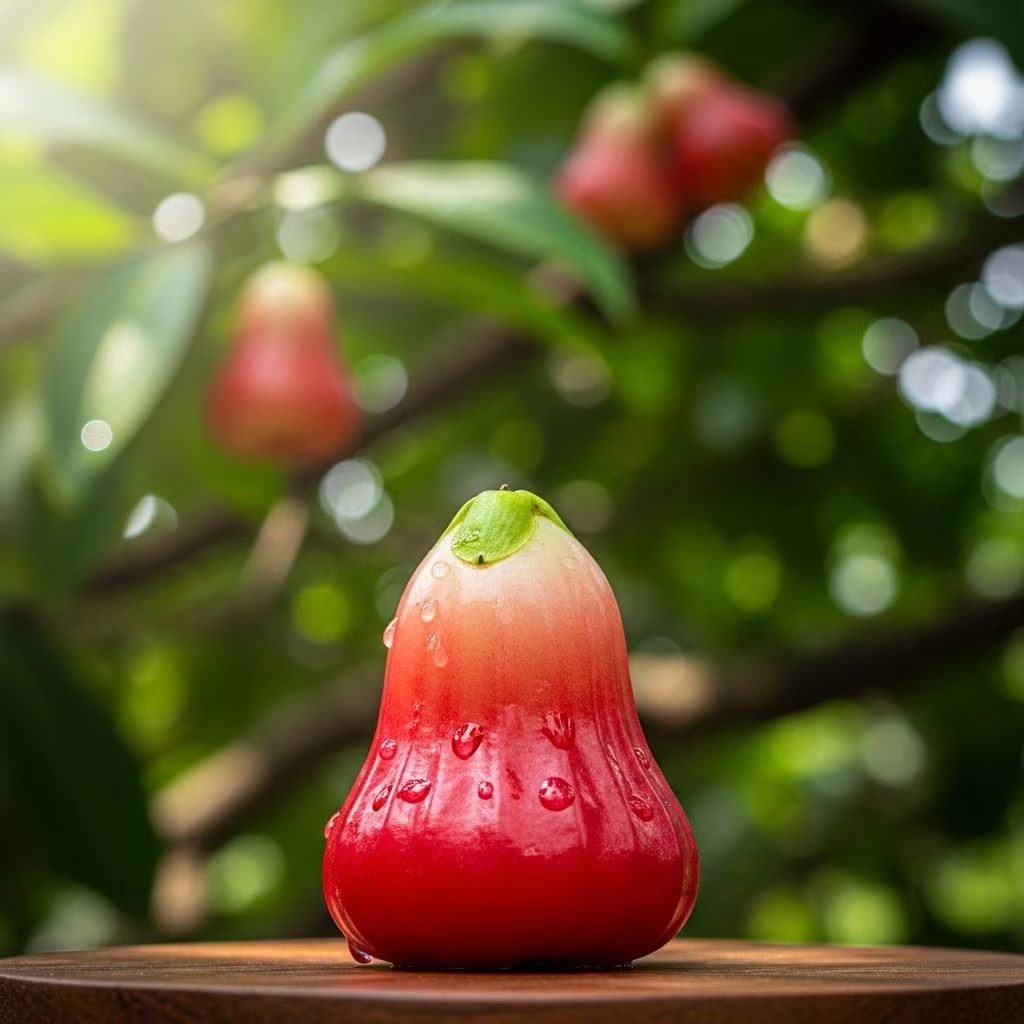
Introduction to Jambu
Jambu, a fruit native to Southeast Asia, is known for its unique flavor and nutritional benefits. It is widely recognized under different names, such as rose apple or water apple, depending on the variety. The Jambu tree, scientifically known as Syzygium jambos, is an evergreen species valued for its aromatic fruits and ornamental appeal.
Types of Jambu Fruits
There are several varieties of Jambu fruits, each with distinct characteristics:
- White Jambu: Known for its delicate, glossy skin and bell-like shape, White Jambu has a sweet, light, and slightly tart taste. The flesh is crisp near the skin and spongy at the center, making it a popular choice for fresh consumption and cooking.
- Jambu Cincalo (Snow Jambu): This variety features a thin, waxy red skin and white, crisp flesh. It is seedless and offers a mild flavor similar to Asian pear, making it highly prized in Southeast Asia.
- Wax Jambu: Characterized by its white flesh and crisp texture, Wax Jambu is known for its light sweetness and refreshing taste, somewhat similar to a light apple.
Nutritional Benefits of Jambu
Jambu fruits are rich in several essential nutrients, providing numerous health benefits:
| Component | Benefits |
|---|---|
| Fiber | Supports digestive health by regulating bowel movements. |
| Potassium | Helps maintain fluid balance and supports heart health. |
| Calcium | Essential for bone and teeth development. |
| Magnesium | Plays a crucial role in nerve function and muscle health. |
| Vitamin C | Boosts immune function and protects against oxidative stress. |
| Phosphorus | Aids in tissue repair and energy production. |
| Iron | Essential for hemoglobin production and oxygen transport. |
Culinary Uses of Jambu
Jambu fruits are versatile and can be used in a variety of dishes:
- Fresh Consumption: Enjoyed raw as a refreshing snack, often sprinkled with sugar or salt for added flavor.
- Cooking: Used in salads, soups, and curries to add crunch and freshness.
- Preservation: Pickled, fermented into vinegar, or blended into juices for extended use.
- Desserts: Utilized in jams, jellies, syrups, and as a garnish for ice cream.
Traditional Medicinal Uses
In traditional medicine, Jambu is valued for its therapeutic properties:
- Digestive Health: Used to cleanse the digestive tract and reduce flatulence.
- Sore Throat Relief: Employed in remedies to soothe sore throats.
- Laxative Properties: Included in the traditional medicine ‘Kayam Churna’ for its laxative effects.
Frequently Asked Questions (FAQs)
Q: What is the typical taste of Jambu fruits?
A: The taste of Jambu fruits varies by variety but generally ranges from mild sweetness to a light, slightly tart flavor.
Q: Are Jambu fruits nutritious?
A: Yes, Jambu fruits are rich in nutrients like fiber, potassium, calcium, magnesium, vitamin C, phosphorus, and iron.
Q: How can Jambu fruits be consumed?
A: Jambu fruits can be eaten fresh, used in cooking, pickled, or preserved as juice or jam.
Q: What is the typical shape and size of Jambu fruits?
A: Jambu fruits come in various shapes and sizes, often bell-like or pyriform, with lengths ranging from a few centimeters to about 8 cm.
References
- https://tastylandscape.com/2014/08/24/wax-jambu/
- https://specialtyproduce.com/produce/White_Jambu_17741.php
- https://specialtyproduce.com/produce/Jambu_Cincalo_16683.php
- https://growbilliontrees.com/blogs/tree-stories/jambu-tree-the-enchanting-rose-apple-tree-with-aromatic-fruits-and-ornamental-beauty
- https://en.wikipedia.org/wiki/Syzygium_jambos
- https://www.wisdomlib.org/concept/jambu-fruit
- https://www.growables.org/information/TropicalFruit/waxjambu.htm
- https://www.nparks.gov.sg/florafaunaweb/flora/3/1/3161
- https://en.wikipedia.org/wiki/Syzygium_cumini
- http://sulang.org/sites/default/files/sulanglextopics021-v2.pdf


